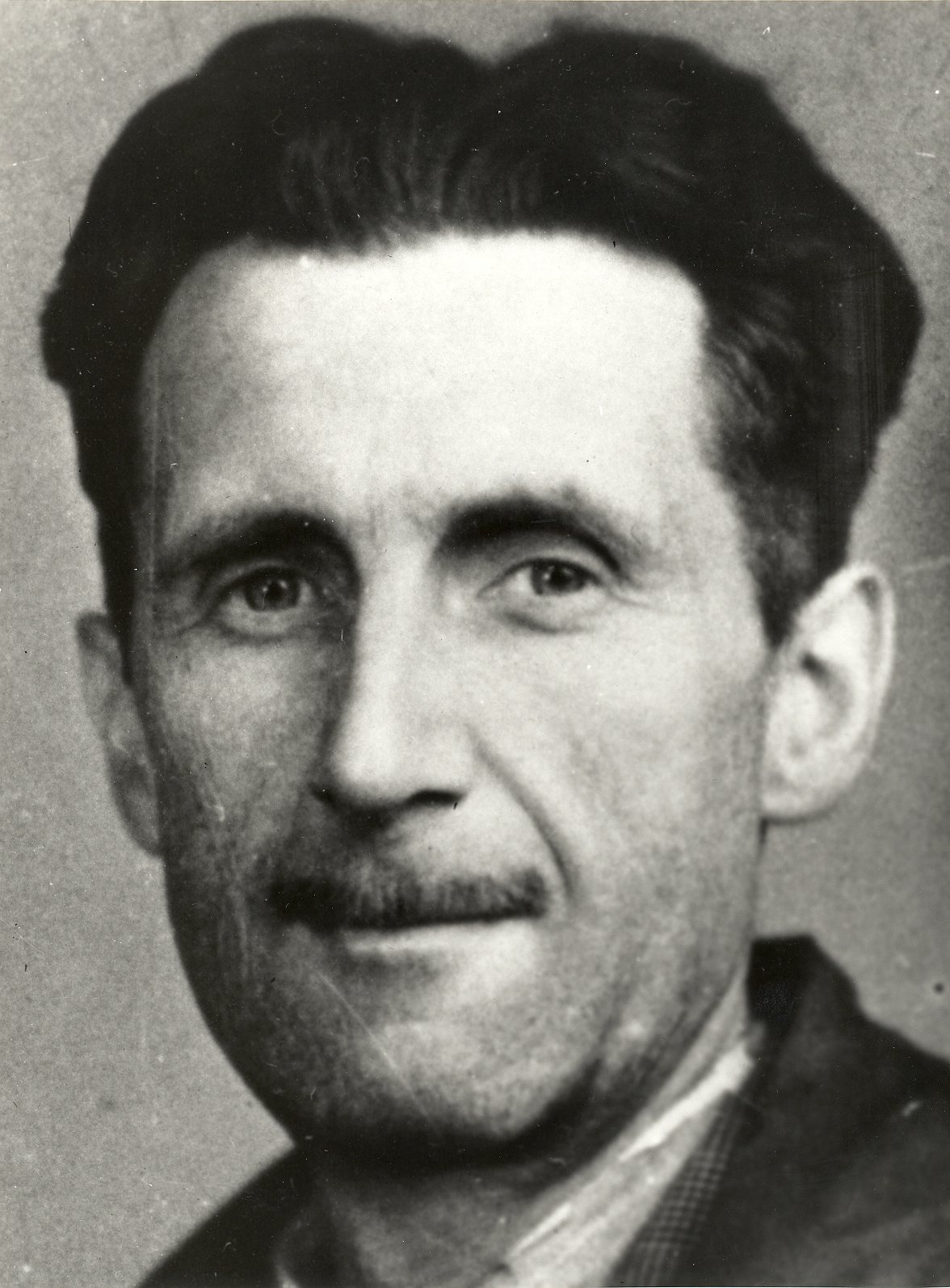
George Orwell
93% Profile Match
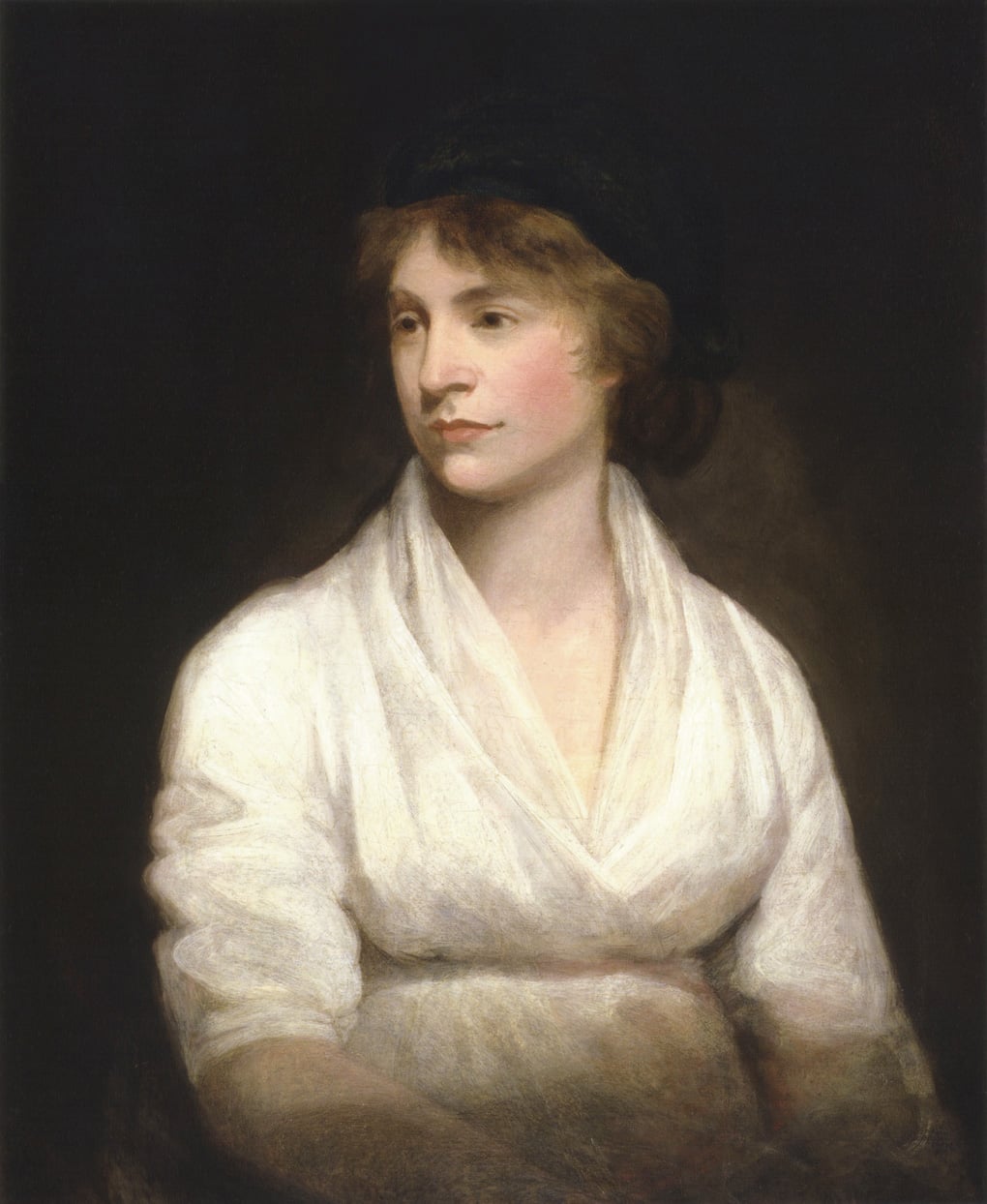
John Opie, c.1797, National Portrait Gallery, London (NPG 1237) — painted from life · Wikimedia Commons (resized/recompressed derivative) · Public Domain (artist died 1807; life+100 years expired)
1759 — Born in London.
1784–1787 — Worked as a governess and ran a school at Newington Green, then published Thoughts on the Education of Daughters.
1787 — Moved to London to write for the publisher Joseph Johnson, supporting herself independently as a professional writer.
1792 — Published A Vindication of the Rights of Woman, then moved to France that December to witness the Revolution firsthand.
March 1797 — Married William Godwin, having already had a daughter, Fanny, with Gilbert Imlay in France.
September 1797 — Died of complications from childbirth eleven days after the birth of her second daughter, Mary, the future Mary Shelley.
A Vindication of the Rights of Woman (1792) directly argued against prevailing Enlightenment-era assumptions about women's education and rationality, including Rousseau's, building a structured, sustained philosophical rebuttal rather than a general objection.
A structured, named rebuttal of specific Enlightenment authorities is what the profile's independent_thinking score is picking up on here, not a vaguer general dissatisfaction. Independent Thinking
Established her own school and later supported herself entirely through professional writing — a path not conventionally available to women at the time.
Produced real output across political philosophy (the Vindication), travel writing (Letters Written in Sweden), fiction, and educational theory.
She published under her own name arguing positions widely considered radical and reputation-damaging for a woman in 1792, and lived independently, unmarried, and self-supporting as a professional writer — unusual and stigmatized for a woman at the time.
A Vindication of the Rights of Woman was written during a documented, intense six-week period of sustained writing, per William Godwin's account of her working process.
Her public intellectual position drew significant contemporary criticism, which intensified after her death, when her husband William Godwin's posthumously published memoir revealed private details of her life that scandalized many contemporary readers.
Criticism that deepened after her death, not only pressure she withstood while still able to answer it, is the fuller shape of the profile's conflict_tolerance score here. Conflict Tolerance
People whose overall profiles resemble theirs.