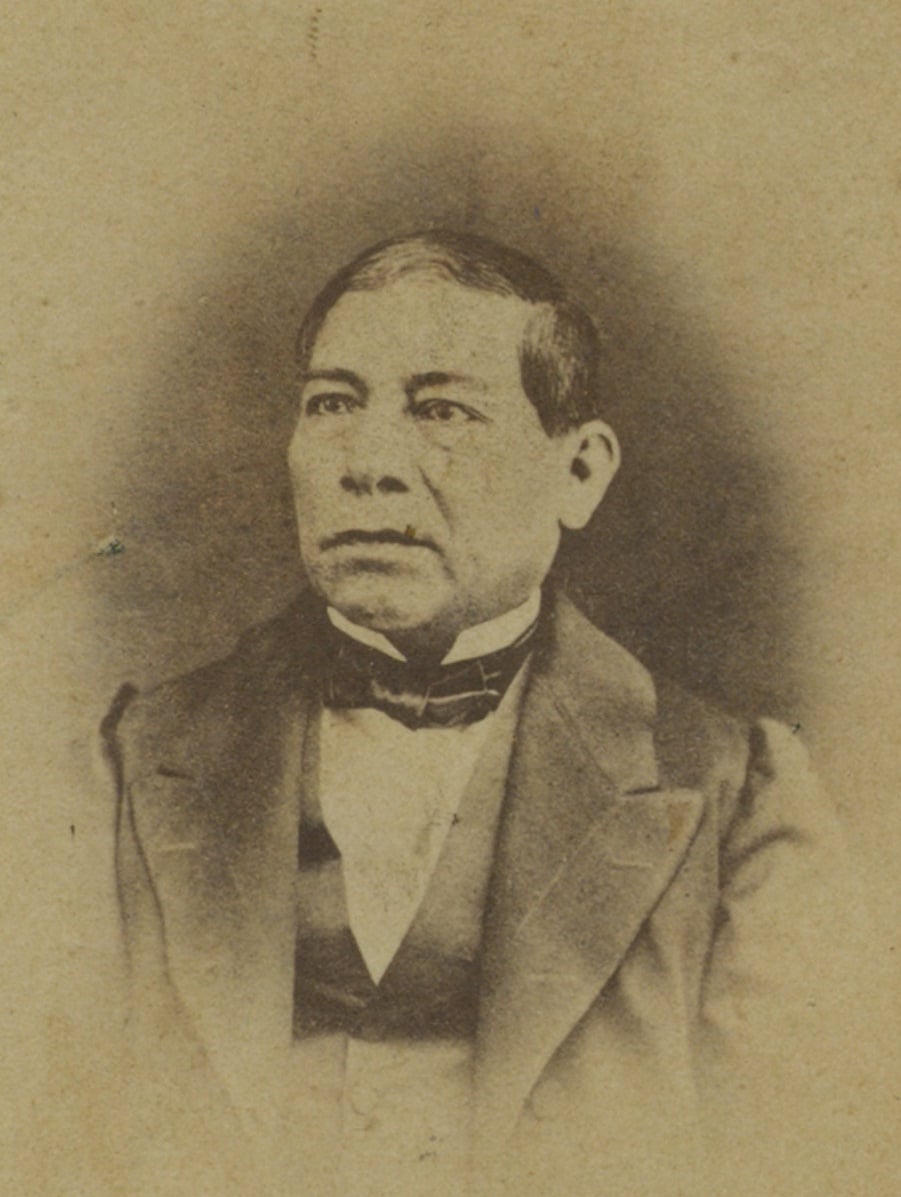
Benjamin Franklin
94% Profile Match
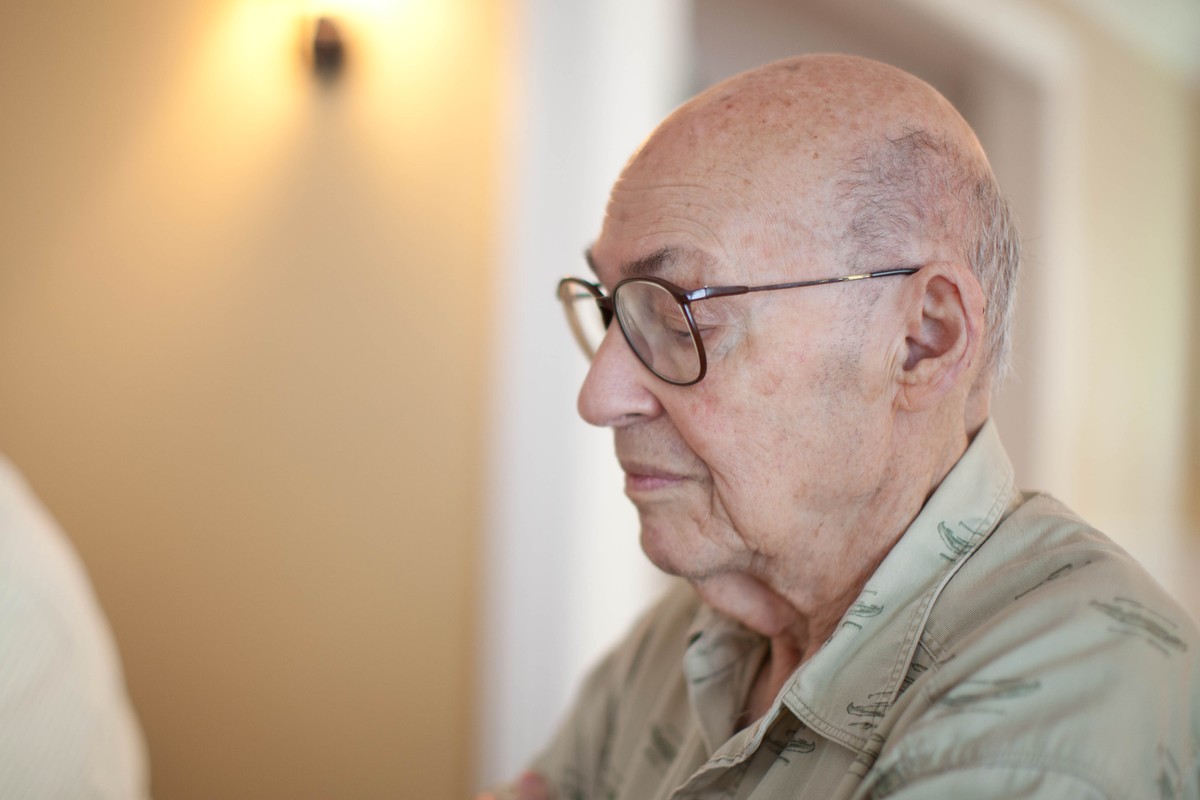
Photo: Joi (Joichi Ito), 2012, CC BY 2.0 · Wikimedia Commons 'Marvin Minsky (1).jpg', photograph by Joi (Joichi Ito), 19 July 2012, from Flickr (photo 7641726266), tagged CC BY 2.0 with a FlickreviewR pass dated 26 January 2013; the live Flickr photo page currently shows licence code 4 (Attribution, CC BY 2.0). Original 4680 x 3120, downscaled once to 1200 x 800 (no upscaling). The Wikidata P18 image (uploader-asserted CC BY 3.0 copied from English Wikipedia, no Flickr or institutional origin) was not used for lack of a verifiable origin; the MIT News photograph (Bachrach) is under a non-commercial no-derivatives licence and was not used. The Commons page does not carry a sitter caption beyond 'Marvin Minsky' by the photographer; the person looks consistent with other dated photographs of Minsky. · CC BY 2.0
computer scientist · Contemporary
1927–2016
Not yet included in personality matching — the documented evidence doesn't yet cover enough of the personality model. Everything else on this page is fully available.
With John McCarthy established the AI Group at MIT in the late 1950s, which became the MIT AI Laboratory (now CSAIL), and later became a founding member of the MIT Media Lab.
Developed the Theory of Frames, in which knowledge is stored as slots with default values, and The Society of Mind (1985), which proposed that intelligence emerges from many simple cooperating agents.
Built an early neural-network learning machine in 1951, wrote Perceptrons with Seymour Papert analysing what simple perceptrons can and cannot compute, and received the 1969 ACM Turing Award.
Crevier reports that rather than study neural networks in the abstract, Minsky and fellow student Dean Edmonds built a forty-neuron machine from surplus parts in the summer of 1951.
This is consistent with a preference for testing ideas by building working machines. Experimentation
Crevier recounts that Minsky travelled to Japan with Carl Hewitt to urge colleagues to reconsider adopting PROLOG, in vain, since he did not believe logic was a basic attribute of intelligence.
This is consistent with holding a minority view against the field's direction and arguing for it directly. Independent Thinking
After his 1954 Princeton thesis, Minsky concluded that networks big enough to reason would need thousands or millions of neurons that he could not build, and he looked for other ways to make machines think.
This is consistent with changing approach when the practical limits of an earlier method became clear. Belief Updating
People whose overall profiles resemble theirs.