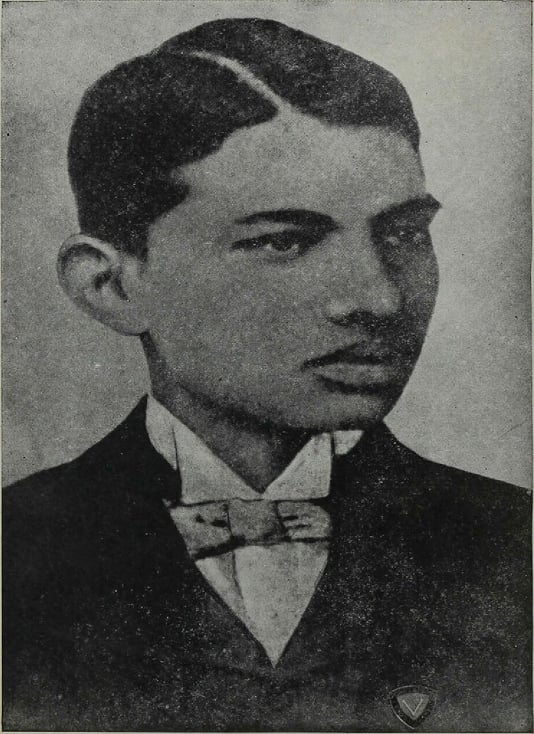
Mahatma Gandhi
91% Profile Match

Unknown photographer, 1930, Shanghai · Wikimedia Commons · Public domain in China (photographic work, copyright term expired)
"Diary of a Madman" (1918) is documented and historically verified as the first major work of modern vernacular Chinese literature.
An objectively assessable literary-historical first, arising directly from a documented personal turning point, is the specific instance behind the profile's creative_originality score. Creative Originality
Specifically declined informal Nobel Prize consideration, stating that no Chinese writer of the time — including himself — deserved it yet, a documented act of self-critical judgment against the pull of prestige.
In his own account, abandoned medical training in Japan after witnessing a lantern-slide of a Chinese man about to be executed as a spy while Chinese onlookers watched apathetically, concluding that his countrymen's apathy mattered more to cure than their bodies.
Maintained a documented, prolific writing schedule despite chronic tuberculosis in his later years, sustaining output until close to his death.
The career switch from medicine to literature followed directly and swiftly from the lantern-slide episode — a specific, documented, decisive turning point rather than a gradual drift.
A swift, documented pivot following directly from a single specific episode is the basis for the profile's decisiveness score. Decisiveness
People whose overall profiles resemble theirs.