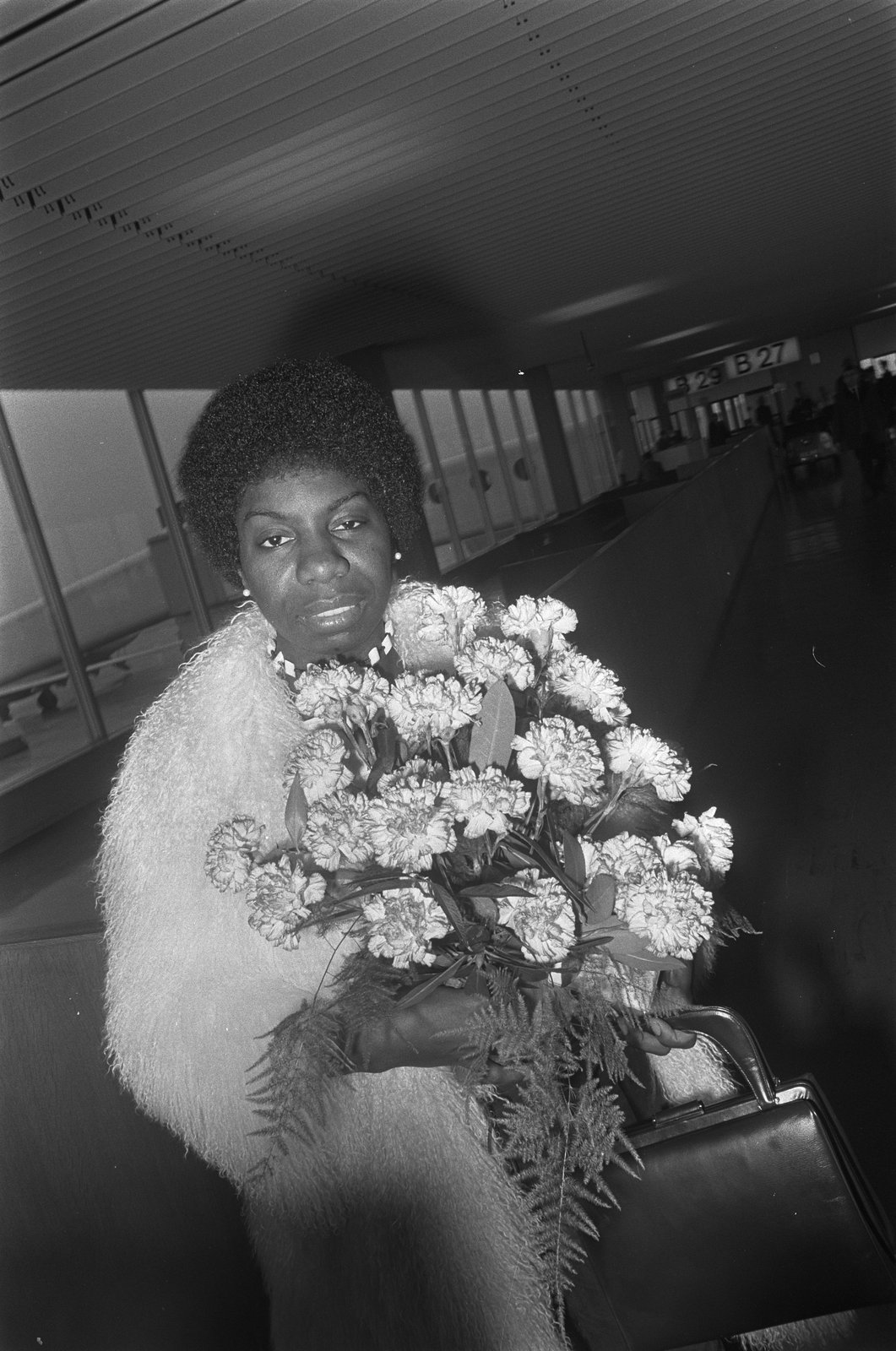
Nina Simone
93% Profile Match
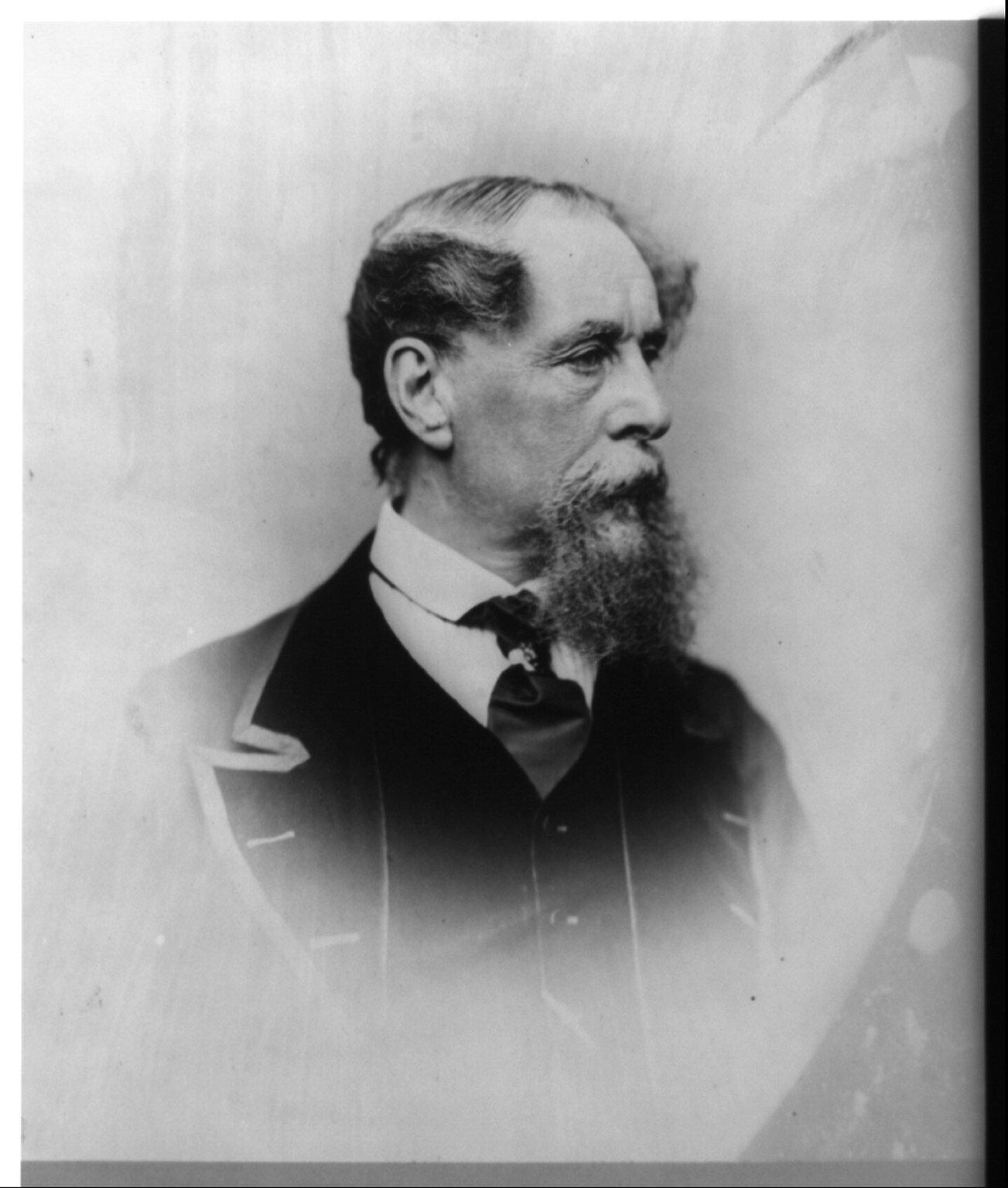
Library of Congress, photographic print, 1867 · Library of Congress (Prints and Photographs Division) · Public domain
Documented by literary historians as pioneering the serialized novel's narrative techniques — cliffhanger chapter endings tuned to monthly publication — later widely adopted by other novelists.
Personally co-founded and ran Urania Cottage, a home for homeless and formerly incarcerated women, for over a decade, directly involved in individual admissions decisions per the home's own surviving case records.
Worked in a blacking factory as a child after his father's imprisonment for debt, an experience biographers trace directly to his relentless adult work ethic and fear of poverty.
Toured extensively as a public reader in his final years against his doctor's explicit warnings about his declining health.
Conducted a public, damaging separation from his wife of 22 years, Catherine, in 1858, and published a self-justifying public statement about it — corroborated by sources independent of his own self-presentation.
This is scored directly in the profile's low collaboration score with risk impact — conduct independent observers criticized at the time, not omitted for a more flattering profile. Collaboration
People whose overall profiles resemble theirs.