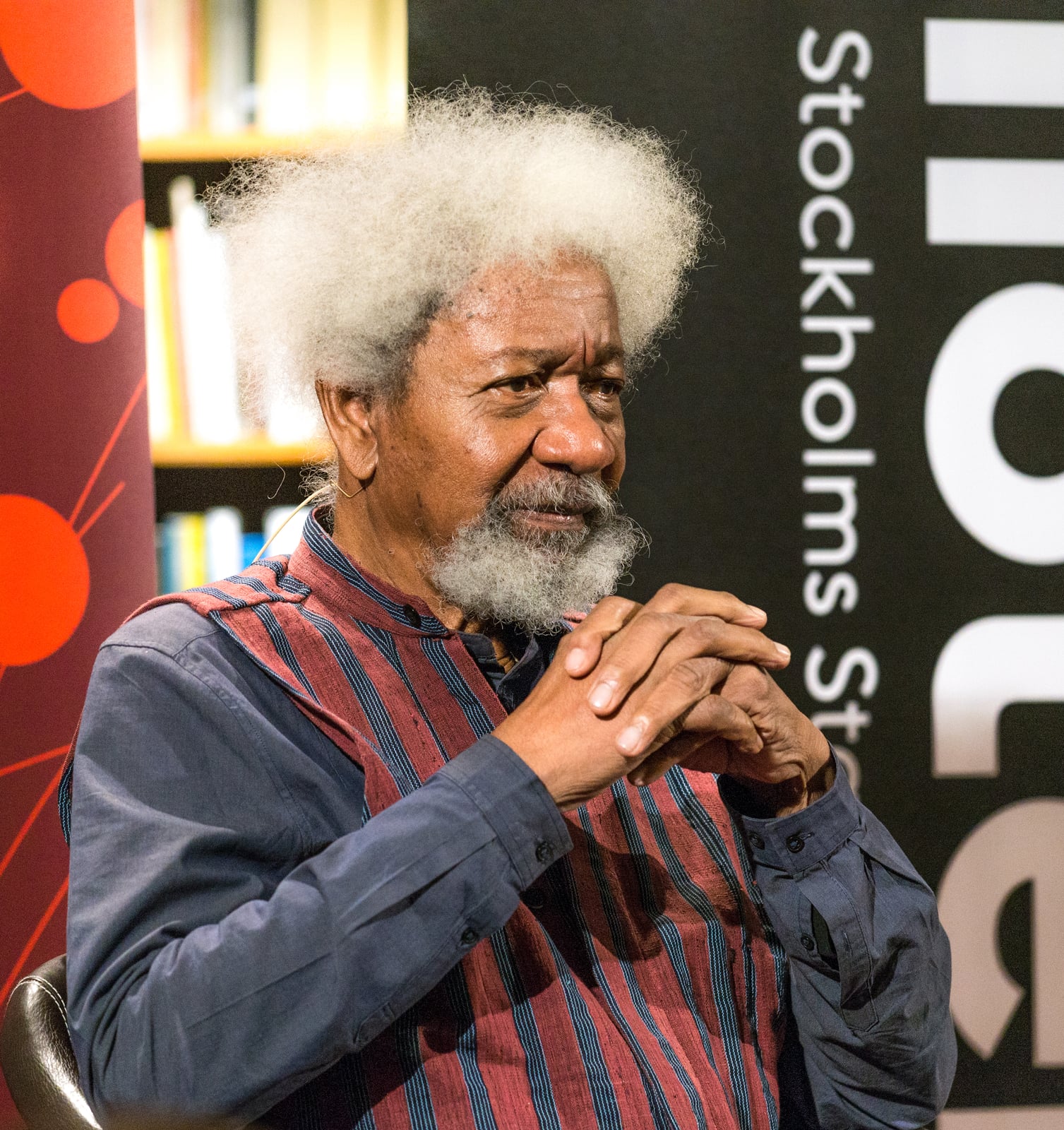
Wole Soyinka
84% Profile Match
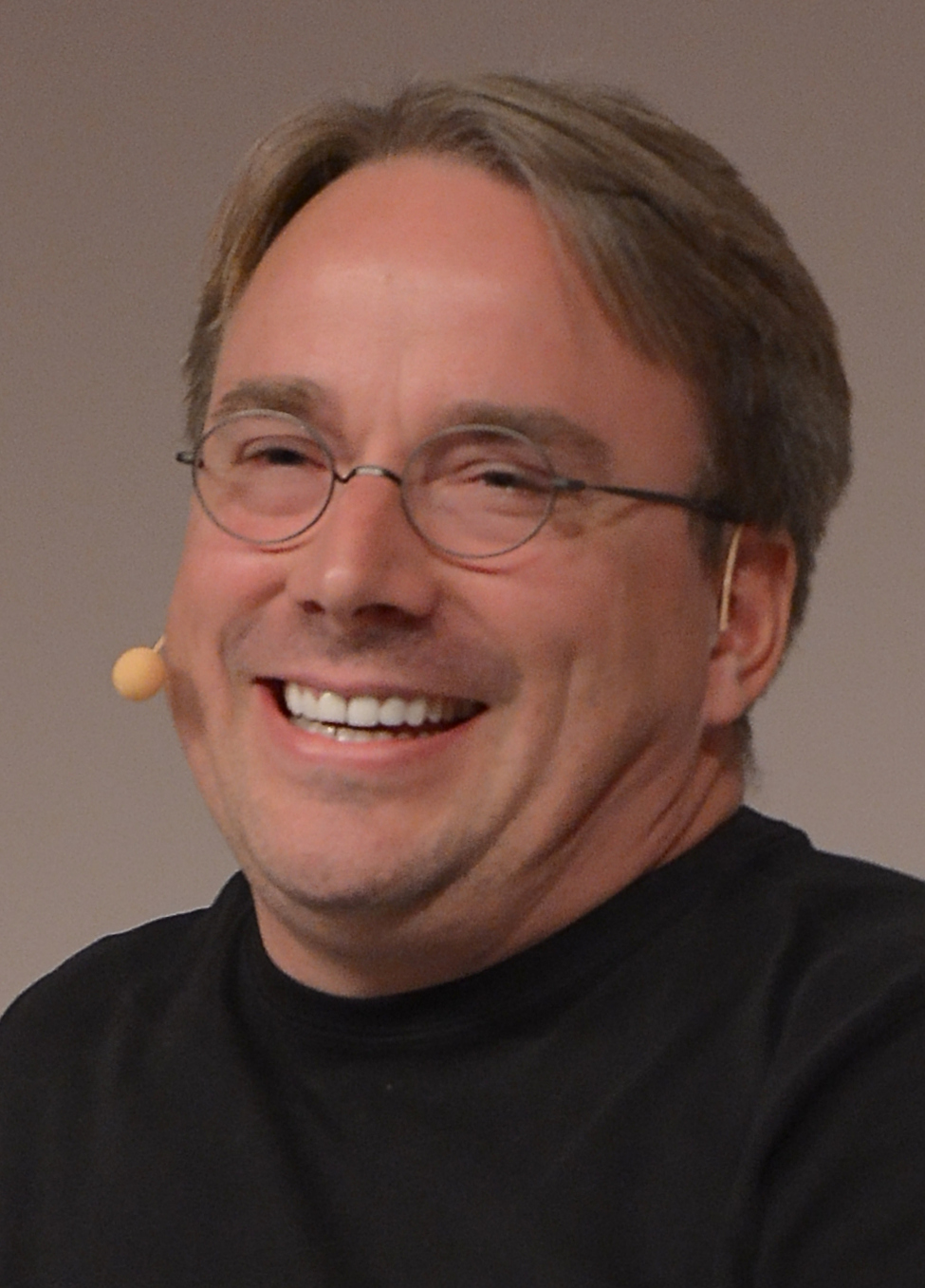
Krd (photo); Von Sprat (crop), Wikimedia Commons, CC BY-SA 4.0 · Photograph by Krd of Linus Torvalds speaking at LinuxCon Europe, Duesseldorf, 15 October 2014 (cropped version by Von Sprat), via Wikimedia Commons · CC BY-SA 4.0
engineer · Contemporary
b. 1969
Not yet included in personality matching — the documented evidence doesn't yet cover enough of the personality model. Everything else on this page is fully available.
In August 1991 Torvalds, then a student at the University of Helsinki, told comp.os.minix readers he was making a free operating system for 386 PCs, 'just a hobby'; he put the kernel source on a Finnish FTP server in October 1991. The Linux kernel he began now runs the large server fleets of companies such as Google and Amazon and the phones that use Android, according to The New Yorker, and he still has final say over what enters the main kernel.
The first Linux sources carried a licence that barred distribution for a fee; Torvalds, who held nearly all the copyright, replaced it with the GNU General Public License, the licence in use for the kernel since. Eric Raymond later described his style of releasing early and often, delegating widely and treating users as co-developers as the 'bazaar' model, and LWN reports that subsystem maintainers feed their trees to him for merging into a single mainline.
In 2005, after BitMover withdrew the free BitKeeper licence the kernel developers had been using, Torvalds wrote the distributed version-control system Git himself. Linux Journal reports it was hosting its own development within days and the kernel's within weeks; he then handed its maintenance to Junio Hamano. LWN later described Git as the dominant version-control system in software development.
On 29 January 1992 the operating-systems professor Andrew Tanenbaum posted 'LINUX is obsolete' on comp.os.minix, calling a monolithic design a step back. Torvalds answered the same day with a sharp reply that conceded microkernels were nicer in theory but defended Linux as available now; the next day he posted an apology for the tone of that reply while still disagreeing that Linux was obsolete.
Answering an established professor in public the same day, and in blunt terms, shows a readiness to stay in open disagreement. Conflict Tolerance
When BitMover ended the free BitKeeper licence in 2005, Linux Journal and LWN report that Torvalds, rather than adopt one of the open-source alternatives that had been built for him, stopped kernel work and wrote Git. He later wrote that this was the time he had left kernel development for a while because he 'needed to write a little tool called git'.
Building the missing tool himself, instead of waiting for one to appear, fits a pattern of creating his own opportunities. Proactive Agency
On 16 September 2018 Torvalds posted to the kernel mailing list an apology to people his personal behaviour had hurt, said he would take a break to get help on how to behave differently, and asked Greg Kroah-Hartman to finish the 4.19 release. The New Yorker reported that he had defended his abrasive style as recently as 2013; he returned about a month later and the kernel adopted a revised code of conduct.
Publicly changing course after years of defending his style shows a position being revised in response to others' objections, though slowly. Belief Updating
People whose overall profiles resemble theirs.

Not a rival — a different profile shape worth a look.
