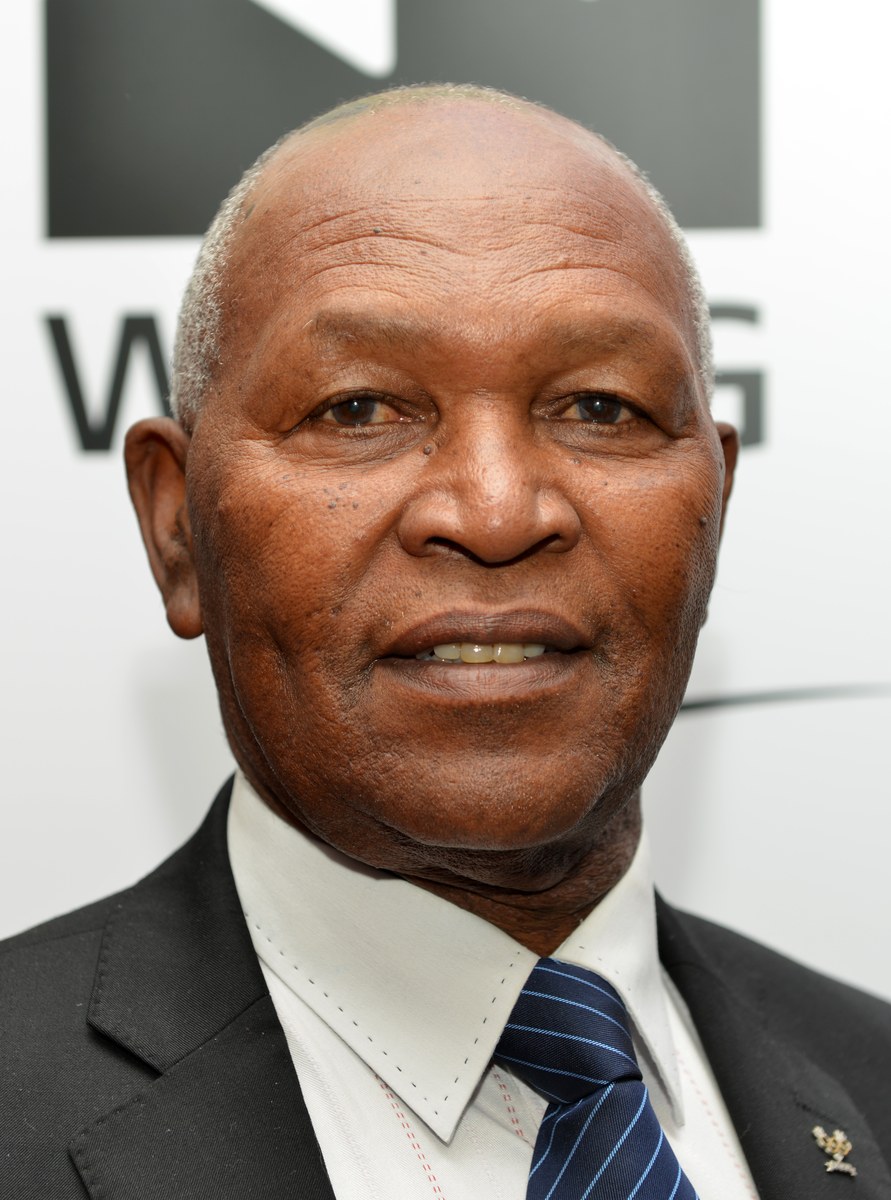
Photo: Ralf Roletschek, 10 January 2014, CC BY 3.0, resized from the original · Wikimedia Commons, '14-01-10-tbh-012-kipchoge-keino.jpg' -- Ralf Roletschek's own work, taken 10 January 2014 at a reception in Tauberbischofsheim; downscaled from 3524 x 4744 pixels to 891 x 1200 with no cropping · CC BY 3.0
Trait Constellation
Key Achievements
Won the 1968 Olympic 1,500 m and the 1972 Olympic 3,000 m steeplechase, adding two silver medals, after setting world records at 3,000 m and 5,000 m in 1965.
Became the first great Kenyan middle- or long-distance runner, inspiring many of his countrymen and women to follow in distance running.
After retiring in 1973, he and his wife built a home, schools and a foundation for orphans in Eldoret, and he led Kenya's National Olympic Committee from 1999 to 2017.
Moments That Reveal Them
At the 1968 Olympics he set a fast pace from the front in the 1,500 m to blunt the favourite Jim Ryun's finishing kick, and won by 20 m.
This is consistent with a race plan built around a known rival's strength. Planning Orientation
In 1987 a Sports Illustrated reporter found the Keinos housing 29 orphans on their farm, paying school fees from a shop and farm income.
This is consistent with a long-running commitment to helping others that he funded himself. Impact Motivation
Turning Points
After retiring from the track in 1973 he turned to farming, a school and an orphanage in Eldoret, work the Bristol citation says came to eclipse his role as a champion.
This is consistent with a shift of purpose from personal competition to community building. Impact Motivation
Similar People
People whose overall profiles resemble theirs.


Mahatma Gandhi

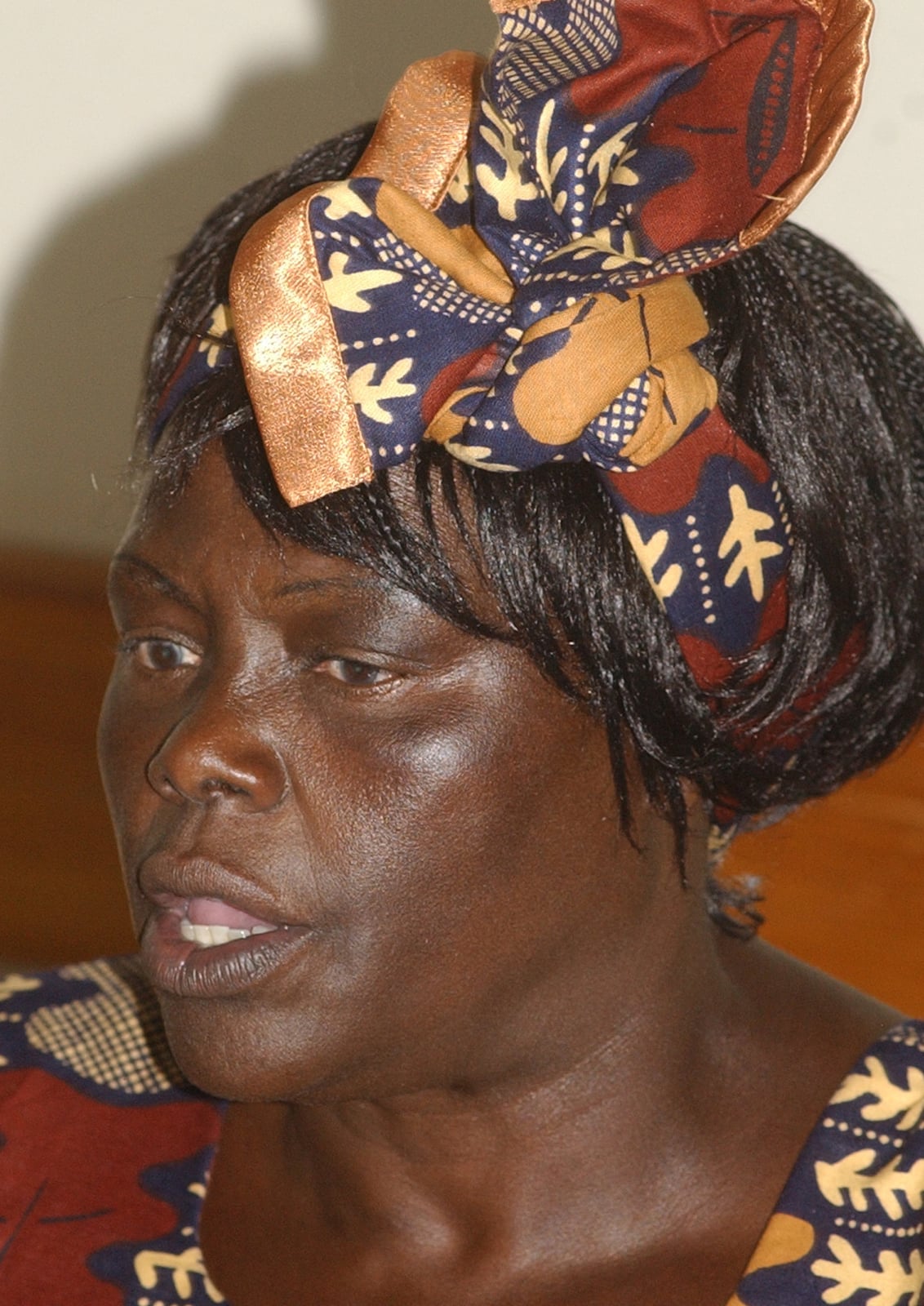
Wangari Maathai

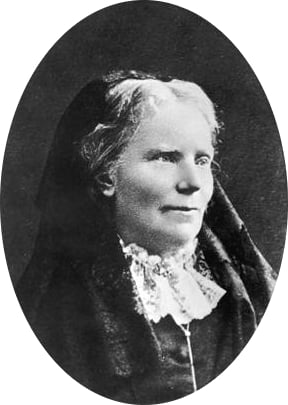
Elizabeth Blackwell

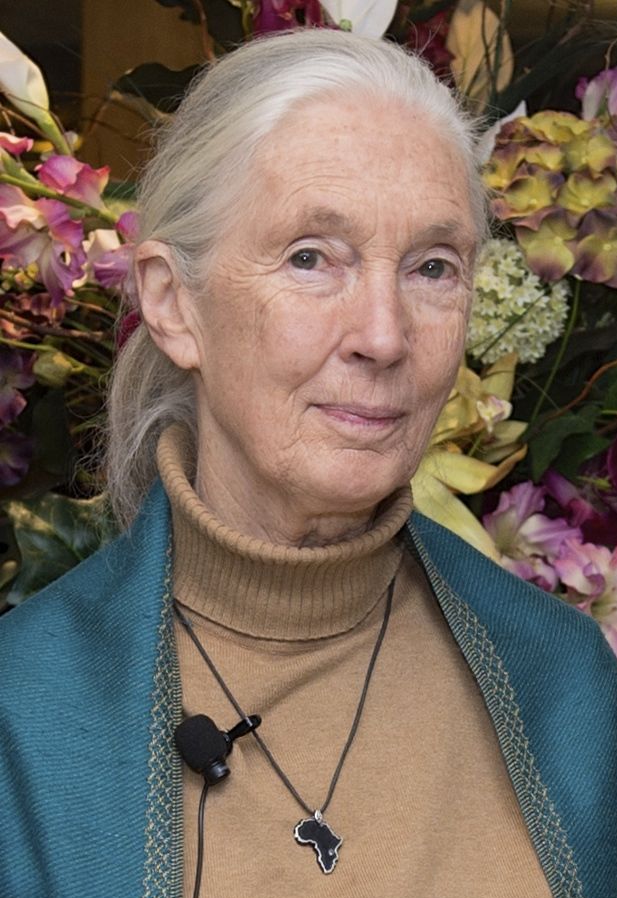
Jane Goodall

Toussaint Louverture
Opposite Profile
Not a rival — a different profile shape worth a look.

Leonardo da Vinci
Sources
- Kip Keino (Q28947), verified live via the Wikidata API (2026-10-31): label 'Kip Keino', description 'Kenyan athlete', born 17 January 1940, no death date, Korean label present. Orientation only; not used as support for any row.
- Wikipedia, 'Kipchoge Keino', fetched for orientation (dates, Olympedia id). Orientation only; never counted as support for any row.
- Olympedia, 'Kip Keino' athlete biography, read in full: states he was the first great Kenyan middle- or long-distance runner and inspired many fellow countrymen; lists his 1962-1973 career, world records (3,000 m 7:39.6 and 5,000 m 13:24.2 in 1965), 1968 and 1972 Olympic results (two golds, two silvers), his charitable foundation for orphans, his role as president of the Kenyan Olympic Committee, the 1996 World Sports Humanitarian Hall of Fame and 2012 IAAF Hall of Fame inductions and the first Olympic Laurel in 2016. CANONICAL SIGNIFICANCE SOURCE: the standard Olympic results archive and biography. Concise, favourable, written by the archive's editors.
- Encyclopaedia Britannica, 'Kip Keino', read in full: Kenyan distance runner with four Olympic medals; 1965 world records at 3,000 m and 5,000 m; the 1968 1,500 m in which he and teammate Ben Jipcho set a furious pace to negate Jim Ryun's finishing kick and won by 20 m; the 1972 steeplechase gold and 1,500 m silver; that he and his wife took in more than 100 orphaned children; later president of the National Olympic Committee of Kenya. Reference article; the health details in it were not used.
- University of Bristol, honorary degree citation for Kipchoge Keino (Doctor of Laws, 17 July 2007; orator Bob Reeves), read in full: an institution's account of his career, the 1968 pacing tactic against Ryun, the 1972 steeplechase win in an event he had rarely run, retirement in 1973, the farm, primary school and orphanage in Eldoret, his Olympic Committee chairmanship and a Bristol-Kenya schools project; quotes him naming the orphanage as his proudest achievement. Ceremonial and admiring; the orator's information partly came from the subject, so it is not fully independent.
- Sports Illustrated, 'They're All My Children' (21 December 1987), read in full via the Internet Archive copy: on-site magazine profile of the Keinos' Kazi Mingi farm near Eldoret, where 29 orphans then lived, more than 100 children had been housed over 23 years, the family ran a sporting-goods shop as main income, paid school fees, and said they did not beg for donations. Independent journalism on the observed work; the family's statements are first-hand and the tone is admiring. The 1987 date predates later developments.
- AthleticsAfrica republication of the IAAF announcement 'Kenya's Keino set for IAAF Hall of Fame Induction' (2 July 2012), read in full: the federation's account of the 1968 1,500 m front-running win in an Olympic record 3:34.91, the 1972 decision to take on the steeplechase despite little experience over the barriers, the 1,500 m silver and its president's tribute to his work building schools, an orphanage and an elite training facility. Federation press release, favourable by nature.
- Absa Kip Keino Classic event site, 'Kip Keino: Trailblazing legend who opened the floodgates' (16 July 2020), read in full: a profile compiled for the athletics meeting named after him; it lists his leadership posts (president of the National Olympic Committee of Kenya 1999-2017, IOC member 2000-2010, IOC commissions, chef de mission at the 1994 Commonwealth Games and 1996 Olympics), coaching of Kenyan teams in 1976 and 1984, and his records and honours. Event-promotion profile bearing his name, so partly self-affiliated; used only for dated roles and results, and it differs from Britannica on details of the 1965 records, which were not used from it.
- Kimathi Kamau, 'Kip made his name in 1968 Mexico Games', The Standard (Kenya), 12 March 2017, read in full: Kenyan press retrospective of the 1968 Games (the 20 m margin over Ryun), the 1972 steeplechase win and the later children's home and schools. It repeats the popular account and contains errors that conflict with Britannica and Olympedia (record details), so it is used only for the corroborating outline.