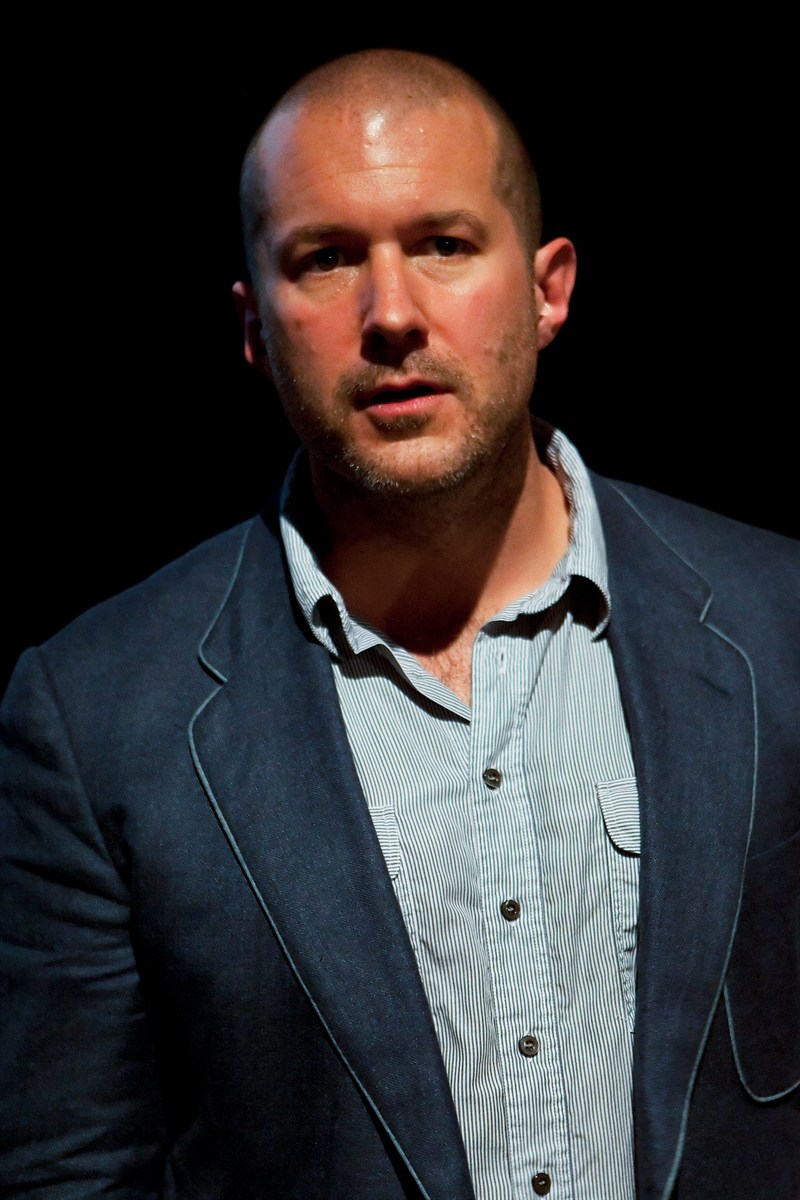
Photo: Gary Cohen (Flickr: glub), 16 April 2009, CC BY-SA 2.0, downscaled from the original · Wikimedia Commons, 'Jonathan Ive 2009.jpg' -- photograph credited on Commons to Gary Cohen (the Flickr source account is 'glub', and the Flickr page itself shows only that username, so the real-name credit rests on the Commons upload record), taken 16 April 2009 (EXIF and Flickr both 2009-04-16 13:00 UK time, Canon EOS-1D Mark III) at the London premiere of Gary Hustwit's documentary 'Objectified'; imported from Flickr (photos/glub/3453126580, 'Jonathan Ive Objectified') and Flickr-reviewed on Commons on 26 October 2011 as CC BY-SA 2.0; the Flickr page is no longer live (HTTP 404 on 15 October 2026), but the Internet Archive snapshot of 13 April 2024 shows 'Some rights reserved' with CC BY-SA 2.0 and the same title, description and date; the file carries no restriction or personality-rights template, and the original JPEG has no embedded copyright, artist or rights field. Original 2173 x 3260 pixels (sha1 matches the Commons record), downscaled once to 800 x 1200 (never upscaled). · CC BY-SA 2.0
product designer · Contemporary
Jony Ive
b. 1967
Known For
Not yet included in personality matching — the documented evidence doesn't yet cover enough of the personality model. Everything else on this page is fully available.
Trait Constellation
Key Achievements
From the mid-1990s he led Apple's industrial design team and, working closely with Steve Jobs, developed the 1998 iMac, a colourful translucent desktop computer that sold more than 2 million units in its first year; the Design Museum says it brought colour and light to computing, and Britannica says his work helped make design as central to a personal computer's appeal as its technical performance.
His team went on to design the iPod (2001), the iPhone (2007), the iPad (2010) and the MacBook; the Royal Academy of Engineering gave him its 2005 President's Medal for his design of the iPod, and in 2003 the Design Museum named him the first winner of its Designer of the Year award.
After Steve Jobs's death in 2011 his remit widened: he began the Apple Watch, launched in 2015, took charge of Apple's software design (Human Interface) as well as hardware in 2012, overseeing the iOS 7 redesign, and worked with Foster + Partners on the Apple Park campus.
Moments That Reveal Them
During the Apple Watch's development the software and interface teams held weekly reviews of the sound and feel of events such as an incoming call; Wired reports that Ive was the decider and was hard to please, rejecting versions as too metallic or not organic enough, and that it took more than a year to reach sounds and taps he was happy with.
This is consistent with an exacting standard for sensory detail. Perfectionism
By the end of 2011 prototypes of the future iPhone 6 were lined up in the studio at every tenth of an inch of screen size, from four inches to well over six. The New Yorker reports that Ive and his colleagues judged each by carrying it around for days: a 5.7-inch model that first felt right seemed too big after sleeping on it, and Tim Cook said the final sizes were not plucked from nowhere.
This illustrates a habit of testing design judgments against physical prototypes over several days rather than trusting a first impression. Experimentation
Turning Points
By the mid-1990s Ive was close to leaving Apple, according to a former London colleague, and the New Yorker reports that he had a resignation letter in his pocket when Steve Jobs returned as chief executive in 1997. Jobs visited the design studio, and Ive says they began working together that day on what became the iMac, which launched in the summer of 1998, about two and a half years after Ive took charge of the group.
This is consistent with staying committed through a stretch when his work was undervalued, then working in close partnership once the company's priorities changed. Persistence
Similar People
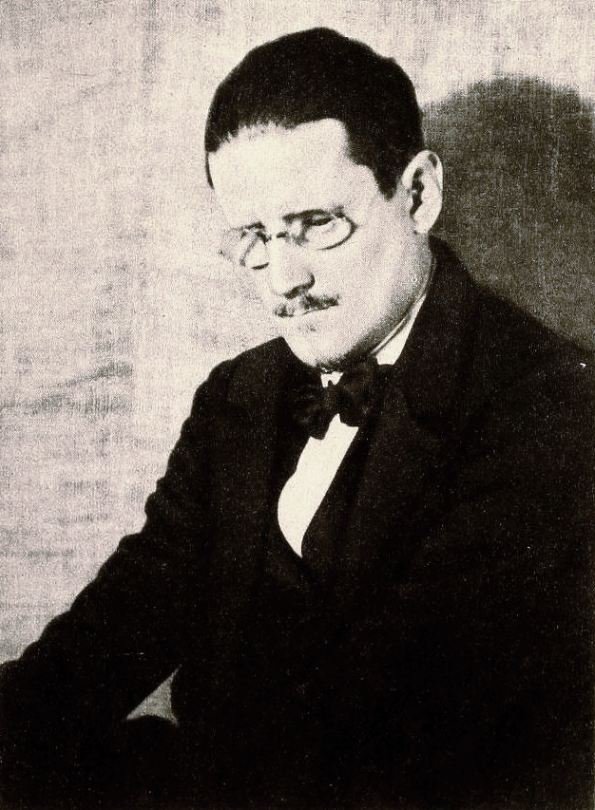
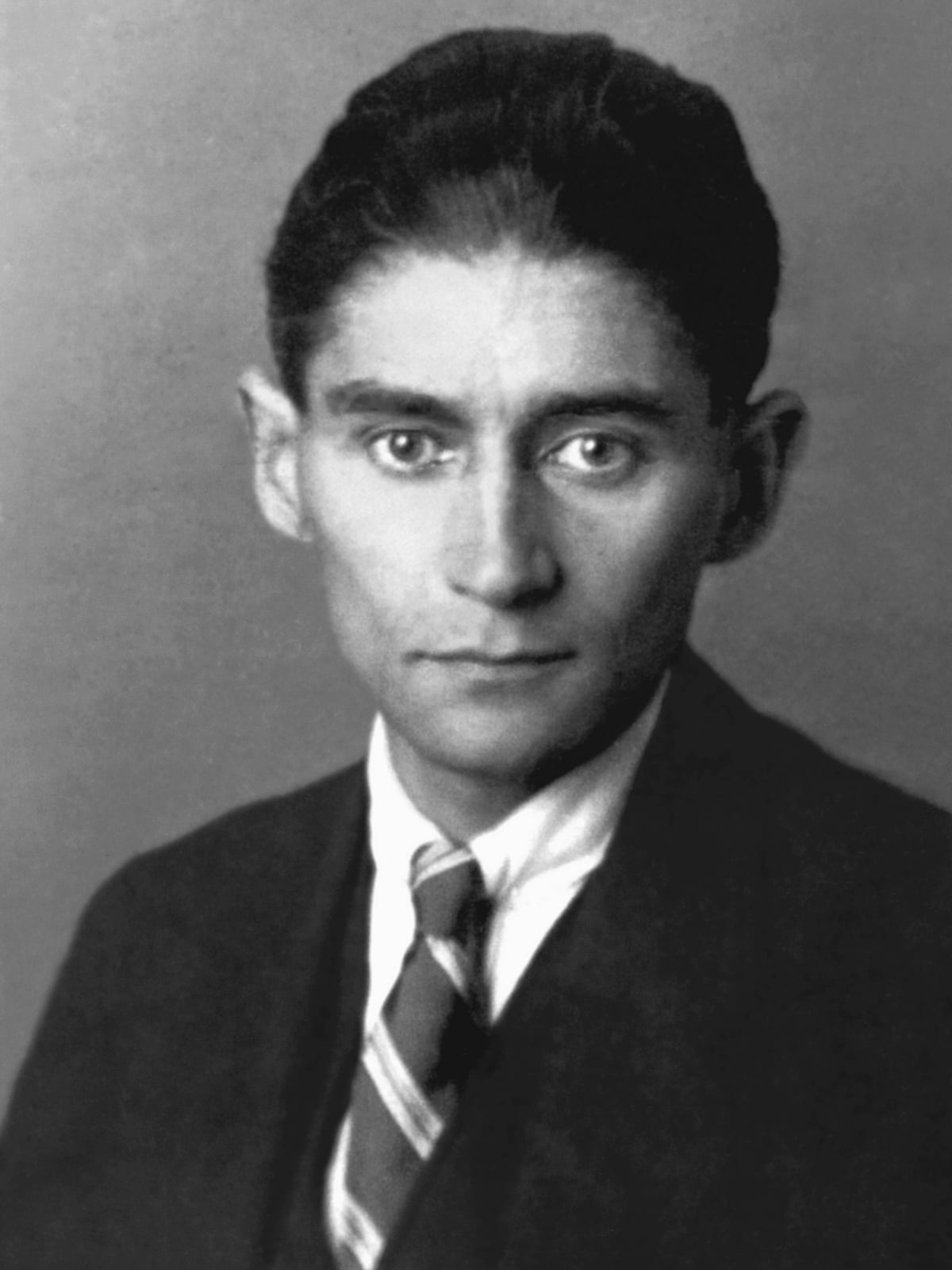
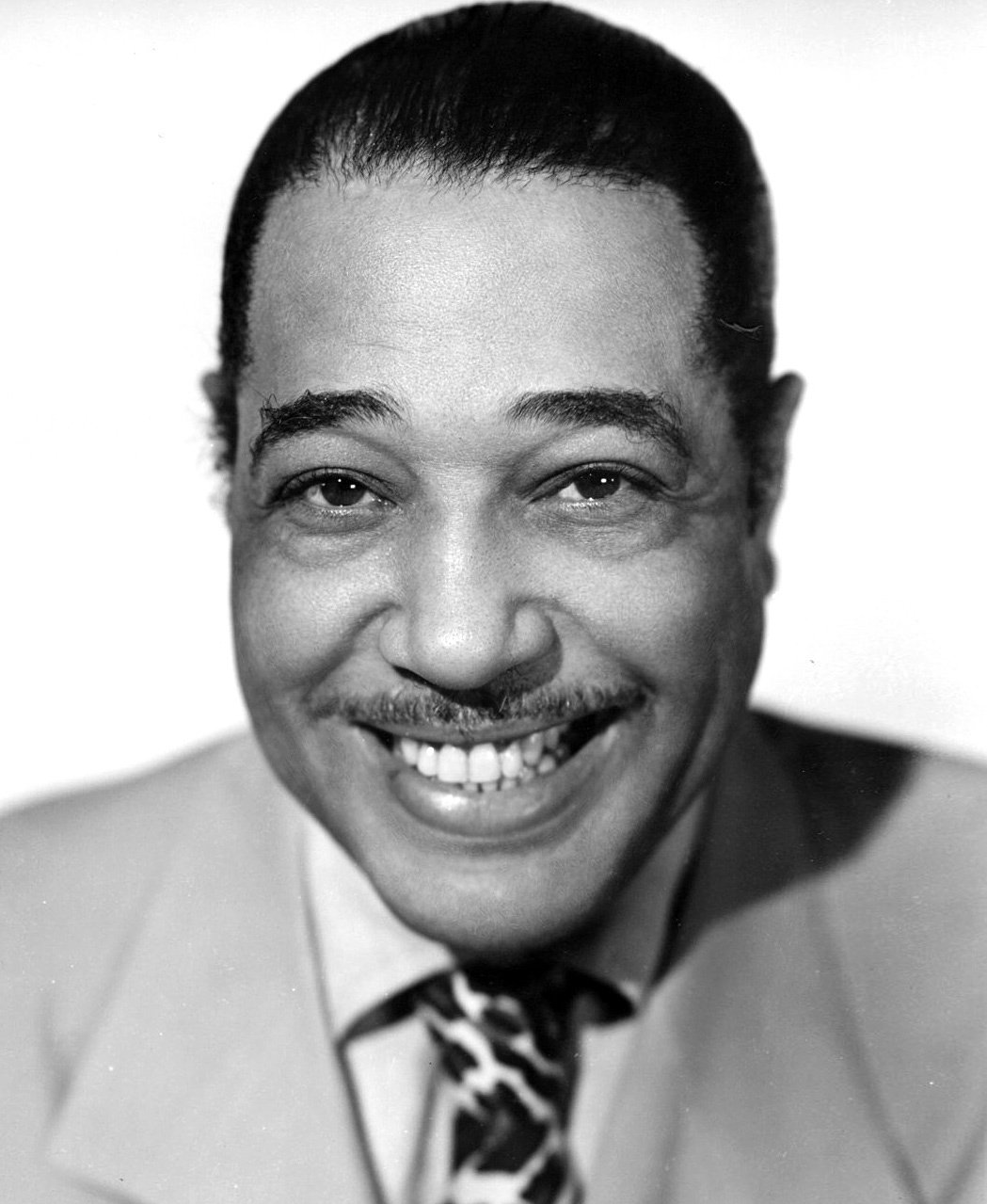
People whose overall profiles resemble theirs.

Charles Darwin

James Joyce

Franz Kafka

Wolfgang Amadeus Mozart

Duke Ellington
Sources
- Jony Ive (Q164750) -- verified live via the Wikidata API (2026-10-15): English label 'Jony Ive', description 'English designer and former Chief Design Officer at Apple (born 1967)', born 27 February 1967, no date of death, citizenship listed as United Kingdom and United States, Korean label present. Orientation only; not used as support for any row.
- Design Museum (London), 'Jonathan Ive' designer profile (page first posted 3 October 2014) -- museum profile of the winner of its inaugural Designer of the Year award (2003, for the iMac and iPod): says he combined 'fanatical care beyond the obvious stuff' (his phrase) with relentless experiments into new tools, materials and production processes; that working closely with Steve Jobs he developed the iMac, which sold more than 2 million units in its first year and brought colour and light to the drab world of computing; that he and a close-knit team applied the same attention to detail to later products; lists the iMac, iPod, MacBook Air, iPhone and iPad as innovations; and carries a timeline and a 2007 question-and-answer text in Ive's own words (SELF: used only to corroborate other accounts and for his stated reason for moving from consultancy to Apple). CANONICAL SIGNIFICANCE SOURCE (museum assessment of his primary contribution; honouring in tone). Read in full.
- Royal Academy of Engineering, President's Medal 'Previous winners' page -- lists the 2005 medal to Jonathan Ive (then Vice-President of Industrial Design at Apple) for outstanding achievements in engineering design, in particular the design of the iPod, which the Academy says represents the very best of human interface engineering. Academy citation (honouring), used for the achievement cards only. Read in full.
- Cooper Hewitt, Smithsonian Design Museum, 'Product Design: Jonathan Ive, Apple Inc.' National Design Awards profile (page dated 17 September 2019; the same text appears in the museum's 2007 product-design award announcement as reproduced by MacDailyNews, which was also read) -- says that since 1996 he has led an Apple product-design team widely regarded as one of the industry's best, that his streamlined aesthetic combined with knowledge of the engineering process brought design into public consciousness, that he made complex devices user-friendly and designed sculptural, desirable objects, and notes his Design Museum Designer of the Year title (2003) and his Royal Designer for Industry title. Museum and award-body statement (honouring), used for orientation and the achievement cards. Read in full.
- Encyclopaedia Britannica (Britannica Money), 'Jony Ive' biography by Janet Moredock, fact-checked by Britannica's editors -- encyclopaedic overview: a British industrial designer who helped make design as central to a personal computer's appeal as its technical performance during his time at Apple (1992-2019); Tangerine, joining Apple, the 1998 iMac (two million sold in 1998, helping deliver Apple's first profitable year since 1995), the G4 Cube, flat-panel iMac and PowerBook G4, shaping the iPod, iPhone and iPad, involvement in the Apple Watch and Apple Park, awards, the founding of LoveFrom and the 2021 Ferrari partnership. Reputable field overview used for orientation and the achievement cards; its dating of his senior-vice-president promotion is internally inconsistent (1997 and 2005) and was not relied on, its D&AD wording ('best design studio of the past 50 years') differs from D&AD's own 'most awarded' category, and its section on the OpenAI deal was not used. Read in full.
- Ian Parker, 'The Shape of Things to Come', The New Yorker, 16 February 2015 -- very long profile based on extended access to Ive and his design studio and on interviews with named colleagues, friends and critics (Robert Brunner, Clive Grinyer, Bob Mansfield, Jeff Williams, Dan Riccio, Paola Antonelli, Richard Seymour, Laurene Powell Jobs, Tim Cook and designers in the studio): the studio's prototyping workshop and team method, the 1997 meeting with Steve Jobs and the iMac, the dispute over his role in the iPod, the iPhone and Apple Watch processes, Human Interface and iOS 7, Apple Park, and critical notes (the hockey-puck mouse, the 'skinning' remark, a former colleague's remark about internal positioning, disposability and luxury pricing). Independent, balanced and sceptical in places. It also covers his family, homes, cars, wealth, health and Tim Cook's personal life, none of which was used. Read in full.
- David Pierce, 'Apple Watch: The Secret History of the iPhone Killer', Wired, 2 April 2015 (May 2015 issue) -- reporting on how the Watch was developed, mostly through named insiders Kevin Lynch and Alan Dye: Ive began studying horology after Steve Jobs's death and took the idea to Dye and a small group in the design studio, the first working prototype was an iPhone rigged to a wrist strap with a custom crown dongle, many Taptic prototypes were tested, and Ive was the decider who was hard to please on sounds and taps, which took more than a year. Independent, company-approved interviews and admiring in tone. Read in full.
- Ian Sample, profile of Jonathan Ive headlined 'He is the quintessential designer. He knows more than anyone what we will have in our hands in five years', The Guardian, 5 January 2007 -- short newspaper profile with colleagues and a former tutor: describes him dismantling an iBook on stage for over an hour and pointing to a tiny bespoke toolset built into its casing, his final-year project at Newcastle, the Tangerine period (he bought marine-biology books for ideas before pitching a bathroom suite) and quotes from Bob Young, Martin Darbyshire and the Design Council's David Kester. Independent and admiring; its family and home details and its career dates (which differ from other sources) were not used. Read in full.
- Jennifer Kabat, 'Jonathan Ive: Product Design', Metropolis, 1 January 2006 -- design-magazine profile of Ive and his small, secretive team: design, engineering and software developing in tandem, his interest in a product's internal architecture as well as its exterior, the iBook sleep light and iMac handle, the iMac G5 camera detail, and a culture in which colleagues feel safe failing together. Independent but admiring; its claim that no designer had quit conflicts with Parker's report that two had left. Read in full.
- Marcus Fairs, 'Jonathan Ive', Icon magazine, issue 004 (July/August 2003; online record dated 21 March 2007) -- interview the morning after his Designer of the Year win: the iMac, the second-generation iMac and the iPod, solutions that should seem inevitable, honest use of materials, no focus groups, early collaboration with Steve Jobs and the hardware and software teams, and prototyping and iterating (mostly Ive's own words; the writer describes the team as craftspeople rather than stylists). Read in full.
- Philip Elmer-DeWitt, 'A fireside chat with Apple's Jonathan Ive', Fortune, 1 July 2009 -- short report on his talk at the Royal College of Art that relays the BBC's Rory Cellan-Jones: no focus groups, the physicality of design (a noisy workshop, visits to Japanese aluminium craftsmen, a preference for making a physical prototype), and the Apple design ethic. Secondary and mostly Ive's own talk. Read in full.
- Emilie Chalcraft, 'Apple named best design studio of past 50 years at one-off D&AD ceremony', Dezeen, 20 September 2012, reproducing D&AD's press release -- D&AD's 50th-birthday awards to the entrants with the most Pencils: Apple's design team received the Design Studio and Brand awards, with D&AD crediting the 'inspirational leadership of Sir Jonathan Ive' and the care the team puts into development. D&AD's own category is 'most awarded' (by Pencil count), which Dezeen's headline paraphrases as 'best'. Independent design press plus award-body text; honouring. Read in full.
- Rose Etherington, 'Jony Ive "more important to Apple now than Steve Jobs was"', Dezeen, 13 December 2013 -- interview with Leander Kahney about his biography of Ive: the iMac as the turning point, the Jobs-Ive partnership, a design-led culture of iterative prototyping (about six prototypes before the iPhone), designers who take a product from conception to manufacture, and his view that Apple would be in trouble if Ive left. Opinionated and admiring, with one prediction that proved wrong (he did not expect Apple to make a watch). Secondary account of the biography's findings. Read in full.
- Augusta Pownall, 'Jony Ive to leave Apple and start an independent design company', Dezeen, 28 June 2019 -- news report of the announcement that he would leave Apple later that year to found LoveFrom with Apple as a client, with statements from Ive and Tim Cook, the successor arrangement (Evans Hankey and Alan Dye reporting to Jeff Williams), his Financial Times remarks and his work with Foster + Partners on Apple Park. Independent news report largely reproducing company statements. Read in full.
- Josh Centers, 'Jony Ive Leaving Apple to Form a New Company', TidBITS, 27 June 2019 -- short Apple-news commentary that credits him with the original iMac, iPod and iPhone but lists flops during his tenure (the iPod Hi-Fi, round Mac Pro, Magic Mouse 2 and first-generation Apple Pencil) and argues that a 'fetish for thinness' drove unpopular decisions such as the butterfly keyboard. Opinion rather than reporting; reader comments under the piece were not used. Critical independent voice. Read in full.
- Todd Haselton, 'Apple is finally willing to make gadgets thicker so they work better', CNBC, 13 November 2019 -- technology column arguing, as a stated theory, that post-Ive Apple products traded some thinness for function (battery life, a better keyboard), crediting Ive with great products while saying thinness sometimes came at the cost of function, and noting a Bloomberg report that the glass at Apple Park led people to walk into windows. Independent, partly critical commentary that is speculative about causes. Read in full.
- University of Oxford Department of Computer Science, 'Apple's Chief Design Officer Sir Jonathan Ive to receive honorary degree', 31 March 2016 -- the nominating department's announcement of his honorary degree at Encaenia on 22 June 2016, describing his influential contributions to industrial design as chief designer of products including the original iMac, iPod and iPhone and saying they changed how people think about and interact with technology. Institutional and honouring. Read in full.
- University of Cambridge, 'Honorary Degrees 2016' news page with its honorand biographies -- reports that a Doctor of Science was conferred on Sir Jonathan Ive in recognition of his impact on the world of computing and in making technology approachable through design, and that he is credited with introducing elegance, purity and beauty to personal-computer design; the biography says his team designed the iMac, PowerBook, iBook, iPod, iPhone, iPad, Apple Watch and MacBook, that Steve Jobs referred to him as his creative partner, that six of his products are in the permanent collection of the Museum of Modern Art, and lists his Design Museum, Royal Society of Arts, CBE (2006) and KBE (2012) honours. Institutional and honouring. Read in full (the other honorands' entries were not used).
- Jennifer Hahn, 'Jony Ive and Marc Newson shun touchscreens for interior of Ferrari's first electric car', Dezeen, 13 February 2026 -- report on the Ferrari Luce interior and interfaces designed with LoveFrom: mechanical controls, a CNC-machined recycled-aluminium steering wheel, buttons developed through more than 20 evaluation tests with Ferrari test drivers, a colour-changing key fob and a material palette of recycled aluminium and glass. Largely relays Ferrari's and the design team's statements; the only post-Apple project used in this profile. Read in full.
- Kirkus Reviews, review of Leander Kahney's 'Jony Ive: The Genius Behind Apple's Greatest Products' (released 14 November 2013) -- short trade review calling the book an adulating biography of Apple's design chief, built on many interviews with designers and former Apple employees despite Apple's secrecy; used only to calibrate how admiring the biographical literature is (its remarks on early life and health were not used). Read in full.
- Wikimedia Commons file page 'Jonathan Ive 2009.jpg', with the Internet Archive snapshot (13 April 2024) of the Flickr photo page it was imported from (the live Flickr page now returns 404) -- checked for the portrait's licence: photograph credited on Commons to Gary Cohen (Flickr account 'glub') taken 16 April 2009 at the London premiere of the documentary 'Objectified', Flickr-reviewed on Commons on 26 October 2011 as CC BY-SA 2.0; the archived Flickr page shows 'Some rights reserved', licence CC BY-SA 2.0, title 'Jonathan Ive Objectified', taken 16 April 2009. Not used for any scoring.