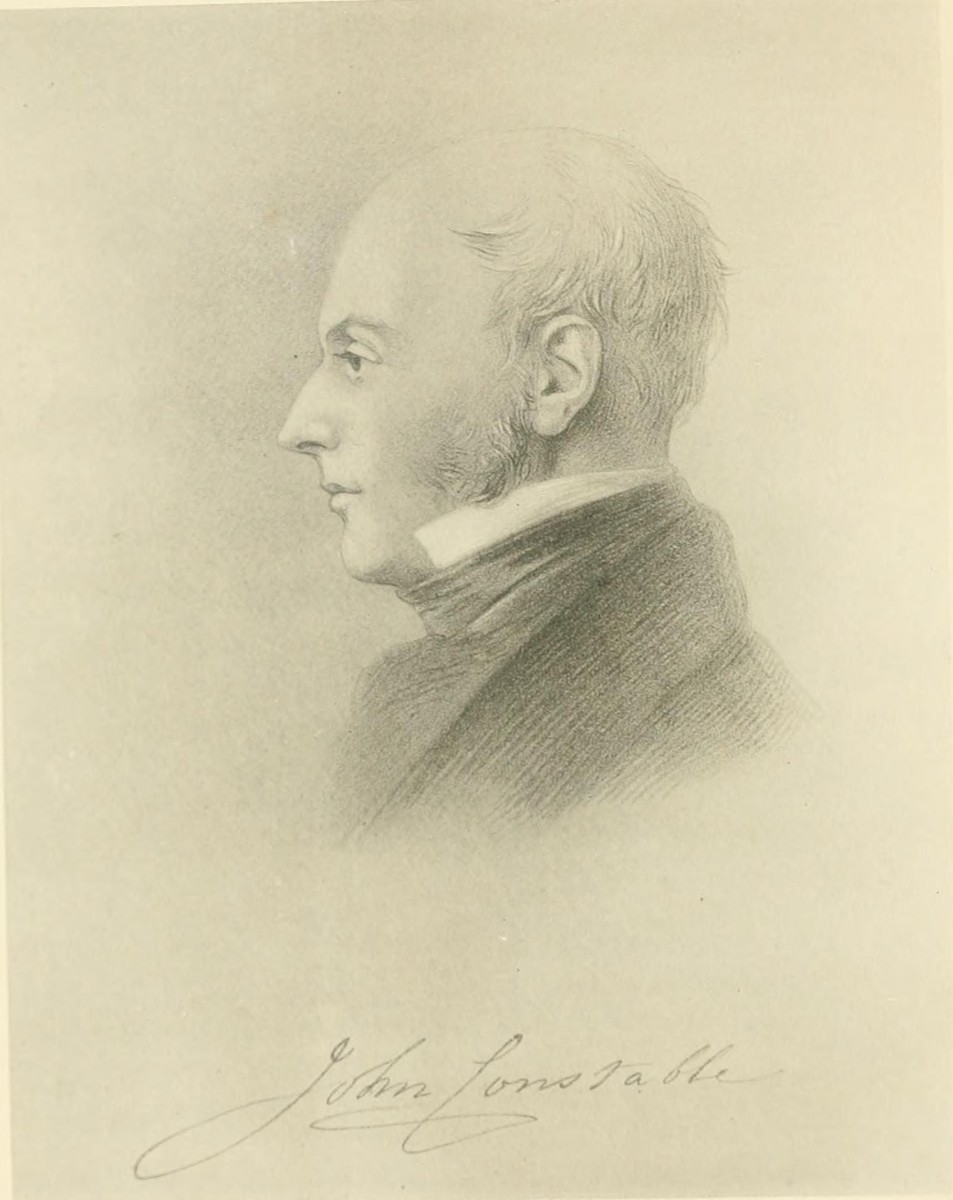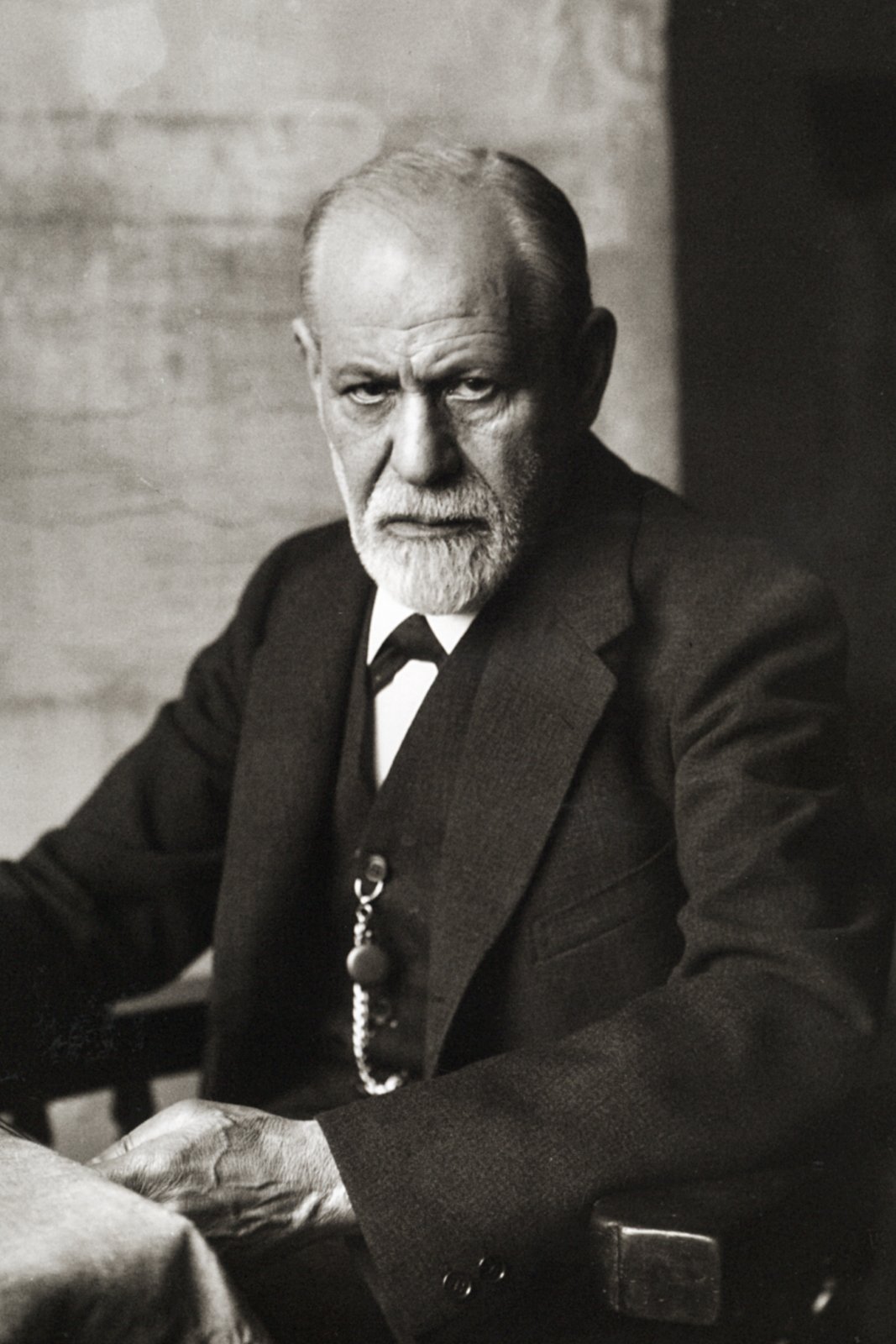

After a drawing by Charles Robert Leslie, frontispiece of Life and Letters of John Constable, R.A., London, 1896, public domain, via the Internet Archive · Frontispiece plate 'From a drawing by C. R. Leslie, R.A.' in Charles Robert Leslie, Life and Letters of John Constable, R.A., Chapman and Hall, London, 1896, digitised by the Internet Archive from a University of California Libraries copy. The sitter is identified by the book, the caption and the printed signature. The page scan was 2300 x 3163 pixels; this project cropped the plate and reduced it to 953 x 1200 pixels, never enlarging it · Public Domain (book published in 1896; the drawing's author, Charles Robert Leslie, died in 1859)
painter · 19th Century
John Constable
1776–1837
Known For
Not yet included in personality matching — the documented evidence doesn't yet cover enough of the personality model. Everything else on this page is fully available.
Trait Constellation
Key Achievements
Transformed English landscape painting with fresh, naturalistic views of the Suffolk countryside, built on outdoor oil sketches and studies, with the National Gallery crediting him with influence on French Romantic and Barbizon painters.
Painted a series of six-foot Stour landscapes from 1819 to 1825, each prepared with a full-size oil sketch; The Hay Wain (1821) won him a gold medal from Charles X at the 1824 Paris Salon.
Made about a hundred studies of clouds at Hampstead from 1819, published the mezzotint series English Landscape (1830-32), and lectured on landscape painting from 1833 to 1836.
Moments That Reveal Them
For the Hay Wain he made a small oil sketch and then a full-scale oil sketch before painting the final canvas in his London studio from years of outdoor studies.
This is consistent with a staged, planned way of building a large picture. Planning Orientation
In a letter of October 1821 he wrote that he did not count himself at work unless he was before a six-foot canvas, and that he had done a good deal of skying that summer.
This is consistent with a settled commitment to a demanding scale of work, though it is his own account. Mastery Orientation
Turning Points
In 1824 the dealer John Arrowsmith bought the unsold Hay Wain and two other pictures and took them to the Paris Salon, where Charles X awarded Constable a gold medal.
This is consistent with recognition arriving first abroad for an approach that had found little buyers at home. Persistence
Similar People
People whose overall profiles resemble theirs.


Warren Buffett

James Joyce

Rosalind Franklin

Martha Graham

Sigmund Freud
Sources
- John Constable (Q159297), verified live via the Wikidata API (2026-11-04): English label 'John Constable', description 'English painter (1776-1837)', born 1776-06-11, died 1837-03-31, Korean label present. Orientation only; not used as support for any row.
- C. R. Leslie, 'Life and Letters of John Constable, R.A.' (Chapman and Hall, London, 1896; a revised edition of the 1843 Memoirs by his friend and fellow painter), read through the Internet Archive full text (University of California Libraries copy): chapters and letters covering his six-foot canvases and the preparatory sketches, the 1821 letter saying he did not consider himself at work unless before a six-foot canvas, his election as Associate (1819) and Academician (10 February 1829), the dealer's purchase and Paris exhibition of the Hay Wain, and the editor's introduction answering Ruskin's charge of 'unteachableness'. Written by a close friend and largely made of Constable's own letters, so admiring and self-report; used with the independent museum sources.
- Tate, artist biography 'John Constable 1776-1837', read in full: dated chronology (Royal Academy Schools 1799, first exhibited 1802, Associate 1819, The Hay-Wain 1820-21, Paris Salon gold medal 1824, Lille gold medal 1826, Academician 1829, English Landscape prints 1830-32, lectures on landscape painting 1833-36), his devotion to the local landscape and the hundred or so cloud studies made at Hampstead from 1819. CANONICAL SIGNIFICANCE SOURCE (with the National Gallery and V&A pages).
- The National Gallery, London, artist page 'John Constable', read in full: known for Suffolk landscapes, largely self-taught and slow to develop, exhibited at the Royal Academy from 1802, made many open-air oil sketches as the basis for large exhibition paintings finished in the studio, influenced the Barbizon School and the French Romantic movement, and was less well received in England than in Paris during his lifetime. CANONICAL SIGNIFICANCE SOURCE.
- The National Gallery, London, catalogue page 'The Hay Wain' (NG1207), read in full: shown in 1821 as 'Landscape: Noon' and unsold, preceded by a small oil sketch and a full-scale oil sketch, painted in the studio from years of open-air studies, sold in 1824 with two other pictures to the dealer John Arrowsmith for 250 pounds, shown at the Paris Salon where Charles X awarded Constable a gold medal, with its departure from classicising landscape noted.
- Victoria and Albert Museum, article 'John Constable', read in full: says his work transformed the genre of landscape painting, describes laborious outdoor studies, exhibition paintings built from oil sketches, drawings and earlier paintings sometimes over several years, full-scale preparatory sketches for the six-foot Stour pictures, the cloud studies of the early 1820s, little success for many years because he rejected prevailing norms, election as Royal Academician only in 1829 aged 52, and a shift to outdoor sketching and watercolour after 1829. Notes its own inconsistencies (Stonehenge medium/date) and that it says nothing about Paris.
- Victoria and Albert Museum, article 'John Constable's sketches', read in full: small outdoor oil sketches on board and paper (in 1825 he said his sketches were done in the lid of his box on his knees), varied paint handling, the unusual practice of full-size oil sketches for exhibition paintings, dated examples (Study of Cirrus Clouds 1822, Full-Scale Study for The Hay Wain about 1821), and a contemporary reviewer's praise of the sketches; also says the public expected polished finished pictures, which he found difficult to produce.