Jane Austen
88% Profile Match
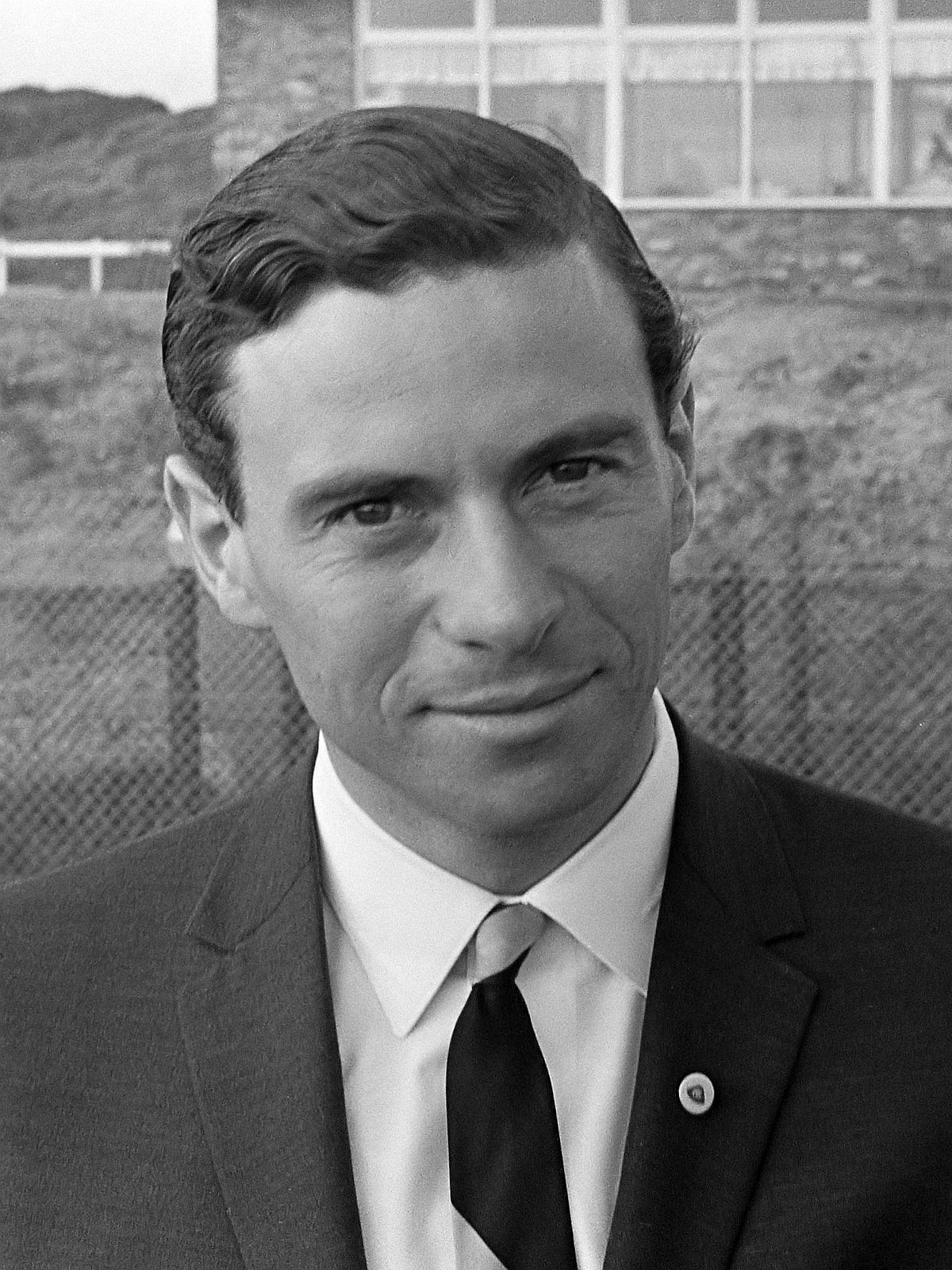
Photograph of Jim Clark, Fotocollectie Anefo, Nationaal Archief (2.24.01.05, item 918-4009), photographer unknown; the archive's own record gives rights holder 'Nationaal Archief, CC0' · Nationaal Archief (Netherlands), Fotocollectie Anefo, item 918-4009 (NL-HaNA 2.24.01.05), via Wikimedia Commons 'File:Jim_Clark_1965.jpg'; downsized from 1510 x 2013 to 1200 x 1600, quality 85 · CC0 1.0 Universal (Public Domain Dedication)
Driving for Colin Chapman's Team Lotus, Clark won the Formula One World Championship in 1963 and 1965. The Formula 1 website records seven championship race wins in 1963 and six of ten races in 1965. Motor Sport adds that across 72 World Championship grands prix between 1960 and 1968 he finished second only once, and that 82 per cent of his 274 points came from wins.
On 31 May 1965 Clark won the Indianapolis 500 in a rear-engined Lotus 38 with a Ford V8, leading 190 of the 200 laps after finishing second in 1963 and retiring from a challenging position in 1964. Motor Sport's contemporary report said his win established the rear-engine pattern at Indianapolis, as the Cooper-Climax had done in grand prix racing in 1959. The winner's share of the purse was $166,621.
Clark also won and placed in many kinds of car outside Formula One. He won four of the seven races of the 1965 Tasman Series; on the 1966 RAC Rally he set three fastest stage times in a Lotus Cortina before rolling it; and in 1967 he started a NASCAR race at Rockingham, climbing from 24th to 13th before his engine failed.
In practice for the 1967 Dutch Grand Prix, the debut of the Lotus 49, Clark refused to drive the new car until a broken ball-race in the right-rear hub, which he had sensed the previous day and his mechanics had not found overnight, was traced and fixed. Motor Sport says he had been unable to try the car before the weekend because of a change in his tax status; he qualified eighth and won, leading from lap 15.
Refusing to drive until a fault he had felt was found, in a car he had never tried, is consistent with attention to detail; the same essay says an ability to drive around problems could also complicate testing sessions. Detail Orientation
At the 1963 Indianapolis 500, leader Parnelli Jones's car was dropping oil on the track, and Clark, whose Lotus was then the fastest car, fell back and finished second. According to Motor Sport, the next day Jones came to blows with Eddie Sachs, while Clark smiled, shook the winner's hand and made no fuss in public. Nigel Roebuck writes that two years later Clark won the race with Jones second, which in Clark's mind was the right response.
Shaking hands rather than protesting is consistent with a low tolerance for open conflict; Gurney and others in the Motor Sport features say the Lotus team felt Indianapolis officials were hostile, so the restraint also kept relations workable. Conflict Tolerance
On Boxing Day 1958 at Brands Hatch, Clark raced a Lotus Elite against Lotus founder Colin Chapman in an identical car. Chapman, who Motor Sport says got the better of it after a backmarker intervened, noticed Clark's pace, and afterwards invited him to race a Lotus Formula Junior; he joined Team Lotus for the latter part of the 1960 Formula One season. The Formula 1 website adds that Clark had come to racing reluctantly, entered in cars by wealthy friends who urged him on.
Racing the team owner flat out in a first meeting is consistent with competitiveness; the Formula 1 profile also shows others' initiative put him in those cars, so the opening was shared rather than self-engineered. Competitiveness
People whose overall profiles resemble theirs.




Not a rival — a different profile shape worth a look.