Nellie Bly
94% Profile Match
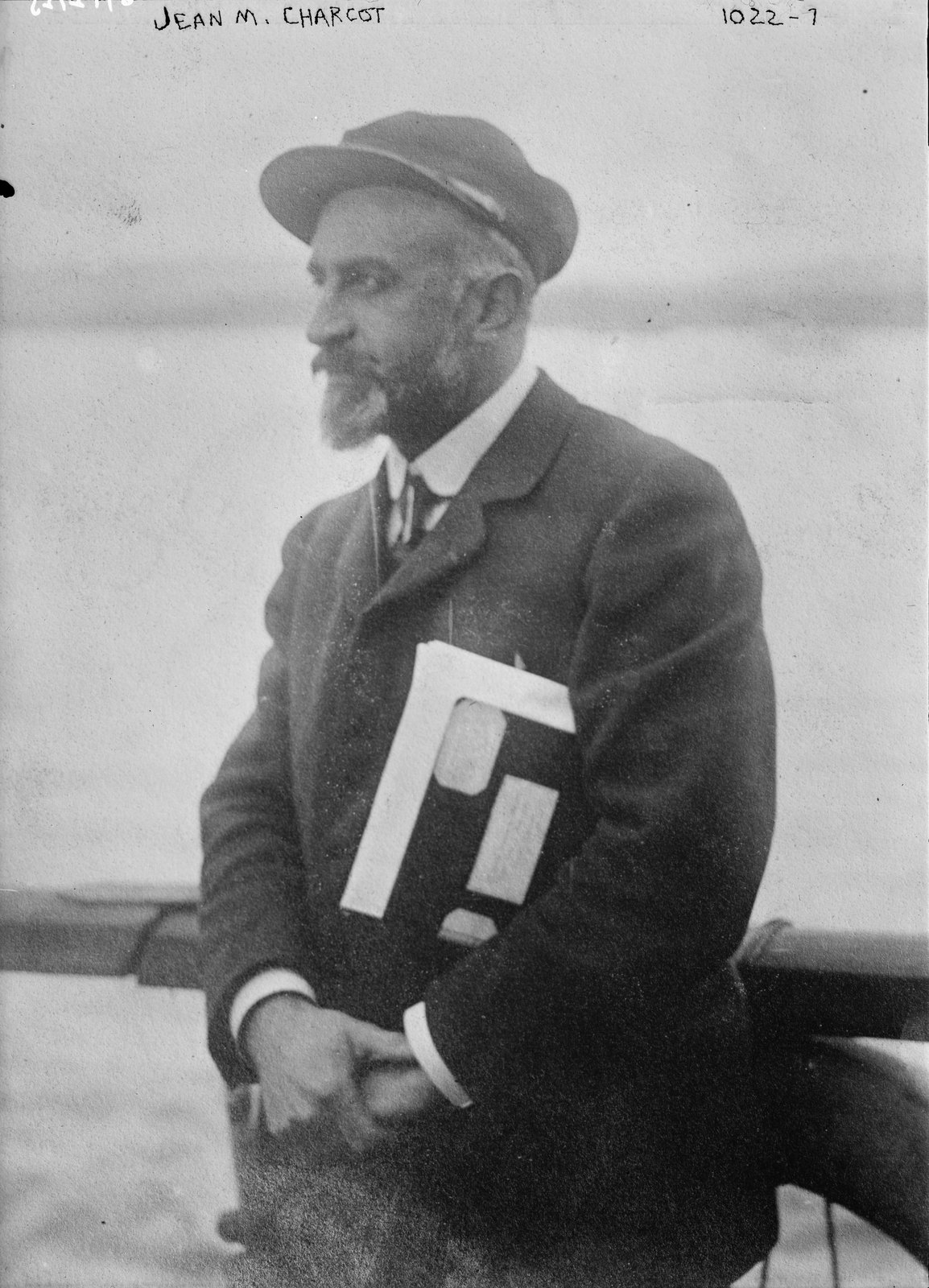
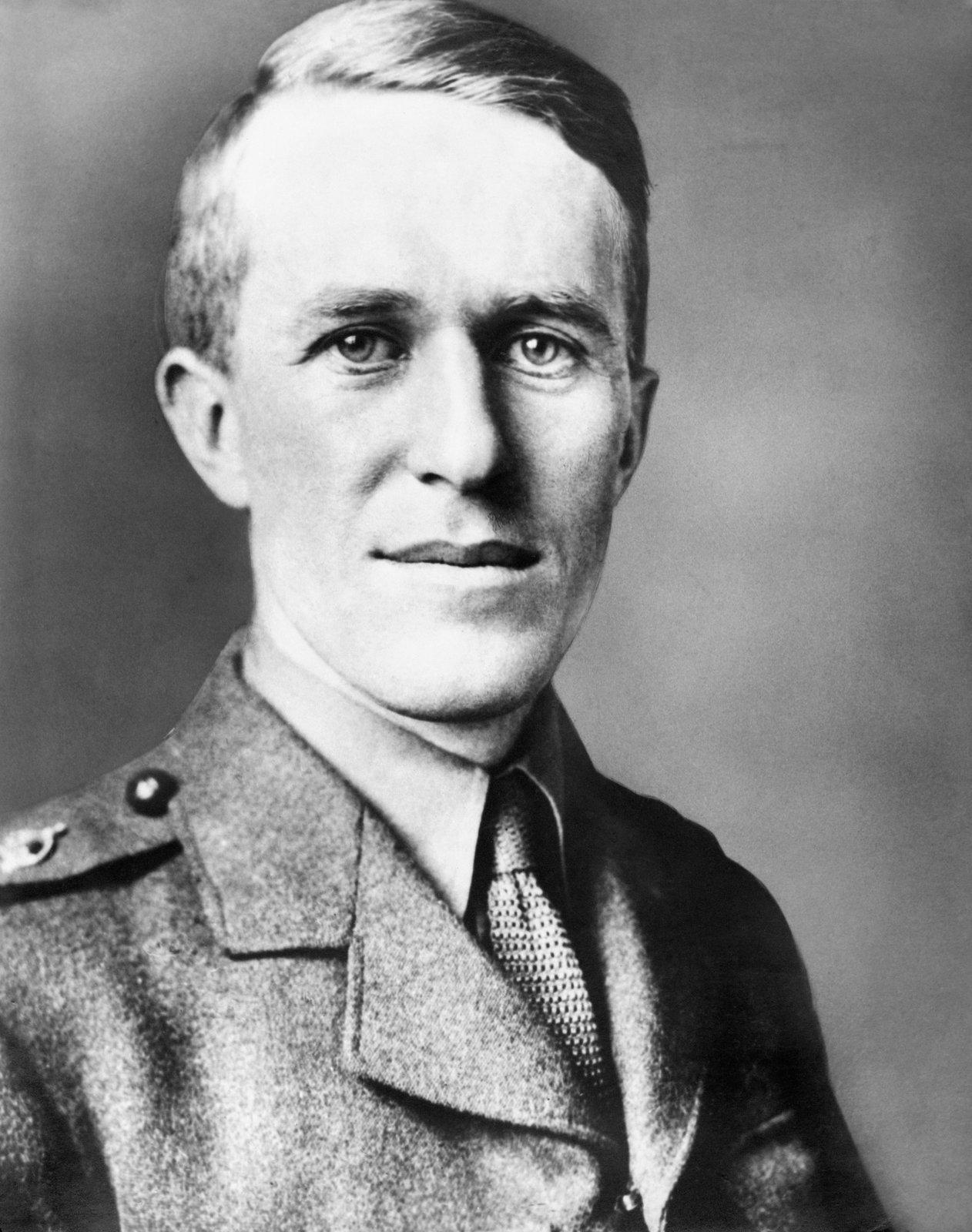
Bain News Service photograph of Jean-Baptiste Charcot, 12 June 1925, Library of Congress, George Grantham Bain Collection; resized from the original scan, not altered otherwise · Library of Congress, Prints and Photographs Division, George Grantham Bain Collection (Bain News Service, 12 June 1925), digital ID ggbain.04801, via Wikimedia Commons; the Bain caption reads 'Jean M. Charcot' · Public domain (Bain News Service photograph, 1925; the Library of Congress reports no known copyright restrictions on its Bain collection)
explorer · 20th Century
1867–1936
Not yet included in personality matching — the documented evidence doesn't yet cover enough of the personality model. Everything else on this page is fully available.
Charcot led the French Antarctic Expedition of 1903-1905 in the Français, a three-masted ship built for it at Saint-Malo. The Linda Hall Library calls it the first French Antarctic expedition. It wintered at Wandel Island and surveyed about a thousand kilometres of previously unknown coast and islands on the west side of the Antarctic Peninsula, bringing back 75 cases of collections, notes and measurements for the Paris Natural History Museum; the French Navy's magazine says he took ten specialists covering every discipline.
In the Pourquoi-Pas? (1908-1910) Charcot wintered at Petermann Island, then pushed south and west along the peninsula, charting about 2,000 kilometres of coast. He named Marguerite Bay, sighted a new land at about 70 degrees south that he named Charcot Land after his father (it is now known to be an island), and in January 1910 passed in sight of Peter I Island, which no one had seen since Bellingshausen in 1821. The results were published in a long series of volumes. In 1912 Roald Amundsen wrote that Charcot had opened up 'a large extent of the unknown continent' and that the scientific results were extraordinarily rich.
After the First World War Charcot made the Pourquoi-Pas? a research ship for northern waters. General Perrier counts seventeen annual Arctic cruises from 1920 to 1936, those after 1924 mostly to east Greenland, and the Danish survey history records seven visits to the Scoresby Sund region. In 1931-33 the ship helped set up the French station at Scoresby Sund for the International Polar Year and later brought it home; each cruise was written up in a report by Charcot, alongside the work of the scientists he carried.
At Deception Island in late 1909 a diver told Charcot that the Pourquoi-Pas? had lost part of her stem and keel and that a slight knock could sink her. According to Oulie, who draws on his journal, he asked the diver and the whaling manager to keep it between themselves and decided to carry out the summer campaign; the ship went south, sighted the new land and turned north on 22 January 1910. Sources differ on how fully he told his officers and crew at the time.
Carrying on with a ship he knew to be badly damaged, to reach a goal he saw as a national one, is consistent with a high tolerance for physical risk; the same sources record near-losses earlier in the expedition, so the stance cut both ways. Risk Tolerance
On 29 June 1921 the Pourquoi-Pas? reached Rockall, an Atlantic islet that Alfred Lacroix says had been landed on only twice, in 1840 and 1863. Charcot took a boat himself, ready to help, while two seamen jumped onto the weed-covered rock and chipped samples for an hour; a second party landed on 1 July. Lacroix's study of the samples, which he had asked Charcot to seek, showed that the rock is mainly a granite rather than the type of rock earlier named after the islet.
Choosing a dangerous, unglamorous target after earlier failed attempts, and organising the boats himself, is consistent with curiosity about a scientific question; the account is by Lacroix, a friend who had urged the voyage, so it is admiring. Curiosity
In April 1903, with a ship being built at Saint-Malo for an Arctic cruise, Charcot wrote to his companion Paul Pleneau that they would go south instead: the north would need much deeper penetration, while in the south little had been explored. The Linda Hall Library and the French Navy magazine tie the change to the news that Otto Nordenskjold's Swedish expedition was missing; Nordenskjold was in fact rescued later that year. A newspaper subscription and state grants covered the cost, and the Francais left in August 1903.
Redirecting an almost-finished ship and a planned programme on his own initiative, then raising the money through a public subscription, is consistent with proactive agency. Proactive Agency
People whose overall profiles resemble theirs.