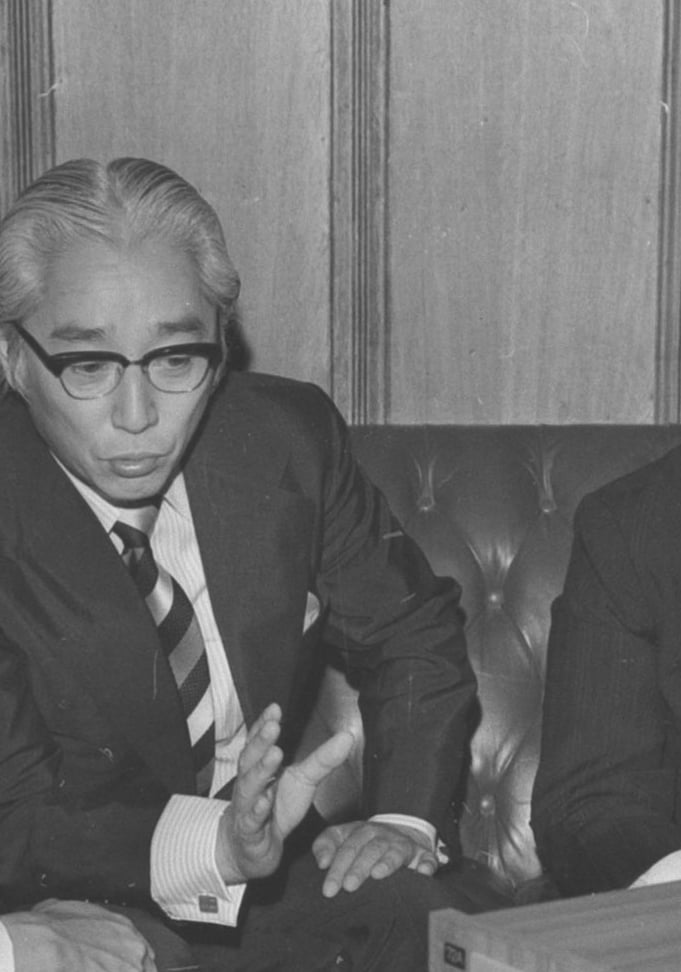
Akio Morita
90% Profile Match

Konrad Jacobs, Erlangen / Oberwolfach Photo Collection · Oberwolfach Photo Collection · CC BY-SA 2.0 DE
Founded and directed the Tata Institute of Fundamental Research in 1945, and was separately appointed founding chairman of the Atomic Energy Commission of India in 1948.
Returned from a promising academic physics career in Britain to newly independent India specifically to build fundamental research capacity there, then persuaded both industrialist J. R. D. Tata and the Indian government separately to fund the new institute.
Designed India's nuclear program around a specific, integrated three-stage plan for long-term nuclear fuel self-sufficiency, spanning natural uranium, plutonium, and thorium fuel cycles.
Structuring a multi-decade national program as an explicit, sequenced plan rather than a series of ad hoc decisions is part of the basis for the profile's systems_abstraction score. Systems Thinking
Pursued serious painting and art collecting throughout his scientific and institution-building career, personally curating art for the institutions he founded.
Sustaining this serious parallel pursuit alongside a demanding scientific career is part of the basis for the profile's curiosity score. Curiosity
People whose overall profiles resemble theirs.