Jane Goodall
90% Profile Match
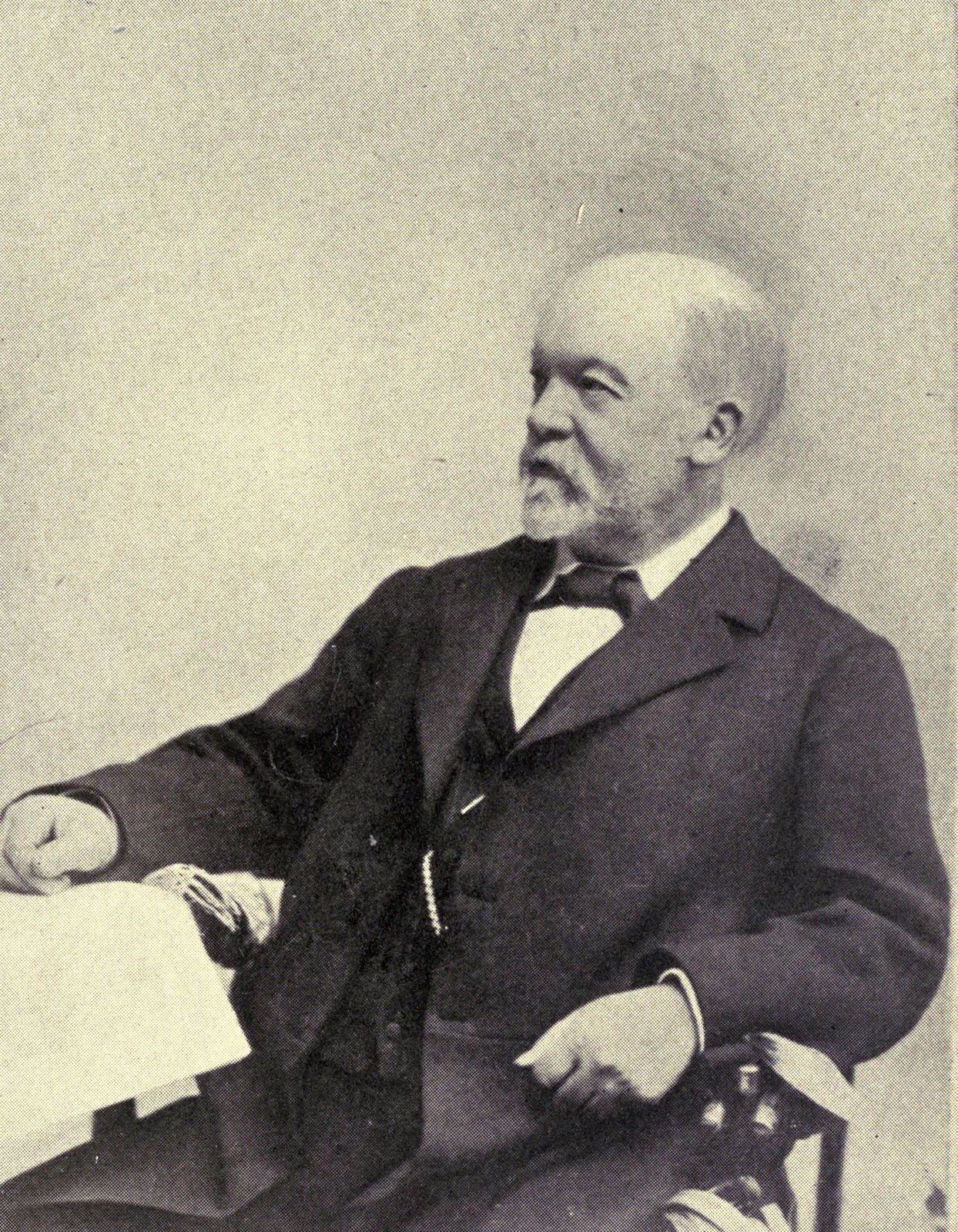
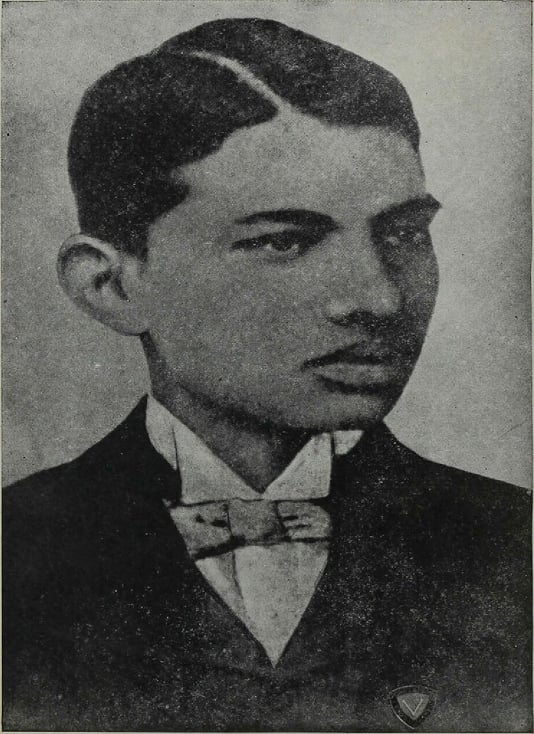
Photographer not named; portrait of Gottlieb Daimler, plate in Weeks, Automobile Biographies, New York 1904 (Internet Archive scan); public domain; cropped to the picture area and downscaled · Portrait plate 'Gottlieb Daimler' in Lyman Horace Weeks, Automobile Biographies (New York: The Monograph Press, 1904), facing p. 96; Internet Archive scan automobilebiogra00weekrich (University of California Libraries copy, status NOT_IN_COPYRIGHT) · Public domain (halftone reproduction of a photograph, published in the United States in 1904; photographer not named in the book)
engineer · 19th Century
1834–1900
Not yet included in personality matching — the documented evidence doesn't yet cover enough of the personality model. Everything else on this page is fully available.
Working from a greenhouse workshop in Cannstatt with Wilhelm Maybach, Daimler patented a small uncooled engine with hot-tube ignition in December 1883. It ran at about 600 rpm, against 120 to 180 for existing engines. The 'grandfather clock' engine followed (patented 3 April 1885, 0.7 kW at 600 rpm, with a closed crankcase), and in 1886 a carburettor patent let it burn petrol. Mercedes-Benz Classic says it cannot be settled which achievements belong to Daimler and which to Maybach.
Daimler's engine went into a wooden-framed two-wheeler, the 1885 'Riding Car' (patent DRP 36423), then into a four-wheeled carriage delivered in August 1886 and a motor boat tested on the Neckar the same month. Mercedes-Benz Classic calls the carriage the world's first four-wheeled automobile, following Carl Benz's patent car by a few months. The engine was also fitted to rail vehicles and to Wolfert's airship.
In September 1888 Daimler and the New York piano maker William Steinway set up the Daimler Motor Company, and in 1889 Panhard & Levassor in Paris took a licence for his French patents. On 28 November 1890 Daimler, Max Duttenhofer and Wilhelm Lorenz founded the Daimler-Motoren-Gesellschaft in Cannstatt. Daimler died in March 1900, before the Mercedes cars designed by Maybach's office were delivered later that year.
In 1888 the magazine Die Gartenlaube reported that for some months a rail car driven by a small Daimler petroleum motor had run at midday on a narrow track in Cannstatt, and that trial runs had been made on the Württemberg railway for ministers, railway directors and engineers. The motor, about 60 kg, had also driven boats on the Neckar, at Baden-Baden before the grand-ducal family, on Lake Constance and at Berlin with Navy Ministry officials.
Repeating the same engine in rail, draisine and boat trials in several places before official audiences is consistent with experimentation; the article is an unsigned, uncritical report, so it shows the trials rather than their results. Experimentation
When Wilhelm Maybach left the new company in February 1891, Daimler kept him designing, first in Maybach's home and from 1892 in the rented rooms of the former Hotel Hermann in Cannstatt, which the Deutsche Patent- und Markenamt says Daimler financed. In 1895 Maybach turned down the DMG's invitation to come back without Daimler.
Keeping a designer working at his own expense while himself still inside the quarrelling company, and the designer's refusal to return without him, is consistent with collaboration; the credit for the work remains disputed. Collaboration
In October 1894 DMG's board members Max Duttenhofer and Wilhelm Lorenz threatened to let the company go bankrupt unless Daimler sold them his shares (nominal value 200,000 marks) and the rights to his inventions at a third of nominal value, and he agreed. William Steinway's diary of 11 November 1894 records Daimler's letter on how he left the company. In November 1895 the board took him back as an adviser and general inspector, on the condition set by a British group led by Frederick Simms that was buying his British rights. He recovered the shares for 66,666 marks and became chairman of the supervisory board in March 1897.
Returning to the firm with Maybach after being forced out, rather than leaving the engine work, is consistent with persistence; the terms were set by the investors' need for British money, not by Daimler. Persistence
People whose overall profiles resemble theirs.