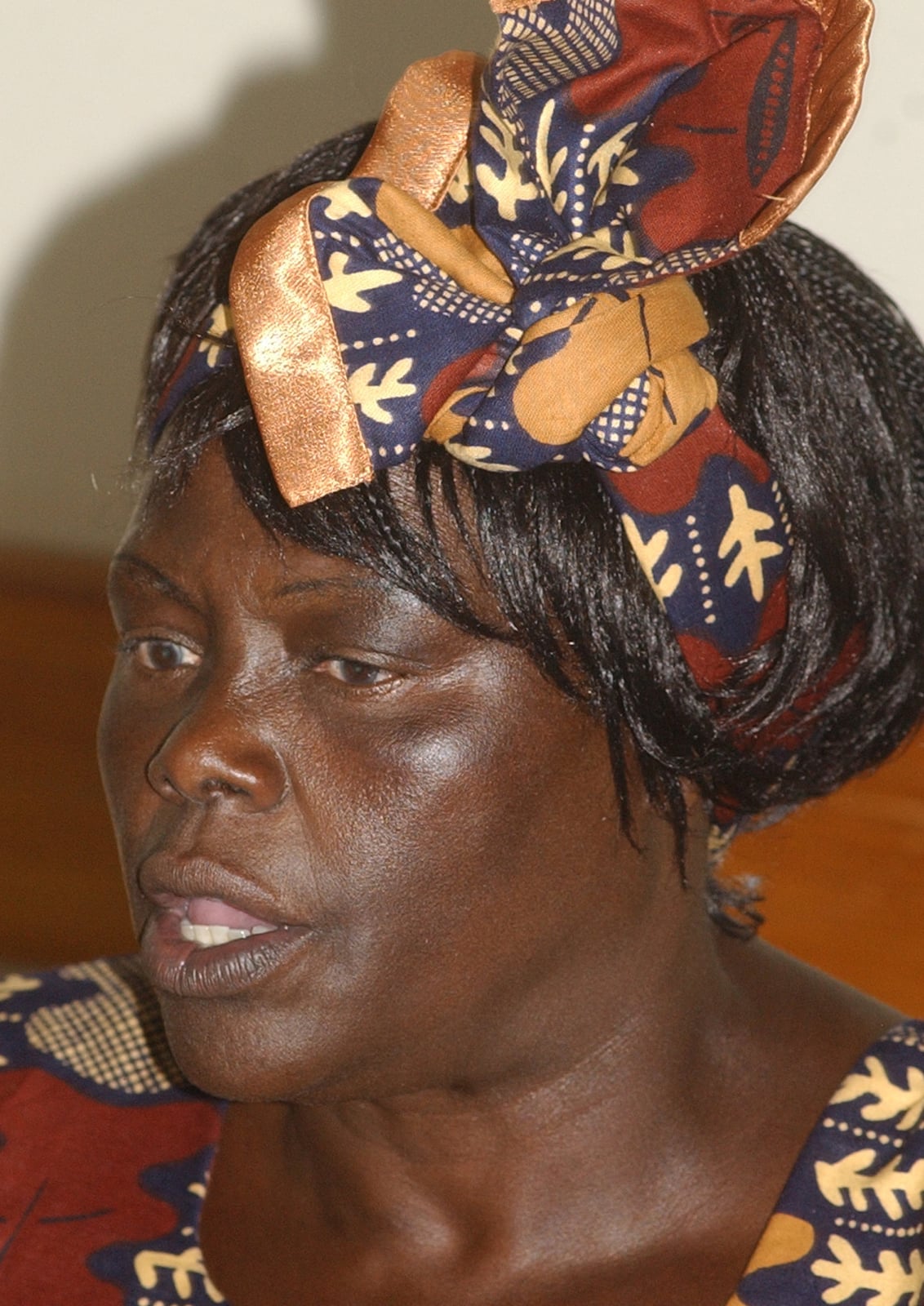
Wangari Maathai
92% Profile Match
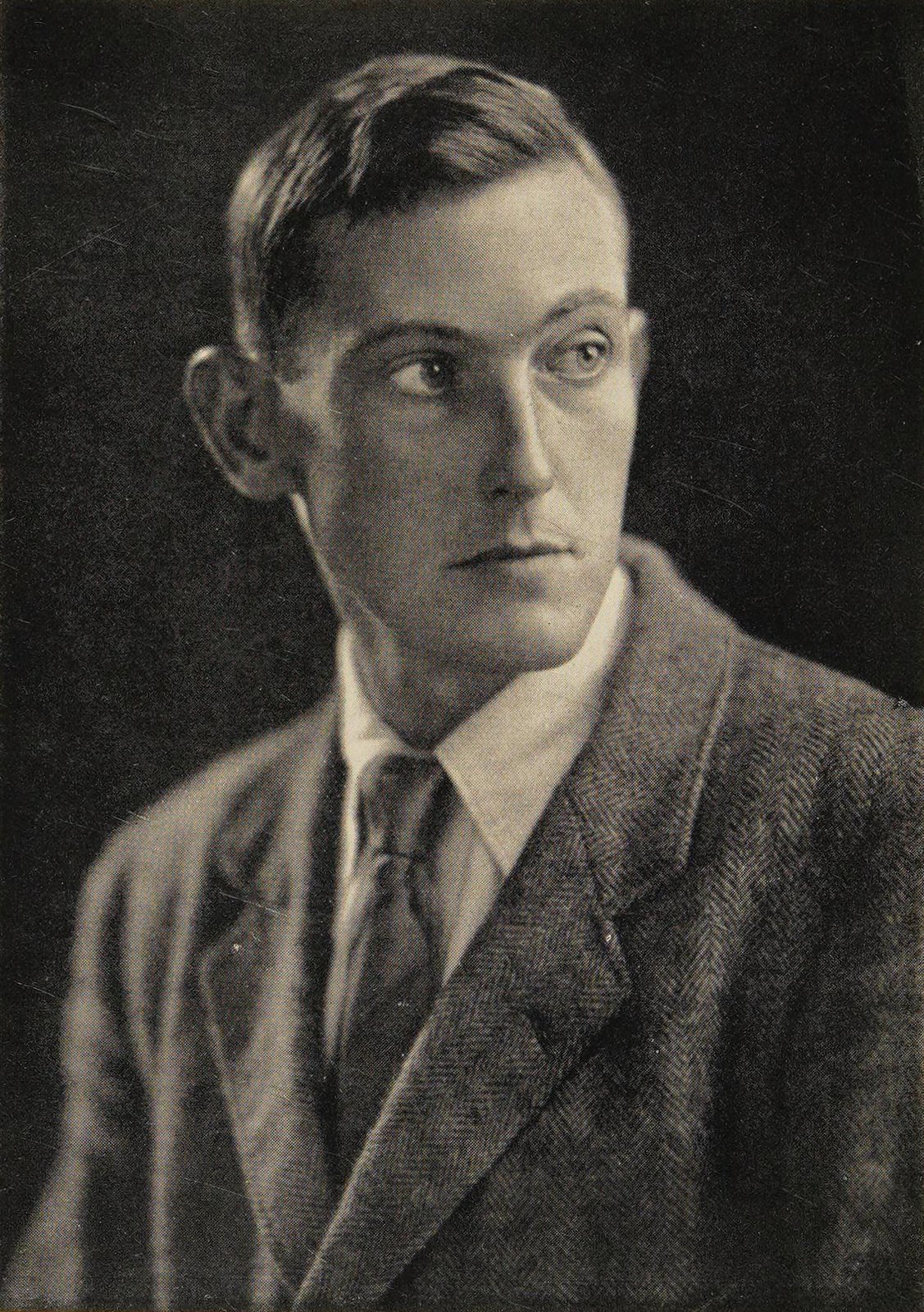
Photographer not credited in the book; portrait of George Mallory published 1925 in The Fight for Everest 1924 (public domain in the US: published before 1931) · Plate 'George H. Leigh-Mallory' in E. F. Norton and others, The Fight for Everest 1924 (New York: Longmans, Green; London: Edward Arnold, 1925), facing p. 207, page scan via the Internet Archive · Public domain (published 1925)
In the 1921 reconnaissance Mallory and Guy Bullock explored the Rongbuk, Kama and Kharta valleys around Mount Everest. The expedition's leader, Howard-Bury, writes that in the upper Kharta valley they found an approach they judged practicable to the mountain's north-eastern ridge, and in late September Mallory, Bullock and the surveyor Wheeler went up to the Chang La (the North Col).
In April 1924, at Tinki, Norton (who had become expedition leader after General Bruce fell ill) and Mallory settled the climbers' plan of campaign after months of disagreement over its details. Norton credits Mallory with evolving a plan that combined the good points of both their schemes, and records that all the climbers approved it that evening.
On the first 1922 attempt on the mountain, four roped climbers were crossing the head of a steep couloir on their way back to the North Col camp when fresh snow had covered their tracks and they had traversed at too low a level. Somervell, last on the rope, recalls that when one man slipped and dragged the others, Mallory, going first, had just enough time to dig his axe into hard snow, and the rope held. Somervell wrote that Mallory had saved the lives of the whole party.
Robert Graves, taught by Mallory at Charterhouse in the early 1910s, wrote in 1929 that Mallory tried to treat his classes in a friendly way and refused to accept the school's tradition of concealed warfare between boys and masters. Graves adds that this made Mallory unpopular with the house-masters and, in Graves's time at least, with many of the boys, and that he befriended a few boys who were, like him, out of their element.
This is consistent with the profile's independent-thinking reading: one witness describes him declining a norm that most of the school's staff and boys accepted. It is a single pupil's recollection, not a survey of the school. Independent Thinking
Mallory became an assistant master at Charterhouse in 1910, teaching English, history and French. The Alpine Journal's 1924 obituary records that he resigned the mastership shortly before the 1921 Everest expedition, and Magdalene College's archive gives May 1923 as the date he became lecturer and assistant secretary to Cambridge University's Board of Extramural Studies, work the obituary describes as an effort to bring a university education within reach of poorer working men and women.
One reading, consistent with the profile's impact-motivation row, is that he moved from teaching schoolboys towards adult education. The sources read here give the obituary writer's and others' descriptions of his aims, not Mallory's own stated reasons, so this remains a tentative reading. Impact Motivation
People whose overall profiles resemble theirs.
Not a rival — a different profile shape worth a look.