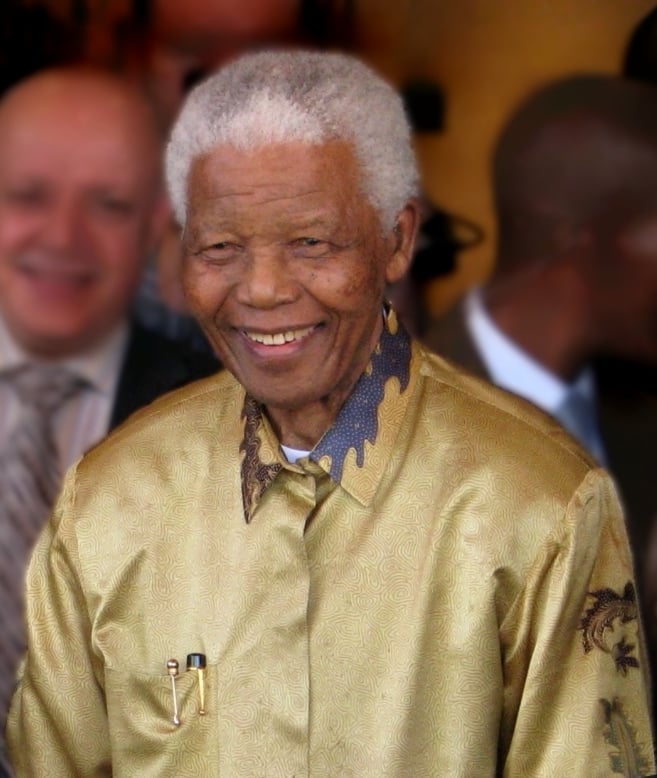
Nelson Mandela
93% Profile Match
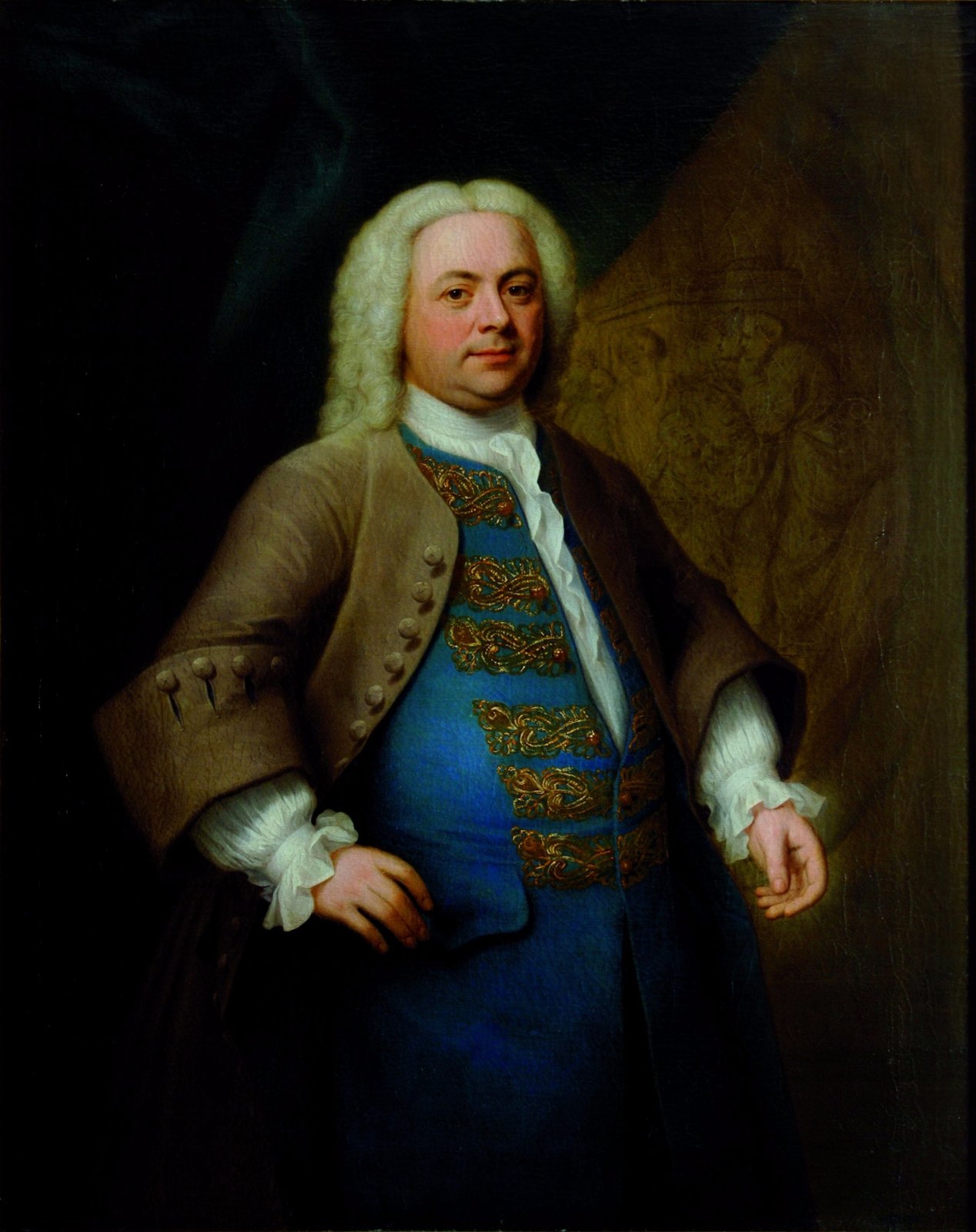
John Theodore Heins (1697-1756), Portrait of George Frideric Handel, c. 1740, oil on canvas, Stiftung Händel-Haus Halle (permanent loan, Stiftung der Saalesparkasse); public domain (artist died 1756); downscaled · Stiftung Händel-Haus Halle (permanent loan of the Stiftung der Saalesparkasse), via Google Art Project / Die Konferenz Nationaler Kultureinrichtungen and Wikimedia Commons · Public domain
On 13 April 1742 Handel's oratorio Messiah was performed at the New Music Hall in Fishamble Street, Dublin, for the benefit of the relief of prisoners, Mercer's Hospital and the Charitable Infirmary. The Dublin Journal reported that he gave the money from the performance to be shared equally among the three charities.
From May 1749 the press advertised performances of Handel's music for the benefit of the Foundling Hospital in London, and reports of 1751 and 1756 describe Messiah given in its chapel under his direction. A press report of April 1751 says he gave the chapel its organ, and a codicil to his will dated 4 August 1757 leaves the Hospital a copy of the Messiah score and parts.
In March 1739 the London Daily Post reported that Handel had given the use of the opera house for a performance of Alexander's Feast to benefit a fund for decayed musicians and their families, and that he intended to direct it. Notices in March 1741 advertised a further benefit for the same fund with his music.
In late January 1729 Handel took leave of the King and Queen before setting out for Italy on a commission from the Royal Academy of Music to engage singers. By early July the London press reported him back with contracts, including a bass engaged at Hamburg, 'there being none worth engaging in Italy'.
Sits alongside two later dated restarts in the record (1734 and 1740); together they are consistent with persistence, though this episode alone does not show how long he was prepared to continue. Persistence
In March 1735 the London Daily Post announced that Handel had prepared several oratorios for Lent, with additions to Esther and two organ concertos in which he would play the solo parts. Mary Pendarves wrote on 15 March that she had heard him in the two concertos, 'the finest things I ever heard in my life'; an anonymous letter in The Old Whig on 20 March claimed that he had sometimes played that winter to an almost empty pit.
Adding new material inside an established genre illustrates a willingness to try out formats; the anonymous letter's report suggests that reception was mixed. Experimentation
The fourth Earl of Shaftesbury, a friend, wrote in a memoir of 1760 that after little encouragement for his London performances in 1740-41 Handel 'gave over' them and went to Ireland in 1741. The Dublin press reported his arrival in November 1741 with several performers, and Charles Jennens wrote on 5 December that London would be 'a very dull place' until he returned.
One of several dated changes of venue or format in the record, the move offers an example of adaptability; the reasons given for it rest on a friend's later recollection. Adaptability
People whose overall profiles resemble theirs.