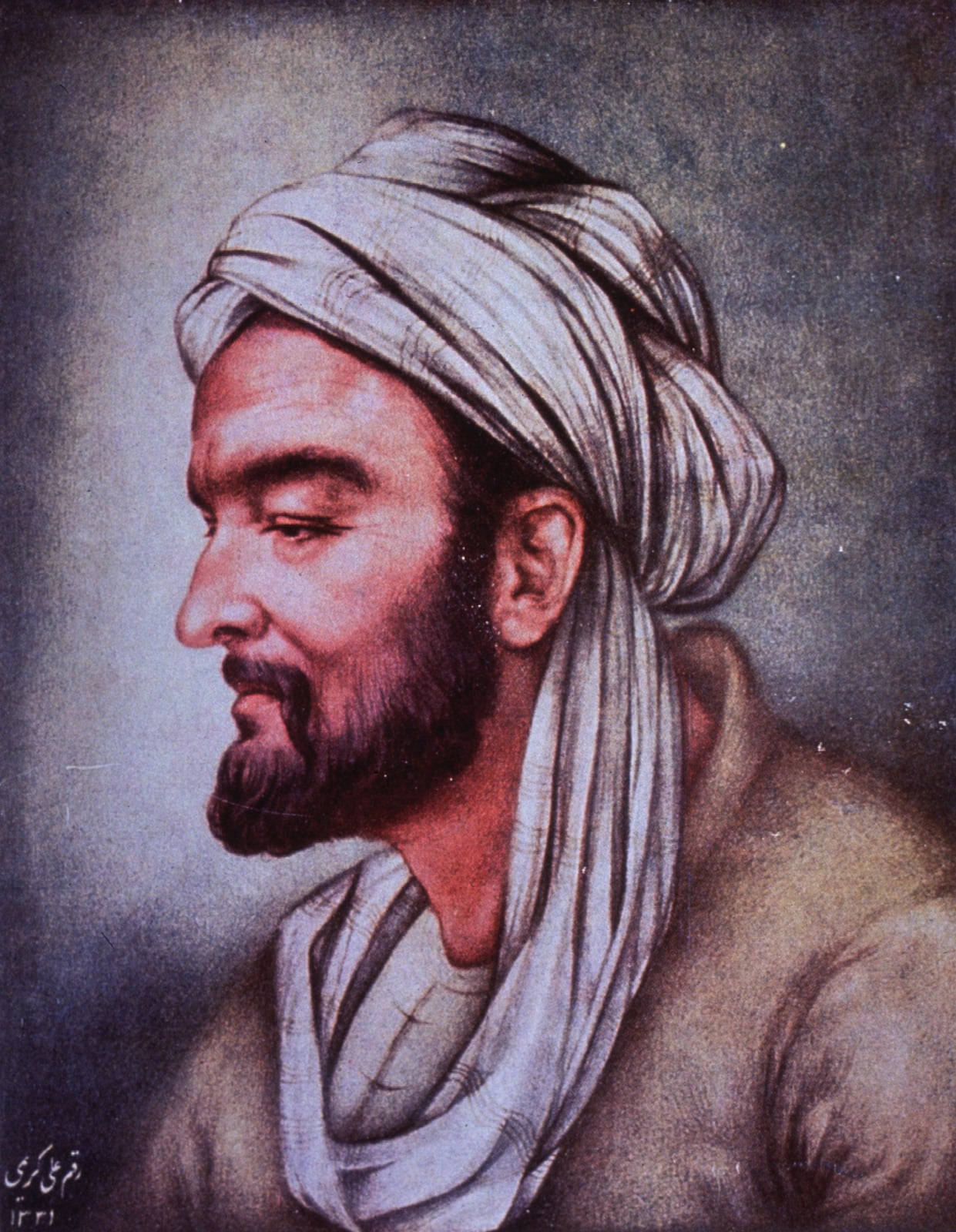
Sequoyah
94% Profile Match
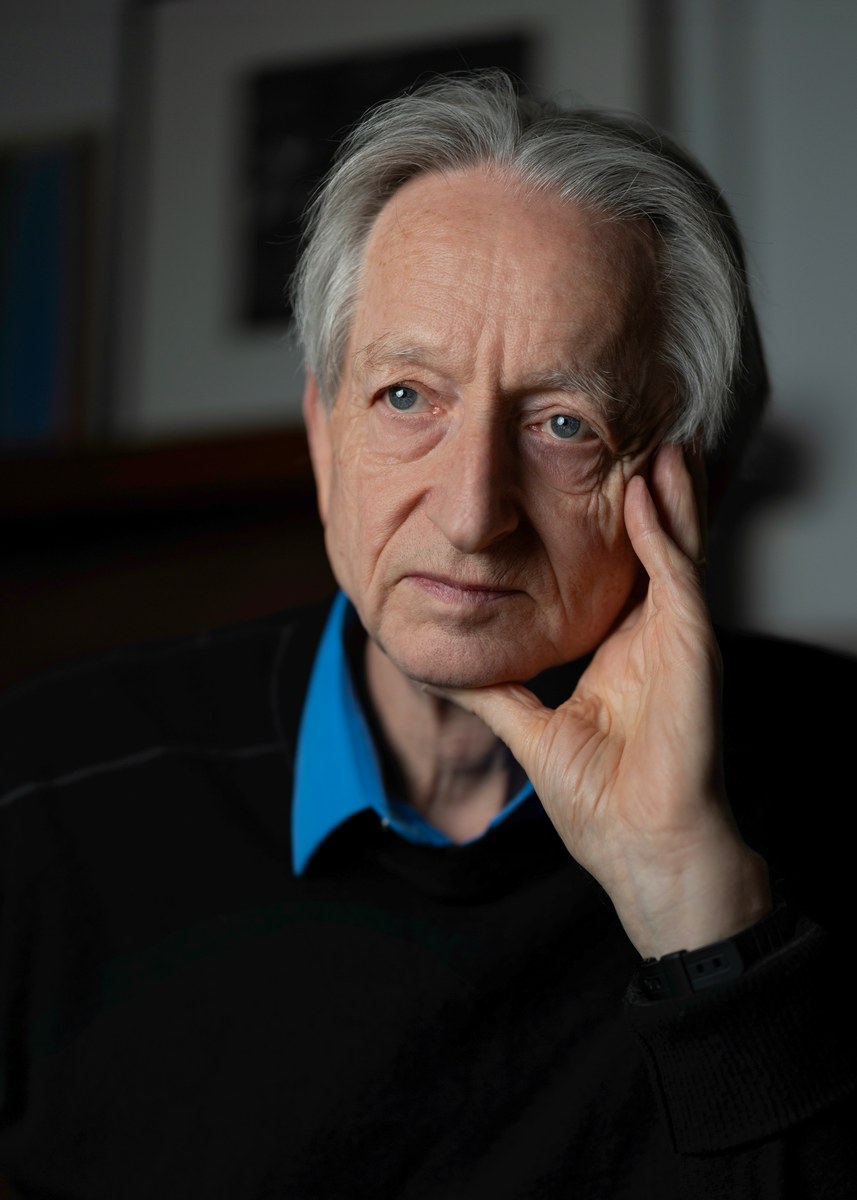
Photo: Christopher Michel, 2026, CC BY-SA 4.0 · Wikimedia Commons, 'Geoffrey Hinton in 2026.jpg' -- portrait photograph by Christopher Michel, dated 13 May 2026 and uploaded to Commons by the photographer himself (account Cmichel67, 'Own work') under CC BY-SA 4.0. Original 4131 x 5784 pixels (SHA-1 4f67d2b0, matches the Commons record); saved downscaled only (never upscaled) to 857 x 1200. · CC BY-SA 4.0
computer scientist · Contemporary
b. 1947
Not yet included in personality matching — the documented evidence doesn't yet cover enough of the personality model. Everything else on this page is fully available.
Shared the 2024 Nobel Prize in Physics with John Hopfield for foundational discoveries enabling machine learning with artificial neural networks; he built the Boltzmann machine on Hopfield's network.
Co-authored the 1986 backpropagation paper with Rumelhart and Williams that popularised the method, and shared the 2019 Turing Award with LeCun and Bengio.
Kept neural-network research going through the 1990s when interest waned; in 2012 his Toronto lab's AlexNet, built by his students Sutskever and Krizhevsky, led researchers to adopt neural networks widely.
In 2017 he published two papers introducing capsule networks, an approach described as decades in the making and meant to recognise objects with less data.
Consistent with a habit of proposing new network architectures rather than only refining existing ones. Creative Originality
Former students recall that in meetings Hinton shared his own latest ideas and results to inspire them, and worked to remove barriers for them.
Consistent with a supervisory style built on shared work rather than progress checks, as his alumni describe it. Collaboration
In 2012 Hinton and his students Sutskever and Krizhevsky entered the ImageNet contest with a convolutional network trained on GPUs; their paper became among the most cited ever, and before it few researchers used neural networks and afterwards almost all did.
Consistent with long-sustained work on neural networks meeting the data and hardware that let it succeed. Persistence
People whose overall profiles resemble theirs.