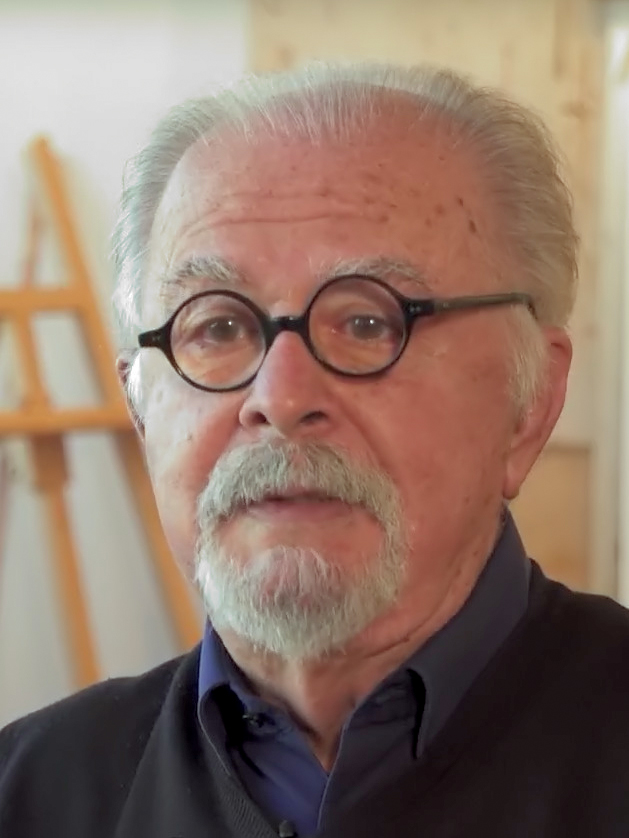
Image: Culturespaces, 2018, CC BY 3.0 · Wikimedia Commons, 'Fernando Botero (2018).jpg' -- an image of Fernando Botero by Culturespaces dated 20 April 2018, taken from a Culturespaces video released under the Creative Commons Attribution licence on YouTube; uploaded to Commons on 17 May 2018 and reviewed on 30 June 2018 by license reviewer Leoboudv, who confirmed the stated licence at the source on that date. Original 629 x 838 pixels (254 KB on Commons; downloaded file 259,941 bytes opens as a 629 x 838 JPEG); saved unchanged, never upscaled. Caveat: the Commons page identifies the source as a video on YouTube rather than an institutional photograph page; the licence rests on the reviewer's confirmation of the creator's Creative Commons release, and no conflicting notice was found. · CC BY 3.0
painter · 20th Century
Fernando Botero
1932–2023
Known For
Not yet included in personality matching — the documented evidence doesn't yet cover enough of the personality model. Everything else on this page is fully available.
Trait Constellation
Key Achievements
In 1956, while painting a still life with a mandolin in Mexico, he found a way to enlarge the volume of forms, the basis of the rotund style called Boterismo. The Museum of Modern Art bought his Mona Lisa, Age Twelve in 1961, though critics long disputed the style.
From the 1970s he made large bronze sculptures of rounded figures, animals and hands that were shown in city centres, including a 1993 Champs-Elysees exhibition and Park Avenue.
In 2000 he gave works to the Banco de la Republica for the Museo Botero in Bogota and to the Museo de Antioquia in Medellin, with sculptures in the city's Plaza Botero. His 2004-05 Abu Ghraib series was given to the University of California, Berkeley library.
Moments That Reveal Them
After reading Seymour Hersh's 2004 report on Abu Ghraib, he worked for about 14 months on paintings and drawings of the prison abuses; several US museums declined to show them before the University of California, Berkeley gave them their first US exhibition in 2007.
This is consistent with a willingness to take a professional and reputational risk on a charged subject without any sale in view. Risk Tolerance
Critics such as Rosalind Krauss and Arthur Danto dismissed his work, and in a 1985 interview he said the New York press went silent after his 1972 show; he kept working in the same figurative language and, by the Guardian's account, worked ten hours a day into his 80s.
This is consistent with persistence in a chosen idiom despite long critical neglect. Persistence
Turning Points
In 1956, after moving to Mexico, he found while painting a mandolin still life that he could increase the volume of forms; the exaggerated proportions became the basis of his signature style.
This is consistent with an originating step that set the direction of the rest of his work. Creative Originality
Similar People
People whose overall profiles resemble theirs.

Martha Graham

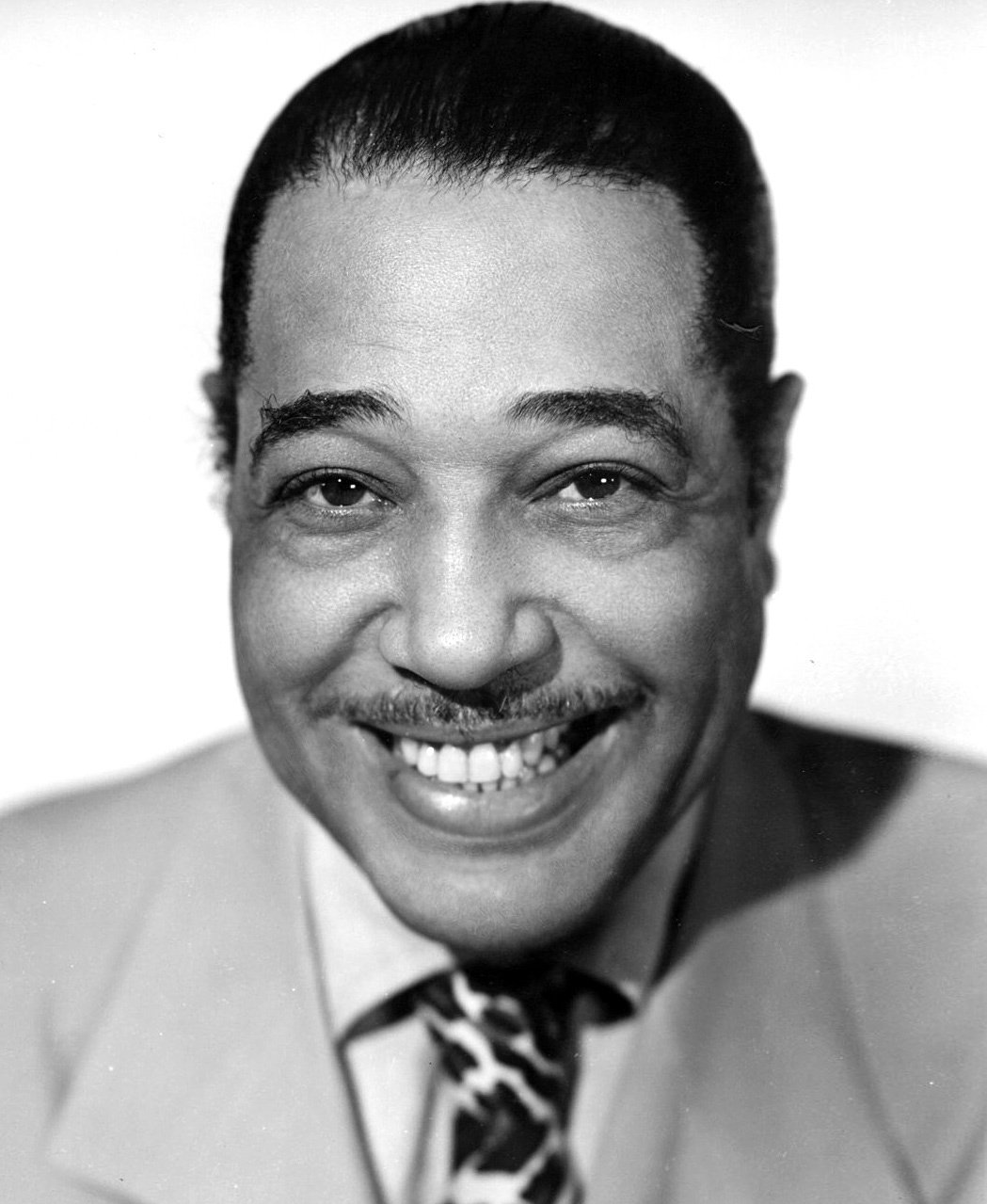
Duke Ellington

Frida Kahlo

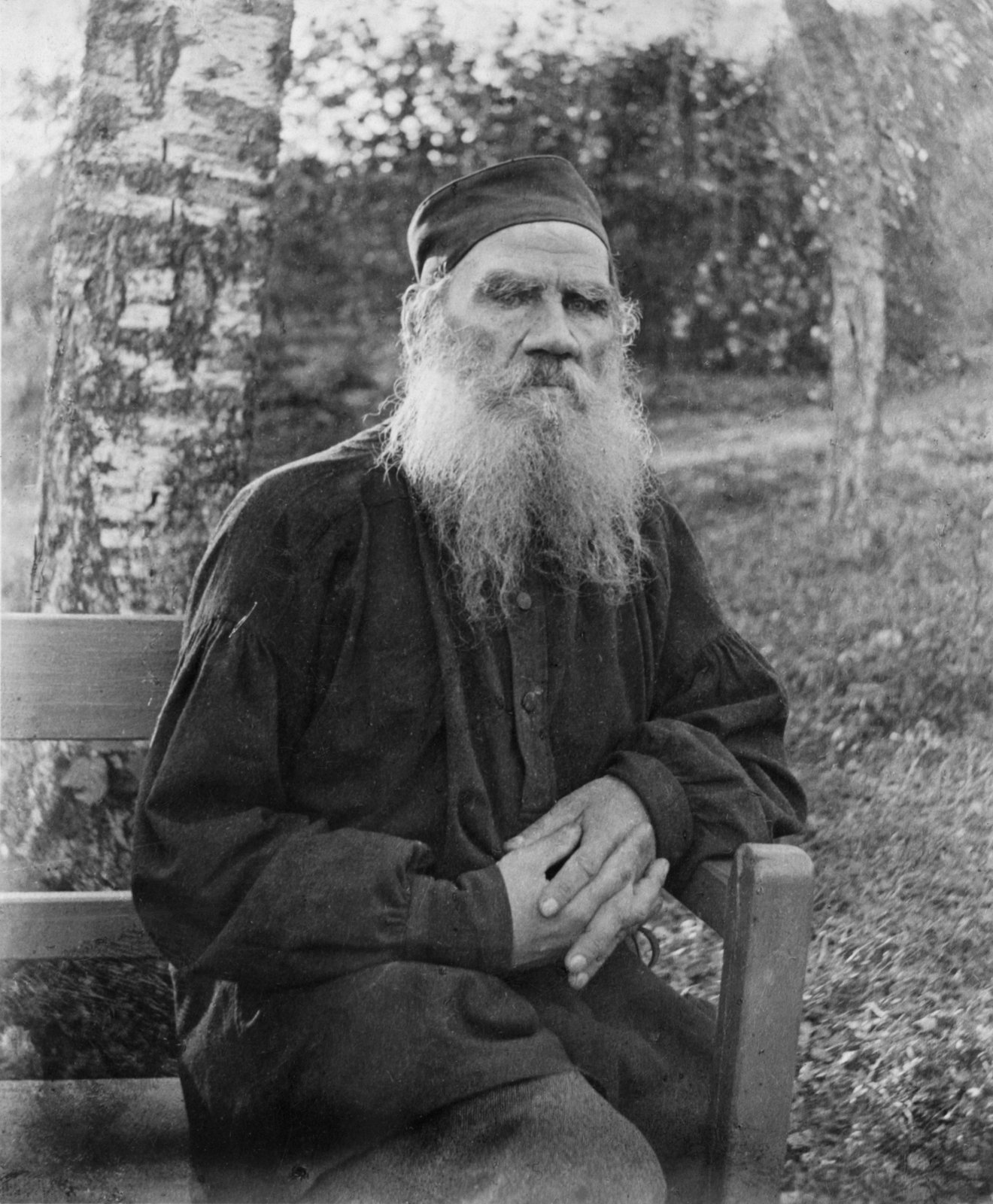
Leo Tolstoy

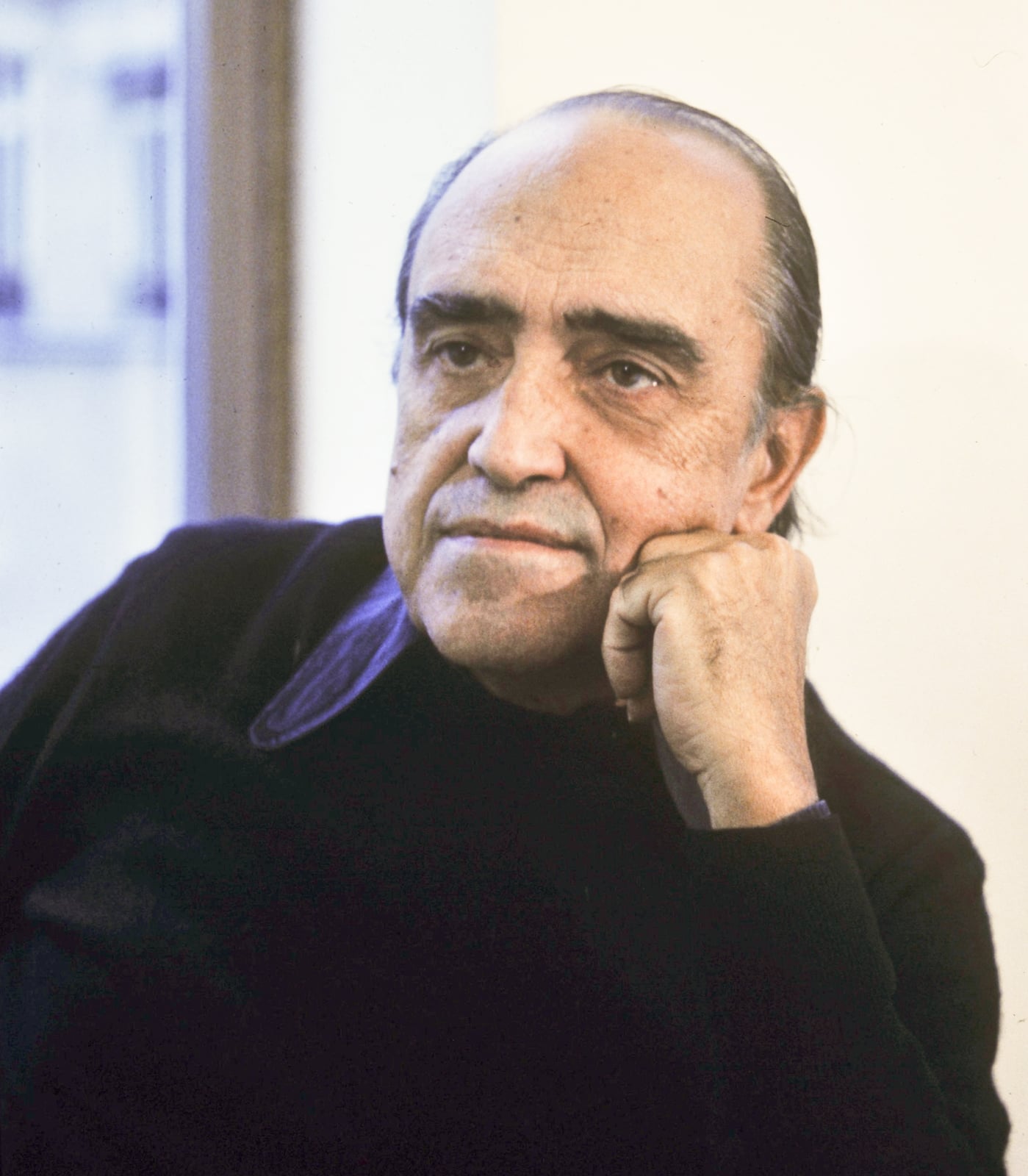
Oscar Niemeyer
Opposite Profile
Not a rival — a different profile shape worth a look.
Theodore Roosevelt
Sources
- Fernando Botero (Q272877) -- verified live via the Wikidata API (2026-10-24): English label 'Fernando Botero', description 'Colombian painter and sculptor (1932-2023)', Korean label '페르난도 보테로', born 19 April 1932, died 15 September 2023, image 'Fernando Botero (2018).jpg'. Orientation only; not used as support for any row.
- Museo Nacional de Colombia, 'Botero en el Museo Nacional de Colombia. Donacion 2004 [Cronologia]' (museonacional.gov.co), read through a page-reading tool's summary because the page text could not be saved locally: born Medellin 19 April 1932; first solo show in Bogota 1951; studies of Velazquez and Goya at the Prado (1952) and of the old masters at the Louvre and in Italy (1953-54); in 1956, in Mexico, while painting a still life with a mandolin he discovers a way to increase the volume of forms; a professorship at the Universidad Nacional school of fine arts (1958); Venice Biennale 1958; Guggenheim International Award Colombian prize 1960; MoMA shows 'Mona Lisa at Twelve' (1963); first sculptures after moving to Paris (1973); Reina Sofia retrospective 1987-88; Pushkin Museum and Hermitage shows and monumental sculptures on Park Avenue 1993; donations to the Museo de Antioquia, the Museo Nacional and the Banco de la Republica (2000) and a 2004 gift to the Museo Nacional of a series on violence in Colombia. CANONICAL SIGNIFICANCE SOURCE. Institutional chronology (a national museum that received his gifts); its donation counts differ from the Banco de la Republica's own figures, so no counts are used from it.
- Nick Caistor, 'Fernando Botero obituary', The Guardian, 15 September 2023, read in full: perhaps the most popular Latin American artist of his generation and one of the most commercially successful; for years critics looked down on his 'fat people' as a trademark gimmick while museums and collectors bought them, and 'Boterismo' became a term for the aesthetic; he said every true artist must 'deform reality' and stressed each work was the result of intense imagination and effort; early influence of the Mexican muralists, then two formative years in Florence studying quattrocento painters; MoMA bought his Mona Lisa, Age Twelve in 1961; large bronze sculptures from the 1970s shown in city centres including a 1993 Champs-Elysees exhibition; gifts of more than 100 works to a new Botero Museum in Bogota and of works to the Museum of Antioquia in 2000; the 2004-05 series of around 80 paintings and 100 drawings on torture at Abu Ghraib, which he donated to the University of California, Berkeley library; around 200 solo exhibitions; worked ten hours a day into his 80s. Newspaper obituary by an outside writer, admiring overall but recording the critics' dismissal. Family and private-life passages, the 1995 bombing episode and the luxury-lifestyle passage were not used.
- Artforum News Desk, 'Fernando Botero (1932-2023)', Artforum, 15 September 2023, read in full: whimsical ballooning figures that elevated the global profile of Latin American art; signature style ('Boterismo') realised in Mexico City in 1956; sculptures on Park Avenue and the Champs-Elysees; a 1985 Ingrid Sischy interview in which Botero says his first big gallery show was in 1972, that after it the New York press fell silent ('like a leper', one critic could not look at the work) while the public responded the opposite way, and that he did not make art to astonish people because that would become cliche (self-report, used only alongside outside sources); the 2005 Abu Ghraib series that finally drew critical acclaim and humanised people long cast as animals by media and military; his 2000 donation of more than a hundred of his own works and part of his collection. Art-trade obituary; the cause-of-death and personal-life passages were not used.
- 'Art of Abu Ghraib', Mother Jones, 2007 (review of the Berkeley opening), read in full: Botero, then 75, described as the most important living Latin American artist; he worked for 14 months after reading Seymour Hersh's May 2004 New Yorker report; American critics had lauded the paintings in Europe but a number of US museums declined to show them before the University of California at Berkeley gave them their first US public exhibition; the reviewer finds the fleshy figures effective in the stark rooms and the subtle injuries striking; Botero's own words that drawing became an obsession for nine months, that abstract or conceptual artists would find such feelings hard to express whereas a figurative artist can, and that 'the greatest art cannot change anything' but helps people remember; he appeared baffled when the audience wanted to cast him as an activist. Magazine review (admiring of the work) quoting the artist; its comments on United States policy are the writer's and were not used.
- UC Berkeley Media Relations (Kathleen Maclay), 'Botero exhibit joined by talk with artist, panels on violence, art, human rights', university press release, 24 January 2007, read in full: exhibition of Botero's Abu Ghraib works at Doe Library from 29 January to 23 March 2007, sponsored by the Center for Latin American Studies; the Center chair says museums across the country had been approached and had declined; art historian Peter Selz calls the work 'extremely important'; Botero in conversation with Robert Hass; Botero described as the most highly regarded contemporary artist from Latin America, with works in 46 museums, and he says the Abu Ghraib work is not for sale and he hopes to donate it. Host-institution announcement (promotional; used for facts of the exhibition only).
- 'Conocer a grandes maestros, gracias a Botero' (Revista Generacion, El Colombiano, Medellin, 15 September 2023, Spanish), read in full (about the first 7,500 characters of the article): his gifts to Colombian public museums began before 2000 (a painting to the Museo de Antioquia in 1974, a room in 1977, sculptures in 1984, eighteen paintings to the Museo Nacional in 1984); in 2000 the Banco de la Republica received 123 of his works plus works by other artists for the Museo Botero in Bogota, the Museo de Antioquia 114 of his works plus 23 monumental sculptures in the Plaza Botero in Medellin, later a Via Crucis series (2012), and in 2004 the Museo Nacional the series 'La violencia en Colombia'; the author notes the donations drew debate and opposing views but argues their cultural impact is now widely recognised, with the Museo de Antioquia having the largest public Botero collection. Local-newspaper analysis, partly appreciative; the writer's argument about donations as self-promotion is noted as a counter-possibility and not decided.
- 'Why are Fernando Botero's figures fat?', Finestre sull'Arte, 23 October 2016, opening paragraph read (rest is behind a subscription wall): Botero is among the contemporary artists with the greatest distance between critics and public; it relays critic Charmaine Picard's 2011 Art in America remark quoting Rosalind Krauss's 1999 verdict that he 'has absolutely nothing to do with contemporary art', Picard's note that detractors call the figures simplistic caricatures, Arthur Danto's view that his sculptures are not serious enough to attract critical scrutiny, and Edward Sullivan's summary that he was called a commercial phenomenon and self-referential, while a good portion of critics appreciate him. Art-magazine editorial relaying other critics; counter-voice only. Rest of the article not opened.
- Wikimedia Commons file page 'Fernando Botero (2018).jpg' -- checked for the portrait: author Culturespaces, dated 20 April 2018, source a Culturespaces video released under the Creative Commons Attribution licence on YouTube, file licensed CC BY 3.0, reviewed 30 June 2018 by Commons license reviewer Leoboudv, who confirmed it was available under that licence on that date; original 629 x 838 pixels.