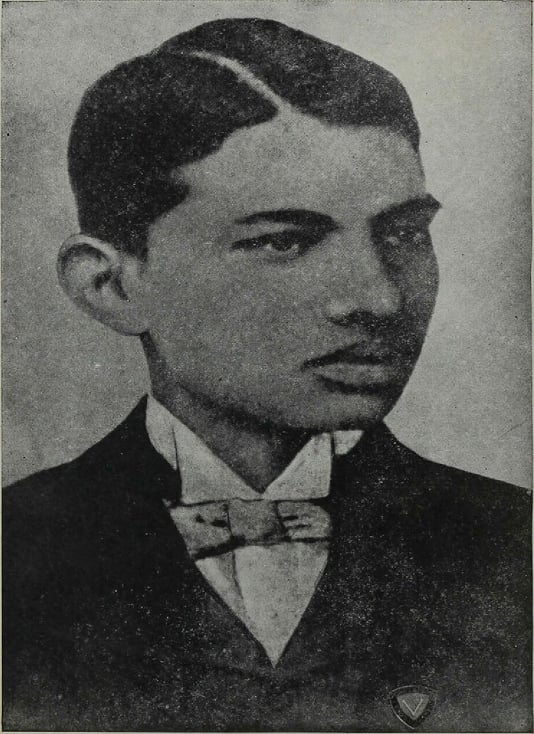
Mahatma Gandhi
94% Profile Match

FDR Presidential Library & Museum, circa 1946-1947, at the United Nations · Wikimedia Commons / FDR Presidential Library & Museum · CC BY 2.0
Chaired the UN Commission on Human Rights (1946-1952) and led the drafting of the Universal Declaration of Human Rights, adopted in 1948 -- a role and achievement built entirely after she left the White House.
Wrote her syndicated newspaper column 'My Day' six days a week for nearly 27 years (1935-1962), without interruption through a world war and a change in her own formal public role.
In 1939, after the Daughters of the American Revolution refused to let Marian Anderson perform at Constitution Hall because she was Black, she publicly resigned her DAR membership -- a politically risky act for a sitting First Lady.
She personally visited the Gila River internment camp in Arizona in spring 1943 specifically to counter public claims that Japanese American internees were being 'coddled,' publicly praising their improvements to camp conditions.
Though unable to reverse her own husband's Executive Order 9066 without undermining her official role, she privately opposed it and, within two weeks of Pearl Harbor, used her 'My Day' column to urge Americans not to turn against Japanese Americans.
Maintaining and publicly acting on a position that diverged from her own husband's administration's policy is the basis for the profile's independent_thinking score. Independent Thinking
People whose overall profiles resemble theirs.