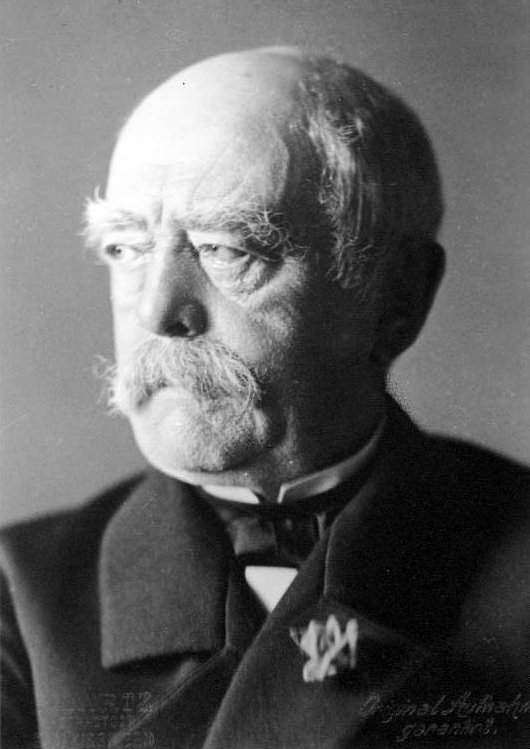
Leonardo da Vinci
94% Profile Match
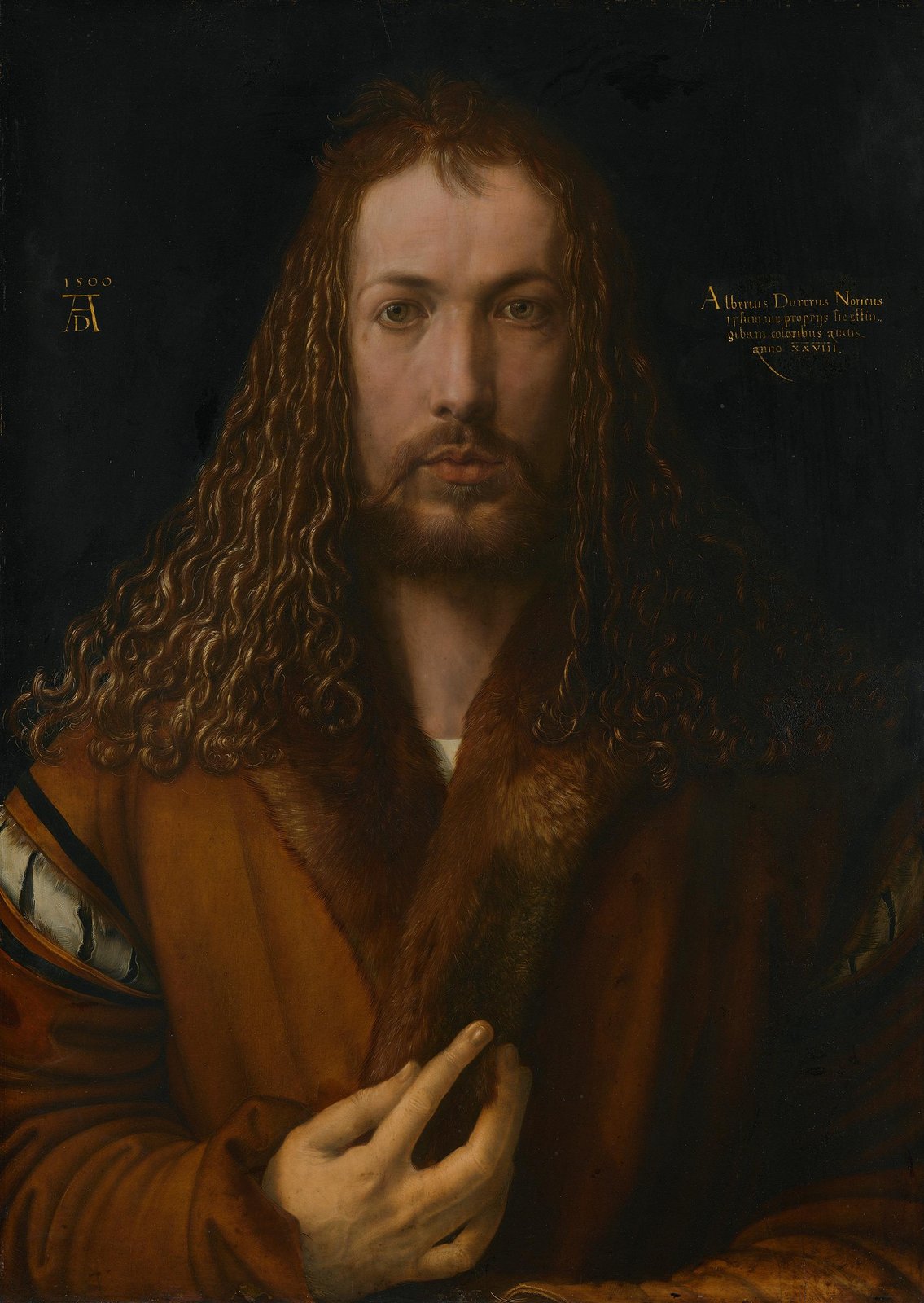
Albrecht Dürer, Self-Portrait, 1500, Bayerische Staatsgemäldesammlungen - Alte Pinakothek, München; painting in the public domain (artist d. 1528; PD-Art/PD-old-100-expired on Commons); the museum also publishes this image under CC BY-SA 4.0; downscaled · Albrecht Dürer, Self-Portrait (Selbstbildnis im Pelzrock), 1500, oil on limewood, Bayerische Staatsgemäldesammlungen - Alte Pinakothek, Munich (inv. 537), museum digital image via Wikimedia Commons · Public domain
By about 1500 Dürer had completed or begun three large woodcut series on religious subjects, including The Apocalypse (1498). In 1511 he issued four woodcut books from his own press in Nuremberg, and in 1513-14 he made the engravings Knight, Death, and the Devil, Saint Jerome in His Study and Melencolia I.
Dürer wrote and illustrated a manual of geometry and perspective for students (Underweysung der Messung, 1525) and a treatise on fortifying towns (1527). His Four Books of Human Proportion appeared in 1528, the year of his death; his friend Willibald Pirckheimer saw the work through the press.
On his second stay in Venice he painted the Feast of the Rose Garlands (1506) for the German merchants of the city. In 1526 he presented the two panels of the Four Apostles to the Nuremberg town council, which accepted them in October that year; they are now in the Alte Pinakothek in Munich.
Dürer's letters to the Frankfurt merchant Jacob Heller (1507-09) follow the making of an altarpiece commissioned for about 130 florins. Dürer wrote that he would lay the ultramarine ground five or six times over, asked for 200 florins, and exchanged sharp letters with Heller over the delay before sending the picture in August 1509. Only Dürer's side survives; twenty-one of his studies for the painting, most dated 1508, are still preserved.
The layered painting and the lengthy preparation are consistent with the profile's high perfectionism score; Dürer's own remark that such care "does not pay" is one reason that row is marked dual-edged. Perfectionism
In December 1520, while in the Netherlands, Dürer heard that a huge whale had been stranded at Zierikzee in Zeeland and travelled there by horse and boat, only to find that the tide had carried it away. His diary records the trip. A drawing of a walrus caught in the same sea, dated 1521, is in the British Museum.
A detour of more than a week in winter to look at an unusual animal offers one example behind the profile's high curiosity score. Curiosity
In an unpublished draft Dürer recalled that as a young man the Venetian painter Jacopo de' Barbari showed him male and female figures drawn to a system of proportions but would not explain its principles. Dürer then read Vitruvius and began measuring and constructing figures himself; a proportion drawing of a woman dated 1500 survives. The work continued for most of his life and led to the Four Books of Human Proportion.
Setting out to reconstruct a withheld method from a classical text and his own measurements sits alongside the profile's systems-abstraction score; his friend Joachim Camerarius later described him as bringing painting under rule and principle. Systems Thinking
People whose overall profiles resemble theirs.

Not a rival — a different profile shape worth a look.