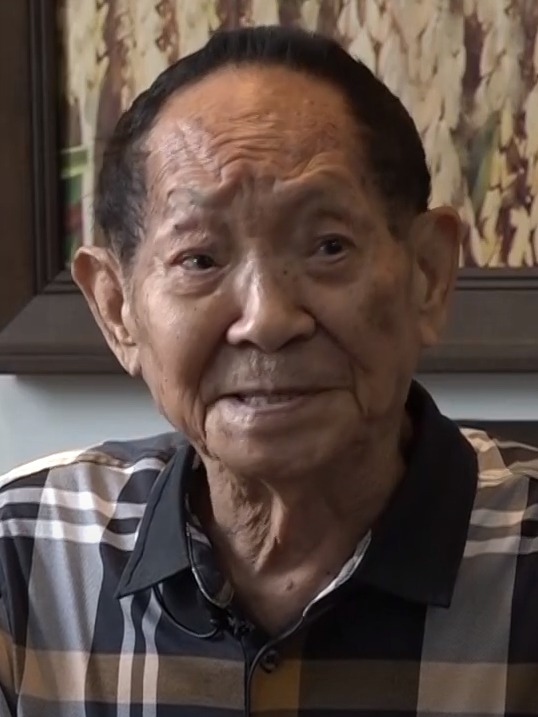

Photo: China News Service, 2019, CC BY (YouTube Creative Commons Attribution) · Wikimedia Commons 'Yuan Longping at news conference (cropped).png', a frame from a China News Service video of 5 September 2019 (Changsha press interview) uploaded to the official China News Service YouTube channel, which shows the Creative Commons Attribution licence on the live watch page (checked 2026-10-24); the Commons file carries a YouTube licence review dated 29 September 2023. Saved at the Commons cropped size of 538 x 717 pixels (converted from PNG to JPEG with no resizing or upscaling). The licence is the YouTube-stated Creative Commons Attribution licence (CC BY 3.0 in YouTube's terms), a platform-level licence on a single video from the news agency's own channel; no conflicting account-level or institutional notice was found. · CC BY 3.0 (YouTube Creative Commons Attribution)
농학자 · 20세기
위안룽핑
1930–2021
주요 업적 분야
아직 성격 매칭에 포함되지 않았습니다 — 기록된 근거가 성격 모델 전체를 다루기에는 충분하지 않습니다. 이 페이지의 다른 모든 내용은 자유롭게 확인하실 수 있습니다.
핵심 특성
주요 업적
벼는 자가수분 작물이라 뚜렷한 잡종강세가 없다는 통념에 맞서 웅성불임을 이용해 잡종 종자를 만드는 방법으로 교잡 벼를 개발했다. 핵심 야생 웅성불임 개체를 찾은 조수 리비후 등 동료들과 함께 1976년까지 중국에서 널리 보급했고 수량은 20~30% 높았다.
중국의 교잡 벼 국가 공동연구를 이끌었고, 이후 이 기술을 확장한 양계법 및 슈퍼 교잡 벼 사업을 제안하고 주도했다.
교잡 벼 기술과 육종 재료를 해외 과학자들과 나누어 80여 개국 약 1만 4천 명의 교육으로 이어졌고, 2004년 울프 농업상을 받았다.
삶의 장면들
1964년 그는 교잡 벼 연구를 시작해 논문 '벼의 웅성불임'을 발표했다. 손으로 수술을 제거하기 어려운 작물에서 잡종강세를 쓰려면 웅성불임을 이용해야 한다고 제안했는데, 당시에는 벼에 뚜렷한 잡종강세가 없다는 견해가 지배적이었다.
이는 자신의 추론을 믿고 분야의 통념에 맞서 연구하는 태도와 부합한다. 독립적 사고
2012년 그는 2015년까지 슈퍼 교잡 벼 헥타르당 15톤 수확이라는 목표를 세웠다. 비판자들은 기록 달성 시험포의 비용이 농민이 감당할 수준이 아니고 병충해 저항성이 약하다고 지적했고, 연구센터는 수량이 맡은 연구 분야이며 시험포용 목표라고 답했다.
이는 수량 기록을 끝까지 끌어올리려는 강한 의욕과 부합하지만, 농민에게 주는 실질적 가치는 논란이 되었다. 성취 욕구
전환점
1970년 말 조수 리비후가 하이난에서 야생 웅성불임 벼를 찾았고 위안룽핑이 '예바이'라고 이름 붙였다. 이를 바탕으로 1972년 첫 웅성불임계와 유지계가 만들어지고 1973년 회복계가 확보되어 1976년에는 교잡 벼가 널리 생산되었다.
이는 핵심 개체가 발견되고 팀이 전체 육종 체계를 완성하면서 오래 이어온 연구가 실용 규모에 이른 전환과 부합한다. 끈기
비슷한 인물
전체적인 프로필이 이 사람과 닮은 사람들이에요.


제인 구달

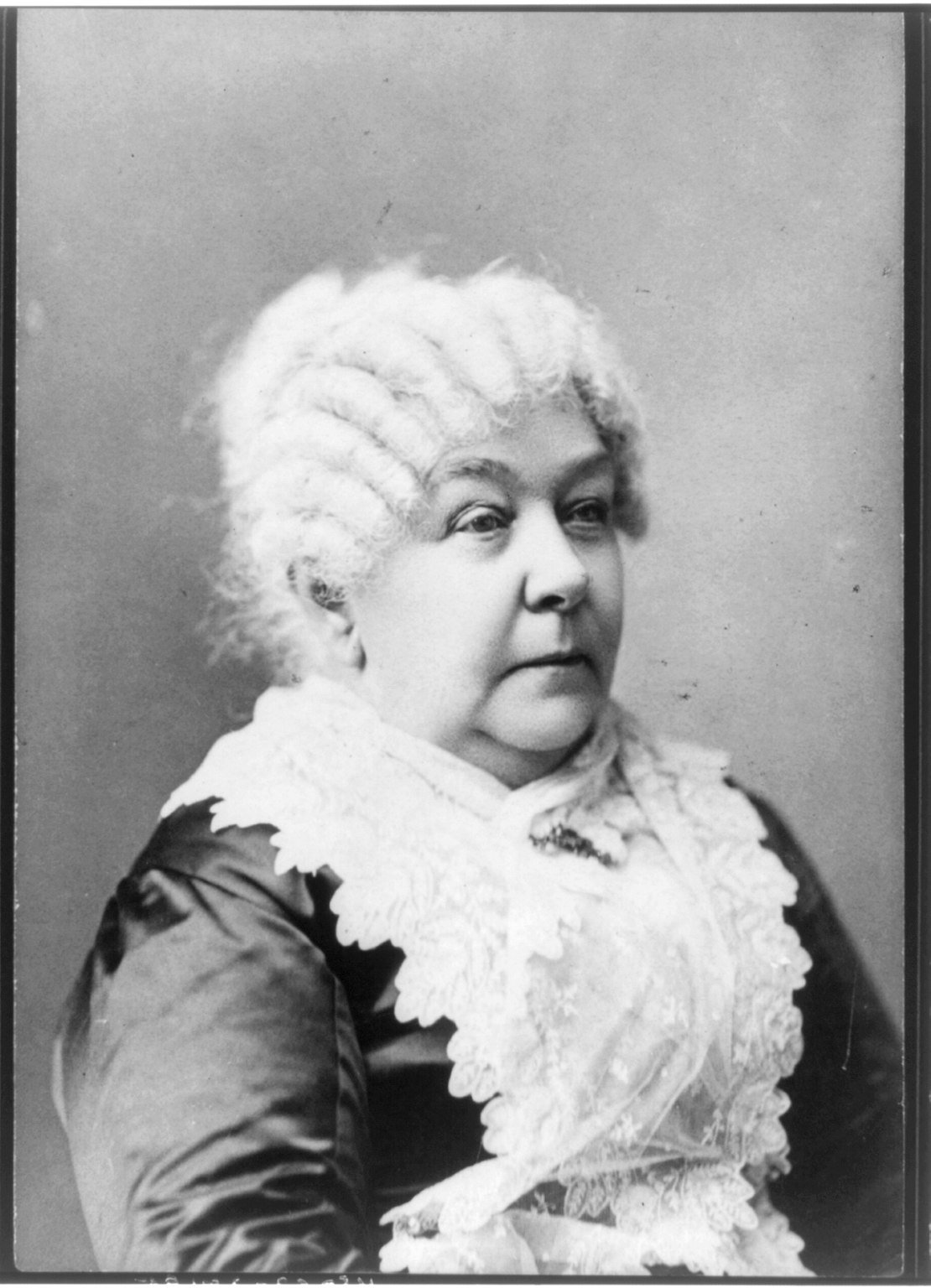
엘리자베스 케이디 스탠턴

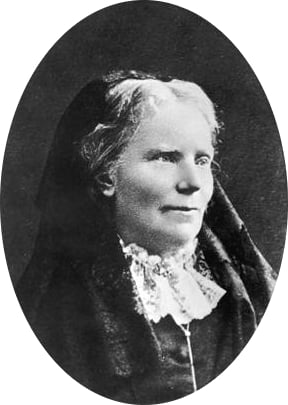
엘리자베스 블랙웰

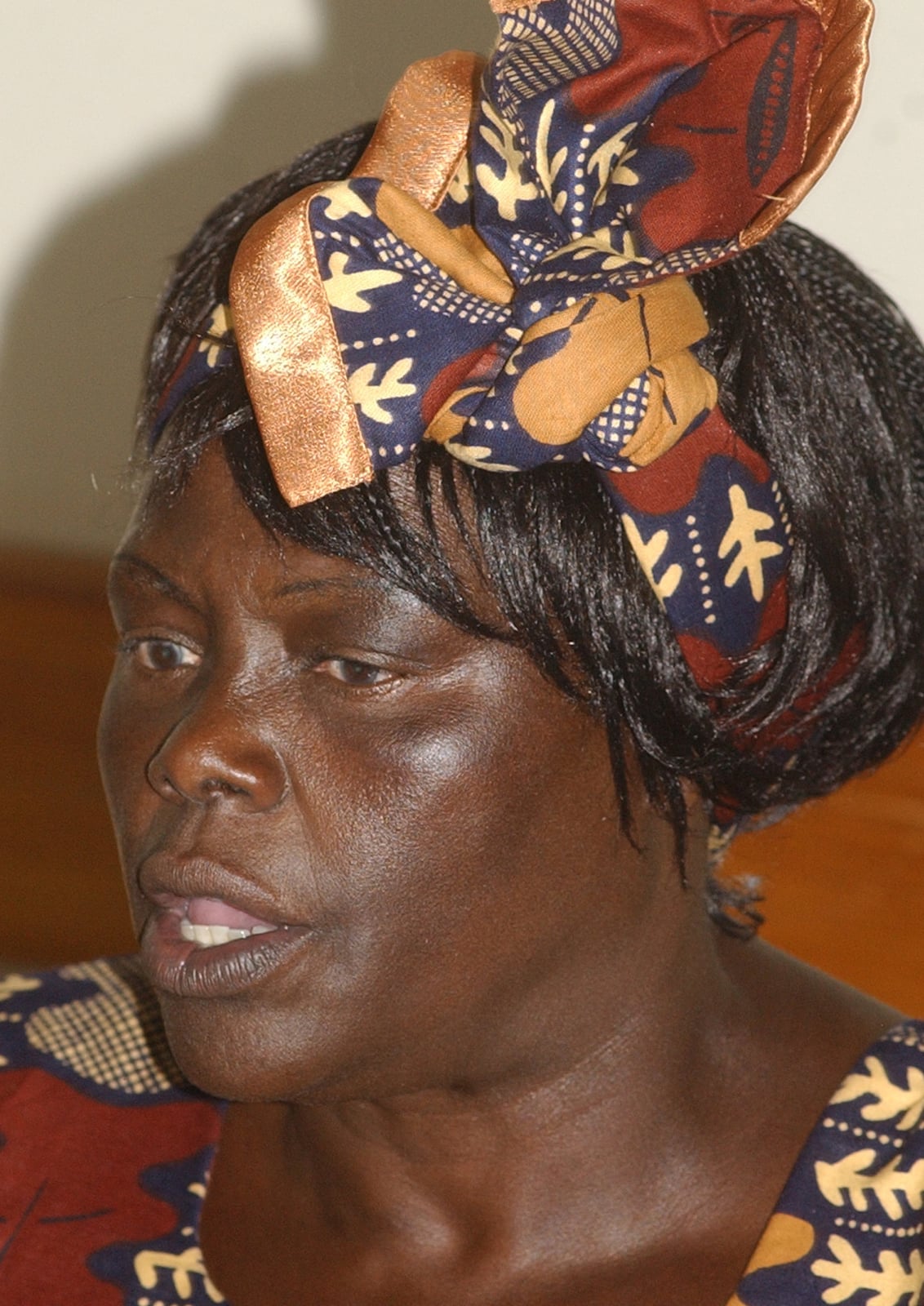
왕가리 마타이

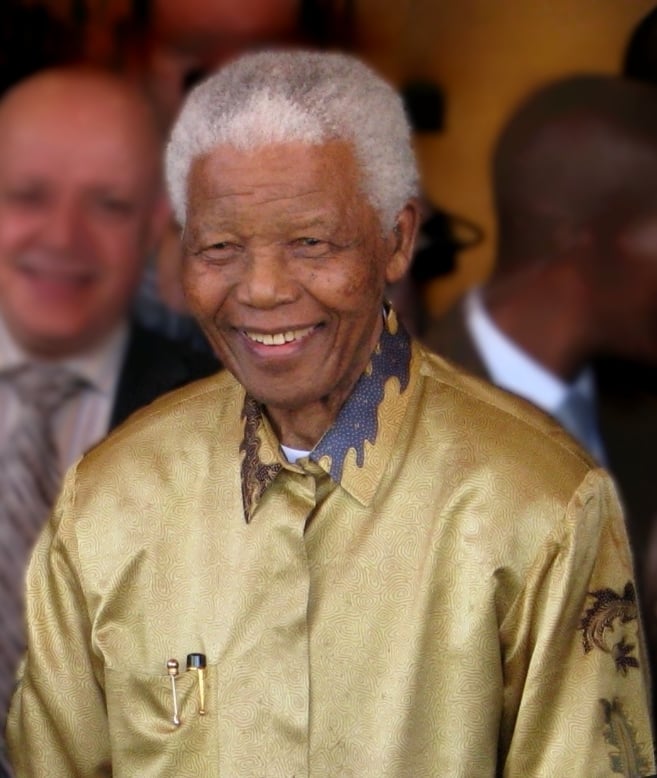
넬슨 만델라
출처
- Yuan Longping (Q3141326) -- verified live via the Wikidata API (2026-10-24): English label 'Yuan Longping', description 'Chinese biologist (1930-2021)', died 2021-05-22, Korean label '위안룽핑', multiple conflicting birth dates (1929 and 1930) so only the year 1930 given by the Wolf Foundation and other read sources is used, P18 image 'Yuan Longping at news conference (cropped).png'. Orientation only; not used as support for any row.
- Wolf Foundation, 'Yuan Longping' Wolf Prize in Agriculture 2004 laureate page (wolffund.org.il), read: citation 'for innovative development of hybrid rice and discovery of the genetic basis of heterosis in this important food staple', shared with Steven Tanksley; says he developed strategies using cytoplasmic male sterility that led to hybrid rice; that under his leadership and after a decade of cooperative research among hundreds of rice scientists from numerous institutes and universities yields rose about 20 percent and China's rice production by 50 percent; that he pioneered 'super hybrids' using inter-specific heterosis; and that he shared knowledge, techniques and breeding materials with scientists worldwide. CANONICAL SIGNIFICANCE SOURCE. Award-body language, retrospective and admiring, but it explicitly credits a large cooperative effort.
- Kenneth M. Quinn, 'Yuan Longping, 1930-2021: The Father of Hybrid Rice', Review of Agrarian Studies 11(1), 2021 (ras.org.in), read in full: a tribute by the president emeritus of the World Food Prize Foundation (an acquaintance, so friendly) describing his education from 1949, a research environment that limited genetics, the famine memories behind his motivation, secret reading of Mendel, the hybrid-rice breakthrough as a discovery in a field near Sanya rather than a laboratory, his preference for fieldwork and work clothes, the 1976 scale-up and 20 percent rise in Chinese output, sharing research with IRRI after 1978, building a research centre that drew scientists from over 50 countries, the 2004 World Food Prize shared with Monty Jones, and the 2019 Medal of the Republic (state honour, not scored). Admiring first-hand tribute.
- Qian Qian, Fan Zhang and Yeyun Xin, 'Yuan Longping and Hybrid Rice Research', Rice 14:101 (2021, open access, PubMed Central), read in full: colleagues' memorial summary stating that in 1964 he challenged the prevailing view that self-pollinating rice shows no significant heterosis and published 'Male Sterility in Rice'; the 1970s national cooperative research; wild-rice distant hybridisation to make male-sterile lines; the 1972 male-sterile and maintainer lines produced 'together with his assistant', the restorer line in 1973 and the hybrid Nanyou 2; widespread use by 1976 with 20-30 percent yield advantage; his 1986 three-phase strategy (three-line, two-line, one-line); the 1997 super-hybrid project and yield records; salt-tolerant rice; chief consultant to FAO, 30 visits to IRRI and 140 international training courses for 14,000 people from over 80 countries. Written by Chinese colleagues, admiring.
- Bulletin of the Chinese Academy of Sciences, 'Towards Next-generation Rice: Following the Footprints of Late Academician YUAN Longping' (bcas.cas.cn, 1 July 2021), the opening passage read: states that at the end of 1970 his assistant Li Bihu discovered the wild male-sterile rice plant near a ditch at Nanhong Farm in Sanya, which Yuan named 'YeBai' and which laid the foundation for the three-line system; says Yuan and his team together with other breeders achieved the hybrid-rice result. Used only for the credit structure of the discovery.
- China Development Brief, 'World mourns Father of Hybrid Rice Yuan Longping' (chinadevelopmentbrief.org, 28 May 2021), read in full: quotes an IRRI scientist placing his hybrid-rice discoveries alongside Borlaug's wheat work in the green revolution; quotes his memoir on witnessing famine and resolving to raise rice production; says he shared major discoveries with scientists worldwide, with about 60 countries and regions running hybrid-rice trials, 14,000 technicians trained for more than 80 developing countries, and hybrids yielding 20 percent more than local breeds on about 7 million hectares abroad. Obituary reporting from an NGO-run outlet; partly sourced to Xinhua.
- Stephen Chen, 'Bid to lift hybrid rice yield to 15 tonnes a hectare slammed', South China Morning Post, 4 December 2012 (republished by GRAIN at grain.org), read in full: reports Yuan's goal of 15 tonnes per hectare by 2015 from a 13.5-tonne record, and critics including an IRRI researcher who said the team spent 10,000-20,000 yuan per mu against a few hundred for a typical farmer so the record was 'unimpressive, if not meaningless', an unnamed Hangzhou rice-institute researcher who said the super-hybrid had little disease, pest and drought resistance and was driven by Yuan's 'personal obsession' with yield, and a seed-company manager who said farmers would find it too expensive; the Hunan Hybrid Rice Research Centre replied that yield was its division-of-labour focus and the target was for experimental fields. Independent critical journalism; the critics' views are their own and partly anonymous.
- Rice Today (International Rice Research Institute magazine), 'Q&A with the Father of Hybrid Rice' (ricetoday.irri.org), read in full: an interview in which he says a natural hybrid plant with strong heterosis in a farmer's field in 1962 inspired the project, explains how government seed policy and a three-tier seed-production system helped hybrid rice spread in China, and says hybrid yields are about 1.35 tons per hectare higher than ordinary rice (2 tons for super hybrids). Self-account in an institute magazine, used only to confirm his own account of origins and never as sole support.
- Wikimedia Commons file page 'Yuan Longping at news conference (cropped).png' (wikitext and API record) and the live YouTube watch page of the source video, checked for the portrait's licence: frame from a China News Service video of 5 September 2019 uploaded to the official 'China News Service' YouTube channel under the Creative Commons Attribution licence, with a YouTube licence review on Commons dated 29 September 2023; cropped file 538 x 717 pixels. Not used for any scoring.