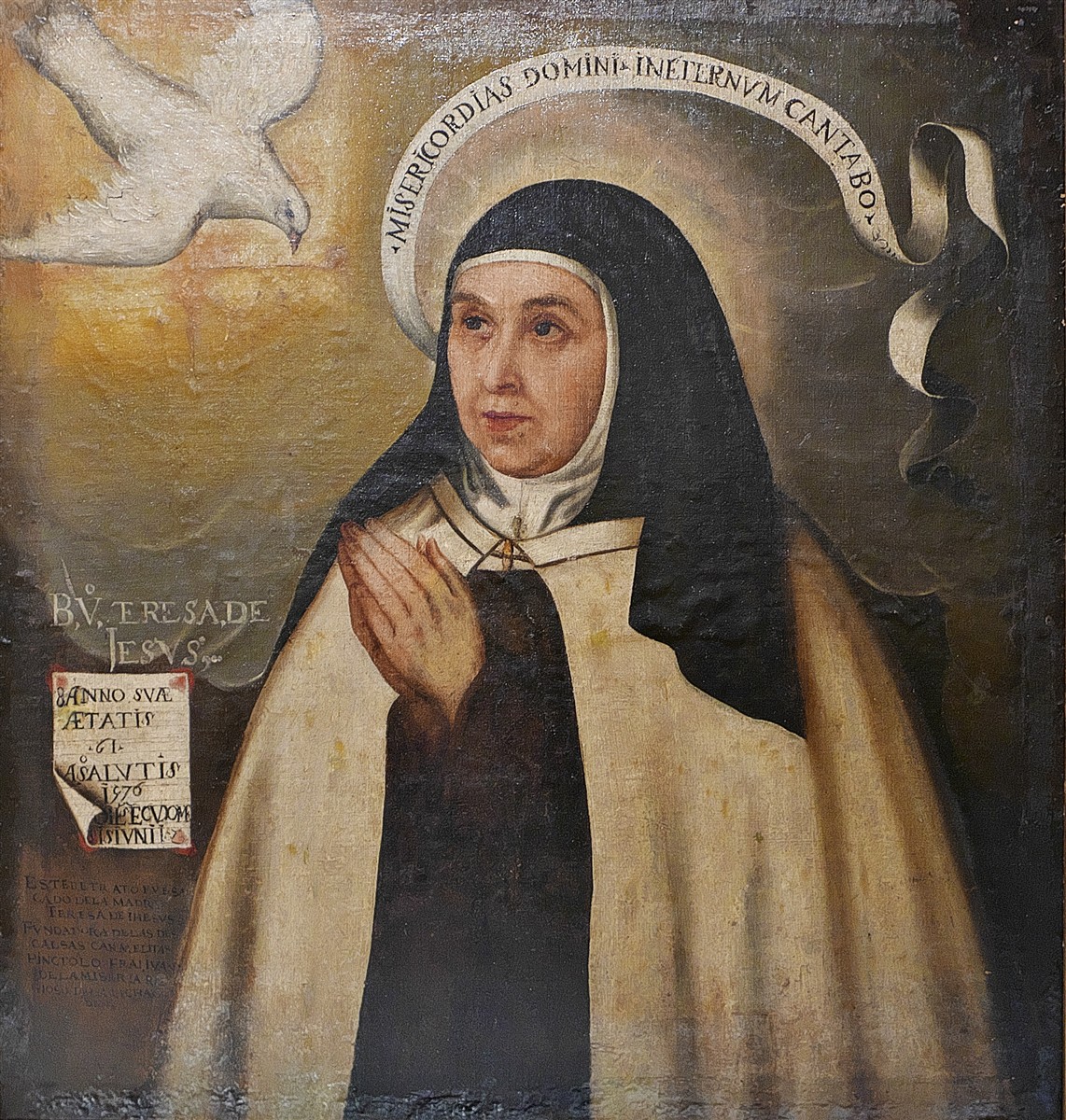

Jl FilpoC, photograph of the portrait of Teresa of Avila by Fray Juan de la Miseria (1576), Convento de las Teresas, Seville, 2022, CC BY-SA 4.0 · Oil portrait of Teresa of Avila by Fray Juan de la Miseria, dated 1576 in its inscription, painted in Seville while she was alive (Moreno Cuadro 2013, citing the prioress Maria de San Jose, Pacheco and Palomino), kept at the Convento de las Teresas, Seville; the 1576 painting is in the public domain by age. The image is a 2022 photograph of the painting by Wikimedia user Jl FilpoC (Commons 'Retrato de Santa Teresa de Jesus, fray Juan de la Miseria (cropped).jpg', original 2222 x 2335), released under CC BY-SA 4.0; saved downscaled only to 1142 x 1200. No convent or museum rights notice was found. · CC BY-SA 4.0 (photograph of a public-domain painting)
종교 지도자 · 근세
아빌라의 테레사
1515–1582
주요 업적 분야
아직 성격 매칭에 포함되지 않았습니다 — 기록된 근거가 성격 모델 전체를 다루기에는 충분하지 않습니다. 이 페이지의 다른 모든 내용은 자유롭게 확인하실 수 있습니다.
핵심 특성
주요 업적
1562년 그녀는 강한 지역의 반발 속에서 재산 기부 없이 아빌라에 성 요셉 수녀원을 세워, 수도회를 관상과 엄격한 생활로 되돌리려는 맨발 가르멜 개혁을 시작했다.
이후 그녀는 스페인 곳곳에 약 열일곱 개의 수녀원을 세웠고, 1580년에는 펠리페 2세의 지지 속에 개혁 가르멜회가 독립적인 지위를 인정받았다.
기도와 영혼이 하느님께 이르는 여정을 다룬 『완덕의 길』, 『창립의 서』, 『영혼의 성』 등의 저술로 그녀는 중요한 영성 저술가가 되었고 1970년 교회학자로 선포되었다.
삶의 장면들
1562년 그녀는 재산 기부 없이 성 요셉 수녀원을 열었고, 시민과 성직자들의 반발에도 공공의 자선만으로 살아간다는 원칙을 고집했다.
이는 외부의 압력 속에서도 높은 기준을 지켜 가는 태도와 부합한다. 자기 규율
예순에 가까운 나이에 수레를 타고 안달루시아를 가로지르면서도 그녀는 수녀원 설립을 이어 갔고, 훗날 교황 사절은 그녀를 쉴 새 없이 돌아다니는 불순종하는 여자라고 불렀다.
이는 일하는 방식에 대한 비판에도 일을 계속해 나가는 끈기와 부합한다. 끈기
전환점
1560년 그녀는 강생 수녀원의 소수 수녀들과 함께 더 엄격한 본래의 가르멜 회칙을 따르기로 서약했고, 이는 2년 뒤 그녀가 수녀원을 떠나 개혁 수녀원을 세우는 일로 이어졌다.
이는 지시를 기다리기보다 먼저 나서서 제도를 바꾸려는 주도성과 부합한다. 선제적 행동력
비슷한 인물
전체적인 프로필이 이 사람과 닮은 사람들이에요.


넬슨 만델라

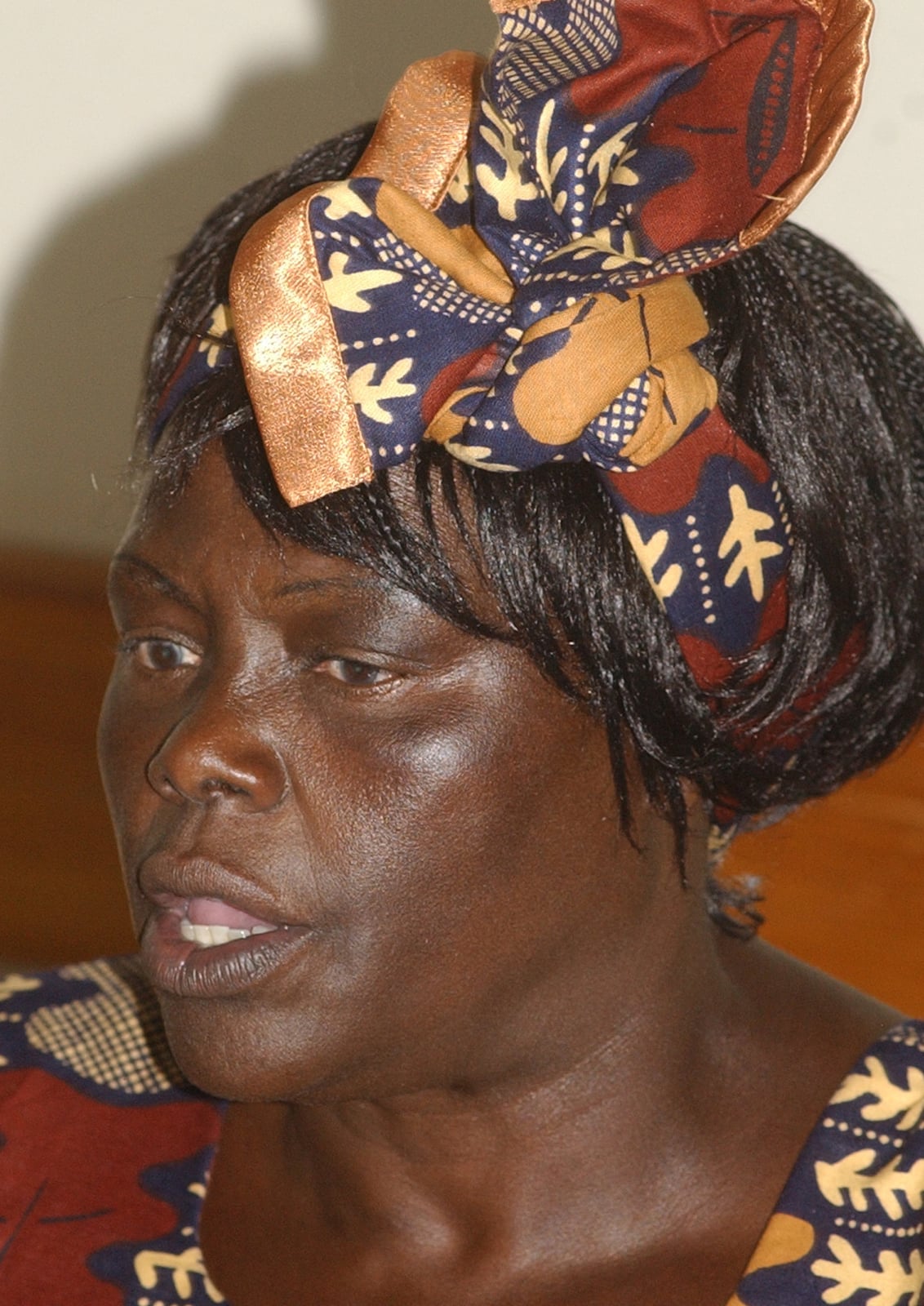
왕가리 마타이

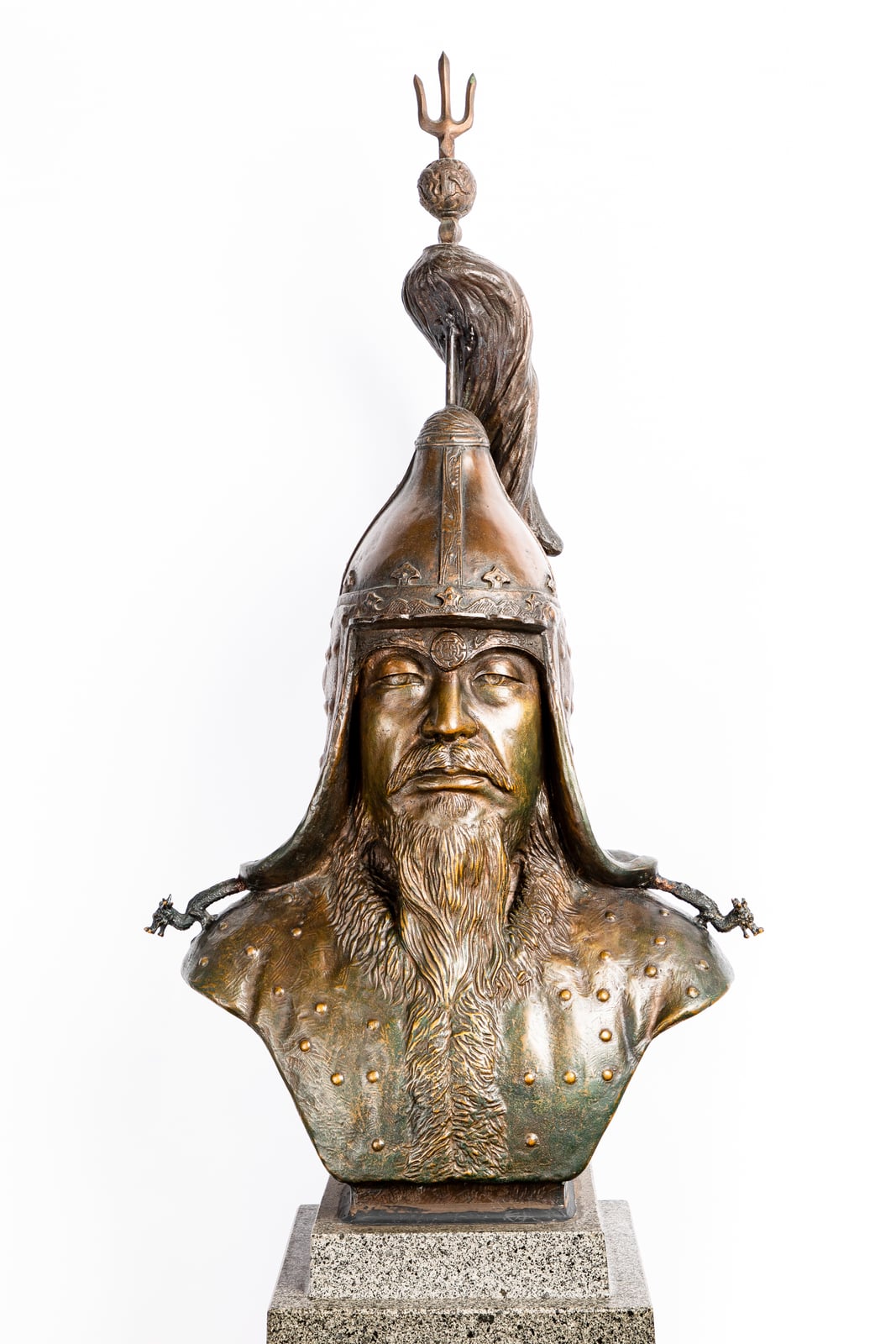
이순신

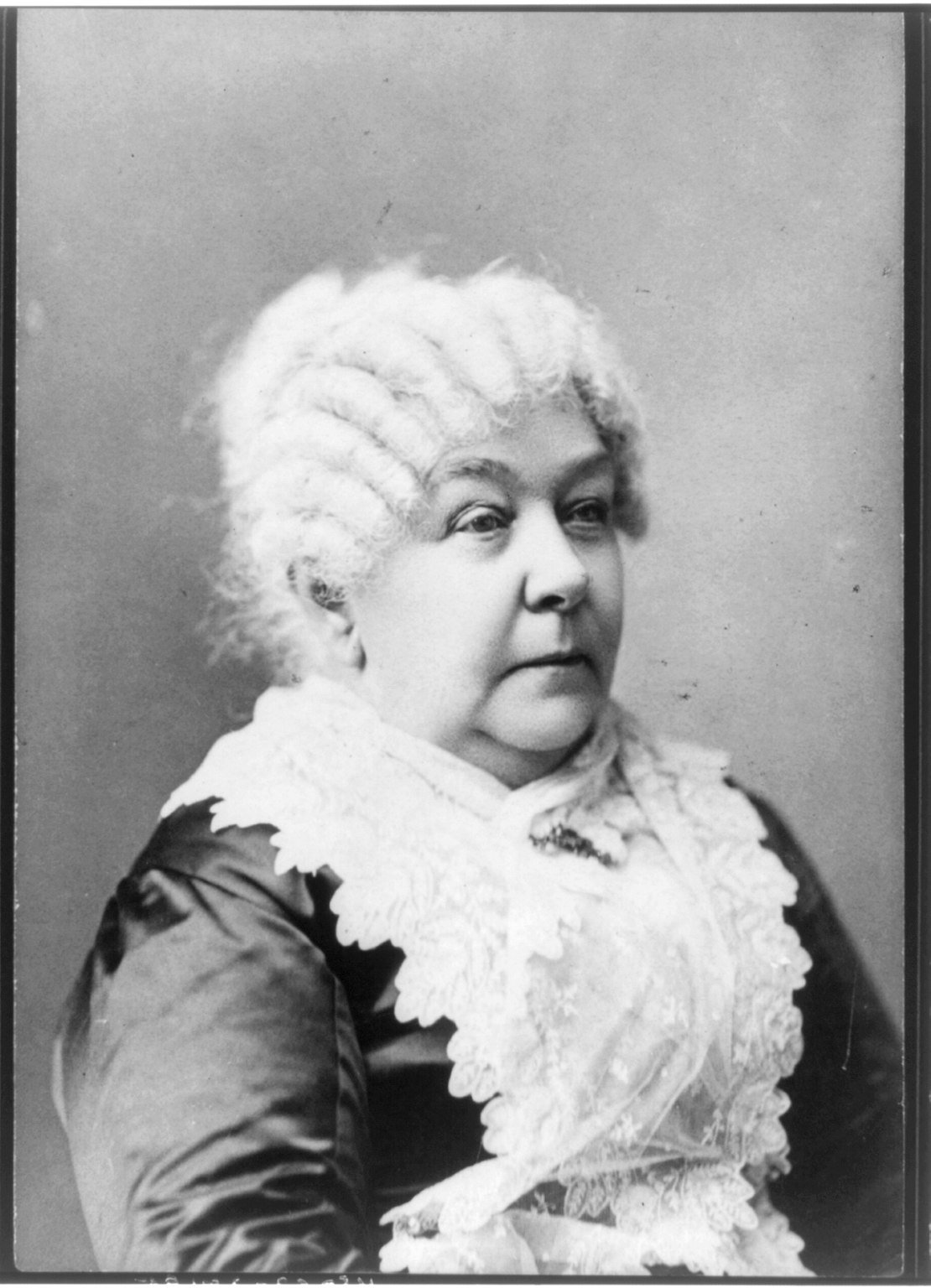
엘리자베스 케이디 스탠턴

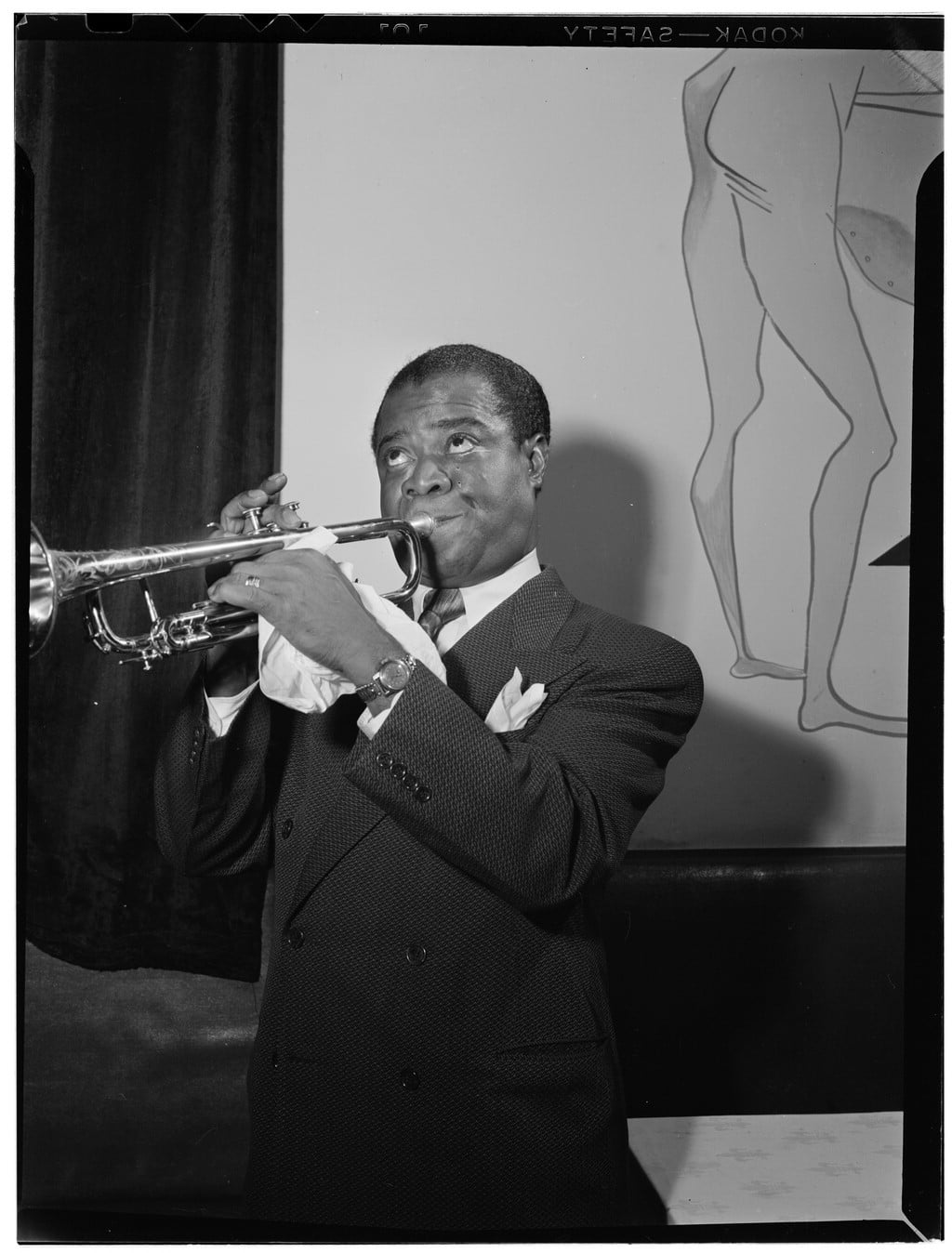
루이 암스트롱
출처
- Teresa of Avila (Q174880) -- verified live via the Wikidata API (2026-10-26): English label 'Teresa of Ávila', description 'Roman Catholic saint (1515-1582)', Korean label '아빌라의 테레사' (kowiki title '테레사 데 헤수스'), born 1515-03-28, died 1582-10-15 (Gregorian), P18 images 'Santa Teresa de Jesús (Museo del Prado).jpg' and a Rubens painting (neither used). Orientation only; not used as support for any row.
- Encyclopaedia Britannica, 'St. Teresa of Avila' (britannica.com), read in full. CANONICAL SIGNIFICANCE SOURCE: Spanish Carmelite mystic and author of spiritual writings; founded numerous convents and originated the Carmelite Reform that restored a contemplative, austere life; 1562 founding of the convent of St Joseph at Avila amid a storm of hostility, her insistence on poverty and public alms; some sixteen more foundations; the 1580 recognition of the reformed Carmelites with the support of Philip II; the Way of Perfection and Interior Castle; doctor of the church in 1970. Reference biography: authoritative on chronology, admiring, thin on behaviour; passages on illness and mystical states were read but not scored.
- The Catholic Encyclopedia (1912), 'St. Teresa of Jesus' (NewAdvent.org), read in full: Life written by herself completed in 1565, the founding of St Joseph's in 1562, foundations from Medina del Campo (1567) to Seville (1575) and Caravaca (1576), the Book of Foundations, the 1580 canonical establishment of the reform with Philip II's support, her death on 4 October 1582. Confessional and hagiographic (a Catholic reference work): used only to corroborate dates and the scale of the foundations; the visions and mystical manifestations it describes were excluded from scoring.
- EBSCO Research Starters, 'Saint Teresa of Avila' (Salem Press-derived biography), read in full: 1560 vow to follow the unmitigated Rule, the 1562 founding of San Jose and the origin of the name Discalced, objections from monks, nuns and Avila's townspeople who financed religious houses, seventeen convents founded 1567-1576 despite illness and opposition, the 1576-78 crackdown on Discalced leaders, the Inquisition requiring an account of her life and later interrogations, her many letters (458 survive) used to gather support, the 1580 papal separation of Discalced and Calced, canonisation in 1622. Neutral secondary summary; the converso-family and visionary passages were excluded.
- Gabriela Cunninghame Graham, 'Santa Teresa: Being Some Account of Her Life and Times, Together with Some Pages from the History of the Reform' (London: A. and C. Black, 1894), Internet Archive texts of both volumes, read in the passages on the Salamanca journey, the Andalusian journey, her administration of the foundations and dowries, the Inquisition's custody of the Life, and the Calced opposition and Nuncio Sega; the rest searched by keyword only. Victorian lay biography, admiring and sometimes polemical, but independent of the Carmelite Order and quoting her letters and contemporaries; letters quoted in it are cited only as her own words.
- Review of Shirley du Boulay's biography of Teresa of Avila (Carmelite-related reviewing site scross.co.za, 2005), read in full. COUNTER-VOICE: quotes the papal nuncio's description of her as 'a restless, gad-about, disobedient and contumacious woman who invented wicked doctrines and called them devotion', and the reviewer notes du Boulay's depiction of strong emotions and a tendency to vacillate between bossiness and humility, her determination, her forthright appeals to Philip II, and the need to conceal raptures from inquisitorial attention. A reviewer's secondary account of a biography whose own text was not opened.
- Fernando Moreno Cuadro, 'Origen andaluz de la vera effigies de San Juan de la Cruz y su repercusion en Flandes y Mexico' (Laboratorio de Arte 25, University of Seville, 2013, pp. 347-370), read in the opening pages on the Teresa portrait: a vera effigies must be painted from life; Teresa's portrait, recorded by Pacheco and Palomino, was painted in Seville by Fray Juan de la Miseria in early June 1576 so that the nuns of the new convent would be consoled at her departure (account of the prioress Maria de San Jose, who says Teresa consented to be portrayed, overcome by the Seville sisters' tears), and, according to Gracian, to mortify her; the Seville portrait is regarded as the origin of Teresian portraits. Peer-reviewed art-historical article used for the portrait only.
- Wikimedia Commons file pages 'Retrato de Santa Teresa de Jesus, fray Juan de la Miseria.jpg' and its cropped version (2022 photograph by Jl FilpoC of the oil painting dated 1576 at the Convento de las Teresas, Seville; licence CC BY-SA 4.0) and a Discalced Carmelite community blog post on the Fray Juan portrait, checked for the portrait only.