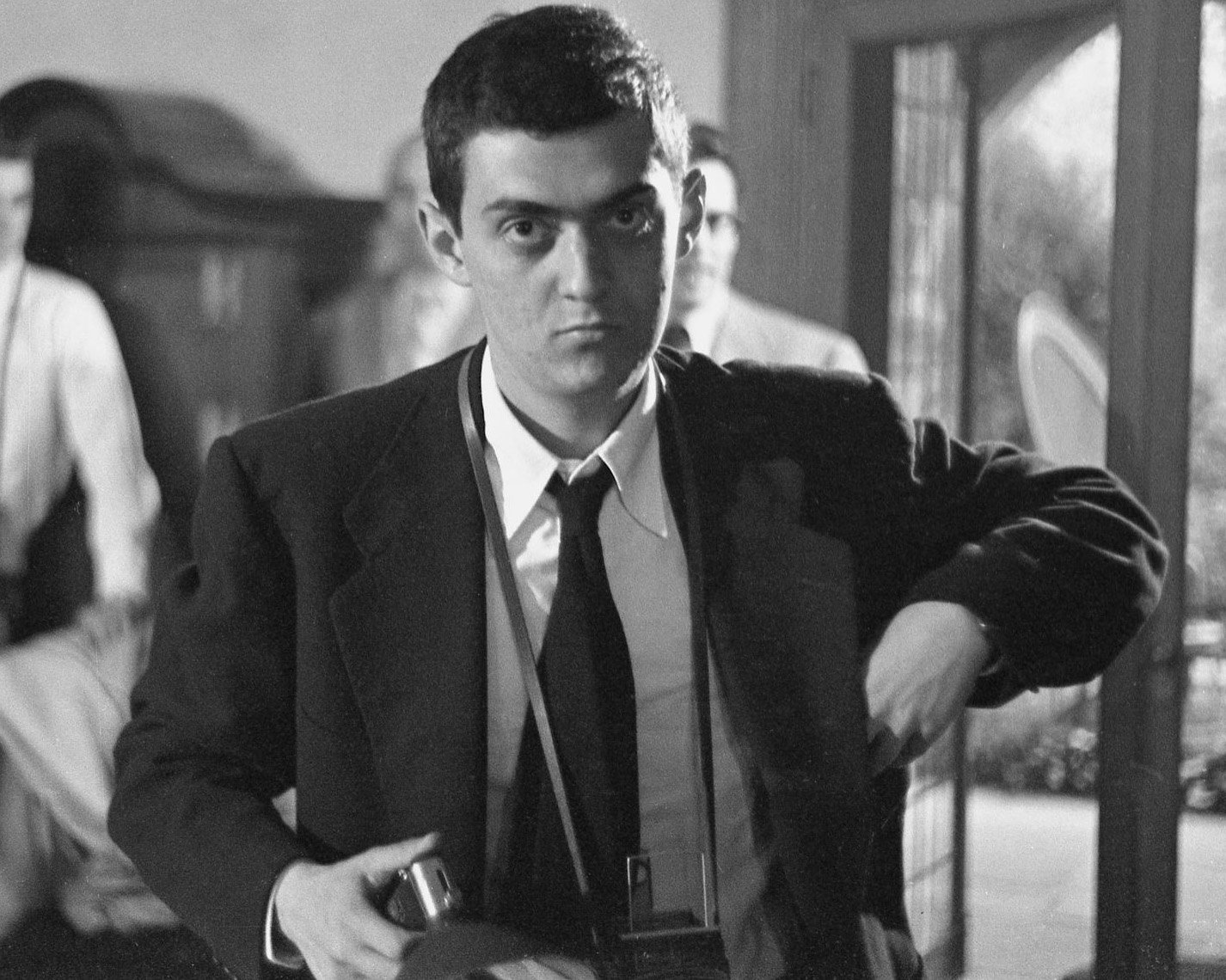
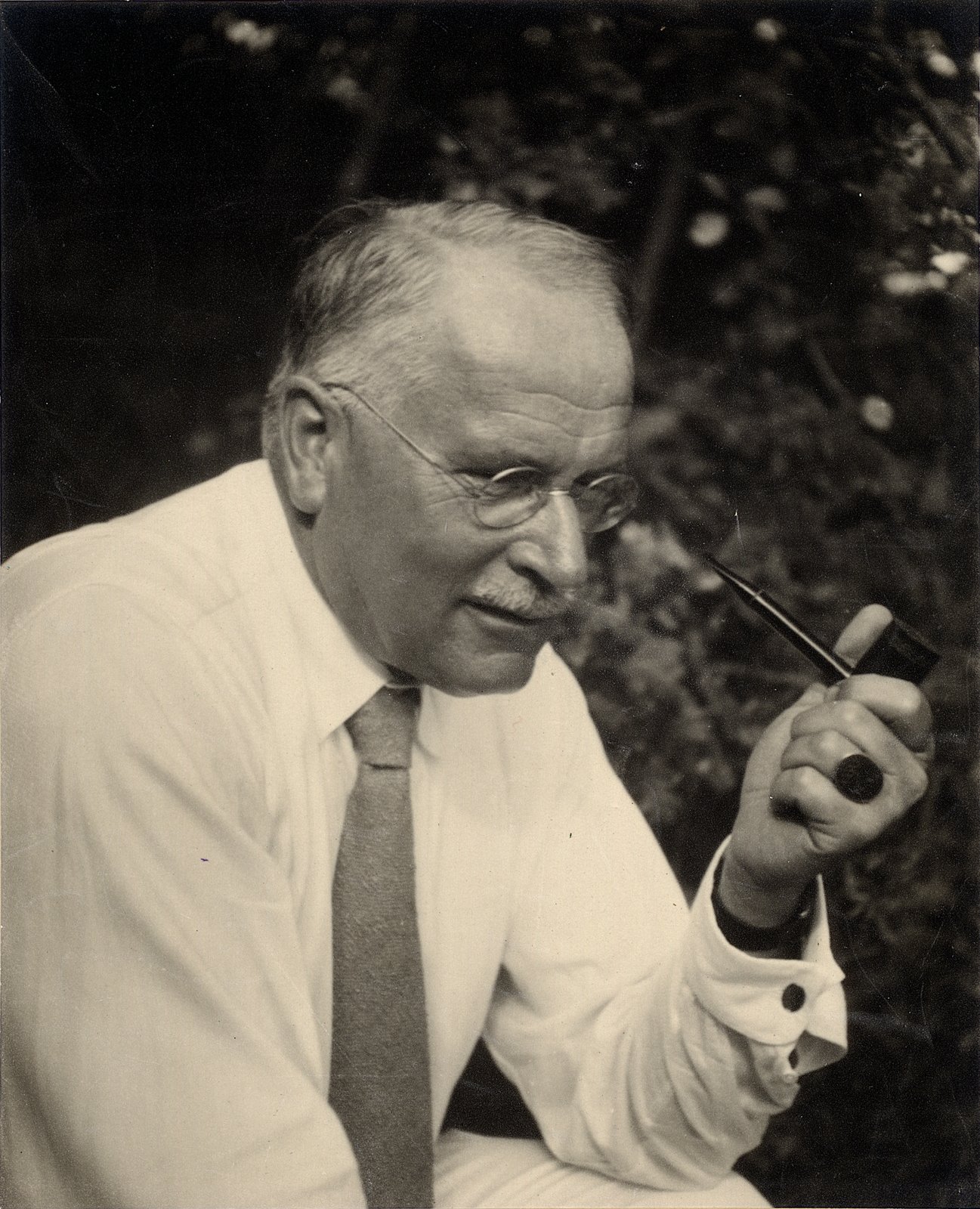
Phillip Harrington, photographer, LOOK Magazine Photograph Collection, Library of Congress, Prints & Photographs Division, LC-DIG-ds-01160 (1949) · Library of Congress, LOOK Magazine Photograph Collection (Cowles Communications; LOOK Job 49-U31 'Sadler's Wells Ballet', reproduction number LC-DIG-ds-01160), via Wikimedia Commons · Public domain (LOC LOOK Magazine Photograph Collection; Commons PD-Look)
핵심 특성
주요 업적
배리 린든에서 큐브릭은 자이스 플라나르 50mm f/0.7 렌즈를 사용했는데, 이 종류의 렌즈는 열 개만 만들어졌고 그중 여섯 개는 NASA용이었다. 시네마 프로덕츠 사장 에드 디줄리오가 이 렌즈를 큐브릭의 미첼 BNC 카메라에 맞게 개조해, 촛불이 밝히는 실내 장면을 보조 조명 없이 촬영할 수 있게 했다. 디줄리오는 아메리칸 시네마토그래퍼에, 큐브릭이 밤의 고성이 지닌 자연스러운 고색을 그대로 살리고 싶어 했고 필름 전체를 1스톱 증감 현상했다고 썼다.
1974년 큐브릭은 스테디캠 시제품으로 찍은 시연용 영화를 받고 시네마 프로덕츠에 텔렉스로 답신을 보냈다. 샤이닝에서는 스테디캠의 활용 가능성을 염두에 두고 여러 세트를 설계하게 했으며, 촬영을 맡은 개럿 브라운은 1980년 8월 아메리칸 시네마토그래퍼에 쓴 글에서 정원 미로의 모든 프레임을 스테디캠으로 찍었다고 밝혔다.
큐브릭은 1964년 3월 말 아서 C. 클라크에게 편지를 보내 SF 영화 공동 작업을 제안했고, 두 사람은 1964년 4월 22일 뉴욕 플라자 호텔에서 만났다. 1999년의 한 회고 글에 따르면 큐브릭은 2001: 스페이스 오디세이의 특수효과 팀을 직접 감독했으며, 팀에 속한 더글러스 트럼벌은 스타 게이트 장면에 쓰인 슬릿 스캔 장치를 개발했다. 영화는 1968년 4월 2일에 개봉했다.
삶의 장면들
2001: 스페이스 오디세이는 1968년 4월 2일에 개봉했다. 큐브릭은 초기 관객들이 영화를 좋아하지 않았다고 보았고, 4월 5일부터 9일 사이에 편집자 레이 러브조이와 함께 약 19분을 잘라냈으며, 이미 상영 중이던 극장들에 수정 지침을 보냈다. 그는 장면의 적정 길이를 정하려면 몇 차례 상영을 거쳐 봐야 한다고 설명하면서도, 이 삭제가 결정적인 차이를 만들었다고는 생각하지 않는다고 말했다.
이 재편집은 관객의 반응을 본 뒤 완성된 작품을 손보는 데 열려 있었음과 부합한다. 삭제가 영화를 좋아하거나 싫어한 사람들에게는 큰 차이가 없었다는 그 자신의 언급은, 작품 자체에 대한 그의 견해가 바뀐 폭은 제한적이었음을 시사한다. 입장 수정 성향
워너의 홍보 담당자 줄리언 시니어가 1980년 2월 런던에서 밝힌 바에 따르면, 큐브릭은 시계태엽 오렌지를 상영할 뉴욕의 한 극장 벽과 천장이 반사를 일으키는 광택 흰색 래커로 칠해져 있다는 사실을 알게 되었다. 그는 런던에서 비계를 세우고 도색할 수 있는 맨해튼 업체 목록을 보냈고, 며칠 뒤에는 어떤 검은색을 쓰는지 물었다. 광택이 있는 검은색이면 같은 문제가 생기기 때문이었다. 벽은 무광 검은색으로 다시 칠해졌다.
시니어는 이 일화를 기술적 문제에 대한 큐브릭의 정밀함을 보여 주는 사례로 든다. 이는 영화 자체뿐 아니라 완성된 영화가 관객에게 보이는 조건에까지 주의를 기울였음과 부합한다. 디테일 지향
전환점
1959년 스파르타쿠스 촬영이 시작되고 며칠이 지났을 때, 커크 더글러스는 첫 감독을 교체하려고 해리스-큐브릭 사에 큐브릭을 빌려 달라고 요청했고, 제작자 제임스 B. 해리스에 따르면 회사는 그 계약이 수입을 가져다준다는 점도 있어 이를 받아들였다. 큐브릭은 훗날 이 경험을 통해, 계약서에 명시하지 않으면 자신의 결정이 존중받지 못할 가능성이 크다는 것을 알게 되었다고 말했다.
그의 언급은 의사결정 권한을 쥐려는 강한 선호와 부합한다. 다만 이는 그 자신의 사후적 해석이며, 이후 그가 실제로 어디까지 통제할 수 있었는지를 독립적으로 보여 주는 기록은 아니다. 자율성 욕구
비슷한 인물
전체적인 프로필이 이 사람과 닮은 사람들이에요.
출처
- Stanley Kubrick -- orientation only (birth/death dates, citizenship, feature-film list and years, 1961 move to England, Look staff-photographer years); not used as support for any scored row. Fetched and read.
- Stanley Kubrick (Q2001) -- identity verified live via the wbgetentities API: label 'Stanley Kubrick', description 'American filmmaker and photographer (1928-1999)', born 26 Jul 1928, died 7 Mar 1999, ko label '스탠리 큐브릭', P18 'Stanley Kubrick (1949 portrait by Phillip Harrington - cropped).jpg'. Orientation only.
- Ed DiGiulio (president, Cinema Products Corp.), 'Two Special Lenses for Barry Lyndon', American Cinematographer (1976; issue date not stated on the page), mirrored on The Kubrick Site (visual-memory.co.uk) -- FIRSTHAND supplier's account (non-self for Kubrick; the author sells the equipment he describes) of the 1972-75 adaptation of a Zeiss f/0.7 lens to a Mitchell BNC, the 36.5 mm adapter, the 24 mm lens Kubrick rejected, the 20-to-1 zoom, push-processing of the whole film and Kubrick's stated reasons. The page's TLS certificate has expired, so it was fetched over plain HTTP with curl and read in full (page 1 of 1; pages 2-3 return 404).
- Garrett Brown, 'The Steadicam and The Shining Revisited', American Cinematographer (original Aug 1980; revised 1 Mar 2022; theasc.com) -- FIRSTHAND operator's account (non-self) of the 1974 Kubrick telex about the Steadicam demonstration film, the sets designed for Steadicam use, take counts and framing demands, the 'harp test' variant, the rebuilt track and the year-long shoot. Fetched (whole article via WebFetch extraction); every passage cited was checked against the raw page text.
- 'Interviews with Colleagues' on The Kubrick Site (visual-memory.co.uk), excerpted from Michel Ciment, Kubrick (1982): interviews with producer James B. Harris (Cannes, May 1973), production designer Ken Adam, cinematographer John Alcott (London, Feb 1980) and Warner publicist Julian Senior (London, Feb 1980) -- four distinct FIRSTHAND colleague accounts (non-self) of Kubrick's preparation, sets, lighting, take practice, release and exhibition supervision. Ciment is the interviewer/compiler common to all four, so the page is counted conservatively as one source record although the speakers differ. TLS certificate expired; fetched over HTTP with curl and read in full.
- Nick Pinkerton, 'Interview: James B. Harris (Part One)', Film Comment (undated on the page) -- FIRSTHAND account (non-self) by Kubrick's producing partner of the Harris-Kubrick company from 1955, the Brando/One-Eyed Jacks arrangement, Spartacus (Kirk Douglas asking to borrow Kubrick), Lolita's script and its UK production (economic incentive) and the Red Alert-to-Dr. Strangelove satire decision. Fetched; the passages cited were checked against the raw page text (a long interview, not every line read).
- Sam Wigley, 'Producing The Shining: Jan Harlan on Kubrick', BFI, 31 Oct 2012 -- FIRSTHAND account by Kubrick's executive producer and brother-in-law (non-self): the Warner offer of The Shining, Kubrick's condition of writing what he wanted, and his agreeing to shorten the film for release outside the US ('He was not that stubborn'). All Harlan interviews and quotes (this, Sight and Sound, Zeiss) count as ONE perspective. Fetched and read in full.
- Nick Wrigley, 'The right-hand man: Jan Harlan on Stanley Kubrick', Sight and Sound / BFI (published 2013, page shows 'Updated: 22 November 2019') -- Harlan on Traumnovelle (Warner contract 1970, postponed, revisited before The Shining, abandoned again, realized as Eyes Wide Shut), weekend home viewings, and 'Fast he was not - neither was Vermeer'. Same Harlan perspective as src_kubrick_harlan_bfi. Fetched; the interview text was read from the raw page (the Room 237 and exhibition sections were skimmed).
- ZEISS press release, '(Probably) the most famous lens in the world comes back home', 21 Sep 2022 -- carries Jan Harlan's first-person recollection of how Kubrick learned of the Planar 0.7/50 in American Cinematographer, was told by Zeiss it could not be used on a motion-picture camera, and pursued the question; a company page re-telling Harlan, so the SAME Harlan perspective (and the same episode DiGiulio describes from his side). Fetched and read.
- Kaleem Aftab, 'I'm Envisaging a New Kind of Movie: SFX Legend Douglas Trumbull on Kubrick, Malick and the Future of Film', Filmmaker Magazine, 28 Aug 2013 -- FIRSTHAND interview with the 2001 effects artist (non-self): Kubrick's command of technology, the moon-terrain disagreement ('agreed to disagree'), the Saturn-to-Jupiter switch and his backing of the spherical scanner. Fetched; the passages cited were checked against the raw page text; the Kodak perforation call is reported by Trumbull only as a 'legendary story' and is not used as a documented episode.
- Scott Tennent, 'Full Metal Jacket Diary: A Q&A with Matthew Modine', LACMA Unframed, 4 Mar 2013 -- FIRSTHAND actor's interview (non-self): Kubrick's use of repetition to strip actors' posing, about two years in London on the shoot (stated in the interviewer's question and not disputed), Kubrick encouraging Modine's diary. Modine's remarks on Kubrick's temperament and his own family are not used. Fetched; the Q&A was read from the raw page text through the diary answers.
- Thomas E. Brown, '2001's Pre- and Post-Premiere Edits', The Kubrick Site (undated) -- secondary research note quoting Kubrick's own remarks: 2001 opened 2 Apr 1968, early audiences and reviews were unfavourable, Kubrick and editor Ray Lovejoy re-cut it 5-9 Apr 1968 (about 19 minutes), and the helmetless airlock sequence was kept once published experiments suggested it was survivable. Quotes from Kubrick are self-reported; the perspective is the author's. TLS certificate expired; fetched over HTTP with curl; the premiere/trims section and Kubrick quotes were read, the shot-by-shot reconstruction of the trims was not used.
- George D. DeMet, 'The Special Effects of 2001: A Space Odyssey', DFX (July 1999), reproduced on The 2001 Archive -- secondary retrospective: pre-production from mid-1965, consultants Ordway and Lange, the monolith models rejected, the corset-factory effects reel used to sell the film, the Slit Scan machine. Fetched; read from the raw page text (the closing effects paragraphs were skimmed). Quotes Kubrick's published remark on 'completely convincing' effects (self).
- Fondation Napoleon page for Alison Castle (ed.), Stanley Kubrick's Napoleon: The Greatest Movie Never Made (Taschen, 2011) -- reproduces the PUBLISHER's blurb (promotional language): about two years of research, dozens of assistants, an Oxford Napoleon specialist, about 15,000 location photographs and 17,000 slides. Counted as one secondary/publisher perspective and only corroborating the firsthand Alcott account. Fetched and read.
- Tim Greiving, 'From Kubrick to Spielberg: The Story of A.I.', The Ringer, 29 Jun 2021 -- long-form retrospective drawing on Aldiss, Ian Watson's essay, Sara Maitland, Jan Harlan and Bonnie Curtis: the Brian Aldiss story kindled in 1977, revived 1982, writers cycled through to 1995, the November 1993 announcement after Jurassic Park, and Harlan's statement that Kubrick believed Spielberg the better director for it. Secondary; Harlan's quote is the same Harlan perspective. Fetched; the passages cited were checked against the raw page text.
- A J Black, 'Spartacus | Stanley Kubrick and the wrong Mann', Film Stories, 9 Sep 2024 -- secondary feature: Anthony Mann's replacement, Kubrick's requests on set (Rome extras, soundstages, a battle scene), his disputes with Douglas, Trumbo and Russell Metty, and his later remarks (to Gene D. Phillips and Charles Kohler) about decisions not being respected. The remarks are Kubrick's own (self); the author's claim that it was the last film without his control is one writer's characterization. Fetched; the Kubrick/Spartacus sections were read from the raw page text.
- Sam Wigley, 'The letter from Stanley Kubrick that started 2001: A Space Odyssey', BFI, 3 Dec 2014 -- reproduces and describes Kubrick's late-March 1964 letter proposing a science-fiction collaboration with Arthur C. Clarke (three stated areas of interest), Clarke's 8 April reply and the 22 April 1964 Plaza Hotel meeting; letters courtesy of SK Film Archives LLC. The letter is Kubrick's own words (self); the dated action is what is used. Fetched and read in full.