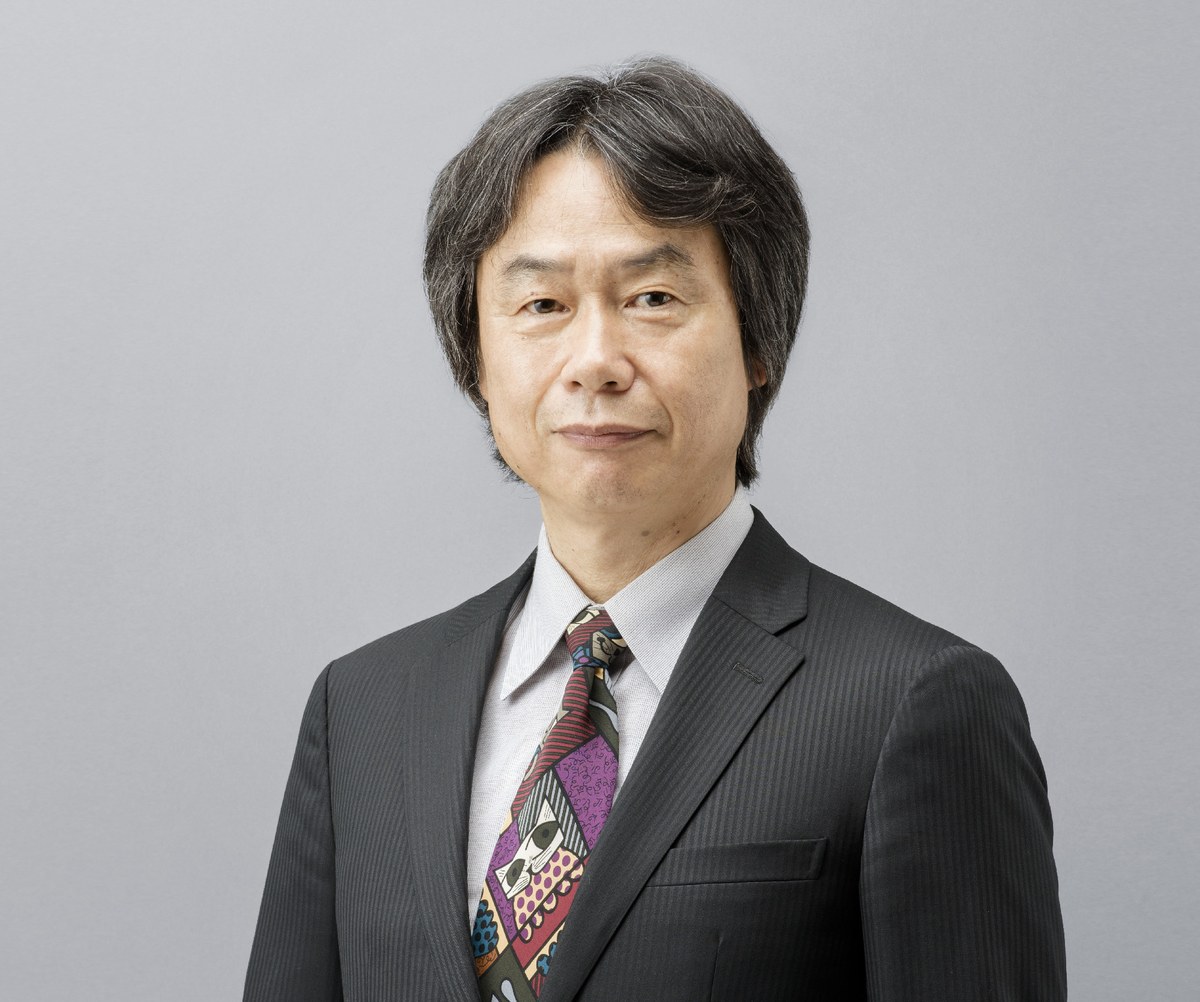

Photo: Ministry of Education, Culture, Sports, Science and Technology (Japan), Minister's Secretariat Personnel Division, CC BY 4.0 · Wikimedia Commons, 'Shigeru Miyamoto 20150610.jpg' -- portrait photograph by the Minister's Secretariat Personnel Division of Japan's Ministry of Education, Culture, Sports, Science and Technology, published on the ministry's Person of Cultural Merit page. Original 2000 x 1670 pixels (SHA-1 c3cc612b, matches the Commons record); saved here downscaled once to 1200 x 1002 pixels (no crop, never upscaled). Lead review: photograph date unresolved - the Commons EXIF/description say 10 June 2015 but the credited ministry page is the 2019 honours list (Wikipedia gives the Person of Cultural Merit as 2019); both dates are recorded and the file does not depend on the date for its CC BY 4.0 basis. · CC BY 4.0
제품 디자이너 · 현대
미야모토 시게루
b. 1952
주요 업적 분야
아직 성격 매칭에 포함되지 않았습니다 — 기록된 근거가 성격 모델 전체를 다루기에는 충분하지 않습니다. 이 페이지의 다른 모든 내용은 자유롭게 확인하실 수 있습니다.
핵심 특성
주요 업적
미야모토는 1977년 닌텐도에 디자인 담당으로 입사했고, 첫 주요 임무는 팔리지 않은 레이더스코프 기판에 넣을 새 아케이드 게임이었다. 그 결과물인 『동키콩』(1981)에서 훗날 마리오가 되는 캐릭터가 등장했다. 백과사전 사이트 엔사이클로피디아닷컴의 인물 항목은 모자와 콧수염 같은 초기 모습이 당시 하드웨어의 픽셀 제약에서 나왔다고 쓴다.
그는 『슈퍼 마리오 브라더스』와 『젤다의 전설』을 만들었고, 『슈퍼 마리오 64』(1996)로 시리즈를 2D에서 3D로 옮겼다. 이와타가 묻는다 인터뷰는 그를 『슈퍼 마리오 64』의 감독으로 소개한다. 이후 『시간의 오카리나』(1998), 『피크민』, 『스타폭스』에도 이름을 올렸고, 『슈퍼 마리오 갤럭시』에서는 감독이 아닌 프로듀서로 참여했다.
2012년 아스투리아스 왕세녀상 재단은 그에게 커뮤니케이션·인문 부문상을 수여했고, 심사위원단은 그를 교육적이고 구성적인 비디오 게임 혁명의 주요 설계자라고 불렀다. 일본 문부과학성은 2019년 문화공로자 명단에 그를 미디어 예술(게임) 분야, 닌텐도 대표이사 펠로로 올렸다.
삶의 장면들
『슈퍼 마리오 갤럭시』를 두고 미야모토는 이와타가 묻는다 인터뷰에서 중력과 구형 필드를 3D 마리오의 고유한 특징으로 골랐다고 말했다. 직원들은 그런 것을 게임이라 부를 수 있느냐며 반대했고, 그는 『페이퍼 마리오』와 『마리오 128』에서 말린 모양이나 구형 필드를 시도했다가 접어 두었던 일을 떠올렸다.
본인의 설명에 따르면, 이전 아이디어를 되살려 여러 프로젝트에서 시험해 보는 태도와 일치한다. 실험 성향
레트로 스튜디오의 마크 파치니는 이 텍사스 스튜디오가 『메트로이드 프라임』을 시작했을 때 미야모토의 첫 지시가 모프볼과 1인칭 시점 사이의 전환을 매끄럽게 하라는 것이었고, 그러지 못하면 이 게임을 만들 수 없다는 말이었다고 회상했다. 팀이 이를 해내는 데 몇 달이 걸렸고, 그제야 미야모토가 승낙했다.
프로젝트를 진행시키기 전에 게임 조작감의 구체적인 부분을 끝까지 따지는 태도와 일치한다. 디테일 지향
전환점
『슈퍼 마리오 갤럭시』에 이르러 미야모토는 『슈퍼 마리오 64』 때와 달리 감독이 아닌 프로듀서로 일하고 있었다. 그는 이와타가 묻는다 인터뷰에서 자신이 감독이었다면 이 게임을 만들지 못했을 것 같다고 했고, 팀이 도쿄에 있는 동안 교토에 머물며 이메일과 화상회의로 새 빌드를 검토했다고 말했다.
게임을 직접 연출하는 데서 다른 사람이 이끄는 팀을 이끌어 주는 쪽으로 옮겨 간 것과 일치한다. 협업 성향
비슷한 인물
전체적인 프로필이 이 사람과 닮은 사람들이에요.


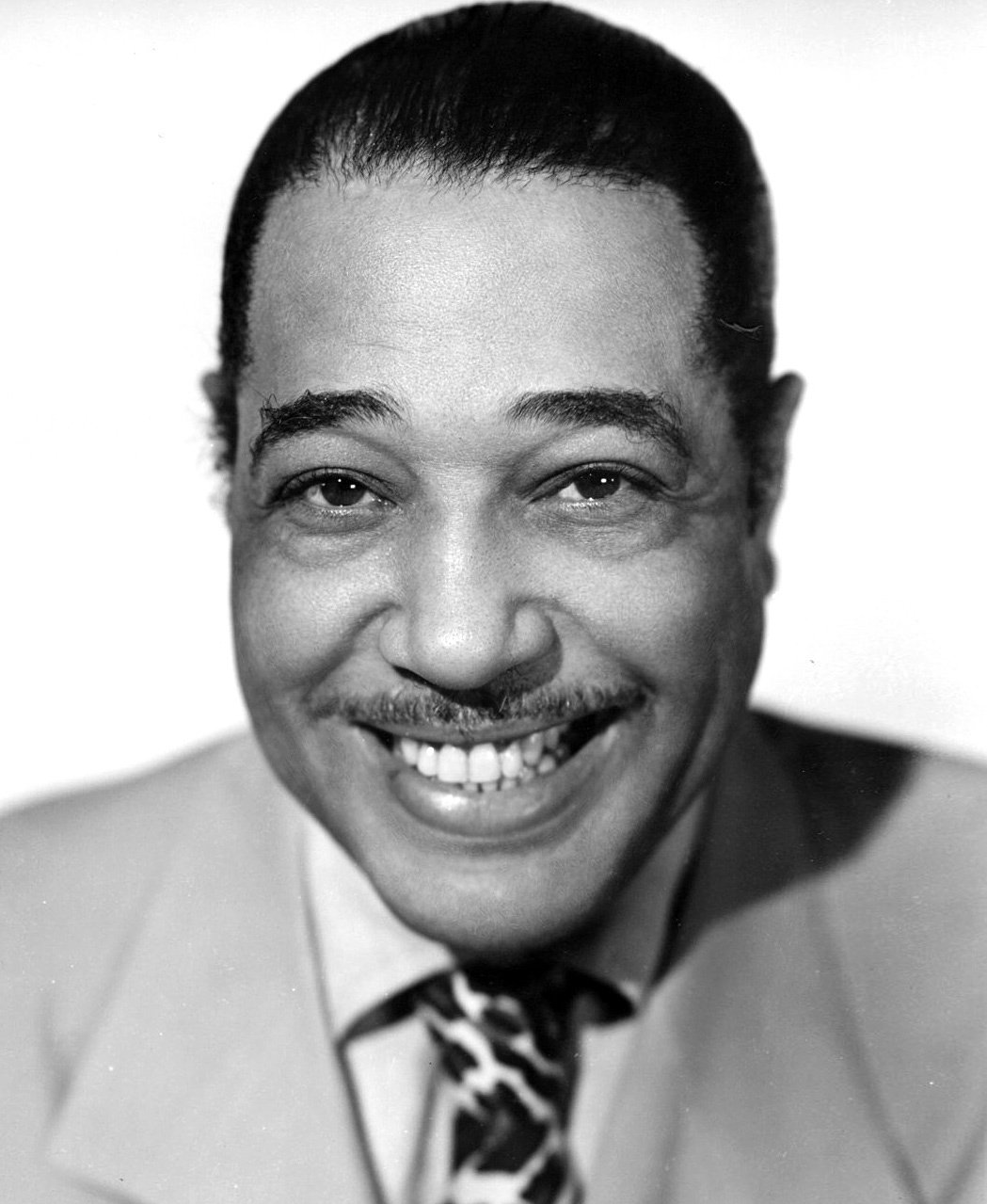
듀크 엘링턴

엘리자베스 1세

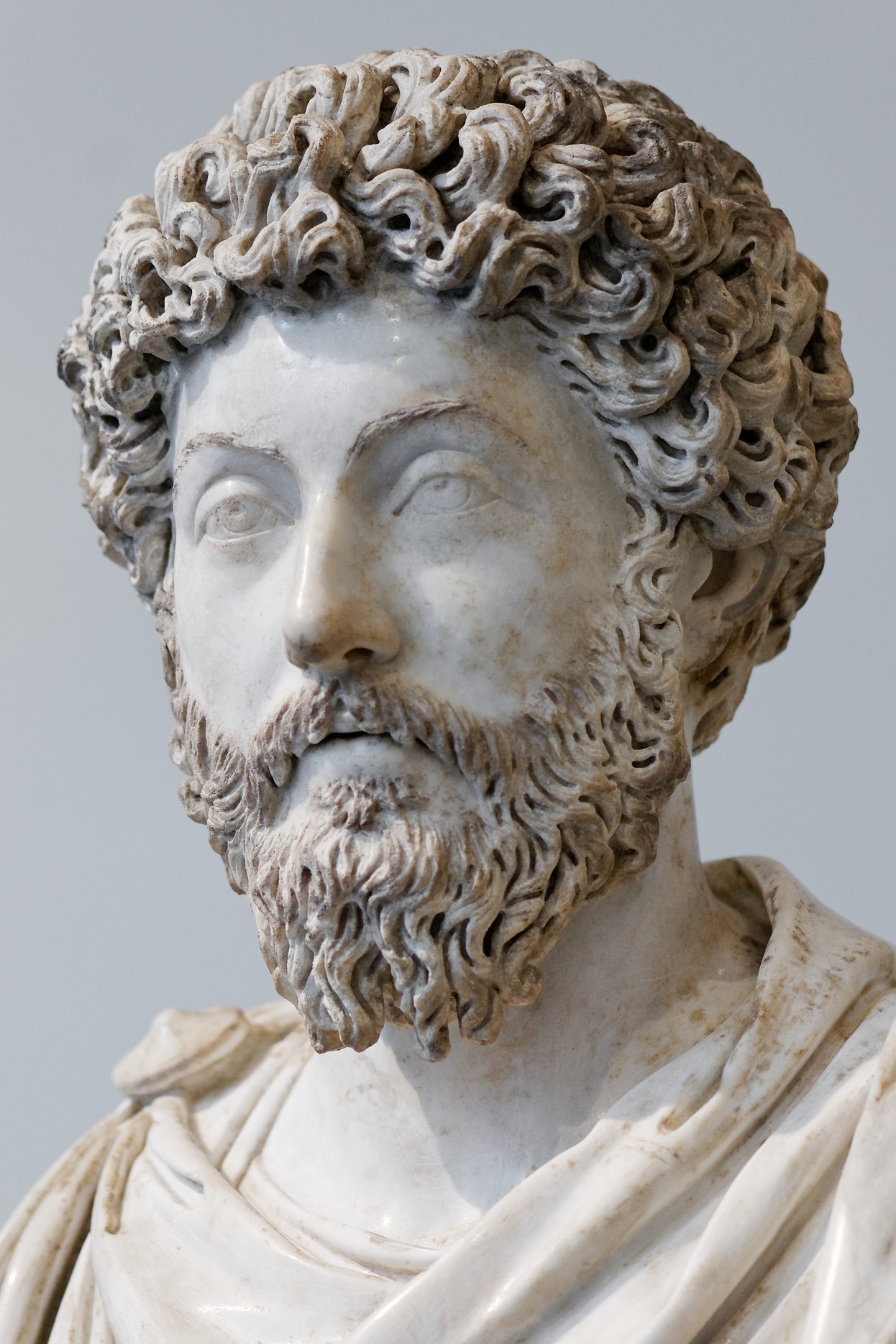
마르쿠스 아우렐리우스

소저너 트루스

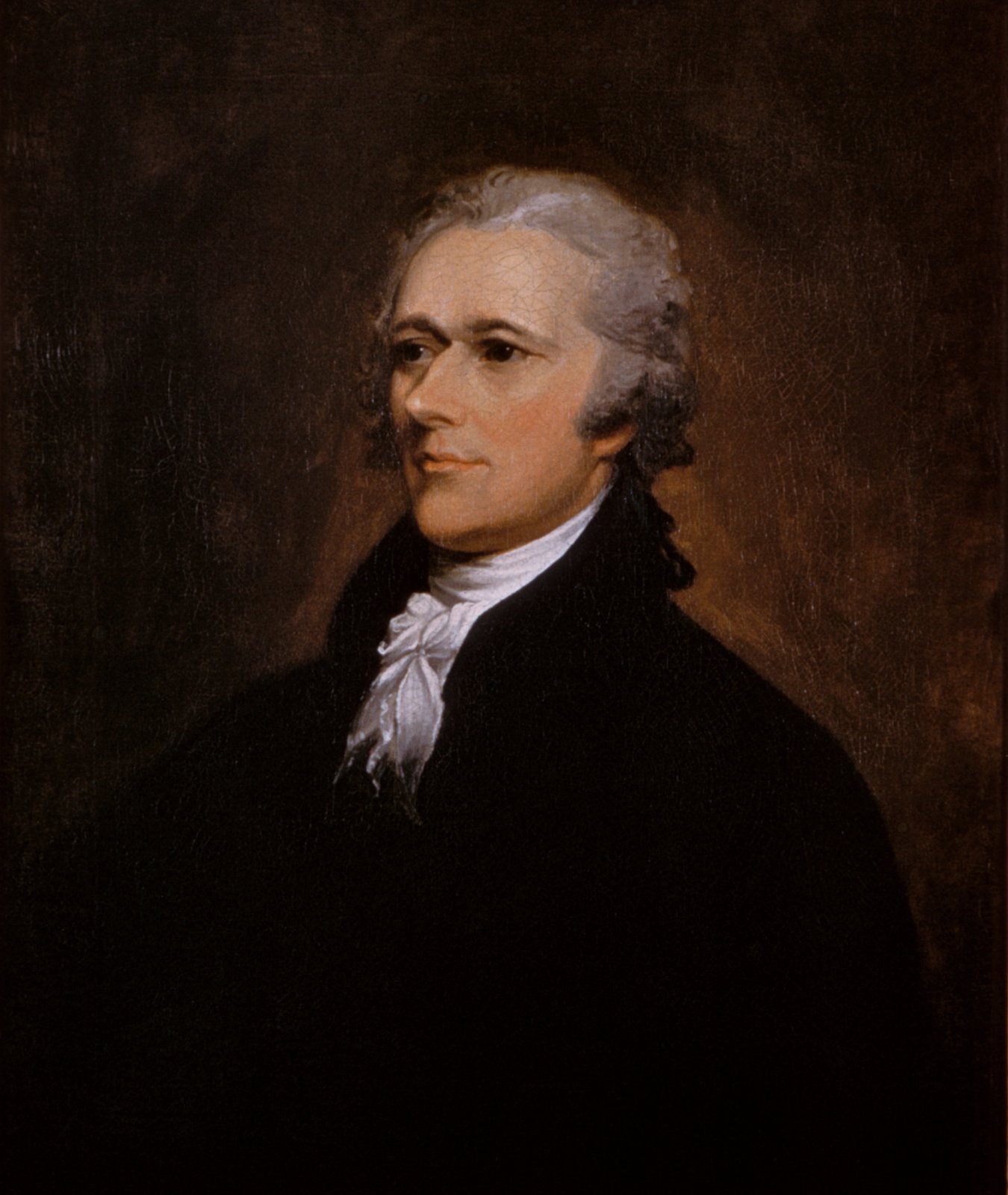
알렉산더 해밀턴
출처
- Shigeru Miyamoto (Q12382) -- verified live via the Wikidata API (2026-10-22): English label 'Shigeru Miyamoto', description 'Japanese video game designer (born 1952)', born 16 November 1952, no date of death, citizenship Japan, Korean label present. Orientation only; not used as support for any row.
- Princess of Asturias Foundation, 'Shigeru Miyamoto', 2012 Princess of Asturias Award for Communication and Humanities (fpa.es laureate page) -- the foundation's own announcement, read in full (it carries only the jury's announcement paragraph; the separate minutes were not opened): the jury, meeting in Oviedo on 23 May 2012 and chaired by Adela Cortina Orts, granted the award to Miyamoto and calls him the 'main architect of the revolution' in educational and constructive video games, notes that he is known for excluding violence from his creations, and describes his games as 'virtual dreams' that let millions of people interact across ideological, ethnic and geographic boundaries. Institutional statement of significance only; supports no trait row. CANONICAL SIGNIFICANCE SOURCE (with the Japanese ministry list below).
- Ministry of Education, Culture, Sports, Science and Technology (Japan), list of the 2019 Persons of Cultural Merit (Reiwa 1; mext.go.jp press release attachment, read in full from the Internet Archive copy of 28 July 2024 because the live page now returns 404) -- the ministry's own list names Shigeru Miyamoto, 'representative director and fellow, Nintendo Co., Ltd.', in the field 'media arts (games)'. Institutional record of the honour only; supports no trait row. CANONICAL SIGNIFICANCE SOURCE (with the Asturias page).
- Encyclopedia.com (Gale, Contemporary Authors / Newsmakers style entry), 'Miyamoto, Shigeru' -- biographical reference entry compiling press coverage, read in full and used for career facts and press assessments only: joined Nintendo in 1977 as a design artist; Donkey Kong (1981) as his first major assignment, giving Mario his early look; Super Mario Bros., The Legend of Zelda, Super Mario 64 (the move from 2-D to 3-D), Ocarina of Time, Pikmin and others; press descriptions quoted from Time, Wired, the New York Times, Newsweek and others (a 'Steven Spielberg of video games'; an 'instantly recognizable aesthetic'; 'creative longevity is unmatched'). Admiring compilation; its passages on family, pay and royalties, boyhood and hobbies, and one unsupported 'first' claim about music were deliberately not used.
- Nintendo, 'Iwata Asks: Super Mario Galaxy, Volume 4: Shigeru Miyamoto' (iwataasks.nintendo.com, pages 2 and 3, read in full) -- company-published interview by Nintendo's then president Satoru Iwata (SELF plus company voice; never sole support for a row): Miyamoto describes choosing gravity and a spherical field as the distinct feature of a 3-D Mario, the staff's objections ('Can we really call something like that a game?'; 'is Mario going Sci-Fi now?'), earlier unsuccessful attempts to use a rolled or spherical field in Paper Mario and in Mario 128, his attempt to build it into Doshin the Giant, his role as producer rather than director on Galaxy with the team about 400 km away in Tokyo and review meetings by video conference, playing each course in front of the staff and telling them what he could and could not tolerate, and his email to everyone involved defining the 'essence of Mario'; Iwata relays that director Koizumi compared his playing to sampling the team's first dishes. Page 1 (a short cooperative-play segment) was fetched but its content was not used. Self-reported and company-friendly.
- Game Informer, 'The Inside Story On The Star Fox Sequel That Took More Than 20 Years To Release', 30 September 2017 -- magazine feature, read in full: the Star Fox 2 team worked under the watchful wing of Nintendo designers Shigeru Miyamoto and Katsuya Eguchi on open dogfight environments, a strategic galaxy map and a transforming Arwing; programmer Dylan Cuthbert (an outside collaborator from Argonaut) is quoted that 'Miyamoto has always said Star Fox is an experimental platform' and that everyone was willing to experiment; the game was cancelled in 1995 after the industry moved to polygon consoles, with a 2011 Iwata Asks quotation from Miyamoto about why ('We didn't think we could catch up even if we stuck this expensive chip in the cartridge, so we rethought it'); it finally shipped with the SNES Classic in 2017. Independent press feature built partly on one outside collaborator and partly on Miyamoto's own words.
- Time Extension, 'Star Fox Programmer Dylan Cuthbert Reflects On Its 30-Year Legacy' (timeextension.com interview), read in full from the saved page -- interview with the British programmer who worked on Star Fox in Kyoto and later founded Q-Games: at an early meeting Miyamoto said he wanted the plane rendered in polygons because drawing all its frames took too much time, which led to Argonaut's work on the Super FX chip; Nintendo staff turned the game cuter and more cartoon-like (Cuthbert says he 'heard' Miyamoto liked Thunderbirds, which is hearsay and is not used); years later Miyamoto asked Q-Games to make Star Fox for the DS, said of its first demo that it was good but 'we really want you to push it even further' and did not want to copy the original, and, after Q-Games pitched two prototypes, signed up both and then chose DigiDrive. Independent outside-collaborator account, friendly in tone; Cuthbert's statements about what Miyamoto 'realized' are inference and were not used.
- Mathew Kumar and Leigh Alexander, 'MIGS 2007: Retro Studios On The Journey Of Metroid Prime', Game Developer (Gamasutra), 27 November 2007 -- conference report, read in full: Retro Studios chief Michael Kelbaugh and game director Mark Pacini recall Miyamoto and Iwata's first visit to the young Texas studio (teams came out saying 'he hates everything'; Miyamoto asked 'why would you put guns on cars?' of a car-combat concept, and Pacini says one lead afterwards called him 'ridiculous', which Pacini took as a problem because a team that cannot take criticism is in trouble), Miyamoto being 'heavily involved' in Metroid Prime and feeling third-person shooting was not intuitive, his first directive that the morph ball-to-first-person transition be seamless or 'we can't do this game' (the team took a few months and he then said 'okay'), and Nintendo repeatedly saying 'there's something missing' late in development and supplying the scan visor idea, which the team found boring at the time. Independent outside-studio account with candid, partly critical remarks; the scan visor passages speak of 'Nintendo' collectively, not Miyamoto personally.
- Wikimedia Commons file page 'Shigeru Miyamoto 20150610.jpg' (with the Commons API record) plus the Ministry of Education, Culture, Sports, Science and Technology website terms of use (mext.go.jp/b_menu/1351168.htm) -- checked for the portrait's licence: author given as the ministry's Minister's Secretariat Personnel Division, source the ministry's Person of Cultural Merit page, licence CC BY 4.0 via the ministry's Government Standard Terms, licence-reviewed on Commons by a user on 15 January 2020. Not used for any scoring.