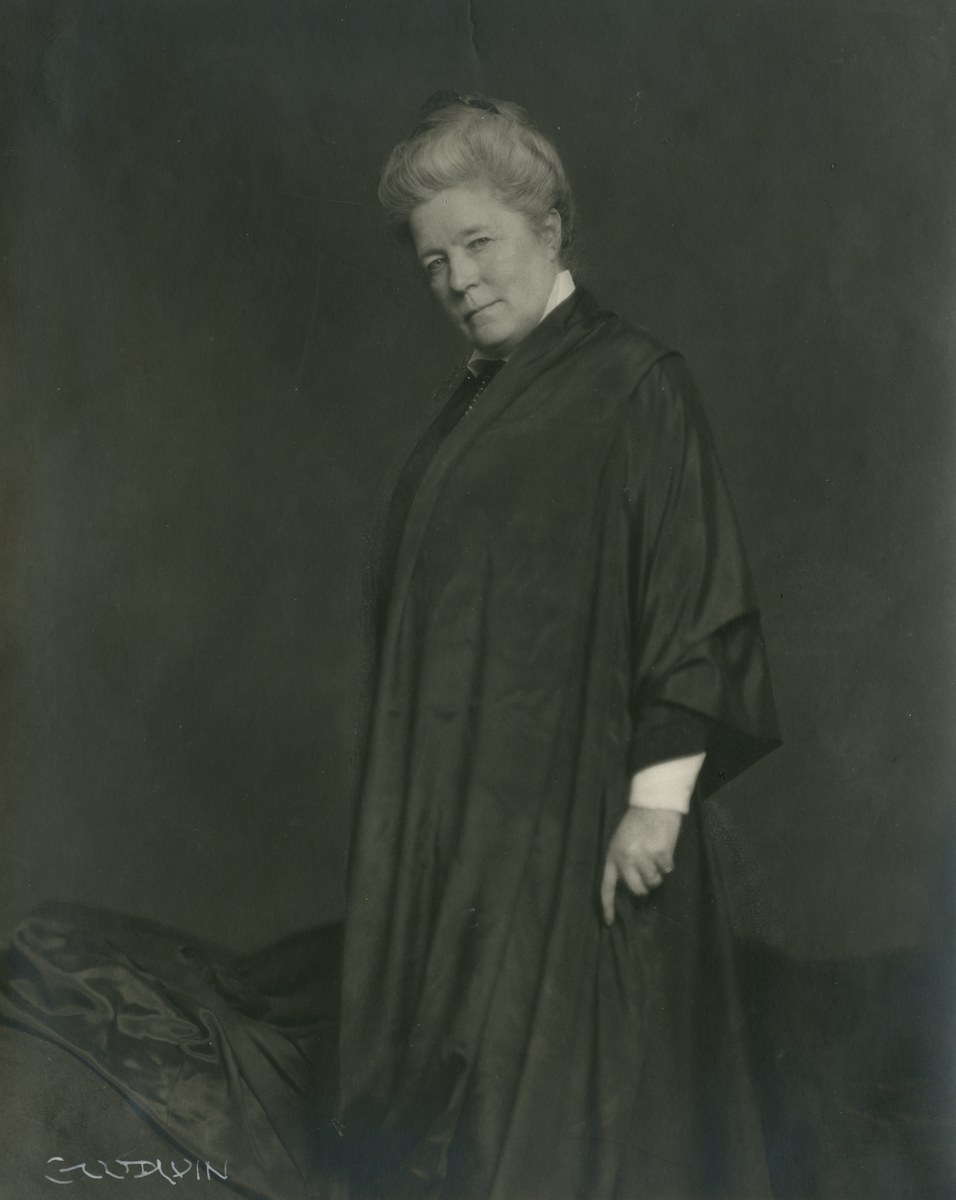

Photograph by Henry B. Goodwin, c. 1917, Uppsala University Library (Alvin), via Wikimedia Commons (public domain) · Wikimedia Commons file 'Selma Lagerlof by Goodwin 1917.png' (Uppsala University Library, Alvin collection): a signed studio portrait photograph of Selma Lagerlof standing in a dark robe, made around 1917 by the Swedish photographer Henry B. Goodwin (1878-1931); original 3647 x 4576 pixels, downscaled to 956 x 1200 with no cropping. Public domain because the photographer died in 1931 and Swedish copyright had expired long before 1996, so it was never restored in the United States; the library's own item page could not be opened, so its stated terms were not checked. · Public domain (photographer died 1931)
핵심 특성
주요 업적
데뷔 장편 《예스타 베를링 이야기》(1891)는 당시 지배적이던 사실주의에서 벗어난 작품이었고, '숭고한 이상주의, 생생한 상상력, 영적 통찰'로 1909년 노벨 문학상을 받아 이 상을 받은 첫 여성이 되었다.
성지로 이주한 스웨덴 농민들을 다룬 《예루살렘》(1901~02)과 학교 독본으로 쓴 《닐스 홀게르손의 신기한 스웨덴 여행》(1906~07)은 해외에서 가장 널리 읽힌 작품으로, 그녀의 명성을 떠받치는 또 다른 기둥이다.
1914년 스웨덴 아카데미 회원이 되어 1940년 세상을 떠날 때까지 회원으로 있었고, 노벨상 상금으로 가문의 영지 모르바카를 되사들였으며, 이곳은 그녀의 유언에 따라 기념 저택으로 보존되었다.
삶의 장면들
《예루살렘》을 쓰면서 그녀는 성지로 이주한 농민들에 관한 신문 기사에만 의존하지 않고, 그들의 고향 교구와 예루살렘을 직접 찾아가 이야기를 연구했다.
이는 상상력에 기댄 작품을 직접 조사로 뒷받침하려는 태도와 부합한다. 숙련 지향
데뷔작에 대한 평가가 극명하게 갈린 뒤 그녀는 책 속 거의 모든 것이 현실에 바탕을 두고 있다고 항변했고, 비평의 공격은 몇 년간 그녀를 불안하고 조심스럽게 만들었다.
이는 적대적 비평에 대한 초기의 방어적 반응과 부합하지만, 그녀는 계속 글을 쓰며 실험했다. 갈등 감내
전환점
1895년 란스크로나의 여학교에서 10년간 가르친 뒤 그녀는 왕실과 스웨덴 아카데미의 지원에 힘입어 교직을 그만두고 글쓰기로 생계를 꾸리기 시작했다.
이는 엇갈린 초기 평가를 넘어서도 이어진 글쓰기에 대한 오랜 헌신과 부합한다. 끈기
비슷한 인물
전체적인 프로필이 이 사람과 닮은 사람들이에요.


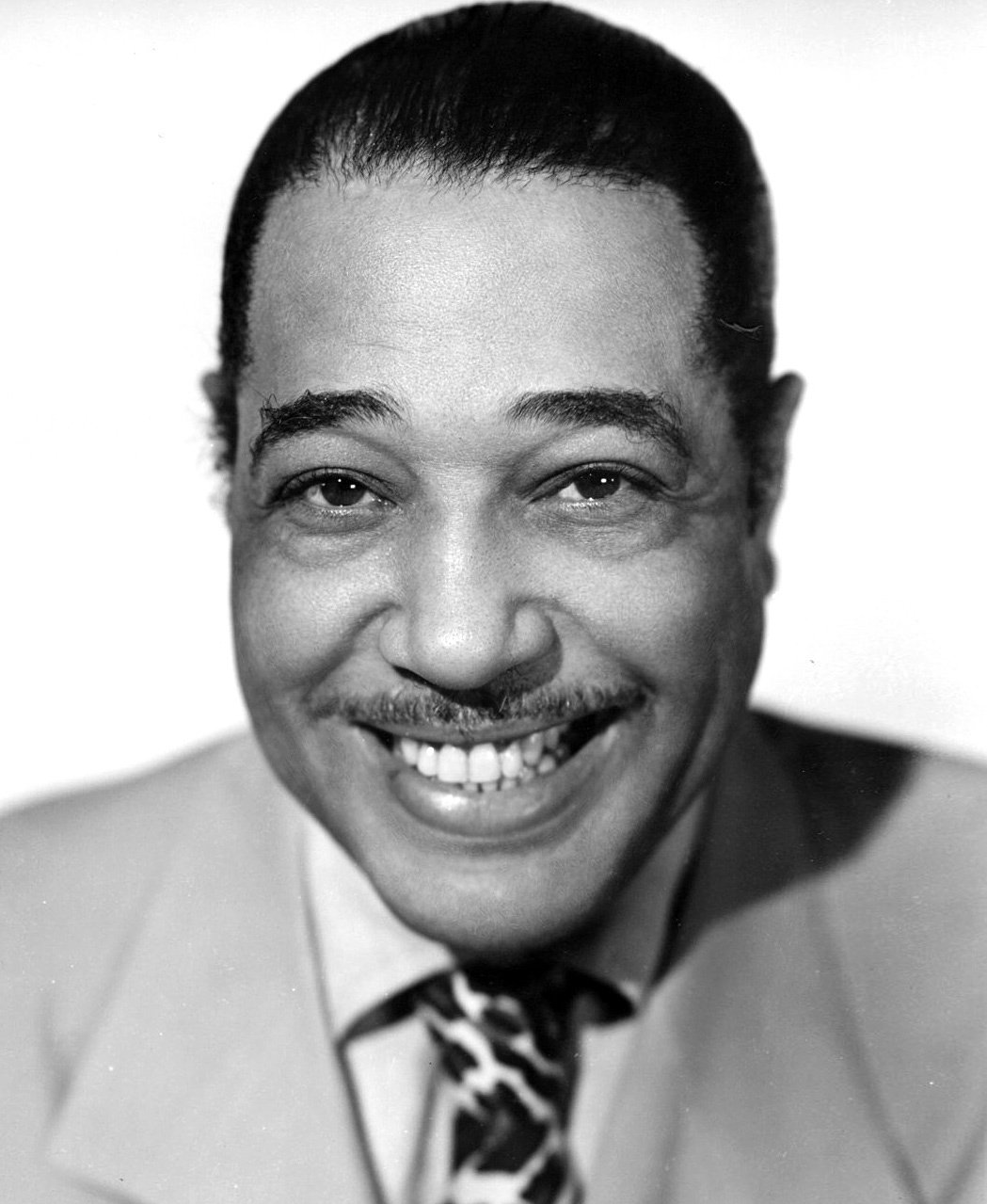
듀크 엘링턴

쿠사마 야요이

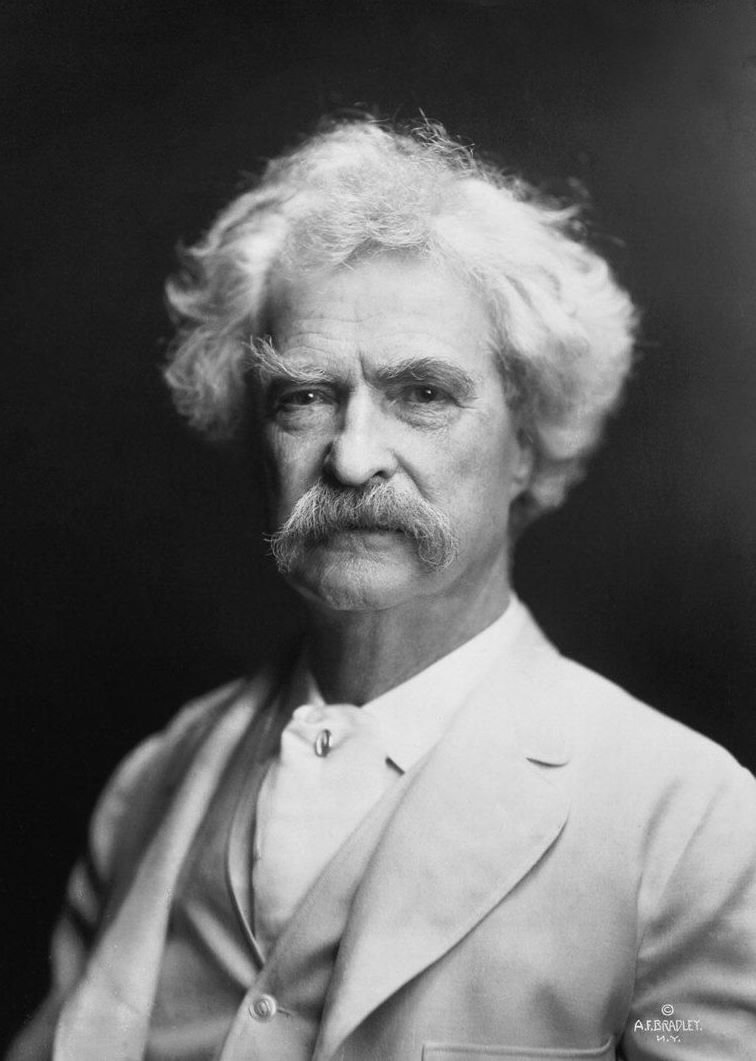
마크 트웨인

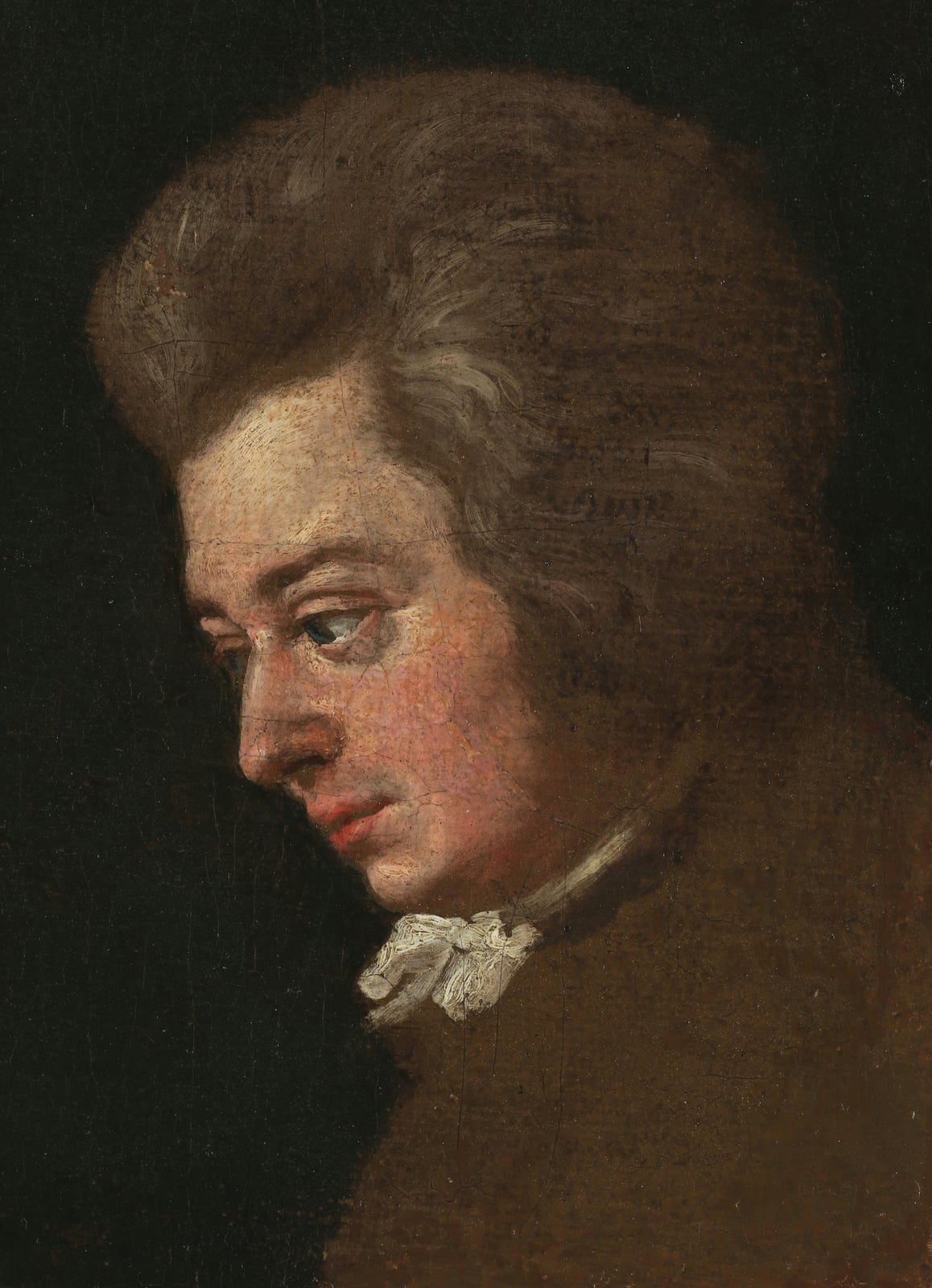
볼프강 아마데우스 모차르트

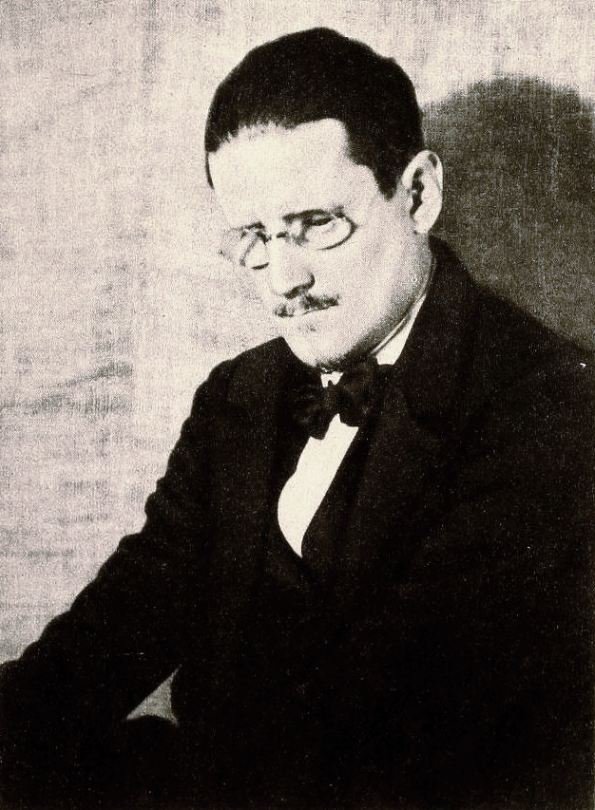
제임스 조이스
출처
- Selma Lagerlof (Q44519), verified live via the Wikidata API (2026-10-31): label 'Selma Lagerlof', description 'Swedish writer (1858-1940)', born 20 November 1858, died 16 March 1940, Korean label present. Orientation only; not used as support for any row.
- Wikipedia, 'Selma Lagerlof', fetched for orientation (dates, Academy membership, the existence of her suffrage speeches). Orientation only; never counted as support for any row.
- NobelPrize.org, 'Selma Lagerlof - Biographical' (the biography written at the time of the 1909 award and republished in Nobel Lectures), read in full: trained as a teacher, taught at the girls' secondary school in Landskrona from 1885, published nothing until a 1890 weekly's prize competition, Gosta Berlings Saga (1891) went unnoticed until its Danish translation was acclaimed, in 1895 support from the royal family and the Swedish Academy encouraged her to give up teaching, then Jerusalem (1901-02), Nils Holgersson (1906) and the later trilogy and Marbacka memoirs. CANONICAL SIGNIFICANCE SOURCE: the prize body's own contemporaneous account; favourable by nature.
- NobelPrize.org, 'Selma Lagerlof - Facts' (2026), read in full: gives the prize motivation ('lofty idealism, vivid imagination and spiritual perception'), says her debut novel broke away from the then-prevailing realism and naturalism, that her writing is rooted in folk tales and legends of her home district, and that the prize money let her buy back the family estate Marbacka. Institutional summary, favourable by nature.
- NobelPrize.org, presentation speech for the 1909 Nobel Prize in Literature, read in full: a contemporary account for the Swedish Academy of why she was chosen, noting that Gosta Berlings Saga broke with the 'false realism' of the time yet was criticised severely by some, praising Jerusalem and The Girl from the Marsh Croft, and naming the Academy's gold medal of 1904. Speech by a member of the body that chose her, so admiring and not independent of the award.
- NobelPrize.org, list of women Nobel Prize laureates, read: chronological list in which Selma Lagerlof (Literature, 1909) is the earliest woman shown for the Literature prize, with later literature laureates such as Grazia Deledda (1926) following. Used only to support the statement that she was the first woman awarded the Literature prize.
- Svenskt kvinnobiografiskt lexikon, 'Selma Ottilia Lovisa Lagerlof' (article by Lisbeth Stenberg, 2018; in Swedish), read in full: a scholarly biography of her path from the Landskrona teaching post to full-time writing, the stylistic break of Gosta Berlings saga from 1880s realism, the harsh reviews from Carl David af Wirsen and Karl Warburg and the support of Georg Brandes, her field research for Jerusalem, the long preparation and travels for Nils Holgersson, the buying back of Marbacka, her membership of the Swedish Academy from 1914 and that she never stopped writing. Independent scholarly lexicon; its political and personal-life parts were not used.
- Svenskt biografiskt lexikon, 'Selma O L Lagerlof' (article by Ying Toijer-Nilsson, 1977-79; in Swedish), read in full: the national biographical dictionary's entry, with her career dates and honours (Swedish Academy member from 1914), the observation that she habitually worked up modest material imaginatively, her trips to Nas and Jerusalem for the novel, the thorough rewrite of its second part for the 1909 edition, and how the harsh criticism of Wirsen, set against Brandes's praise, made her known but also unsure and tentative. Independent scholarly reference; some personal-life remarks were not used.
- Marbacka foundation site, 'Entreprenoren' page (in Swedish), read in full: describes how she ran the estate commercially after returning, with an apple orchard, kitchen and herb gardens, a shop, a mechanised farm and, for a period, the oat-flour company Marbacka Havremjol (sold in Stockholm and exported to the United States), which did not become the success she had hoped, after which she added a bakery. Estate-foundation page named for her, so self-affiliated and admiring; used only for dated activities.