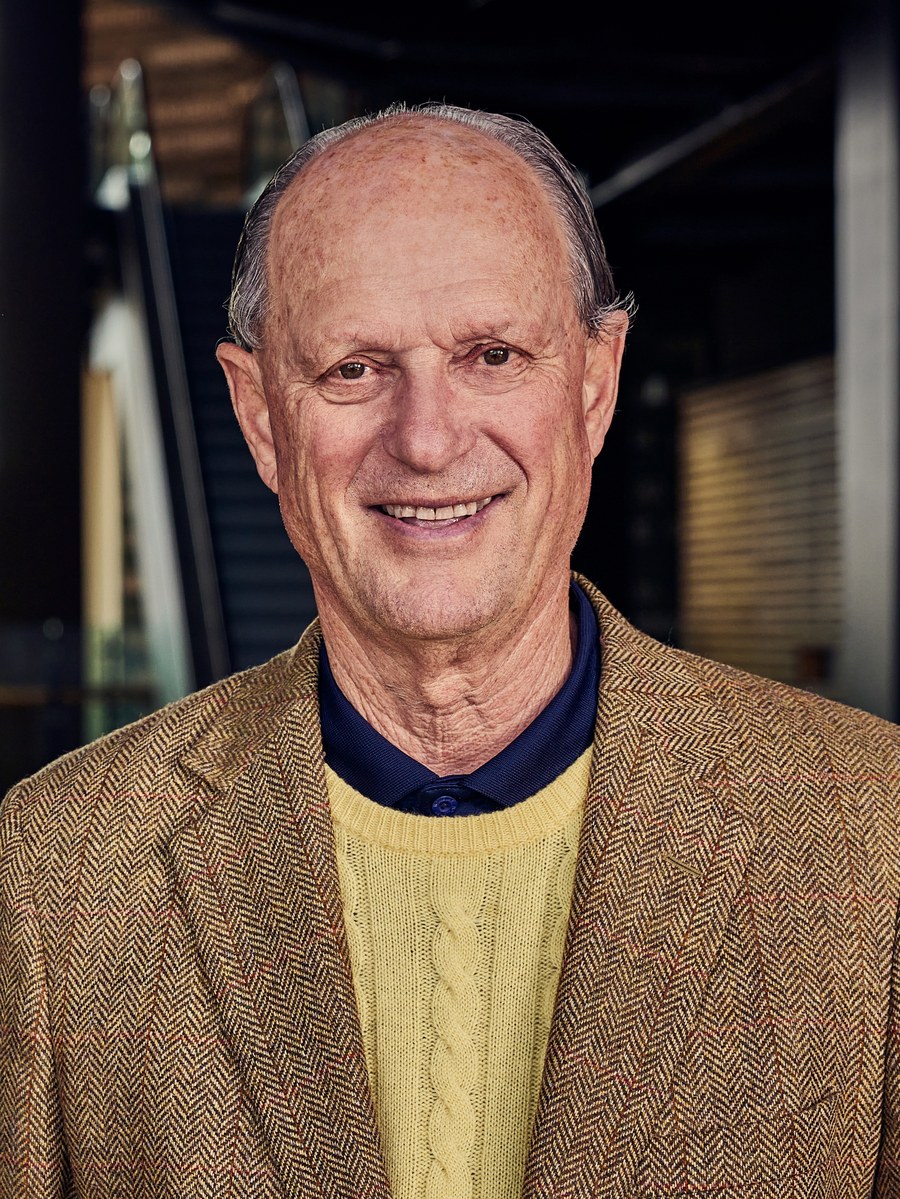
Photo: Titanic Belfast, 2023, CC BY 2.0 · Wikimedia Commons 'Dr. Ballard visit 2023 (52976464273) (cropped).jpg' (derivative of 'Dr. Ballard visit 2023 (52976464273).jpg'), photograph by Titanic Belfast, 30 March 2023 at the launch of the Titanic Belfast Reimagined galleries, originally from Flickr (photo 52976464273), tagged CC BY 2.0 with a FlickreviewR 'passed' record (24 March 2024) on the parent file; the live Flickr page shows CC BY 2.0. The image was viewed and shows an older man in a tweed jacket matching the description of Ballard at the launch. Downscaled only, from the Commons cropped size 2948 x 3927 to 900 x 1199 pixels; no upscaling. · CC BY 2.0
탐험가 · 현대
로버트 밸러드
b. 1942
주요 업적 분야
아직 성격 매칭에 포함되지 않았습니다 — 기록된 근거가 성격 모델 전체를 다루기에는 충분하지 않습니다. 이 페이지의 다른 모든 내용은 자유롭게 확인하실 수 있습니다.
핵심 특성
주요 업적
프랑스 해양연구소 IFREMER와 함께 아르고 영상 썰매를 이용해 1985년 9월 1일 타이태닉호 잔해를 찾아낸 팀을 이끌었다. 이후 비스마르크호와 존 F. 케네디의 PT-109 등 여러 침몰선을 찾아 심해 고고학의 토대를 닦았다.
1977년 갈라파고스 해저 균열 탐사와 1979년 동태평양 탐사에 참여해 열수 분출구와 블랙 스모커, 그리고 화학합성 생물 군집을 발견했다. 그는 타이태닉보다 이 업적으로 기억되기를 선호한다고 로드아일랜드대 소개문은 전한다.
원격 조종 시스템 아르고와 제이슨을 개발했고, 1989년 학생들에게 탐사 영상을 생중계하는 JASON 프로젝트를 시작했으며 연구선 노틸러스를 운영하는 오션 익스플로레이션 트러스트를 세웠다.
삶의 장면들
1977년 첫 타이태닉 탐색은 빌린 소나와 카메라를 단 파이프 줄이 무너져 내리며 끝났지만, 그는 아르고-제이슨 시스템을 만들어 격자 탐색으로 1985년 잔해를 찾아냈다.
비용이 큰 실패 뒤에도 더 나은 방법으로 목표에 다시 도전하는 경향과 일치한다. 끈기
해군은 먼저 스레셔호와 스콜피온호 잔해를 조사한다는 조건으로 아르고 개발을 지원했고, 그는 그 뒤 남은 기간에 타이태닉을 수색했다. 1985년 당시 해군 대변인은 이 사업을 장비 시험이라고만 설명했다.
후원자의 필요와 자신의 탐사 목표를 함께 충족하는 자금 경로를 찾아내는 경향과 일치한다. 자원 활용 성향
전환점
탑승 중이던 프랑스 잠수정의 화재, 앨빈호의 균열 끼임, 바티스카프의 암벽 충돌을 겪은 뒤 그는 유인 잠수 대신 카메라를 단 로봇을 선호하게 되었고, 이는 아르고와 제이슨, 이후 원격 현장감 탐사로 이어졌다.
기존 방식의 한계와 위험이 드러나자 방법을 바꾸는 경향과 일치한다. 적응력
비슷한 인물
전체적인 프로필이 이 사람과 닮은 사람들이에요.


마하트마 간디

넬슨 만델라

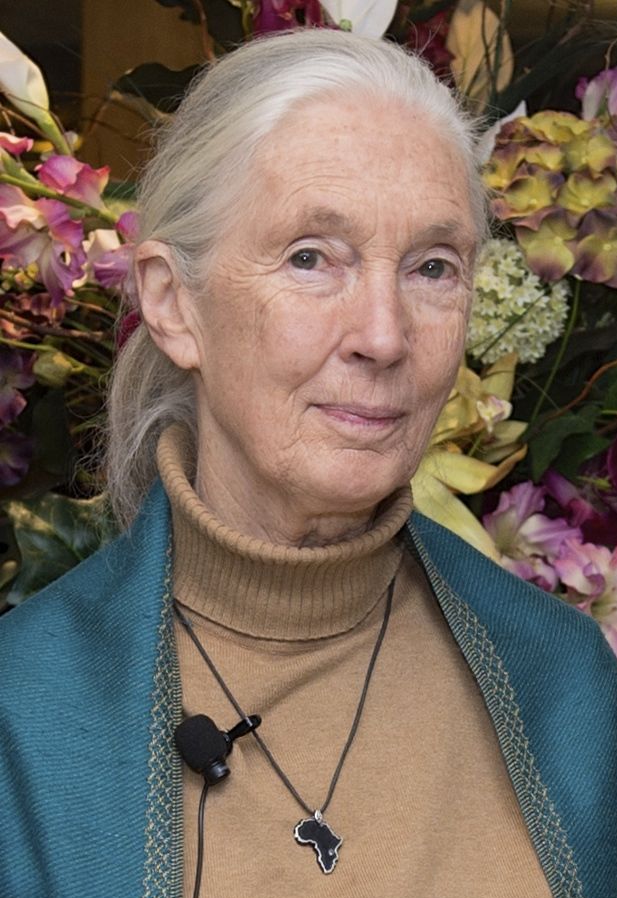
제인 구달

마야 안젤루

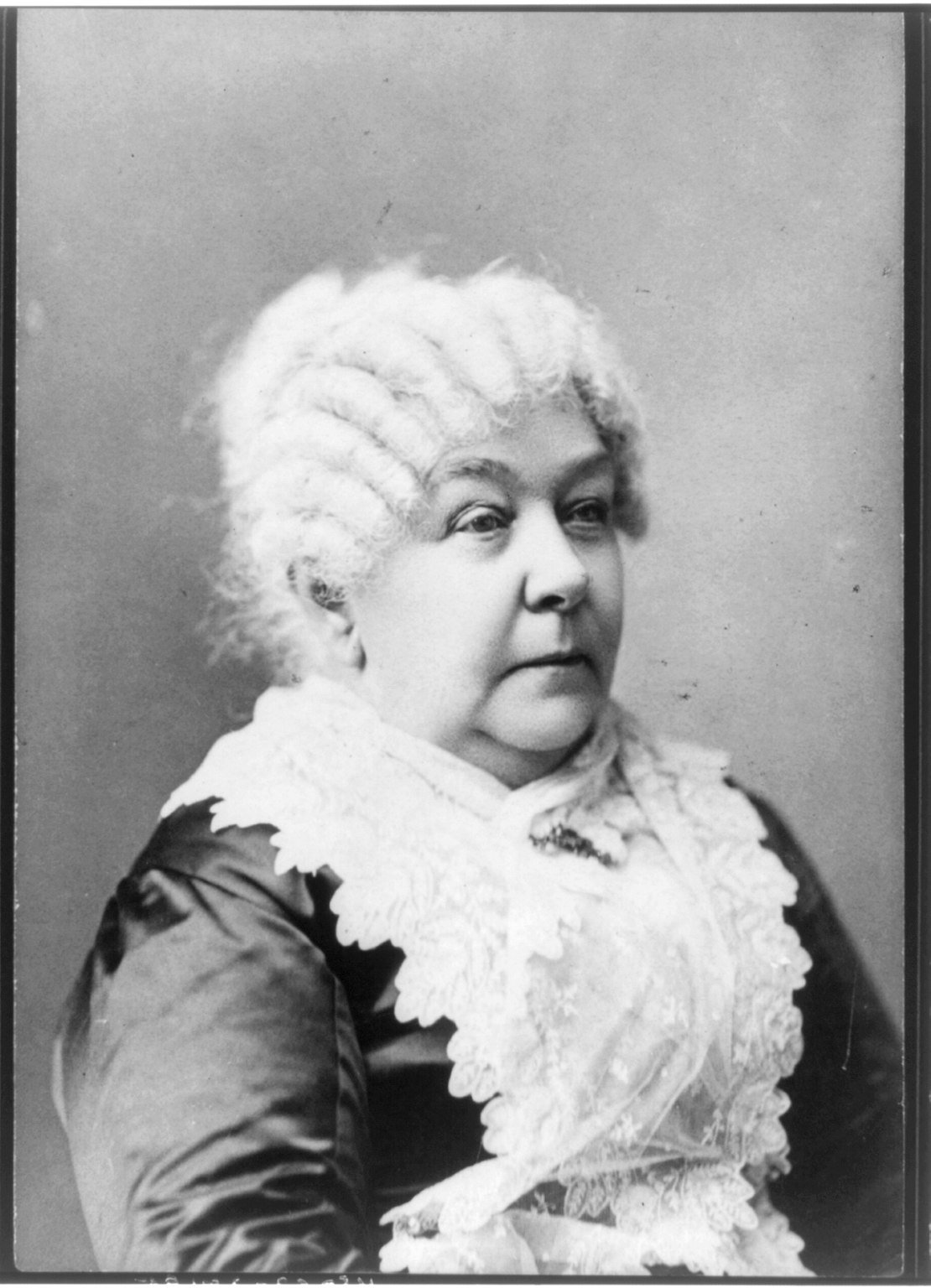
엘리자베스 케이디 스탠턴
출처
- Robert Ballard (Q312867) -- verified live via the Wikidata API (2026-10-23): English label 'Robert Ballard', description 'United States Navy officer, oceanographer and underwater archaeologist', born 30 June 1942, no date of death, citizenship United States, Korean label '로버트 밸러드', P18 image 'Dr. Ballard visit 2023 (52976464273) (cropped).jpg'. Orientation only; not used as support for any row.
- Encyclopaedia Britannica, 'Robert Ballard' (britannica.com), read in full: American oceanographer and marine geologist whose pioneering use of deep-diving submersibles laid the foundations for deep-sea archaeology, best known for discovering the wreck of the Titanic in 1985; helped develop the Alvin submersible; took part in the 1977 and 1979 expeditions that found hydrothermal vents at the Galapagos Rift and led to the discovery of chemosynthesis; designed the Argo video sled and called the remote-viewing approach 'telepresence'; found the Titanic on 1 September 1985 with IFREMER aboard the Navy research ship Knorr; founded the JASON project in 1989, the Institute for Exploration in 1997 and the Ocean Exploration Trust in 2008; wrecks including the Bismarck and John F. Kennedy's PT-109. CANONICAL SIGNIFICANCE SOURCE.
- EBSCO Research Starters, 'Robert D. Ballard' (ebsco.com), read in full: reference biography covering his Navy and Woods Hole years, his doctoral Alvin dives in support of plate tectonics, Project FAMOUS, the 1977 Galapagos vents and 1979 black smokers, founding the Woods Hole Deep Submergence Laboratory in 1982 and developing Argo and Jason, the joint French-American Titanic search (the French surveyed five weeks without success before Ballard's team narrowed the area and found the ship on the night of 31 August 1985), the 1986 return with Jason, the JASON Project (over a million students a year), the 1990s Bismarck, Lusitania, Guadalcanal and Roman-era wrecks, Midway 1998, PT-109 in 2002, the Black Sea work with George Bass, the Ocean Exploration Trust and the 2019 Nikumaroro search. Neutral reference summary; admiring tone in its Significance section.
- University of Rhode Island Graduate School of Oceanography, 'Robert D. Ballard' faculty profile (web.uri.edu/gso), read in full: emeritus professor; notes that Ballard prefers to be known for the 1977 hydrothermal vents and 1979 black smokers rather than the Titanic; describes the Center for Ocean Exploration, the Inner Space Center telepresence hub linking ships to shore, and the Ocean Exploration Trust operating E/V Nautilus; lists the 1996 Hubbard Medal and 2003 National Humanities Medal and 18 books. Institutional profile, self-supplied and promotional in tone.
- Rachel Hartigan, 'He Found the Titanic, but for Robert Ballard the Search Never Ends', National Geographic magazine, 15 April 2021 (nationalgeographic.com), read in full: a staff-written profile (National Geographic has funded his expeditions for decades and published his memoir, so it is not fully independent) covering the 1977 Seaprobe pipe-string collapse during an early Titanic attempt, near-accidents in crewed submersibles that pushed him toward robots, the Navy funding Argo in return for secret Thresher and Scorpion wreck surveys in 1984-85 and the grid-search 'mowing the lawn' method, partnering with the French sonar team, academic colleagues' scorn at his media work, the JASON Project, acquiring a ship for the Corps of Exploration, the 2019 Earhart search that found nothing. Family and health passages in the piece were deliberately not used.
- UPI Archives, 'Researchers: Leave Titanic alone', 24 July 1987 (upi.com), read in full: contemporary wire report in which Woods Hole engineer Dana Yoerger and Titanic Historical Society figures Charles Haas and Edward Kamuda criticise the French salvage expedition as insensitive to victims' families; reports that the 1985 discovery team decided not to salvage out of respect for the dead and that Ballard, unavailable for comment, had said he would be 'shocked' if the French attempted salvage. Independent contemporary journalism; voices of site-protection advocates, not of Ballard's critics as such.
- CNN report syndicated on WPTV, 'Inside the secret US military mission that located the Titanic' (wptv.com, December 2018), read in full: Ballard tells CNN that the 1985 Titanic search was cover for a then-secret Navy mission to survey the sunken nuclear submarines Thresher and Scorpion, that the Navy funding depended on the submarine work, that the Titanic search had about 12 days left, that a 1985 Navy spokesman and a Woods Hole department head told the New York Times there was nothing classified, and that he could not discuss other Navy missions. The account of the cover story is Ballard's own statement; the 1985 denials are the contemporaneous counter-record. The New York Times article itself was not opened.
- Live Science, 'The Man Who Found the Titanic Just Ended His Search for Amelia Earhart's Lost Plane' (livescience.com, October 2019), read in full: reports that two weeks of sonar, drone and robot searches around Nikumaroro found no sign of the aircraft; TIGHAR founder Richard Gillespie says the result does not surprise him and that he wants to review Ballard's data; anthropologist Richard Jantz, not on the expedition, says the island remains the only hypothesis with tangible evidence but that a hypothesis must be testable. Independent science journalism with outside expert voices.
- Wikimedia Commons file pages 'Dr. Ballard visit 2023 (52976464273) (cropped).jpg' and parent 'Dr. Ballard visit 2023 (52976464273).jpg' (wikitext and API record) plus the live Flickr photo page, checked for the portrait's licence: photograph by Titanic Belfast, 30 March 2023, tagged CC BY 2.0 with a FlickreviewR 'passed' record dated 24 March 2024 on the parent file; the Flickr page shows Creative Commons Attribution 2.0; cropped derivative 2948 x 3927. Not used for any scoring.