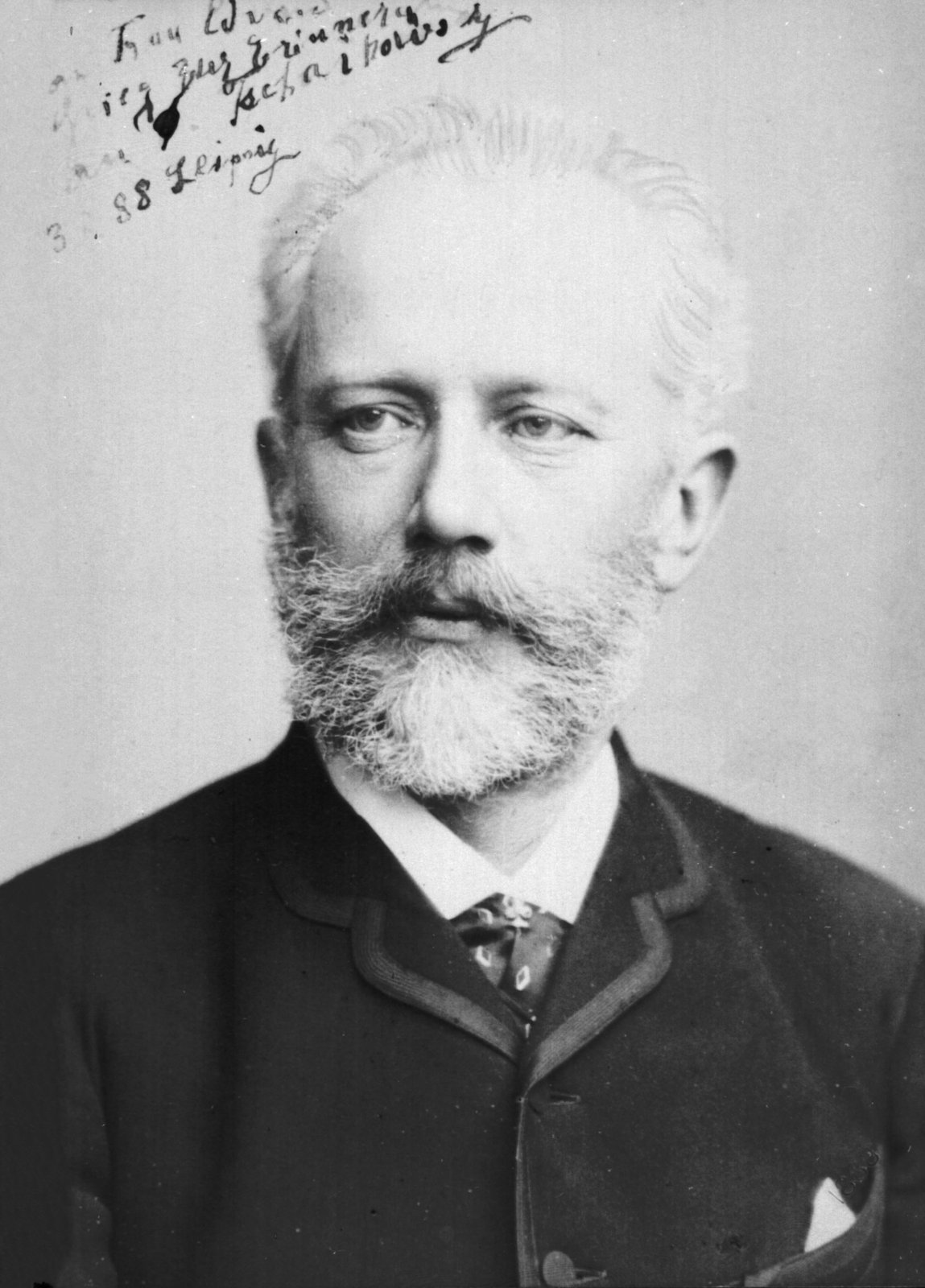

Atelier E. Bieber, Hamburg (probably Leonard Berlin, 1841-1931), studio photograph of Pyotr Ilyich Tchaikovsky, 1888, an inscribed print; the Tchaikovsky Research letters pages date the Hamburg sitting to 6/18 January 1888 · Wikimedia Commons file 'Tschaikowsky EBieber 1888.jpg' (photograph by Atelier E. Bieber, Hamburg, probably Leonard Berlin; Commons credit line gives a Bergen Public Library Flickr item) · Public domain
핵심 특성
주요 업적
차이콥스키는 발레 세 편의 음악을 작곡했다. 1877년 모스크바 볼쇼이 극장에서 초연된 「백조의 호수」, 그리고 상트페테르부르크 제국극장을 위해 쓴 「잠자는 숲속의 미녀」(1890)와 「호두까기 인형」(1892)이다. 「백조의 호수」는 이후 공연에서 악보가 크게 삭제되고 재배열되었으며 20세기에 널리 알려진 판본은 작곡가 사후에 만들어진 것에서 비롯되었다. 그럼에도 세 작품 모두 지금까지 발레 레퍼토리의 중심에 남아 있다.
1874년 니콜라이 루빈시테인은 피아노 협주곡 제1번을 혹독하게 비판했고, 바이올린 협주곡의 헌정 대상으로 삼았던 레오폴트 아우어는 지나치게 어렵다며 연주를 거절했다. 1881년 빈에서 이 바이올린 협주곡이 연주된 뒤에는 비평가 에두아르트 한슬리크가 적대적인 평을 썼다. 그러나 두 협주곡은 오늘날 가장 사랑받는 레퍼토리에 속하며, 교향곡 제4번, 제5번, 제6번(「비창」)과 「1812년 서곡」도 그의 대표작으로 꼽힌다. 제6번 교향곡은 1893년 작곡가 자신의 지휘로 초연되었다.
차이콥스키의 오페라 가운데 두 편은 푸시킨의 작품을 바탕으로 한다. 그가 '서정적 장면들'이라 부른 「예브게니 오네긴」은 1877~78년에 작곡되어 1879년 3월 모스크바 음악원 학생들이 처음으로 전막을 무대에 올렸고, 첫 전문 공연은 1881년 1월 볼쇼이 극장에서 열렸다. 「스페이드의 여왕」은 그가 1890년 피렌체에서 44일 만에 쓴 뒤 같은 해 12월 상트페테르부르크 마린스키 극장에서 초연되었다.
삶의 장면들
1874년 크리스마스 이브에 차이콥스키는 새로 쓴 피아노 협주곡을 니콜라이 루빈시테인과 니콜라이 후베르트 앞에서 연주했다. 연주 기교에 관한 조언을 구하려는 자리였다. 3년 뒤 나데즈다 폰 메크에게 쓴 편지에 따르면 루빈시테인은 이 작품을 혹독하게 비난하며 고쳐 오면 연주해 주겠다고 했고, 차이콥스키는 한 음도 바꾸지 않겠다고 답했다. 그는 작품을 그대로 출판하고 한스 폰 뷜로에게 헌정했으며, 뷜로는 1875년 10월 보스턴에서 이 곡을 초연했다. 차이콥스키는 훗날 1879년과 1889년경에 스스로 수정을 가했다.
이 일화는 모스크바에서 가장 권위 있는 피아니스트의 평가에 맞서 자신의 판단을 지킨 모습으로, 이 프로필의 독립적 사고와 어울린다. 다만 이후 스스로 수정한 점으로 보아 그가 이 협주곡을 고칠 수 없는 작품으로 여긴 것은 아니다. 독립적 사고
차이콥스키는 초기 작품 여러 편의 악보를 파기했다. 교향적 환상곡 「운명」은 1869년 초연 전에 몇 마디를 삭제했고 이후 총보를 없앴다. 오페라 「운디나」는 일부를 다른 작품에 재사용한 뒤 총보를 없앴으며, 첫 오페라 「보예보다」도 대부분의 총보를 파기했다. 1891년에는 이후에 쓴 같은 제목의 교향적 발라드 「보예보다」를 연주회에서 듣고 악보를 찢어 버렸다. 「운명」과 이 발라드, 그리고 오페라 「보예보다」의 대부분은 작곡가 사후에 주로 남아 있던 관현악 파트보를 바탕으로 복원되었고, 「운디나」는 일부 발췌곡만 전한다.
이러한 모습은 이 프로필의 완벽주의와 어울리며, 원본이 사라졌다는 점이 그 대가로 드러난다. 다만 「운명」의 경우 발라키레프의 비판 때문인지 작품에 대한 생각이 바뀌어서인지는 차이콥스키 리서치도 분명히 말하지 못한다. 완벽주의
전환점
차이콥스키는 자신이 지휘를 할 수 없다는 말을 여러 차례 했고, 1886년 10월에는 폰 메크에게 지휘대를 떠올리기만 해도 몸이 떨린다고 썼다. 그는 1886년 12월 첫 오케스트라 리허설을 직접 이끌었고, 1887년 1월 31일(구력 19일) 모스크바 볼쇼이 극장에서 개작한 오페라 「체레비츠키」의 초연을 지휘했다. 1887년이 가기 전에 첫 유럽 지휘 순회를 떠났으며, 이후 6년 동안 프라하, 파리, 런던에서 자신의 곡을 지휘했고 1891년에는 뉴욕에 새로 문을 연 뮤직 홀(훗날 카네기 홀)의 개관 주간에도 출연했다.
스스로 밝힌 망설임이 새로운 공적 역할로 이어졌다는 점에서 이 변화는 이 프로필의 적응력을 보여 주는 사례다. 어려움은 본인이 직접 말한 내용이며, 1891년 그를 초청한 월터 담로시는 지휘가 그를 몹시 지치게 했지만 연주자들이 그의 의도를 열심히 따랐다고 적었다. 적응력
비슷한 인물
전체적인 프로필이 이 사람과 닮은 사람들이에요.


표도르 도스토옙스키

옥타비아 버틀러

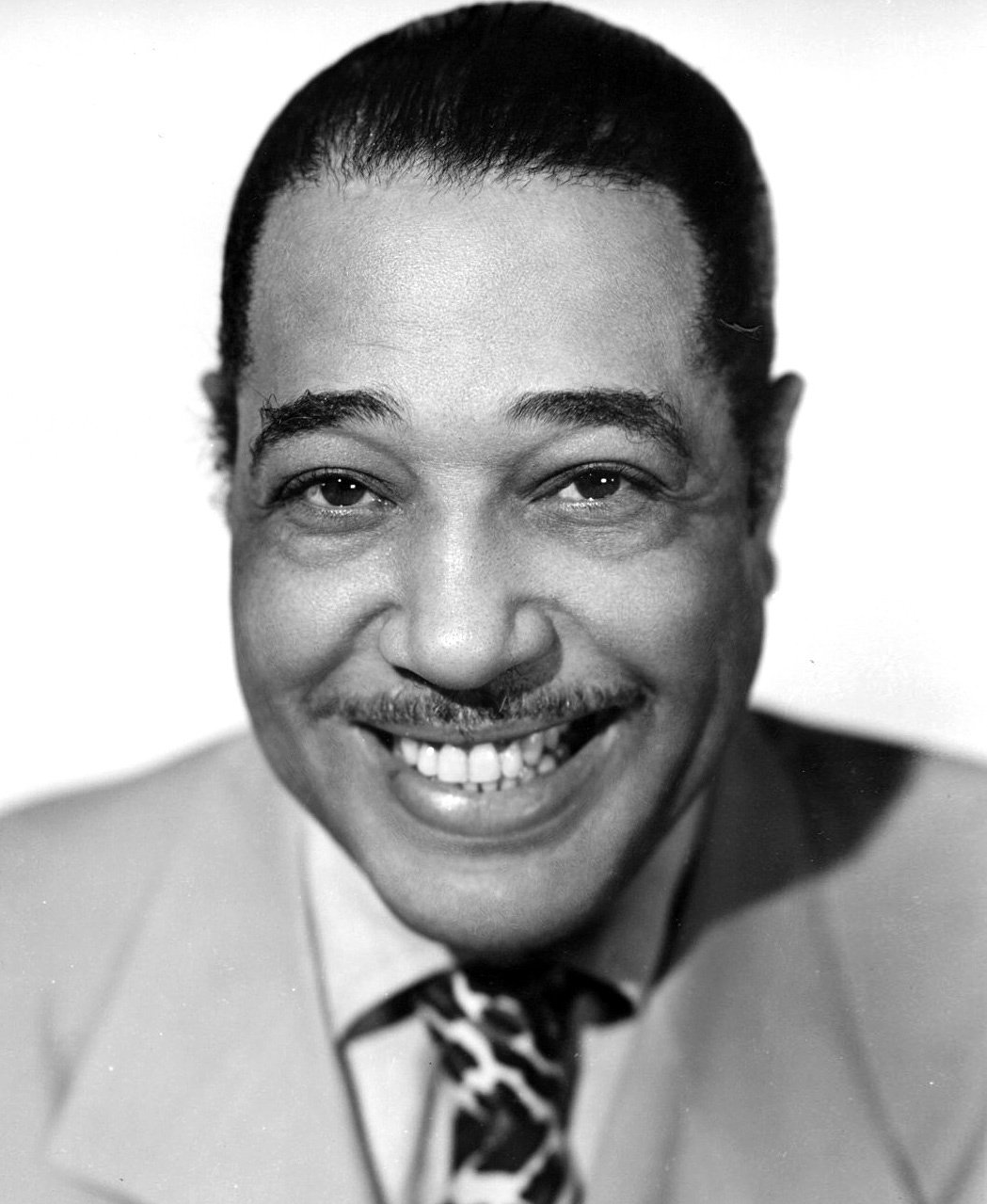
듀크 엘링턴

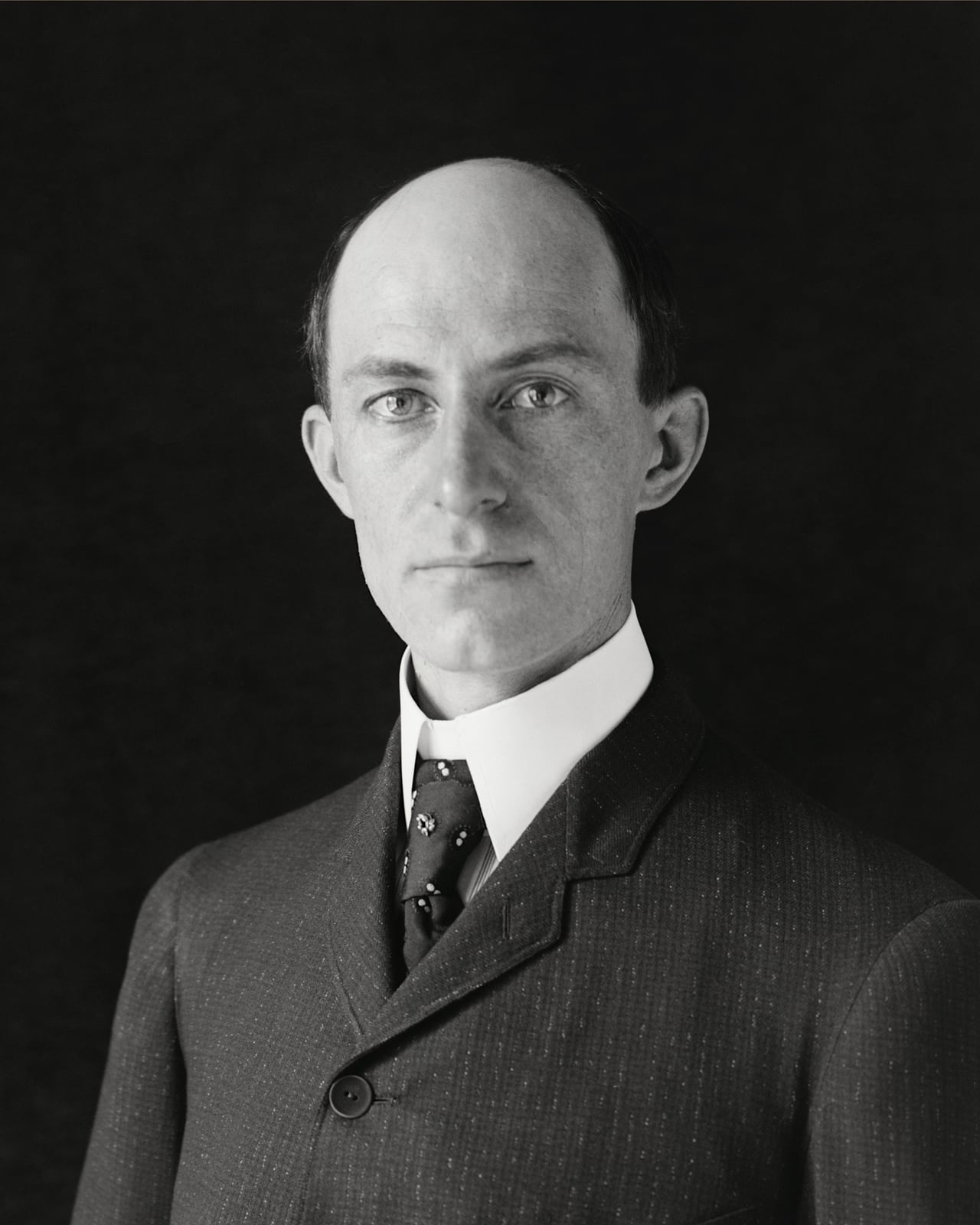
윌버 라이트

쿠사마 야요이
출처
- Pyotr Ilyich Tchaikovsky (Q7315) -- Wikidata entry verified live on 2026-10-04: English label 'Pyotr Ilyich Tchaikovsky', description 'Russian composer (1840-1893)', two recorded birth dates (25 April and 7 May 1840) and two death dates (25 October and 6 November 1893, i.e. Old and New Style), citizenship Russian Empire, Korean label. Orientation only; not used as support for any scored row.
- Wikipedia, 'Pyotr Ilyich Tchaikovsky' (English) -- summary paragraph read for orientation only (lists the works for which he is best known). Not used as support for any scored row; cited only for uncontested high-level facts in the achievements text.
- Alexander Poznansky, 'Tchaikovsky: A Life', biographical essay written for Tchaikovsky Research (en.tchaikovsky-research.net) -- SCHOLAR's account (non-self; drawn on the Russian archives opened since the 1990s). Read locally from the opening through the 1893 narrative (about three quarters of the essay: childhood and the Ministry of Justice years, the St Petersburg and Moscow Conservatory years, the 1866-1877 operas, symphonies and ballet, the 1877-1886 years in Switzerland, Italy and Maydanovo, the 1887-1892 conducting tours, Sleeping Beauty, Queen of Spades and the 1891 American tour, and 1893 including Cambridge and the Sixth Symphony). The sections on his private life, the 1877 marriage, sexuality, and the circumstances of his death were read for context but are NOT used as evidence for any trait. The final epilogue and the notes were not read.
- Modest Tchaikovsky (the composer's brother), The Life and Letters of Peter Ilich Tchaikovsky, abridged and edited by Rosa Newmarch (London: John Lane, 1906), Project Gutenberg eBook #45259 -- INSIDER biography (family member and sometime collaborator, admiring, quotes many of the composer's own letters, which are self perspective). Read locally, targeted: the Christmas Eve 1874 Rubinstein scene (his own account of it to von Meck, 21 January/2 February 1878) and Bulow's reply; the 1881 Violin Concerto Vienna reception with the full Hanslick review; the 1886-87 letters and narrative on his first conducting; the description of the Maydanovo/Klin working day; the passage on his financial support of others; and the January 1892 Brussels charity concert. Not read in full.
- Nikolay Rimsky-Korsakov, My Musical Life (New York: Knopf, English translation 1923; Internet Archive full text mymusicallife0000rims_p2v1) -- PEER composer's memoir (non-self; a member of the rival nationalist circle). Read locally, targeted: the account of the first meeting in 1866-67 and how Balakireff's circle first regarded him as a conservatory product; the 1876 visits; the 1879 note that Tchaikovsky as a Moscow critic had written a sympathetic review of Rimsky's Third Symphony; the 1891 St Petersburg visit; and Rimsky's frank dislike of Iolanta (used only to show the memoir is not uniformly admiring, never as trait evidence). The text spells the name 'Chaykovski'.
- Rosa Newmarch, Tchaikovsky: His Life and Works, with Extracts from His Writings and the Diary of His Tour Abroad in 1888 (London: John Lane, 1900), Internet Archive full text (cu31924022415891) -- early English-language biography built on the reminiscences of his friend and colleague Nikolay Kashkin; includes extracts of the composer's own 1888 tour diary (self). Read locally only in part: the preface, the passage on the composition and fortunes of Swan Lake, and the 1888 diary entry on Auer, Brodsky and Hanslick. Used for the canonical shortlist, not for scoring.
- Tchaikovsky Research (en.tchaikovsky-research.net), scholarly reference site with source-cited work and people pages -- pages 'Piano Concerto No. 1', 'Violin Concerto', 'Nikolay Rubinstein', 'Leopold Auer', 'Adolph Brodsky' and 'Cesar Cui', each read in full. Documentary compilation (non-self editors, quoting letters, manuscripts and eyewitnesses) covering the 1874 Rubinstein criticism, the three versions of the Piano Concerto, Auer's and Davydov's refusal of the Violin Concerto, Brodsky's 1881 Vienna performance with Hanslick's hostile review, and Cui's hostile criticism of Tchaikovsky's music.
- Tchaikovsky Research (en.tchaikovsky-research.net) -- pages 'Romeo and Juliet', 'Mily Balakirev', 'Fatum', 'Undina' and 'The Voyevoda (opera)' (the last two read for their composition, rejection and score-destruction sections). Documentary compilation (non-self editors, quoting Tchaikovsky's and Balakirev's letters): Balakirev's 1869 critique of Romeo and Juliet and the revisions of 1870 and 1880, the deletion of bars from Fatum before its premiere and the later destruction of its score, and the destruction of the scores of Undina and most of The Voyevoda.
- Tchaikovsky Research (en.tchaikovsky-research.net) -- pages 'Swan Lake', 'The Sleeping Beauty' and 'The Nutcracker', composition, performance and reception sections read in full. Documentary compilation (non-self editors) built on the composer's diary entries, sketchbook dates and letters, Petipa's and Vsevolozhsky's correspondence, and posters: commissions, the detailed plans supplied by the balletmaster, the dated composition of Sleeping Beauty in January 1889, Vsevolozhsky's 1891 letter about The Nutcracker, and the first productions of each ballet.
- Tchaikovsky Research (en.tchaikovsky-research.net) -- pages 'The Queen of Spades' (composition section), 'Yevgeny Onegin' (performances section), 'Symphony No. 6' (performances section) and 'The Year 1812' (composition and performances sections). Documentary compilation (non-self editors) with dated diary and sketch notes: the January-March 1890 composition of The Queen of Spades, the first performances of Onegin (Conservatory students 1879, Bolshoi 1881) and of The Queen of Spades (7/19 December 1890), the Sixth Symphony's premiere under the composer on 16/28 October 1893, and the commission and first performances of the 1812 overture.
- Tchaikovsky Research (en.tchaikovsky-research.net), page 'New York', read in full -- documentary day-by-day itinerary of his 1891 visit (non-self editors quoting his tour diary): arrival 14/26 April, almost daily rehearsals, the opening-week concerts of the new Music Hall (now Carnegie Hall) on 23 April/5 May and 25 April/7 May, and the Baltimore and Philadelphia concerts.
- Walter Damrosch (conductor who invited him to open Carnegie Hall in 1891), My Musical Life (1923), as quoted and annotated on the Tchaikovsky Research page 'Walter Damrosch' -- EYEWITNESS HOST account (non-self; admiring): his 1891 rehearsals and concerts at the opening of the Music Hall, that he was 'not a conductor by profession' and found rehearsals and concerts fatiguing, and the June 1893 dinner at Cambridge where honorary doctorates went to five composers. Read in full on the TR page, not in the original book.
- Ethel Smyth, Impressions That Remained (1919), as quoted on the Tchaikovsky Research page 'Ethel Smyth', read in full -- EYEWITNESS account by a younger composer (non-self) of meeting him in Leipzig in January 1888: his courtesy, the hours-long argument with her about Brahms, and his advice to attend closely to orchestral colour. Read through the TR page, not the original book.