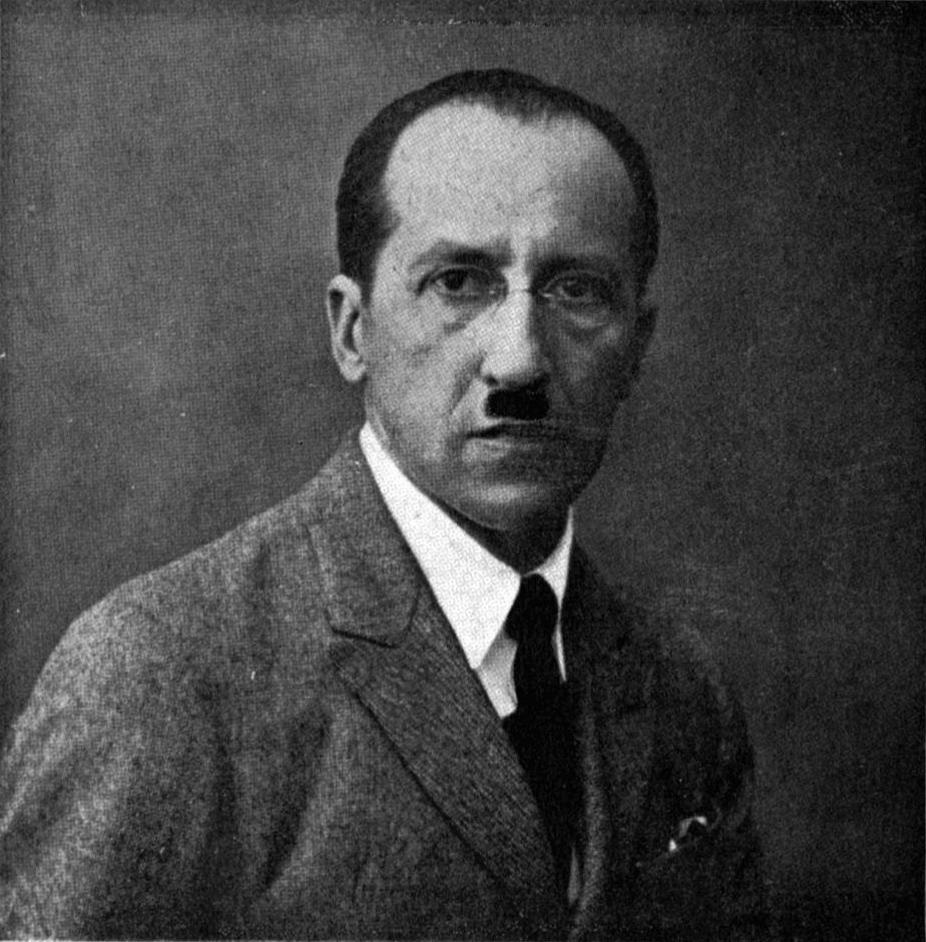

Anonymous photographer, published in De Stijl, December 1922 (public domain) · Wikimedia Commons 'Piet Mondrian 2.jpg': a photograph of Piet Mondrian by an anonymous photographer, published in the Dutch journal De Stijl vol. 5, no. 12 (December 1922), p. 179 (scan from the 1968 De Stijl complete reprint, Athenaeum/Bert Bakker/Polak & Van Gennep, vol. 2, p. 304), uploaded by Vincent Steenberg on 11 November 2008 and tagged PD-1923 and PD-anon-70-EU. Original 926 x 942 pixels, SHA-1 d4ea8e4aa3c8d9904441a860d1ae1c88a80b1600 (matches the downloaded file); saved unchanged, never resized or upscaled. Rights basis: first publication in a Dutch periodical in 1922 (anonymous, so EU 70 years after publication expired in 1992; published before 1931 so public domain in the United States). The photographer is unknown, which is the residual weakness. A 1899 anonymous portrait from the Gemeentemuseum Den Haag ('Piet Mondriaan.jpg', 618 x 826) was examined and rejected as the main choice because its Commons page gives only a creation date and a generic tag, not a documented first publication. No conflicting institutional copyright notice was found for the 1922 De Stijl publication. · Public domain (anonymous photograph published in De Stijl, December 1922; Commons tags PD-1923 and PD-anon-70-EU)
화가 · 20세기
피트 몬드리안
1872–1944
주요 업적 분야
아직 성격 매칭에 포함되지 않았습니다 — 기록된 근거가 성격 모델 전체를 다루기에는 충분하지 않습니다. 이 페이지의 다른 모든 내용은 자유롭게 확인하실 수 있습니다.
핵심 특성
주요 업적
수평선과 수직선, 삼원색만으로 그리는 추상회화 '신조형주의'를 발전시켰다. 테이트는 그가 이후 미술에 깊은 영향을 미쳤다고 설명한다.
1917년 테오 판 두스뷔르흐와 함께 잡지 '데 스테일'을 창간하고, 초기 호에 연재한 글 '회화에서의 신조형주의'에서 자신의 목표를 밝혔다.
1940년 뉴욕으로 건너가 엄격한 격자를 풀고, 색 테이프로 구성을 시험하며 재즈와 이어진 '브로드웨이 부기우기'와 미완성작 '빅토리 부기우기'를 그렸다.
삶의 장면들
테오 판 두스뷔르흐가 작품에 대각선을 도입하자, 몬드리안은 공동 창립했던 데 스테일 그룹을 떠나 수평과 수직만을 고수했다.
이는 오랜 협업 관계를 잃더라도 자신의 조형 원칙을 지키려 한 태도와 부합하지만, 시기와 이유에 대해서는 자료마다 견해가 다르다. 독립적 사고
뉴욕에서 그는 새로 나온 색 접착테이프로 물감을 쓰기 전에 색면을 옮겨 보며 구성을 시험했고, 마지막 몇 주까지 '빅토리 부기우기'를 계속 고쳤다.
이는 캔버스 위에서 직접 시험하고 고쳐 가는 작업 방식과 부합한다. 실험 성향
전환점
1911년 암스테르담에서 입체주의 작품을 본 뒤 1912년 파리로 옮겨 입체주의를 받아들였고, 점차 추상으로 나아갔다.
이는 새로 접한 작업에 반응해 자신의 방식을 크게 고쳐 나가는 화가의 면모와 부합한다. 입장 수정 성향
비슷한 인물
전체적인 프로필이 이 사람과 닮은 사람들이에요.


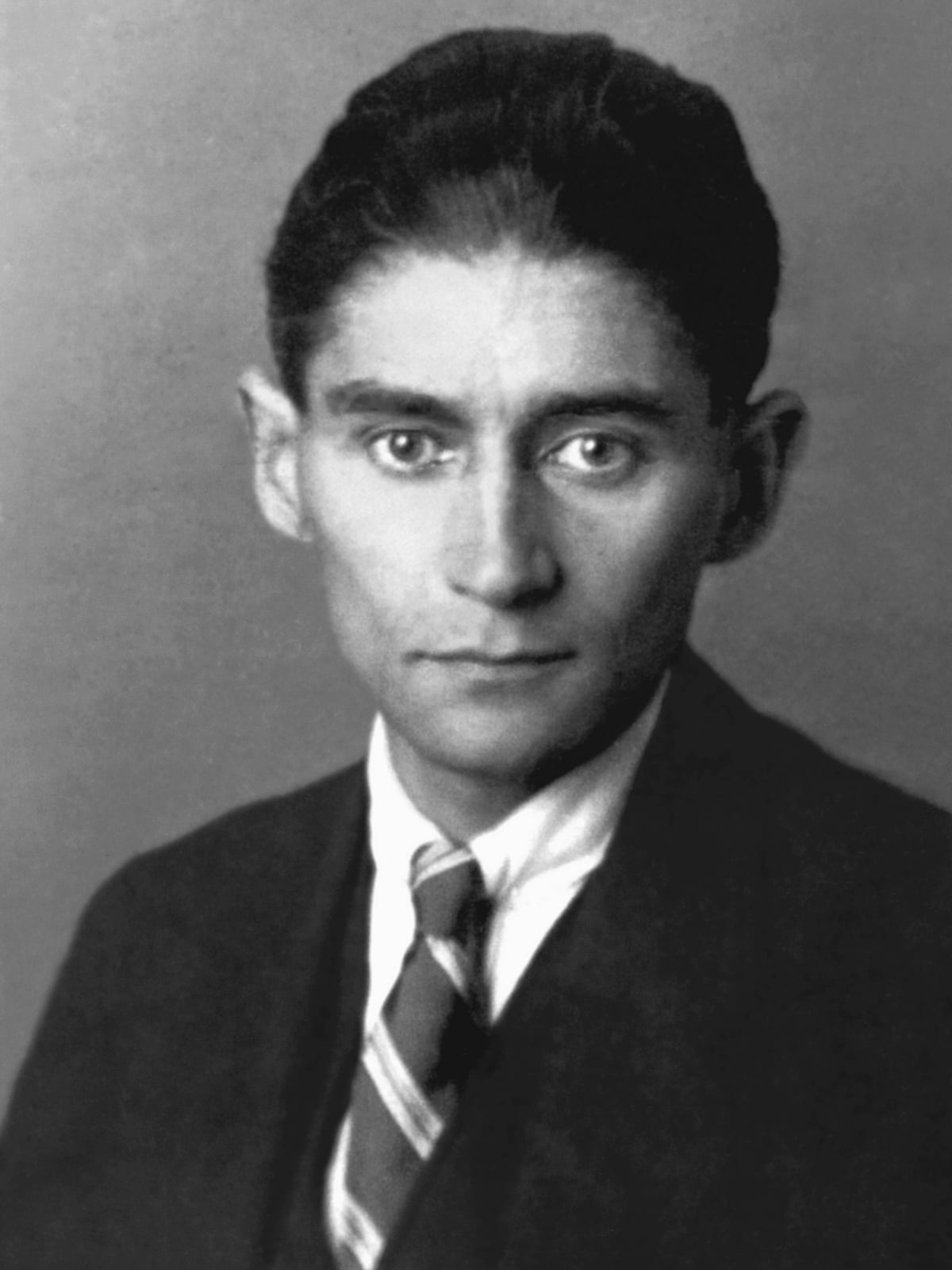
프란츠 카프카

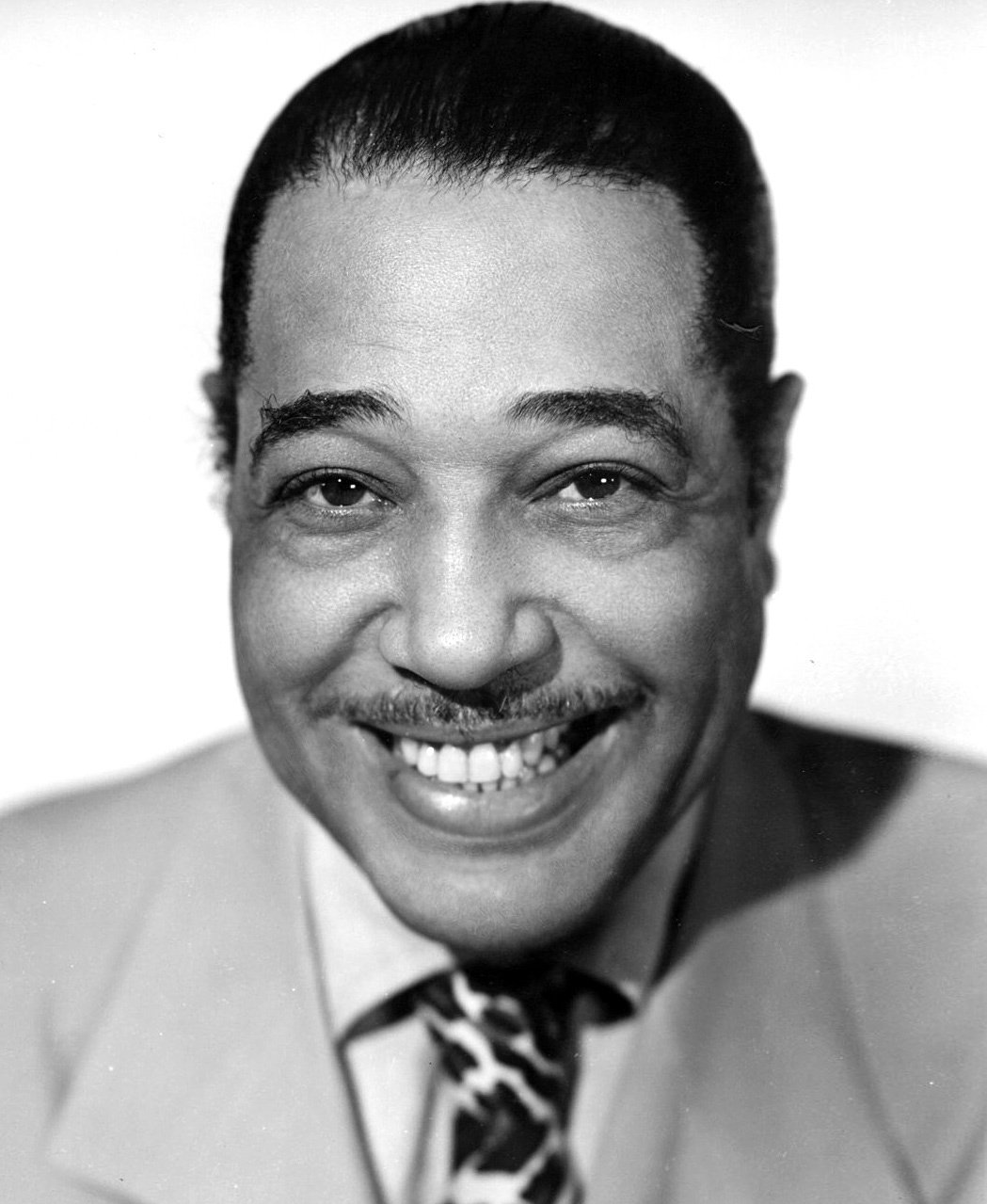
듀크 엘링턴

레오나르도 다빈치

쿠사마 야요이

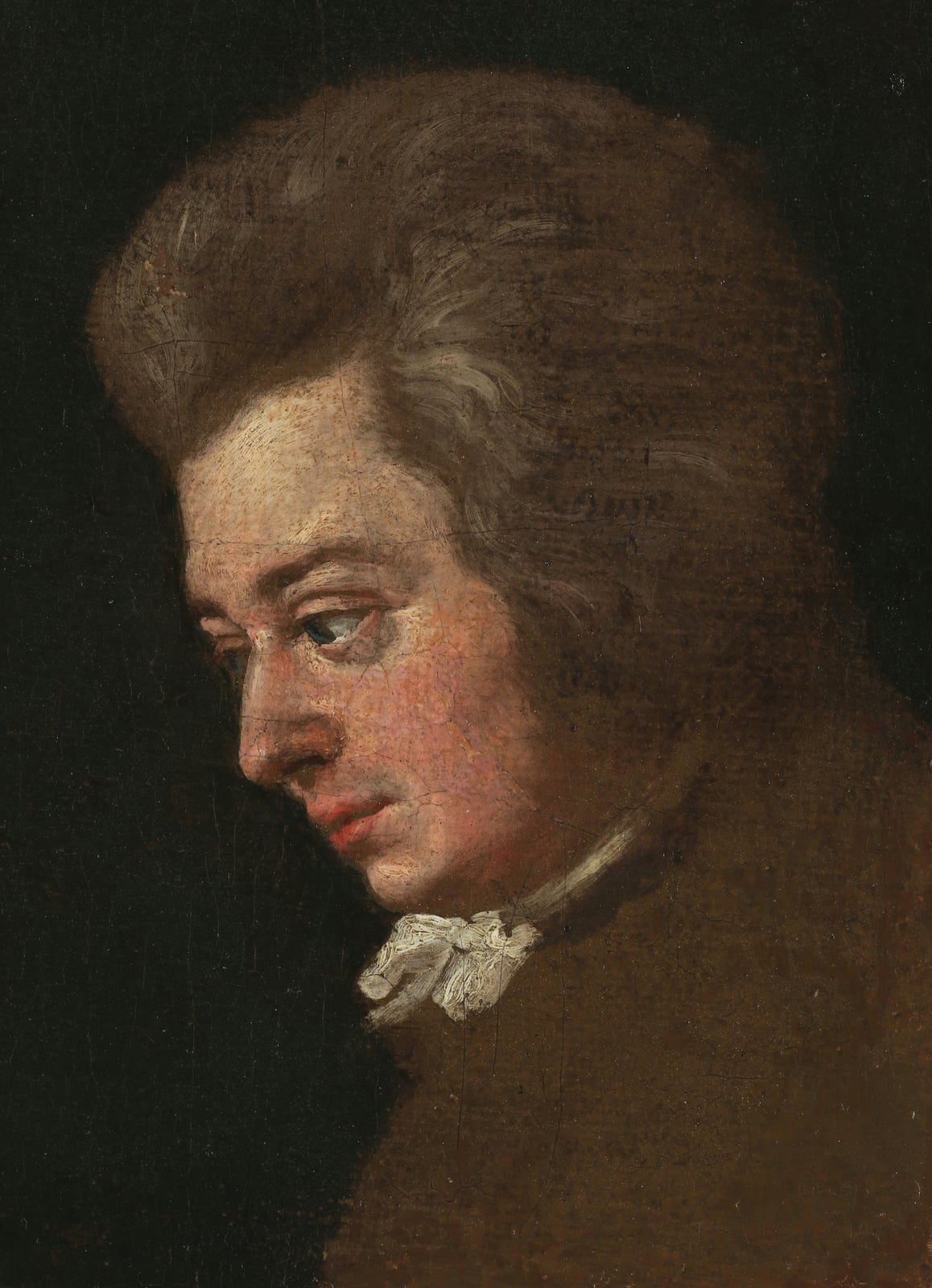
볼프강 아마데우스 모차르트
출처
- Piet Mondrian (Q151803) -- verified live via the Wikidata API (2026-10-23): English label 'Piet Mondrian', description 'Dutch painter (1872-1944)', born 1872-03-07, died 1944-02-01, citizenship Netherlands, P18 image 'Piet Mondriaan.jpg'. Orientation only; not used as support for any row.
- Tate, 'Neo-plasticism' art term (tate.org.uk), read in full: neo-plasticism is the term adopted by the Dutch pioneer of abstract art Piet Mondrian for his abstract painting using only horizontal and vertical lines and primary colours; applied also to the De Stijl circle up to Mondrian's secession (Tate dates it 1923); quotes his essay 'Neo-Plasticism in Pictorial Art', published in the first eleven issues of De Stijl, on art expressing itself in abstraction of form and colour, 'the straight line and the clearly defined primary colour'; states he had a profound influence on later art and is now seen as one of the greatest of all modern artists. CANONICAL SIGNIFICANCE SOURCE. Institutional, retrospective and admiring.
- Tate, 'De Stijl' art term (tate.org.uk), read via a page extraction: De Stijl was founded in 1917 as a publication by Mondrian and Theo van Doesburg; in its first year's issues Mondrian set out his aims in a series of articles and used the term neo-plasticism, possibly for the first time; the circle included van der Leck, Vantongerloo, Rietveld and Oud; Mondrian withdrew in 1923 (Tate's date) after van Doesburg's use of diagonal elements; van Doesburg kept the journal going to 1931. Institutional; the page gives no further detail on the dispute and its 1923 date differs from other sources' 1925.
- Museo Nacional Thyssen-Bornemisza, 'Piet Mondrian' artist biography (museothyssen.org), read via a page extraction: trained as a drawing teacher, entered the Rijksakademie in 1892; early muted landscapes, brighter colour after Jan Toorop's influence in 1908; Paris from 1912 where he adopted Cubism and gradually turned towards abstraction; kept in the Netherlands by the First World War where he met van der Leck and van Doesburg; co-founded De Stijl in 1917; left the group permanently in 1925 over van Doesburg's diagonals; worked with Cercle et Carre (1929) and Abstraction-Creation (1931); London 1938, New York from autumn 1940 on Harry Holtzman's invitation where his style 'lost its previous rigidity' and gained a livelier rhythm. Museum biography, brief; does not cover theosophy or method.
- John Golding, 'Mysteries of Mondrian', The New York Review of Books, 22 June 1995 (nybooks.com), read via a detailed page extraction: a critical review of the 1995 Hague/Washington/MoMA retrospective catalogue and several monographs by a painter and art historian. Reports that Mondrian failed the 1898 Prix de Rome entrance exam on figure drawing, was a slow starter, was transformed by the Domburg circle in 1908 and by Cubism in 1911-12; borrowed Analytic Cubist grids but never adopted multiple viewpoints; worked in series but often reworked earlier pieces; tested conclusions by rotating the canvas into the lozenge format from 1918; was helped by Bart van der Leck to remove the last Cubist syntax; found his 'New Plastic in Painting' theory turgid and largely a justification of conclusions reached intuitively; attributes the break with van Doesburg to personal disputes and Mondrian's resentment that architecture was given priority over painting; reports his Theosophical reading from about 1908, a move away from it around 1919 and disenchantment with Schoenmaekers; notes the New York work with coloured tape and that the retrospective dispelled the image of a cold perfectionist; concludes his art is about process and experiment. Independent critical voice; disagrees with the catalogue on several points.
- The Believer, feature on Mondrian's Victory Boogie Woogie (thebeliever.net), read via a detailed page extraction: reports that in New York he used coloured industrial adhesive tape to test ideas without committing paint and repeatedly reworked paintings even after exhibiting them; Hans Janssen calls his work intuitive; in January 1943 he was working on Victory Boogie Woogie alone and said it mattered 'to have one picture right'; the 2006-2013 museum/RCE/MOLAB investigation found large fields fixed early, smaller areas still adjusted, up to eight layers of tape in places, and last changes that erased black lines and broke symmetry; critics disagreed on whether it was finished; quotes Greenberg and Motherwell on a mechanical, dehumanised quality and Rothko calling him 'a sensualist'; Vantongerloo's 1922-23 measurement of his paintings, which Mondrian resented, though they stayed friends. NOTE: the extraction attributes the essay 'Neo-Plasticism in Pictorial Art' to van Doesburg, which conflicts with Tate (Mondrian), so that point is not used. Independent journalism with named critics and conservators.
- Museum of Modern Art press release page for the exhibition 'Mondrian' (press.moma.org), read via a page extraction: presents his four New York years before his 1944 death as the focus of the first major survey of that work, naming Broadway Boogie Woogie (1942-43) and the unfinished Victory Boogie Woogie (1942-44, on loan via Kunstmuseum Den Haag), and linking his arrival in New York with the spread of boogie-woogie music. Institutional promotional text for a forthcoming exhibition, used only for the late-work framing.
- Mondrian Trust, 'Chronology' photo-and-works timeline (mondriantrust.com), read via a page extraction: an image-caption timeline of studios in Amsterdam, Paris and New York, designs such as the 1926 Bienert library-studio, the 1942 'Masters of Abstract Art' show and the works Broadway Boogie Woogie and the unfinished Victory Boogie Woogie, with several works recorded as 'first state' or 'second state'. The extraction itself flags caption/date inconsistencies, so it is used only to corroborate the reworking of paintings and the studio-design activity, never for a date.
- Wikimedia Commons file page 'Piet Mondrian 2.jpg' (wikitext and API record), checked for the portrait's rights: photograph from De Stijl vol. 5, no. 12 (December 1922), p. 179, anonymous photographer, via the 1968 De Stijl complete reprint; tagged PD-1923 and PD-anon-70-EU; original 926 x 942 pixels. Not used for any scoring.