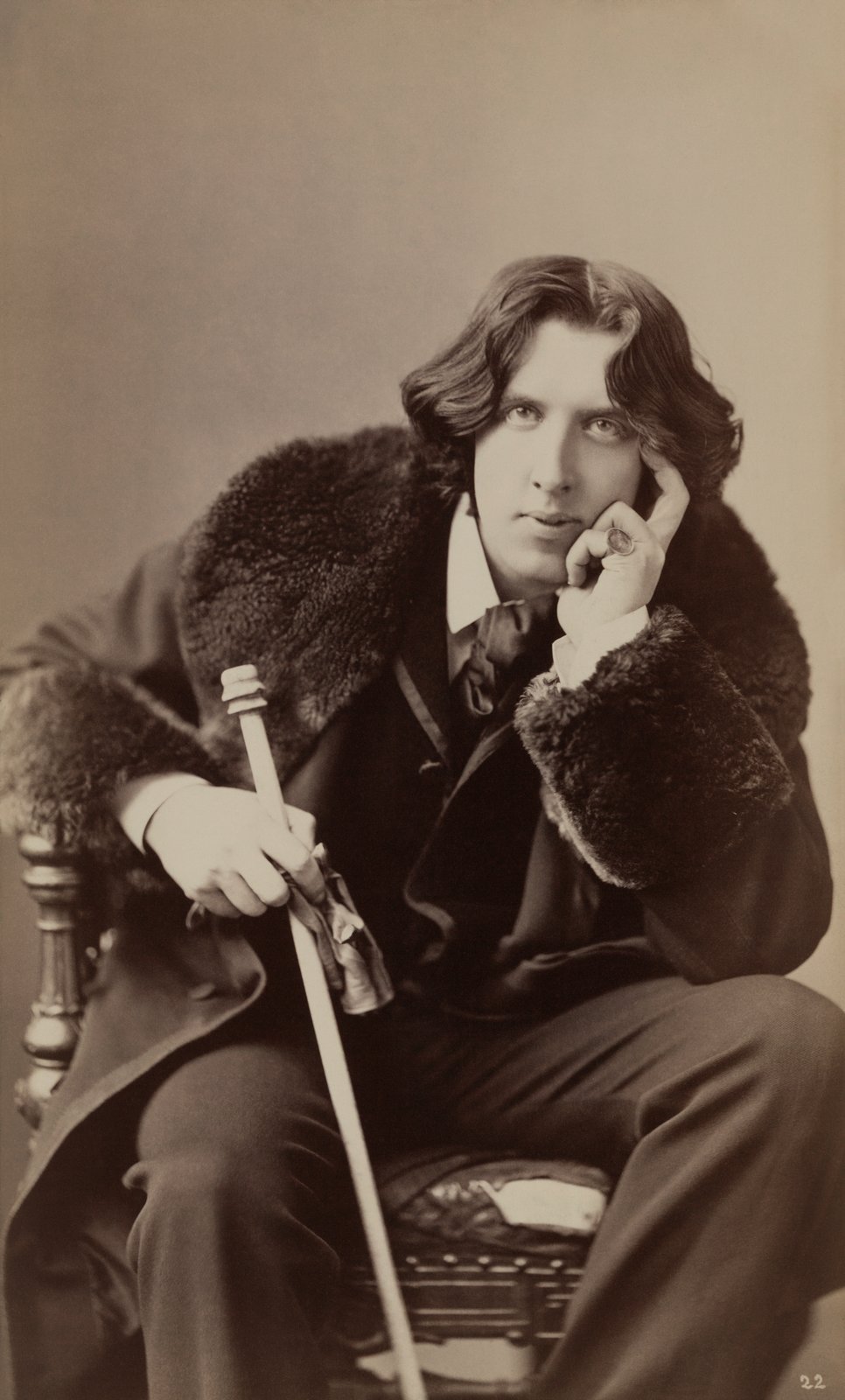

Napoleon Sarony, Oscar Wilde, three-quarter-length photograph, seated, 1882 (albumen print, Library of Congress; digital restoration by Adam Cuerden) · Library of Congress Prints and Photographs Division (item ppmsca.07757), via Wikimedia Commons restoration by Adam Cuerden · Public domain (photograph published in the United States in 1882; photographer died 1896)
작가 · 19세기
오스카 와일드
1854–1900
주요 업적 분야
아직 성격 매칭에 포함되지 않았습니다 — 기록된 근거가 성격 모델 전체를 다루기에는 충분하지 않습니다. 이 페이지의 다른 모든 내용은 자유롭게 확인하실 수 있습니다.
핵심 특성
주요 업적
『도리언 그레이의 초상』은 1890년 7월호 『리핀콧 먼슬리 매거진』에 실렸고(6월 20일 발간), 적대적인 평을 포함해 수많은 서평을 불러왔다. 와일드는 1891년 3월 『포트나이틀리 리뷰』에 서문을 발표했고, 소설은 1891년 7월 1일 워드 록 사에서 일곱 장이 추가된 단행본으로 나왔다. 아서 랜섬은 이 작품을 영국에서 여러 해 만에 소재와 방식을 그렇게 자유롭게 고른 소설이라고 평했다.
1892년부터 1895년 사이에 그의 희극 네 편이 런던 무대에 올랐다. 『윈더미어 부인의 부채』(세인트 제임스 극장, 1892년 2월 20일), 『하찮은 여인』(헤이마켓 극장, 1893년 4월 19일), 『이상적인 남편』(헤이마켓, 1895년 1월 3일), 그리고 '진지한 사람들을 위한 사소한 희극'이라는 부제의 『정직함의 중요성』(세인트 제임스, 1895년 2월 14일)이다. 버나드 쇼는 『이상적인 남편』 평에서 그를 어떤 의미에서 당대의 유일한 철저한 극작가라고 불렀다.
와일드는 1891년 『살로메』를 프랑스어로 썼다(1893년 출간). 1892년 검열관이 사라 베르나르가 런던에서 이 작품을 무대에 올리는 것을 막았고, 초연은 1896년 파리의 외브르 극장에서 이루어졌다. 랜섬이 인용한 로버트 로스에 따르면 이 작품은 1901년 베를린에서 상연된 뒤 유럽 무대에서 꾸준히 공연되어 왔다.
와일드는 1897년 출소한 뒤 『레딩 감옥의 노래』를 쓰기 시작해 나폴리와 파리에서 고쳤고, 1898년 가명으로 출간했으며, 『데일리 크로니클』에 감옥 실태에 관한 편지 두 통(1897년 5월 28일, 1898년 3월 24일)을 실었다. 복역이 끝나 갈 무렵 쓴 긴 편지는 1905년 발췌본으로 『심연으로부터』라는 제목으로 출간되었다.
삶의 장면들
1890년 7월 5일 『스코츠 옵서버』는 『도리언 그레이의 초상』을 영리하지만 도덕에 어긋난다고 평하며 '작가와 편집자 모두에게 불명예스럽다'고 썼다. 와일드는 7월 9일 이 신문에 보낸 편지에서 예술가에게는 '윤리적 공감이 전혀 없다'고, 대중적인 소설가가 되고 싶지 않은 것은 그것이 '너무 쉽기' 때문이라고 답했다. 편집자는 답변 주석을 달았고, 와일드는 8월에 다시 편지를 보냈다.
적대적인 서평에 그 신문 지면에서 직접 답하고 몇 주 뒤 다시 논쟁에 나선 것은 공개적인 논쟁을 이어 가는 것을 마다하지 않는 태도와 부합한다. 갈등 감내
당시 젊은 시인이던 W. B. 예이츠는 1880년대 말 W. E. 헨리의 모임에서 와일드를 만났고, 밤새 공들여 써 온 것 같으면서도 모두 자연스러운 '완벽한 문장'으로 말하는 사람은 처음 보았다고 적었다. 그는 듣는 이들이 느낀 인위적인 인상은 문장을 완벽하게 다듬는 것과 그 바탕에 있는 숙고에서 나왔다고 덧붙였다.
젊은 작가가 정성껏 다듬은 문장으로 인상을 남겼다고 기록한 것은 듣는 이에게 미친 효과가 의도적인 언어 기교에 기댄 화자였음을 보여 주지만, 예이츠는 그것이 인위적으로 느껴지기도 했다고 덧붙인다. 설득력
전환점
1892년 2월 20일 조지 알렉산더는 세인트 제임스 극장에서 『윈더미어 부인의 부채』를 무대에 올렸다. 셰러드에 따르면 그때까지 와일드는 글로 거의 돈을 벌지 못했고, 사람들은 흔히 그가 스스로를 선전해 유명해졌을 뿐이라고 말했다. 이 연극이 성공한 뒤 그는 3년 사이에 런던 극장주들을 위해 희극 세 편을 더 썼다. 그에게 적대적이던 더글러스는 극장주들이 선금을 주기 시작하자 그가 '땀이 줄줄 흐를 정도로' 희곡을 썼다고 말하고, 쇼는 『정직함의 중요성』이 웨스트엔드 상업 극장을 겨냥한 그의 첫 작품이라고 보았다.
소수 독자를 겨냥한 산문에서 돈이 되기 시작한 무대 희극으로 옮겨 간 것은 기회를 보고 붙잡았다는 해석과 부합하지만, 그의 동기에 대한 더글러스와 쇼의 해석은 각자의 추측이다. 기회 감지
비슷한 인물
전체적인 프로필이 이 사람과 닮은 사람들이에요.
출처
- Oscar Wilde (Q30875) -- verified live via Wikidata entity data (2026-10-08): en label 'Oscar Wilde', description 'Irish poet, playwright, and aesthete (1854-1900)'. Orientation only; not used as support for any row.
- Arthur Ransome, 'Oscar Wilde: A Critical Study' (Martin Secker, London, 1912), Project Gutenberg text -- CRITICAL-LITERARY study by a younger writer, sympathetic but openly judging (calls the 1882 lecture tour 'rather humiliating', finds Dorian Gray uneven, discusses Salome and the plays at length). Read the chronology, the chapters on the American tour, Dorian Gray, the plays and Salome in full; the chapters on the poems were skimmed.
- Stuart Mason (ed.), 'Oscar Wilde: Art and Morality. A Defence of The Picture of Dorian Gray' (J. Jacobs, London, 1908), Project Gutenberg text -- a bibliographer's compilation, sympathetic to Wilde, that reprints the 1890 hostile reviews (St James's Gazette, Scots Observer, Daily Chronicle, Athenaeum), Pater's review and Wilde's eight published replies, with the editor's introduction and a table of the 1890/1891 text changes. Read the introduction, the St James's Gazette and Scots Observer reviews and all of Wilde's letters in full; the other reviews and the bibliography were skimmed.
- Robert Harborough Sherard, 'The Life of Oscar Wilde' (Methuen, London, 1906), Internet Archive scan -- FRIEND's defensive biography, written to rehabilitate Wilde and containing a pseudo-medical theory of his conduct that is NOT used here. Read the American tour, Woman's World editorship, Dorian Gray and 1892-95 theatre chapters (with quoted contemporary press notices); the rest was searched, not read in full.
- Lord Alfred Douglas, 'Oscar Wilde and Myself' (John Long, London, 1914; written with T. W. H. Crosland), Internet Archive scan -- ADVERSARIAL, self-interested and polemical memoir by a former close associate who disparages Wilde's talent as 'shallow'; used only for what he concedes about Wilde's working habits and for the contrasting verdict on his output. Read the chapters on Wilde's character, the plays and prose, and the 1894-97 chapters; searched the rest.
- W. B. Yeats, 'The Trembling of the Veil' (T. Werner Laurie, London, 1922), Project Gutenberg text, sections VII-XI on Henley's circle and his meetings with Wilde in the late 1880s -- ADMIRING-BUT-CRITICAL memoir by a younger Irish poet (he calls Wilde a great talker whose impression of artifice came from deliberation). Read those sections in full.
- James McNeill Whistler, 'The Gentle Art of Making Enemies' (Heinemann, London, 1892), Project Gutenberg text -- ADVERSARIAL, self-compiled record of Whistler's 1883-1890 letters to the press and telegrams, reprinting Wilde's 9 January 1890 letter to Truth and the Scots Observer's remark that Whistler 'comes off a palpable second' against Wilde; one-sided (Whistler accuses Wilde of borrowing his ideas). Read every passage mentioning Wilde.
- George Bernard Shaw, notices of 'An Ideal Husband' (Saturday Review, January 1895) and 'The Importance of Being Earnest' (Saturday Review, February 1895), in 'Dramatic Opinions and Essays' (Brentano's, New York, 1906), Internet Archive scan -- CONTEMPORARY independent critic of the premieres, admiring of Wilde's wit but dismissive of the construction of Earnest. Read both notices in full.
- Oscar Wilde, 'De Profundis' (written in prison 1897; Methuen, London, 1905), Project Gutenberg text -- SELF source, a long personal letter; read the opening and the passages about his own art and about his plans to write again. Used only for his self-description of his position as an artist and not for any private-life matter; never used alone for a row.