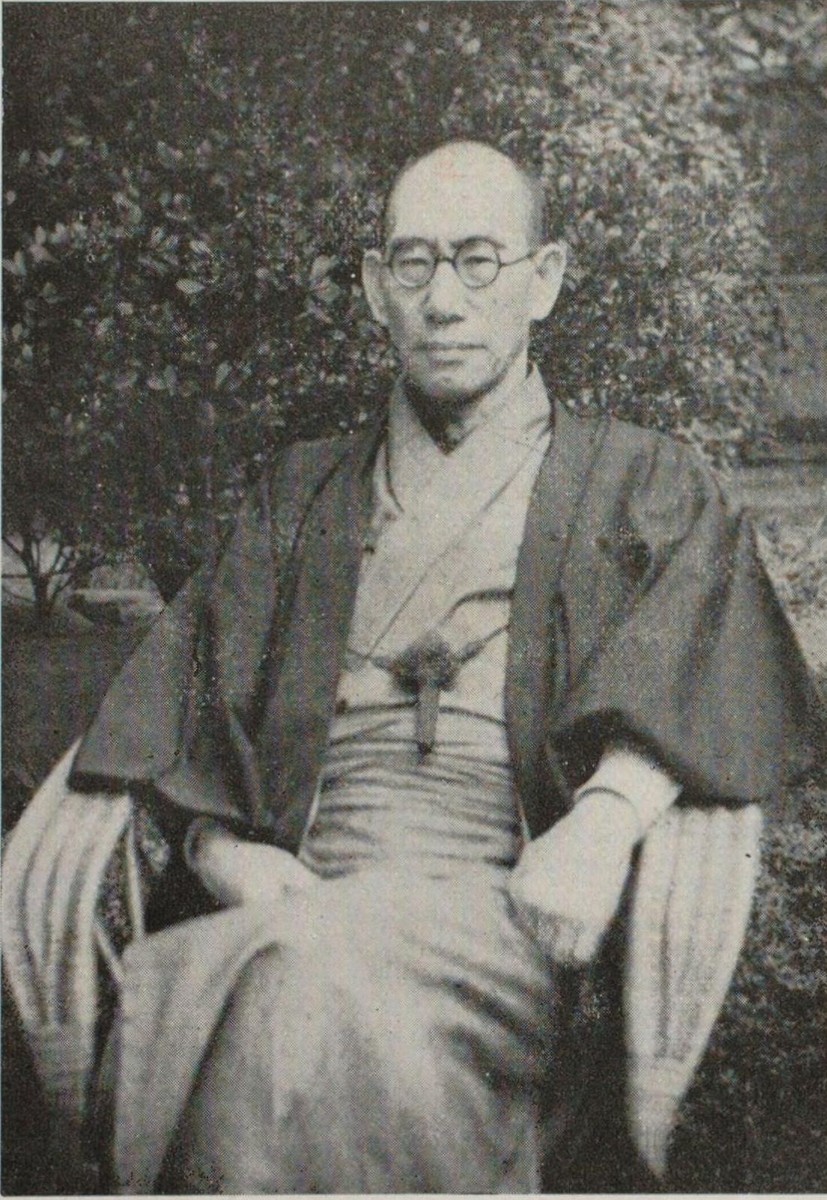
Source: Portraits of Modern Japanese Historical Figures, National Diet Library, Japan (https://www.ndl.go.jp/portrait/) · Photograph of Nishida Kitaro in later life, from the National Diet Library (Japan) digital exhibition Portraits of Modern Japanese Historical Figures, image 6069_2; the library does not name the photographer or give a date. Downscaled from 1098 x 1593 to 827 x 1200 pixels, never enlarged · Public domain (National Diet Library statement that all images in the Portraits of Modern Japanese Historical Figures exhibition are in the public domain)
철학자 · 20세기
니시다 기타로
1870–1945
주요 업적 분야
아직 성격 매칭에 포함되지 않았습니다 — 기록된 근거가 성격 모델 전체를 다루기에는 충분하지 않습니다. 이 페이지의 다른 모든 내용은 자유롭게 확인하실 수 있습니다.
핵심 특성
주요 업적
1911년 『선의 연구』를 써서, 일본 국립국회도서관이 창조성을 갖춘 일본 최초의 철학서로 구상되었다고 설명하는 이 책에서, 주관과 객관이 나뉘기 이전의 '순수경험'을 중심으로 서양 철학과 선·동아시아 사상을 결합했다.
교토제국대학 철학 교수(1914~1928)로서 '무(無)의 장소' 철학을 발전시켰고, 다나베 하지메·와쓰지 데쓰로·구키 슈조를 교토로 불러오는 데 힘썼으며 니시타니 게이지 등을 가르쳐 흔히 교토학파의 아버지로 불린다.
1928년 퇴임 뒤에도 집필을 이어 『철학논문집』 일곱 권을 냈고 세상을 떠나기 두 달 전 「장소의 논리와 종교적 세계관」을 완성했으며, 1940년 문화훈장을 받았고 1947년부터 나온 전집은 베스트셀러가 되었다.
삶의 장면들
전쟁 마지막 해에 건강이 나빠지고 주변 도시가 폭격을 받는 중에도 연구를 이어 가, 1945년 6월 7일 세상을 떠나기 두 달 전 「장소의 논리와 종교적 세계관」을 완성했다.
어려운 조건에서도 오랜 지적 과업을 이어 간 사람과 일치하는 모습이다. 끈기
젊은 학자 다카하시 사토미가 순수경험 개념을 비판하자 책이 나온 직후 논문으로 이를 명확히 했고, 이후 다나베 하지메와 도사카 준이 역사에 대한 소홀함을 비판하자 역사적 세계와 역사적 신체 개념을 발전시켰다.
비판에 따라 자신의 입장을 고쳐 나간 사상가와 일치하는 모습이지만, 이 설명은 하나의 사전 항목에 의존한다. 입장 수정 성향
전환점
1905년부터 지방 학교에서 가르치고 참선을 하며 『선의 연구』를 쓴 그는 이 책을 바탕으로 1910년 교토제국대학 자리를 얻어, 지방 교사에서 일본 학계 철학의 중심으로 옮겨 갔다.
독창적인 저작이 새로운 제도적 발판으로 이어진 흐름과 일치하는 모습이다. 창의적 독창성
비슷한 인물
전체적인 프로필이 이 사람과 닮은 사람들이에요.


세쿼야

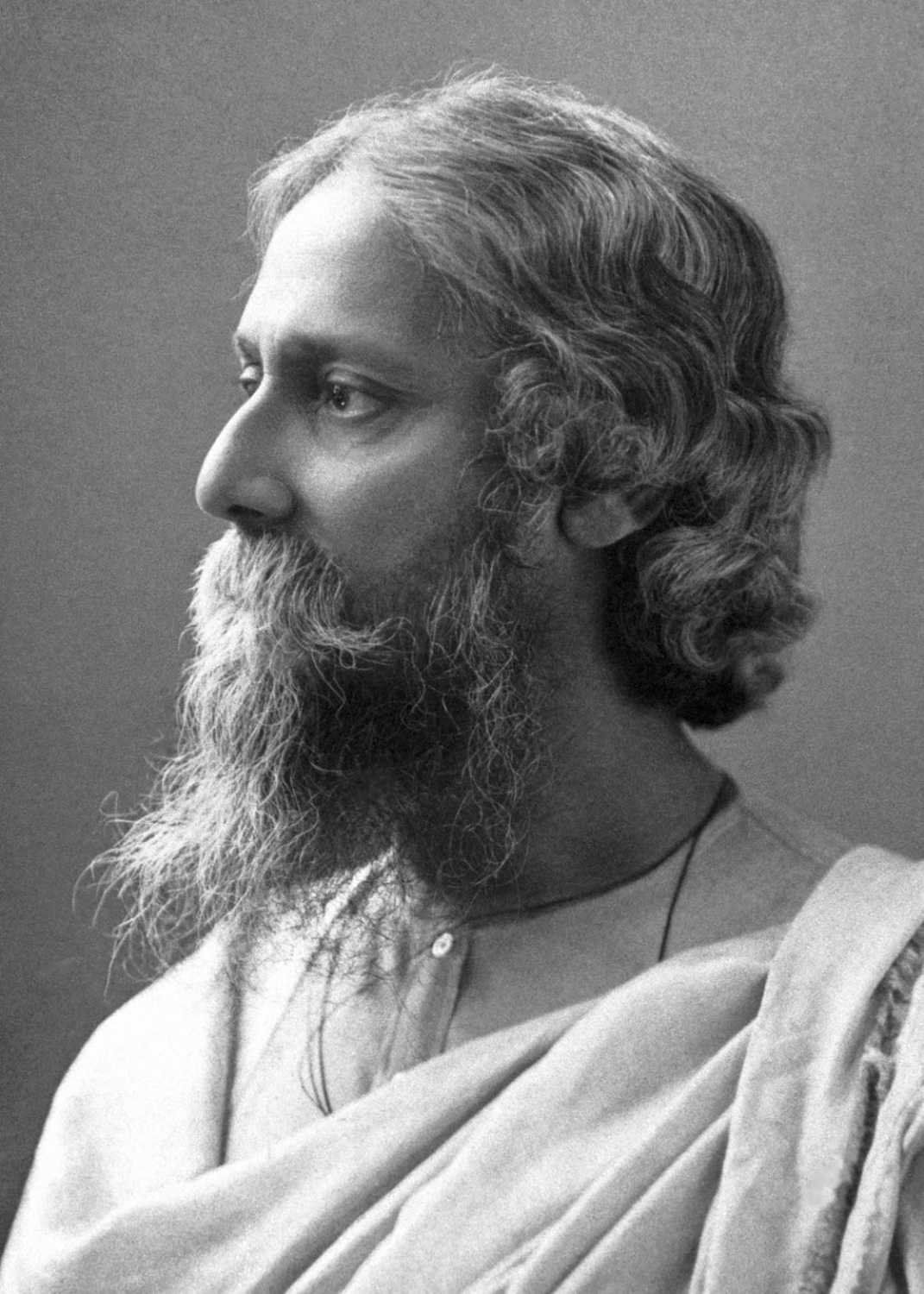
라빈드라나트 타고르

에미 뇌터

에이브러햄 링컨

표도르 도스토옙스키
출처
- Kitaro Nishida (Q45125), verified live via the Wikidata API (2026-11-04): label 'Kitarō Nishida', description 'Japanese philosopher (1870-1945)', born 1870-05-19, died 1945-06-07, citizenship Japan, Korean label present. Orientation only; not used as support for any row.
- Encyclopaedia Britannica, 'Nishida Kitaro' by Yoshinori Takeuchi (Kyoto University), read in full: Japanese philosopher whose maiden work Zen no kenkyu (An Inquiry into the Good, 1911) grew from his Zen practice and lectures, who attempted to bring Western philosophy into the Oriental spiritual tradition (the page's AI-generated summary box, not relied on, calls the book the first major work of its kind); Confucian schooling and a lifelong friendship with D. T. Suzuki; Zen practice during his years as a school teacher and professor (diary remarks on Zen 'overwhelmingly conspicuous'); professorship at Kyoto Imperial University 1913/14-1928; the philosophy of the place (topos) of Nothingness; seven volumes of Philosophical Essays after retirement; inspired the Kyoto school; and his critics (nationalists and militarists during the war, later Marxist and anti-metaphysical philosophers, and the philosophically more important criticisms of Takahashi Satomi and Tanabe Hajime). CANONICAL SIGNIFICANCE SOURCE. Written by a Kyoto-school philosopher, so sympathetic in tone.
- John C. Maraldo, 'Nishida Kitaro', Stanford Encyclopedia of Philosophy (substantive revision 2024), read in full (biography, methods, Asian sources, critiques and influence sections): schooling and Zen practice under Kyoto masters while teaching; drafting An Inquiry into the Good from 1905 and obtaining the Kyoto chair on that basis; reworking Neo-Kantians, Royce, Bergson, Lotze and Husserl; helping bring Tanabe Hajime, Watsuji Tetsuro and Kuki Shuzo to Kyoto and attracting students such as Nishitani, Miki and Tosaka; writing in 'spirals' that revisit earlier formulations; taking critics seriously (Takahashi on pure experience, Soda on place, Tanabe and Tosaka on history) and changing course; persevering with his work during illness and wartime bombing, finishing 'The Logic of Place and the Religious Worldview' two months before his death; the Kyoto School's later influence; and the critique that his system leaves little room for gaps. A scholarly reference entry; the author calls Nishida best considered an independent thinker. His political writings are noted but not scored here.
- National Diet Library, Japan, 'NISHIDA Kitaro', Portraits of Modern Japanese Historical Figures, read in full: philosopher, graduated from the Imperial University of Tokyo in 1894, taught philosophy and ethics at Kyoto, Zen no Kenkyu (An Inquiry into the Good) described as conceived as the first Japanese philosophical book with creativity, retired 1928, Order of Culture 1940, and his collected works published from 1947 became best-sellers; the site states that all its images are in the public domain. Institutional summary; no behavioural detail.
- Kyoto Journal (published by the Kyoto City Tourism Association), 'The Philosopher's Path: Nishida Kitaro's Contemplative Route' (2015), read in full: draws on his biographer Michiko Yusa's Zen and Philosophy (2002) and on his student Nishitani Keiji's memoir; says he began a daily walk in 1910 that he kept until his 1928 retirement, usually alone and for two hours or more; was a wide reader who devoured thinkers' biographies and followed the latest science; found comfort in calligraphy and waka; and, per Nishitani, usually arrived thirty minutes late for special lectures, mumbled for a while and then paced and spoke with intensity, oblivious to his gestures. Also remarks he was drawn into wartime nationalist politics (not scored) and was slow to be recognised abroad. A travel-magazine essay quoting a biographer and a devoted pupil, so partly admiring and secondhand.
- Gereon Kopf, review of Michiko Yusa, 'Zen and Philosophy: An Intellectual Biography of Nishida Kitaro', Japanese Journal of Religious Studies 30/1-2 (2003), read in full from the Nanzan Institute PDF: a specialist review of the first comprehensive English-language biography; says it draws on his letters, diaries and notes, corrects errors in the dating of correspondence, presents him as a man of integrity driven by an existential-spiritual quest, notes that his philosophical development was tied to his life, that Yusa writes descriptively but admits being under the 'spell of the Nishidan mystique', and that she tends to adopt Nishida's own interpretation of events. A scholarly secondary source with a critical remark on the biography itself.
- Damian Flanagan, review of Keiji Nishitani, 'Nishida Kitaro: The Man and His Thought', The Japan Times (23 February 2019), read in full: a short newspaper review of a pupil's tribute collection; calls Nishida arguably the most important modern Japanese philosopher, says the essays show him turning to Zen in his youth, reading widely, and pursuing a unifying principle of existence he called pure experience in the face of psychology and sociology encroaching on philosophy. Brief and admiring; its remarks on his family life are not used.