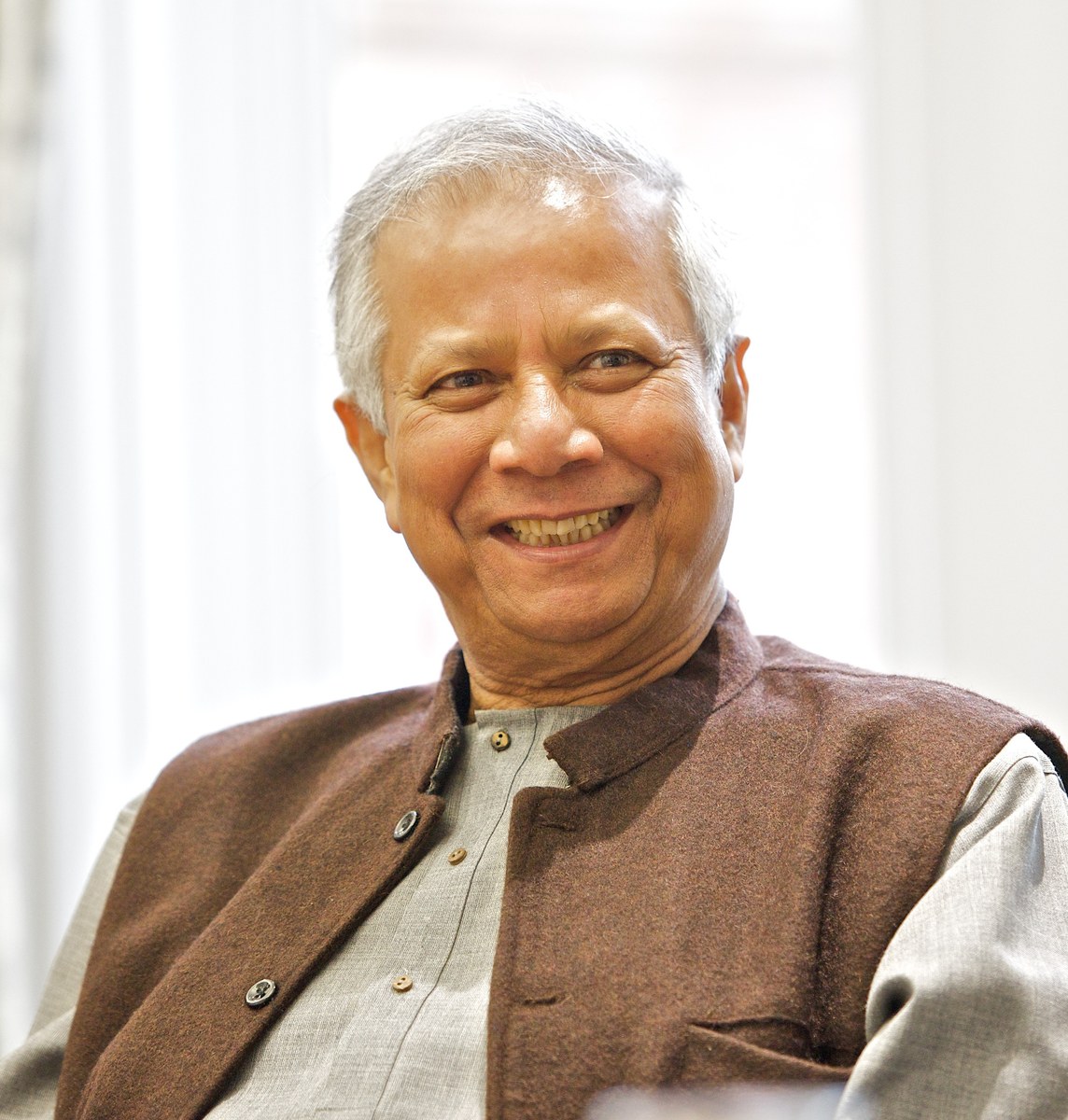

Photo: University of Salford Press Office, 2013, CC BY 2.0 · Wikimedia Commons 'Muhammad Yunus (cropped).jpg' (derivative of 'Professor Muhammad Yunus- Building Social Business Summit (8758300102).jpg'), photograph by the University of Salford Press Office, 18 May 2013, from the University of Salford Flickr account (photo 8758300102), tagged CC BY 2.0 and Flickr-reviewed on Commons on 5 September 2024; the live Flickr page shows the Attribution 2.0 licence. The Commons crop is 3000 x 3148 and was downscaled only (never upscaled) to 1144 x 1200. · CC BY 2.0
경제학자 · 현대
무함마드 유누스
b. 1940
주요 업적 분야
아직 성격 매칭에 포함되지 않았습니다 — 기록된 근거가 성격 모델 전체를 다루기에는 충분하지 않습니다. 이 페이지의 다른 모든 내용은 자유롭게 확인하실 수 있습니다.
핵심 특성
주요 업적
1976년 자신의 돈 27달러를 조브라 마을 주민 42명에게 빌려준 뒤 제도적 해법을 마련했고, 이 사업은 1983년 독립 은행인 그라민 은행이 되었다.
담보 없는 소액 집단 대출(주간 상환, 그룹 기금, 여성 중심 대출)이라는 그라민 방식을 개발했고, 노벨재단은 이 모델이 100개국 이상에서 되풀이되었다고 밝힌다.
아래로부터의 경제·사회 발전을 위한 노력으로 그라민 은행과 함께 2006년 노벨 평화상을 공동 수상했고, 그라민 트러스트와 그라민폰 같은 관련 사업으로 모델을 확장했다.
삶의 장면들
전통적인 은행들에 가난한 이들에게 대출해 달라고 설득하는 데 몇 달간 실패한 끝에, 유누스는 자신이 보증인으로 서명해 1976~77년 자나타 은행의 대출 한도를 얻었다.
이는 기관들이 거부할 때 직접 책임을 지고 사업을 시작하려는 태도와 일치한다. 선제적 행동력
그라민은 처음에 아주 작은 일일 상환을 정했다가 회계 부담을 줄이려 곧 주간 상환으로 바꿨고, 1979년부터는 서로 떨어진 다섯 지역으로 확장해 은행이 유누스 개인의 카리스마에 의존하지 않음을 보이려 했다.
이는 대출 모델을 시험하고 조정해 가며 만들어 간 접근과 일치한다. 실험 성향
전환점
1974년 기근은 당시 경제학 교수였던 유누스에게 충격을 주었고, 그는 주변 사람들이 굶어 죽는데 경제 이론이 무슨 소용이냐고 자문했으며 1976년에는 마을 주민에게 돈을 빌려주고 있었다.
이는 학문적 경제학에서 현장 빈곤 해결 활동으로 옮겨 간 흐름과 일치한다. 영향 창출 동기
비슷한 인물
전체적인 프로필이 이 사람과 닮은 사람들이에요.


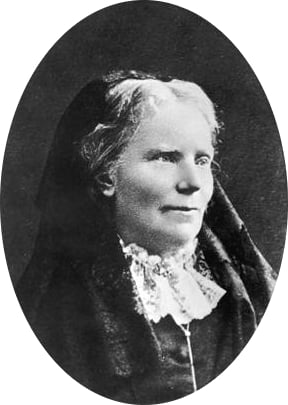
엘리자베스 블랙웰

마야 안젤루

벤저민 프랭클린

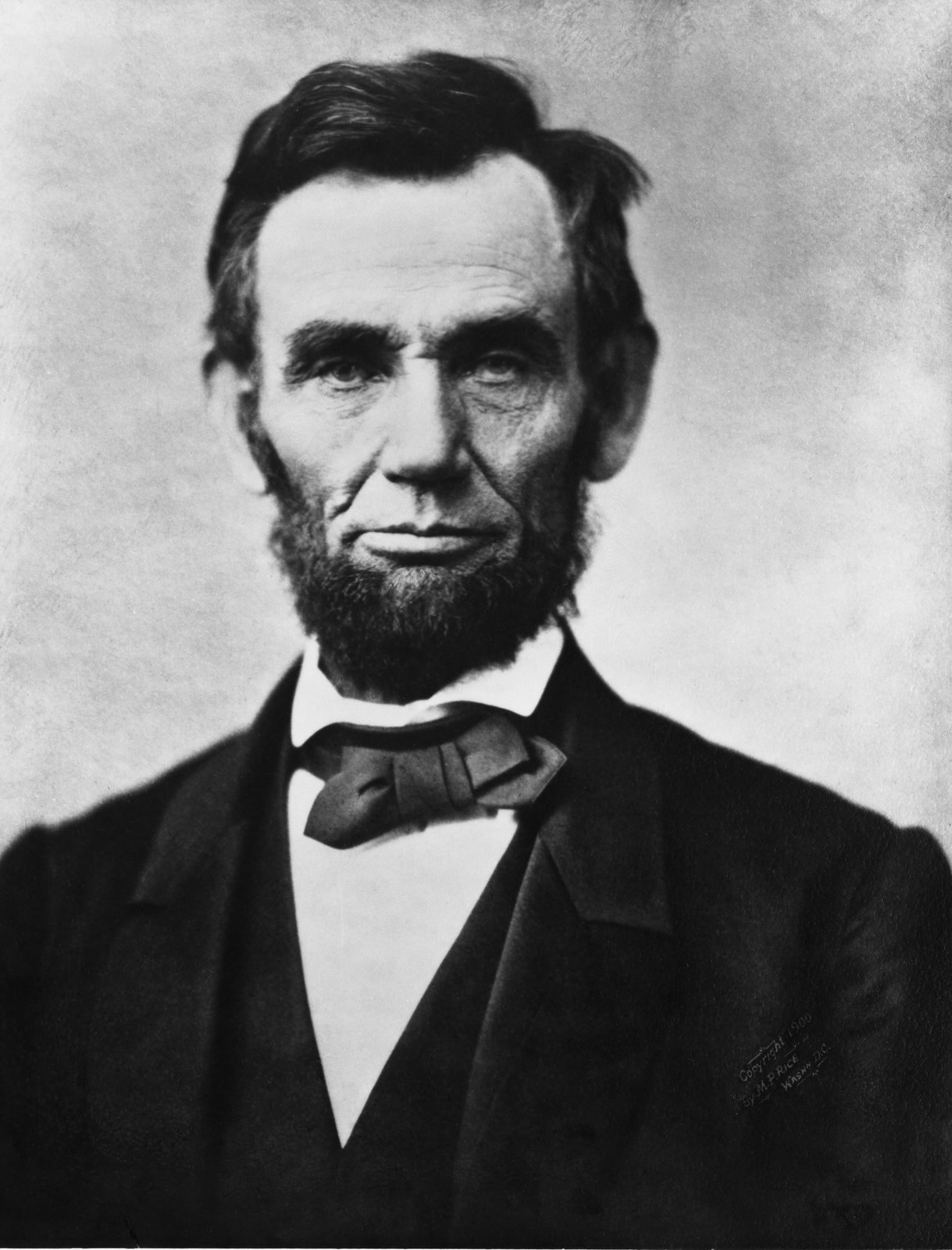
에이브러햄 링컨

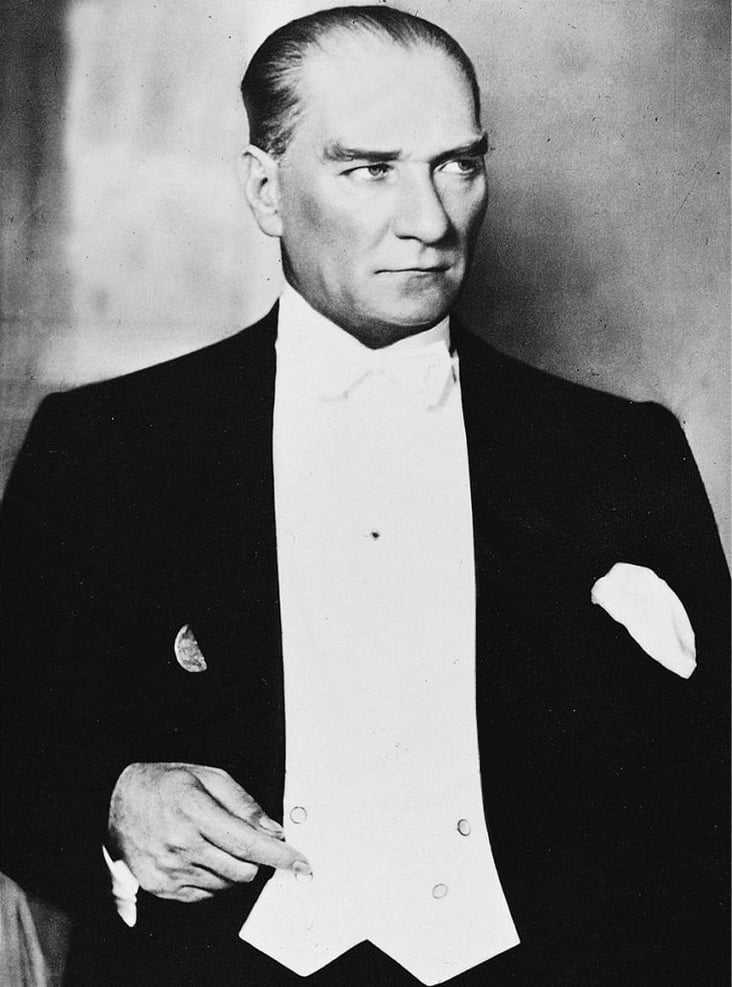
무스타파 케말 아타튀르크
출처
- Muhammad Yunus (Q43969) -- verified live via the Wikidata API (2026-10-24): English label 'Muhammad Yunus', description 'Bangladeshi banker, Nobel Peace Prize recipient and the former Chief Adviser of Bangladesh', born 1940-06-28, no date of death, citizenship Bangladesh, Korean label '무함마드 유누스'. Orientation only; not used as support for any row.
- Nobel Foundation, 'Muhammad Yunus - Biographical' (nobelprize.org, written at the time of the 2006 Peace Prize award), read in full: he established the Grameen Bank in Bangladesh in 1983 on the belief that credit is a fundamental human right, aiming to help poor people escape poverty with loans on suitable terms; the model began with his personal loans to destitute basket-weavers in the mid-1970s and has been replicated in more than 100 countries; schooling in Chittagong and Dhaka, Fulbright study and a Vanderbilt economics PhD in 1969, then teaching; UN advisory roles on women and finance; list of prizes. CANONICAL SIGNIFICANCE SOURCE. Award-body biography, admiring and contemporary with the prize.
- Nobel Foundation, Award Ceremony Speech for the 2006 Nobel Peace Prize by the Nobel Committee chairman (nobelprize.org), read in full: Yunus returned to Bangladesh in 1972, was shaken by the 1974 famine and asked what the point of economic theory was while people starved, lent 27 dollars to 42 craftsmen in 1976 and then decided an institutional solution was needed; Grameen Bank since 1983 lent almost six billion dollars to nearly seven million borrowers, over 95 per cent of them women, with a high repayment rate; the committee cites female empowerment, development from below and replication in nearly a hundred countries; and a quoted Yunus phrase 'Lend the poor money in amounts which suit them'. Committee statement, retrospective and admiring.
- Encyclopedia.com (Gale), 'Grameen Bank' company-history entry, read in full: the 1976 loan of under 27 dollars to 42 villagers of Jobra; the months of wrangling to obtain a Janata Bank loan with Yunus as guarantor; the iterative design of the lending method (daily payments soon changed to weekly, one-year terms, a group of five, a group fund); the 1978 Krishi Bank arrangement and the 1979-1982 expansion designed to prove the bank did not depend on his charisma; 1983 independent bank; the Sixteen Decisions; housing loans; the Grameen Trust, GrameenPhone with Telenor, Grameen Shakti; setbacks (1991 loan-forgiveness policy and cyclone, 1998 floods); and the notes that critics reported some borrowers take out additional loans to repay and that the bank had to watch 'pipelining' of women's loans to husbands. Business-reference history with a critical aside.
- Nelson Mandela Foundation, 'Professor Muhammad Yunus' biography page (nelsonmandela.org; Yunus was a founding member of The Elders), read in full: family and education, Fulbright and Vanderbilt PhD, teaching at Middle Tennessee State, return in 1972, the Rural Economics Programme and 1975 three-share farm project, the 1976 Jobra loans and December 1976 Janata Bank credit line, the 1983 conversion to Grameen Bank, 7.5 million borrowers (97 percent women) by May 2008, the Grameen group of companies and Grameen Trust, and awards. Institutional biography, admiring and based on Yunus-side information.
- Abhijit Banerjee, Esther Duflo, Rachel Glennerster and Cynthia Kinnan, 'The miracle of microfinance? Evidence from a randomized evaluation' (MIT Department of Economics / J-PAL working paper, June 2010, later published in American Economic Journal: Applied Economics 2015), abstract and introduction read: the first randomized evaluation of introducing microcredit in a new market (104 Hyderabad slums, Spandana, not Grameen Bank); 15-18 months on, no effect on average monthly expenditure per capita, more durable-goods spending, new businesses up by one third, and no impact on health, education or women's decision-making. Independent academic evidence on microcredit in general, used as a counter-voice to claims about poverty reduction, not as evidence of Yunus's own conduct.
- Milford Bateman, 'Has the microfinance bubble really burst?' (Oxfam 'From Poverty to Power' blog, c. 2011), read in full: a critic's case that independent, rigorous evaluations have been unable to show meaningful poverty reduction from microfinance, that much lending goes to consumption at high interest rates, that Bangladesh and Jobra village remain poor, and that microenterprise failure can leave clients poorer; also notes the then-current dispute over Yunus's leadership of Grameen Bank, which was NOT scored. Critic's position, partisan in tone; targets the industry more than Yunus's own conduct.
- David Roodman, 'Why Doesn't Microfinance Work?' reply post on the Center for Global Development blog (cgdev.org), read in full: Roodman's response to a defence of Bateman's book, standing by his criticism that Bateman is careless with evidence and offering examples (for instance that Grameen's mandatory savings requirement was 5 per cent from the start rather than a 2001 change); notes that GrameenPhone's marginal returns to additional 'phone ladies' fell as they multiplied; and stresses he is not claiming Yunus never self-aggrandized or that evaluators always see clearly. Independent expert commentary that critiques both advocates and a critic.
- Wikimedia Commons file page 'Muhammad Yunus (cropped).jpg' (wikitext and API record) and the live Flickr photo page 'Professor Muhammad Yunus: Building Social Business Summit' by the University of Salford account, checked for the portrait's licence: photographed 18 May 2013 at a University of Salford summit, uploaded to Flickr by the University of Salford Press Office, tagged CC BY 2.0 with a Flickr licence review dated 5 September 2024; the live Flickr page shows the Attribution 2.0 licence; the cropped derivative is 3000 x 3148. Not used for any scoring.