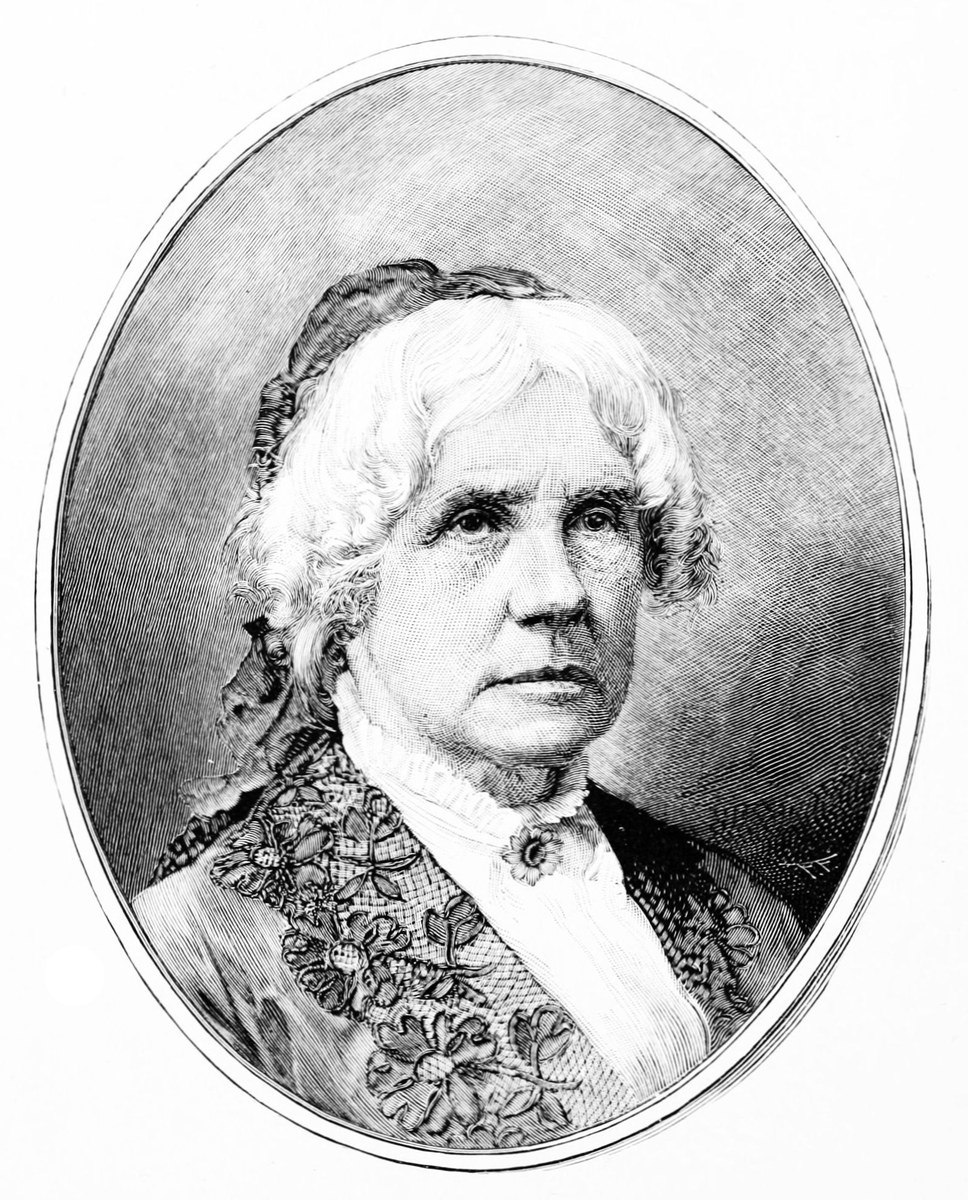

Engraved portrait of Maria Mitchell in Appletons' Popular Science Monthly, vol. 50, New York, 1896-1897 (Internet Archive scan), public domain by US publication before 1931 · Engraved oval portrait of Maria Mitchell, the unnumbered plate captioned 'Maria Mitchell' printed with the 'Sketch of Maria Mitchell' in Appletons' Popular Science Monthly, volume 50 (New York, 1896-1897), Internet Archive scan of the volume (item popularsciencemo50newy), page image extracted on Wikimedia Commons as 'PSM V50 D450 Maria Mitchell.jpg' (the Commons description text is wrong, but the file is this plate). The engraver is not named and the source photograph is not stated, so this is a later engraved depiction rather than a documented sitting. The file is the 1592 x 1974 scan downscaled to 968 x 1200 with no upscaling. · Public domain (published in the United States in 1896-1897)
천문학자 · 19세기
마리아 미첼
1818–1889
주요 업적 분야
아직 성격 매칭에 포함되지 않았습니다 — 기록된 근거가 성격 모델 전체를 다루기에는 충분하지 않습니다. 이 페이지의 다른 모든 내용은 자유롭게 확인하실 수 있습니다.
핵심 특성
주요 업적
그녀는 1847년 10월 1일 낸터킷에서 망원경으로 혜성을 발견했다. 이 혜성은 훗날 C/1847 T1로 명명되어 '미첼 양의 혜성'으로 불렸고, 덴마크 국왕이 그 공로로 금메달을 수여했다.
그녀는 1848년 여성 최초로 미국 예술과학아카데미 회원에 선출되었고, 19년 동안 미국 항해력을 위해 금성의 위치를 계산했다.
그녀는 1865년부터 1888년까지 바서 대학의 천문학 교수이자 천문대장으로 재직하며, 학생들이 직접 관측 연구를 하도록 이끌고 그 결과를 자신의 연구와 함께 발표했다.
삶의 장면들
가족 전기 작가에 따르면 그녀는 손님이 있어도 맑은 저녁이면 어김없이 지붕 위에서 하늘을 '훑으며' 관측했고, 1847년 10월 1일 혜성을 본 것 같다고 아버지에게 말하면서도 충분히 관측해 확신하기 전까지는 알리지 말라고 당부했다.
이는 오랜 반복 관측과 발견을 알리기 전의 신중함이 함께 있었던 모습과 일치한다. 끈기
1870년 5월 그녀는 앨리다 에이버리와 함께 바서 총장에게 남성 교수와 같은 급여를 요구하는 편지를 썼고, 1871년 5월 다시 급여액과 지급 방식을 같게 해 달라며 문제를 이사회에 올려 달라고 요구했으며, 이사회는 1871년 6월 두 사람에게 각각 2,500달러를 지급하기로 결의했다.
이는 고용주에게 직접 동일 임금을 끈질기게 요구한 모습과 일치한다. 사회적 적극성
전환점
1865년 그녀는 낸터킷을 떠나 바서 대학으로 갔다. 백과사전은 그녀가 이론 천문학보다 가르치는 일에 전념하기로 선택했고, 천문대에서 학생들과 함께 일하느라 연구 시간이 크게 줄었다고 설명한다.
이는 혼자 하는 관측에서 학생들과 함께하는 연구로 옮겨 간 모습과 일치한다. 협업 성향
비슷한 인물
전체적인 프로필이 이 사람과 닮은 사람들이에요.


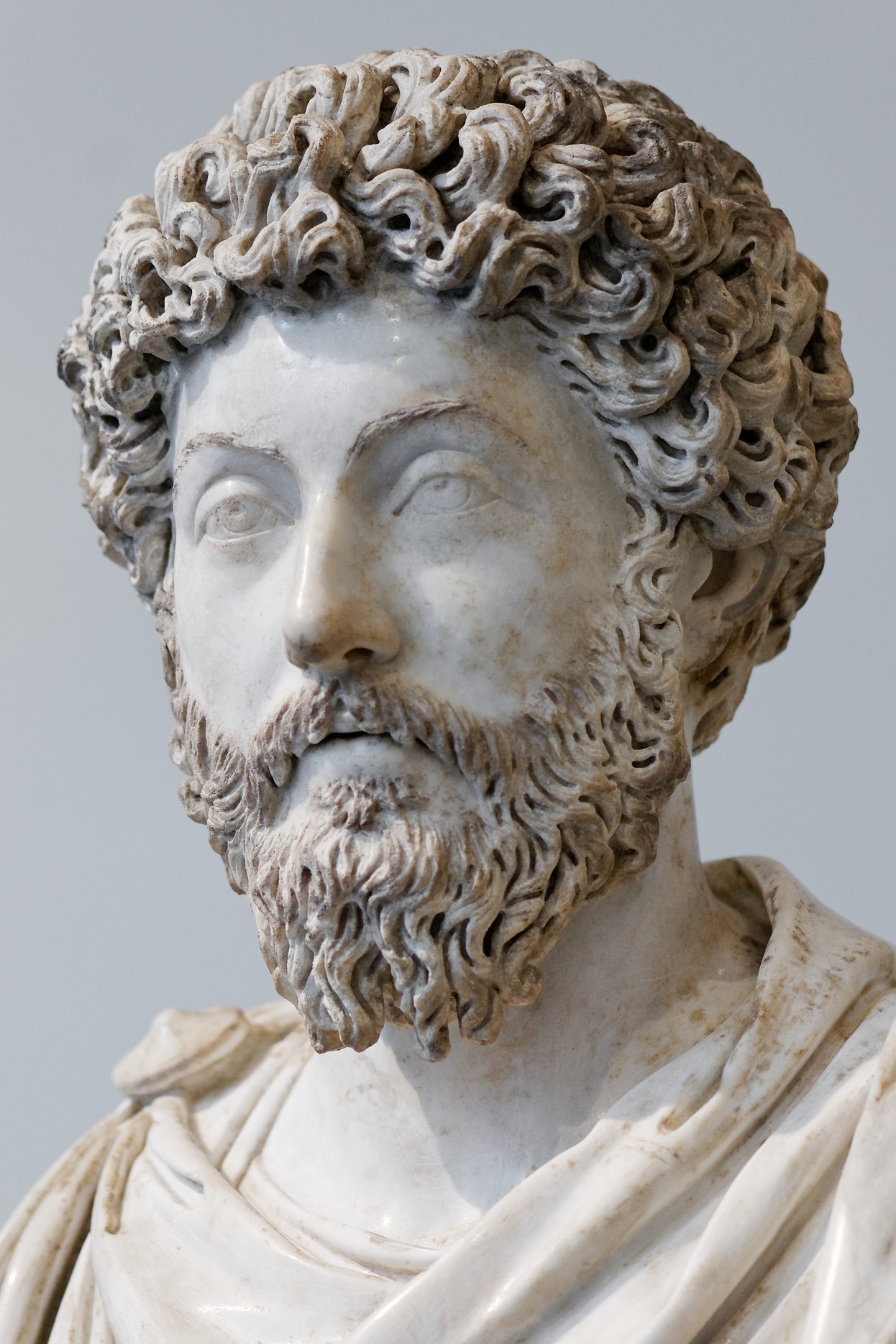
마르쿠스 아우렐리우스

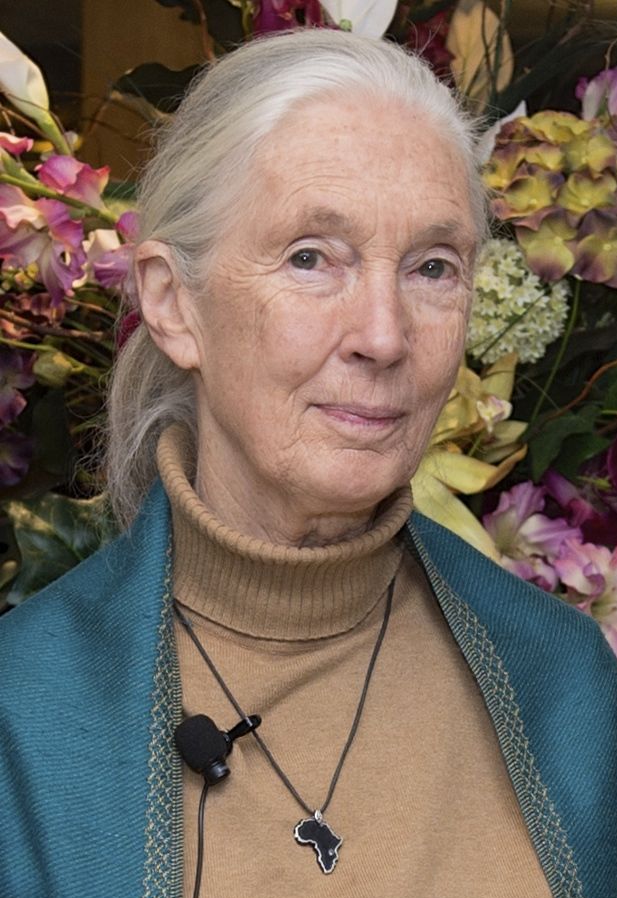
제인 구달

넬슨 만델라

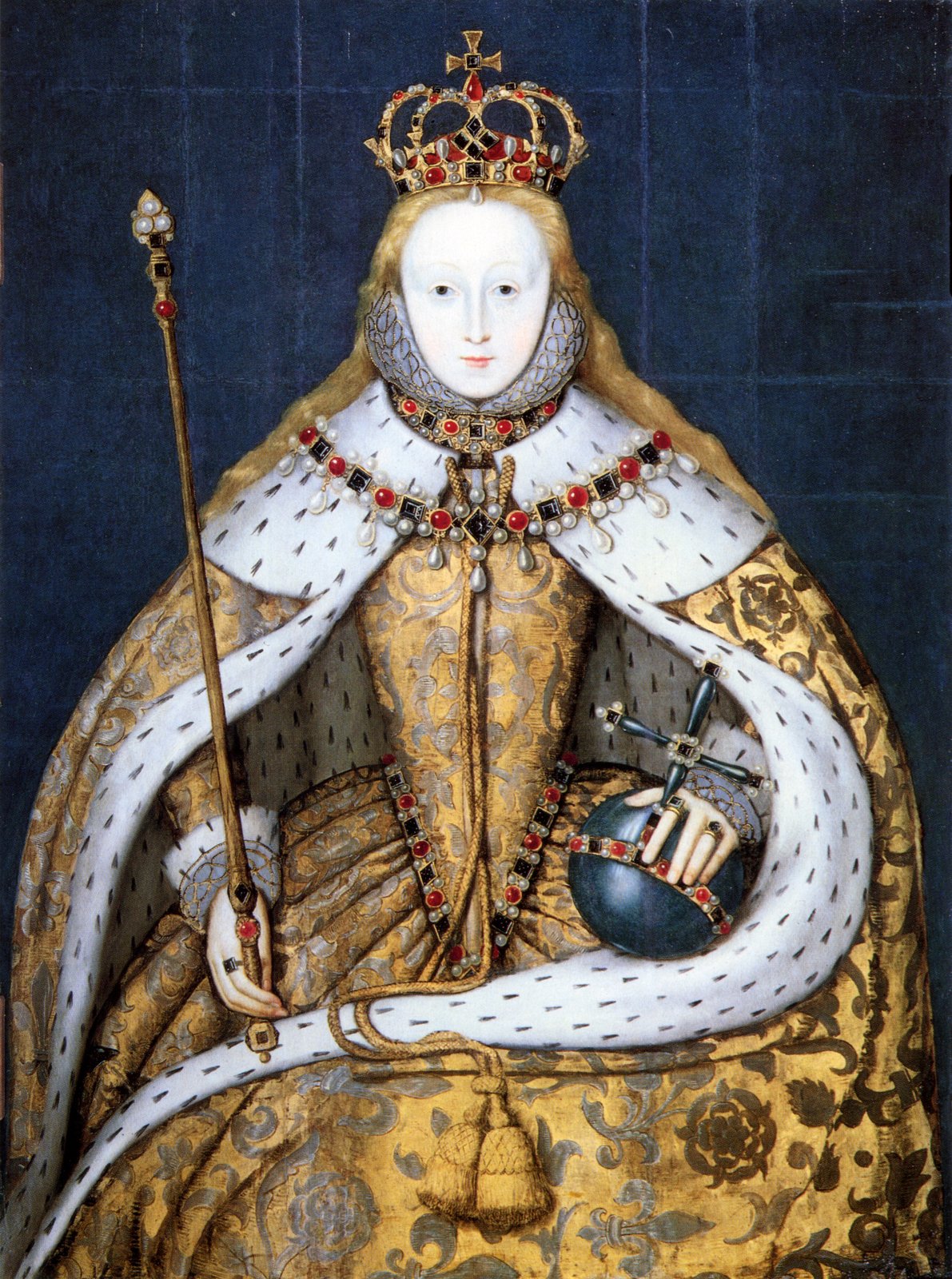
엘리자베스 1세

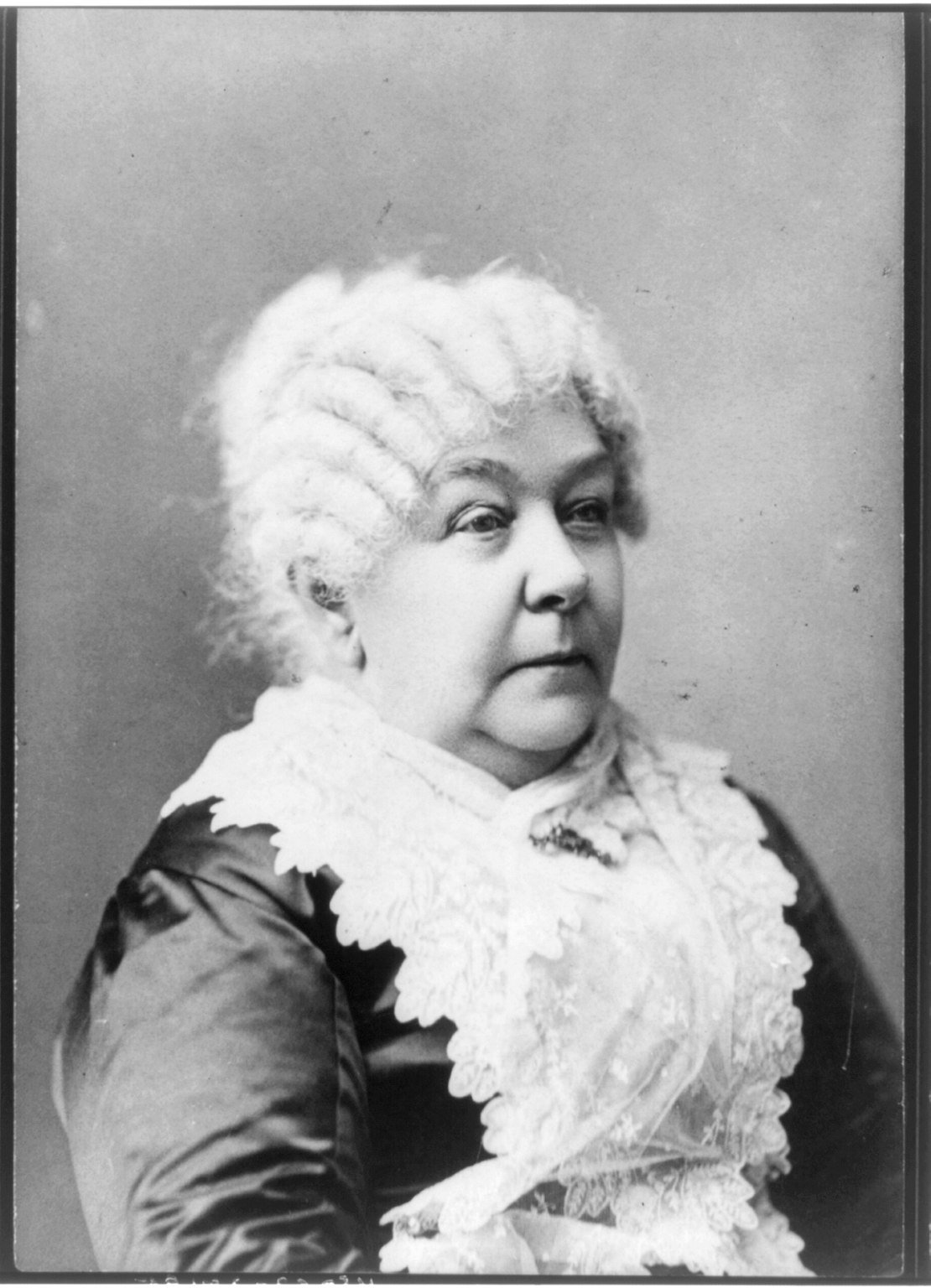
엘리자베스 케이디 스탠턴
출처
- Maria Mitchell (Q239229), verified live via the Wikidata API (2026-11-01): label 'Maria Mitchell', description 'American astronomer', born 1 August 1818, died 29 June 1889 (other sources give 28 June), citizenship United States, Korean label 마리아 미첼, images include the 1851 portrait by H. Dassell and the Nantucket Historical Association scan. Orientation only; not used as support for any row.
- Vassar College Encyclopedia, 'Maria Mitchell' (original faculty biography), read in full. CANONICAL SIGNIFICANCE SOURCE: one of the first professors hired for the new Vassar College, sought by Matthew Vassar to lend luster to the faculty; discovered a telescopic comet from Nantucket in 1847 and was awarded the Danish king's gold medal; first woman elected to the American Academy of Arts and Sciences (1848) and the American Association for the Advancement of Science (1850); observatory with a 12-inch Fitz telescope; her students did original research, were roused at night to observe, and their findings were published with hers; 1869 eclipse expedition to Burlington, Iowa with seven students; her solar photographs rediscovered in 1997; fund-raising in 1886 that saved the Observatory ($30,000); students Whitney, Maury and Ladd-Franklin; retired in 1888 and died in 1889. Institutional history written by the college; sympathetic in tone.
- Vassar College Encyclopedia, 'Maria Mitchell Salary Dispute', read in the opening sections (about half of the page): drawing on Henry Albers's book 'Maria Mitchell: A Life in Journals and Letters', it says that in 1865 she was paid $800 plus rooms and board while professors' salaries were fixed at $2,000, that in May 1870 she and Alida Avery wrote the president asking for equal pay, that the Executive Committee found 'no substantial difference' in their emoluments, that she wrote again in May 1871 asking that salaries be equal and paid in the same way and that the question go to the trustees, and that the Board of Trustees resolved in June 1871 that both women would receive $2,500. Quotes her letters. Institutional history with archival quotation.
- Encyclopedia.com, 'Mitchell, Maria' (Celeste DeRoche, American Women Writers; plus a second short entry by Gay A. Ragan, Mathematics), read in full: Quaker upbringing and a father who made astronomical observations for the Coast Survey; self-study of Bowditch, Hutton, Lagrange, Laplace, Legendre and Gauss; her own school in 1835; librarian at the Nantucket Athenaeum from 1836; the comet of 1 October 1847, the Danish king's gold medal and election to the American Academy (1848, proposed by Louis Agassiz) and the AAAS (1850); 19 years as a computer for the American Ephemeris and Nautical Almanac; the 1857 European trip; professor and observatory director at Vassar from 1865, where she 'made a deliberate choice' to commit to teaching and, because she was a devoted teacher, her research time was 'sharply limited'; 'not a theoretician, but rather a teacher and observer'; election to the American Philosophical Society in 1869; retired 1888. The two entries differ on the librarian start date (1836 or 1838). Encyclopedic reference.
- U.S. National Park Service, 'Maria Mitchell, Astronomer' (people page, last updated 2019), read in full: opened her own school in 1835 and admitted non-white students in a community with a segregated public school; first librarian of the Nantucket Athenaeum for 20 years; the comet of 1 October 1847 and an award from King Frederick VI of Denmark; only the third woman worldwide to discover a comet; first woman Fellow of the American Academy of Arts and Sciences (1848); computed the positions of Venus for the Nautical Almanac Office; at Vassar from 1865 she found she was paid less than younger male professors, insisted on an increase and received it; succession of women directors of the observatory. Government educational page.
- Popular Science Monthly, volume 50 (1896-1897), 'Sketch of Maria Mitchell' (pp. 544-551, Internet Archive scan), read in full: a period biographical sketch quoting Phebe Mitchell Kendall's 1896 'Life, Letters and Journals' and her diary: nightly 'sweeping' of the sky from the housetop; the comet of 1 October 1847, seen by Father de Vico at Rome on 3 October and by others later, with her priority generally acknowledged but her claim for the Danish medal pressed through Edward Everett and decided by Schumacher; Venus tables for the Nautical Almanac from 1849 for 19 years; her 1854 diary entry admitting that she hesitated to announce a comet and that Van Arsdale reported it first; sixteen hours of steady work in a single day recorded in her diary; her teaching methods and her saying that astronomy that is not mathematical 'is not astronomy at all'. Period secondary source quoting her private writing; admiring in tone, so the rows built on it are capped.
- Space.com, 'Maria Mitchell: Astronomer & Feminist' (Elizabeth Howell), read in full: the comet was initially credited to the Italian astronomer Francesco de Vico, who reported it first, and it was later established that Mitchell had seen it earlier; she found her new fame 'irritating' because it made work difficult (per the Maria Mitchell Association); a Vassar observatory with a 12-inch telescope; her solar-photograph apparatus; the Association for the Advancement of Women (not scored). Popular science journalism; used for the priority nuance.
- Maria Mitchell Association, Nantucket, 'Historic Photo Collection' page (live page opened 2026-11-01), read for its reproduction terms only: lists its archive images of Maria Mitchell including the c. 1851 portrait by Herminia B. Dassel, and says use requires a written request to the curator, a Publication and Use Agreement, payment of fees and a one-time, non-transferable licence per image. Portrait-rights record only; not used for any row.