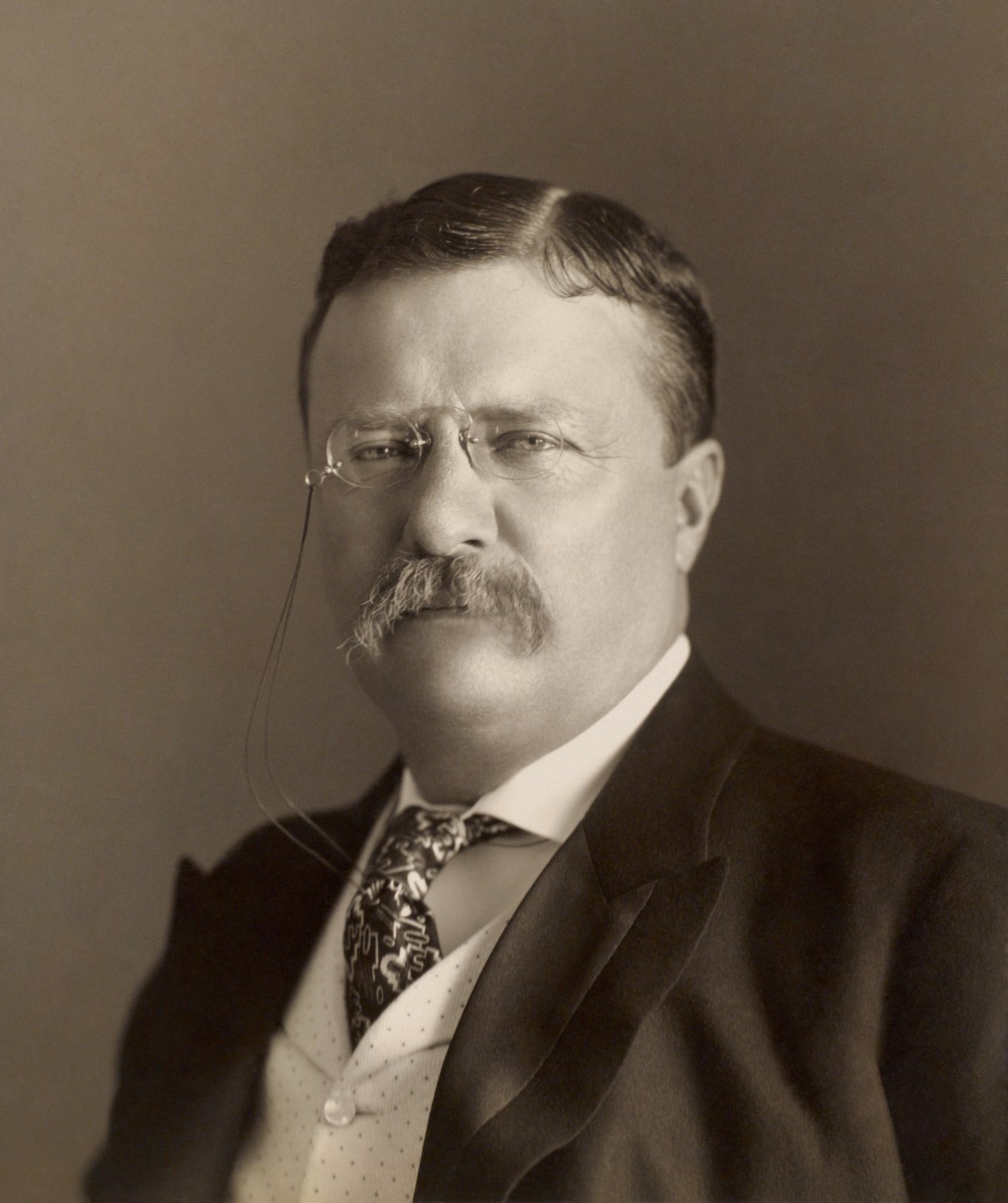
Wolfgang Hunscher, Dortmund, CC BY-SA 3.0 · Wolfgang Hunscher, Dortmund (own work), via Wikimedia Commons · CC BY-SA 3.0
핵심 특성
주요 업적
추제는 1936년부터 1938년까지 베를린에 있던 부모님 집에서 Z1을 만들었다. Z1은 천공 테이프에서 명령을 읽어 들이는 기계식 이진 부동소수점 계산기였다. 1941년 5월 12일에는 릴레이 방식의 후속기 Z3를 베를린 자택에서 소수의 전문가들에게 선보였다. Z3는 공습으로 파괴되었고, 그의 지휘로 1962년에 완성된 복제기가 1968년부터 뮌헨의 독일 박물관(도이체스 무제움)에 전시되어 있다.
추제는 1943년경부터 1945년까지 플란칼퀼(Plankalkül)을 고안했다. 이것은 어떤 계산 절차든 순수하게 형식적으로 기술하기 위한 표기법으로, 하나의 비트 자료형에서 출발해 복합 자료형을 쌓아 올리는 구조였다. 1945년 원고에는 정렬, 그래프 연결성 검사, 정수 및 부동소수점 연산, 체스를 다루는 프로그램이 담겨 있었다. 이 원고는 1972년까지 출간되지 않았고, 1948년과 1959년에 발췌본만 실렸다.
1949년 9월 7일 추제는 바젤의 바디셔 반호프 역 식당에서 취리히 연방공과대학(ETH)과 Z4의 5년 임대 계약을 맺었다. 이는 에두아르트 슈티펠이 그해 7월 13일 알고이의 호프라우로 그를 찾아온 뒤의 일이었다. Z4는 1950년 7월 11일부터 1955년 4월까지 ETH에 설치되어 있었고, ETH의 요청으로 조건부 분기 기능이 추가되었다. 추제 KG는 계약보다 몇 주 앞서 노이키르헨에서 설립되었다.
삶의 장면들
1936년 4월 11일 추제는 변리사를 통해 특허를 출원했다. 저장된 수치 집합과 '계산 계획'으로 긴 계산을 자동으로 수행하는 방법에 관한 것이었다. 그는 기계가 긴 계산을 스스로 처리하는 만큼 사람의 습관을 따르지 않고 가장 단순한 수 체계를 쓸 수 있다고 논증했으며, 스위칭 소자를 전기식으로 할지 기계식으로 할지는 열어 두었다. 이 출원은 1940년 8월에 취하되었다.
원리를 특정 하드웨어와 분리하여 서술한 점은 시스템 추상화 점수와 부합한다. 시스템적 사고
1953년 4월 트리움프 베르케(Triumph Werke)가 Z 391 출원에 이의를 제기하자(IBM 도이칠란트의 지원을 받은 것으로 보인다) 추제 KG는 청구항을 여러 차례 다시 썼다. 1956년 5월 8일의 회신에서 추제는 배비지가 프로그램 제어의 기본 발상을 제시했음을 인정하면서도, 이를 구체적으로 구현하는 방법은 제시되지 않았다고 주장했다. 1967년 7월 14일 연방특허법원은 그의 항고를 기각했는데, 청구 대상의 신규성과 기술적 진전은 의심할 여지가 없으나 특허를 받을 만한 발명 단계(진보성)에 이르지 못했다는 이유였다.
수년에 걸쳐 거듭된 이의에 맞서 청구항을 다시 쓴 점은 끈기 점수와 부합한다. 끈기
전환점
Z1의 기계식 연산 장치는 걸려서 멈추는 일이 잦았고, 추제는 1938년 연산 장치에 전화 릴레이를 쓰되 기억장치는 기계식으로 남겨 둔 Z2를 설계하기 시작했다. 1939년부터 1941년까지 제작한 Z3는 전체를 릴레이로 구성했다. 로하스(Rojas)에 따르면 추제는 그럼에도 Z4에는 기계식 기억장치를 유지했고, 1940년대 후반까지도 그런 기억장치가 경쟁력을 유지할 수 있으리라 기대했다.
논리 회로는 릴레이로 옮기되 기계식 기억장치는 유지한 점은 중간 수준의 믿음 갱신 점수와 부합한다. 입장 수정 성향
비슷한 인물
전체적인 프로필이 이 사람과 닮은 사람들이에요.
출처
- Konrad Zuse -- orientation only (dates, nationality, career outline); not used as support for any scored row. Fetched and read.
- Konrad Zuse (Q60093) -- identity verified live through the wbgetentities API: label 'Konrad Zuse', description 'German computer scientist and engineer (1910 - 1995)', instance of human, born 22 Jun 1910, died 18 Dec 1995, citizenship Germany (Q183), ko label and kowiki title '콘라트 추제', P18 'Konrad Zuse (1992).jpg'. Orientation only.
- Deutsches Patent- und Markenamt (German Patent and Trade Mark Office), 'Konrad Zuse -- Technikgeschichte aus dem Wohnzimmer', Computer-Pioniere series (text by Dr. Jan Björn Potthast, status 13 Mar 2026) -- institutional, NON-SELF account with dated patent facts: the 1936-37 filings, the borrowed money and scrap parts of the Z1, the 12 May 1941 Z3 presentation, the 16 Jun 1941 application and its outcome, the Z4 lease to ETH Zurich, the 1949 founding of Zuse KG, the 1962 headlight-control and later wind-power filings, and the later turn to painting. Fetched and read in full.
- Hartmut Petzold (Deutsches Museum), 'The Mills of the Patent Office: The futile efforts of Konrad Zuse to patent the program-controlled calculating machine' (English translation by the John Gabriel Byrne Computer Science Collection, Trinity College Dublin, of the chapter 'Die Mühlen des Patentamts' in Rojas (ed.), Die Rechenmaschinen von Konrad Zuse, 1998; revised from GMD-Studien 59, 1981) -- scholarly, NON-SELF reconstruction of the whole patent history from the Zuse Papers, with dated filings, quotations from Zuse's own applications and replies, and the list of his applications 1936-47. Downloaded as PDF and read: introduction, sections 2-3 (1936 applications, 1940 draft), the 1941-42 filing, the 1953-57 exchanges, and the appendix list of applications. Later sections on the 1958-67 phase were searched, not read line by line.
- Heinz Nixdorf MuseumsForum (HNF) blog, 'Das Ende eines Patents' (14 Jul 2017) -- museum account of the Z 391 patent procedure with dates (11 Apr 1936 filing, 2 Apr 1947 Austrian filing, Triumph opposition of Apr 1953, 20 Sep 1962 refusal, 14 Jul 1967 Federal Patent Court decision and its wording); it cites Petzold and the Zuse archive, so it is NOT an additional perspective on the patent record. Fetched and read in full.
- Heinz Nixdorf MuseumsForum (HNF) blog, 'Siebzig Jahre Zuse KG' (1 Aug 2019) -- museum account of the founding of Zuse KG on 1 Aug 1949 with two friends (partner roles), the Stiefel visit and the Basel contract signing, later orders and the 1961-67 changes of ownership; the author thanks Horst Zuse for archive information and points to Bruderer, so the company facts are secondary and partly Zuse-family sourced. Used only for dated founding facts. Fetched and read in full.
- Raul Rojas (Freie Universität Berlin), 'The Z1: Architecture and Algorithms of Konrad Zuse's First Computer', arXiv:1406.1886 (v3, Aug 2025) -- scholarly study based on Zuse's blueprints for the Z1 replica and notebooks; NON-SELF, though Rojas worked with the Zuse family and the Konrad Zuse Internet Archive. Downloaded as PDF; introduction (career outline, decision for a binary machine, the 1984-89 replica and its financing) and the gate sections read; technical sections skimmed. Rojas' three papers count as ONE perspective.
- Raul Rojas, 'The Design Principles of Konrad Zuse's Mechanical Computers', arXiv:1603.02396 (Dec 2015) -- short scholarly paper on Zuse's abstract switching notation, common four-phase cycle, delay line and the later move to telephone relays; NON-SELF, same author as src_zuse_rojas_z1 (one perspective). Downloaded and read in full.
- Raul Rojas (University of Nevada, Reno), 'The Reconstructions of Konrad Zuse's Z3 Computer', arXiv:2607.13089 (13 Jul 2026) -- scholarly survey; used for the 16 Jun 1941 patent application (Z 26476), the 'long and difficult' post-war evaluation, and the 1962 replica completed under Zuse's direction and moved to the Deutsches Museum in May 1968. Its statement that Zuse commissioned the replica to support his patent claim is NOT used (Petzold finds no concrete proof of that link). Same author as the other Rojas papers (one perspective). Downloaded and read in full.
- Donald E. Knuth and Luis Trabb Pardo, 'The Early Development of Programming Languages' (Stanford CS report, 1976; DTIC ADA032123 full text on the Internet Archive), section on Zuse's Plankalkül -- independent scholarly survey working from Zuse's 1945 manuscript and his 1972 commentary (so some quoted motives are Zuse's own statements, relayed). Full OCR text downloaded and the Zuse section (data structures, assignment symbol, invariants, unpublished until 1972) read closely; OCR is noisy in places (e.g. some dates).
- F. L. Bauer and H. Wössner, 'The Plankalkül of Konrad Zuse: A Forerunner of Today's Programming Languages', Communications of the ACM 15(7), July 1972 (PDF copy at NJIT) -- scholarly NON-SELF reconstruction of the Plankalkül from the published literature. Downloaded; preface and data-structure sections read.
- Wolfgang K. Giloi (Technical University of Berlin), 'Konrad Zuse's Plankalkül: The First High-Level, non von Neumann Programming Language', IEEE Annals of the History of Computing 19(2), 1997 -- scholarly article that began as a laudation at Zuse's 80th birthday (admiring tone; its priority language is not used). Downloaded; introduction, the Z1-Z4 outline and the basic concepts of the Plankalkül read.
- Herbert Bruderer (ETH Zurich), 'Konrad Zuse und die ETH Zürich', Swiss IT Magazine 2010/07 -- historian's account of the Z4 lease (contract signed 7 Sep 1949 at the Badischer Bahnhof restaurant in Basel; installed 11 Jul 1950; in use until April 1955; lease money used to build up Zuse KG; Zuse often in Zurich for maintenance). The fetched page carries no byline; authorship is from the ResearchGate/ETH listing of the same title. Its fee figure (30,000 francs) conflicts with HNF (50,000) and is not used. Fetched and read in full. Bruderer's three items count as ONE perspective.
- Herbert Bruderer, 'Fussnote brachte Z4 an die ETH Zürich', Swiss IT Magazine 2011/12 -- how Stiefel found the stored Z4: he and Max Lattmann visited Zuse at Hopferau on 13 Jul 1949 (machine in the cellar of a bakery's flour store) and the lease was signed on 7 Sep 1949; also notes that witnesses doubt Zuse's memoir account of the acceptance test and that unattended night running is disproved (so those two claims are NOT used). Fetched and read in full.
- Herbert Bruderer, 'Discovery: User Manual of the Oldest Surviving Computer in the World', BLOG@CACM (21 Sep 2020) -- historian's blog note on the ETH Z4 manual; used only for the statement that the Z4 originally had no conditional jump and that one was added later at ETH's request. Fetched and read in full.
- Deutsches Historisches Museum, LeMO (Lebendiges Museum Online), biography 'Konrad Zuse' (text by Stefan Kuhn, 2014) -- institutional chronology: 1936 vision of freely programmable machines to relieve engineers, and giving up his post to realize it; the relay decision of 1941; Plankalkül 1945/46; the 1949 founding of Zuse KG and the Z4 delivery to ETH; the 1967 sale to Siemens and the later hobby painting. Fetched and read in full.
- Stiftung Werner-von-Siemens-Ring, laureate page 'Konrad Zuse' (Ring 1964) -- award-body biography: workshop in his parents' flat from 1935 built with his own means; financial support from a calculating-machine firm after the Z1 demonstration; the 1940 Z2 demonstration to DVL representatives who then part-financed the Z3; post-war business relations with Remington Rand and ETH Zurich; founding of Zuse KG in 1949. Fetched and read in full.
- Baltimore Sun, obituary 'Konrad Zuse, 85, whose Nazi-era constructions of...' (20 Dec 1995) -- very short wire-style obituary; used only for the description of his machines as made of second-hand sheet metal, glass plates, cranks and punch cards and for his stated aim of relieving the tedium of calculation. Fetched and read in full.
- Computer History Museum, Fellow profile 'Konrad Zuse' (1999 Fellow) -- short institutional profile; read to check the Henschel-job question (it says he spent weekends building the Z1 in his parents' living room, which conflicts with LeMO and Rojas) and NOT used to support any row. Fetched and read in full.
- J. A. N. Lee, Computer Pioneers (IEEE Computer Society History Committee), entry 'Konrad Zuse', which reproduces Zuse's own unpublished 1987 Lund talk 'Computer Design -- Past, Present, Future' -- SELF-authored account (one perspective, never the sole support of a row); read in full and used only to cross-check dates and to see where the independent sources agree or differ with his own retelling.