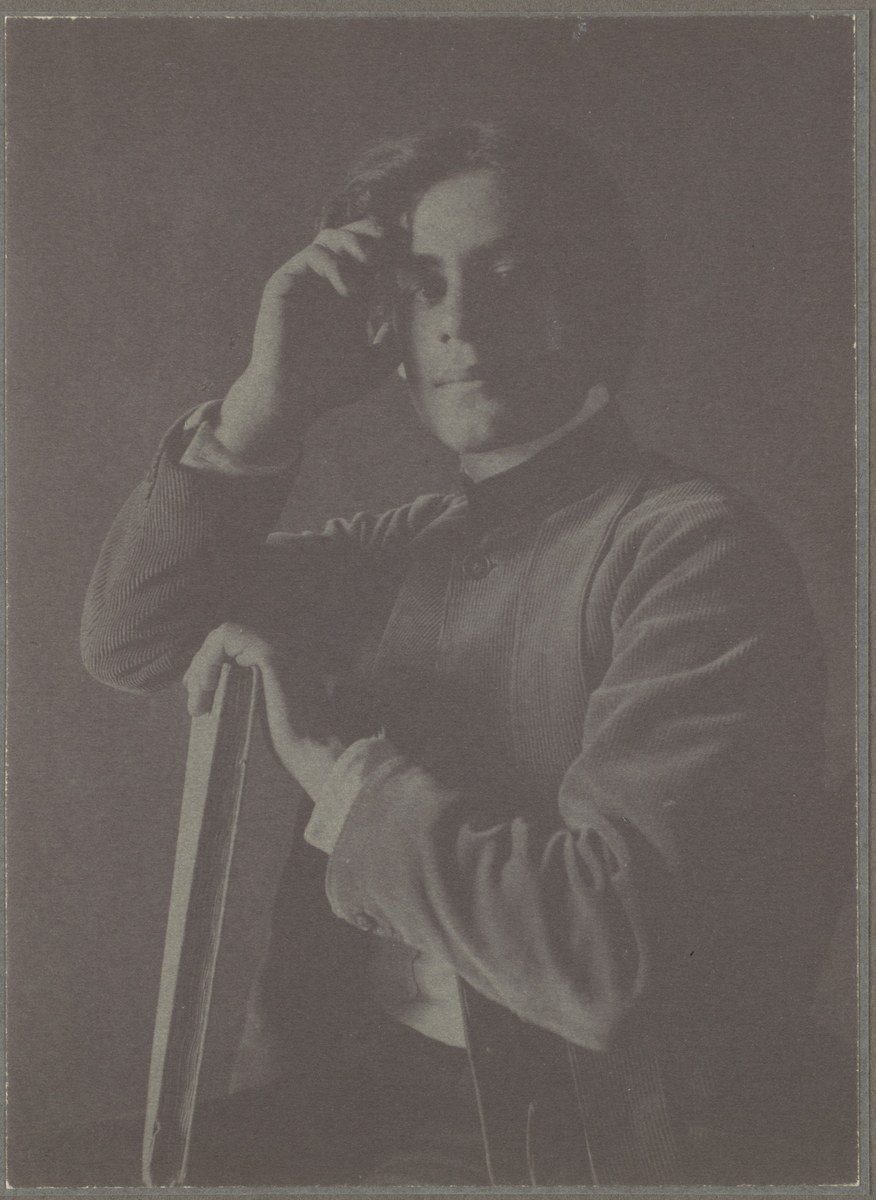
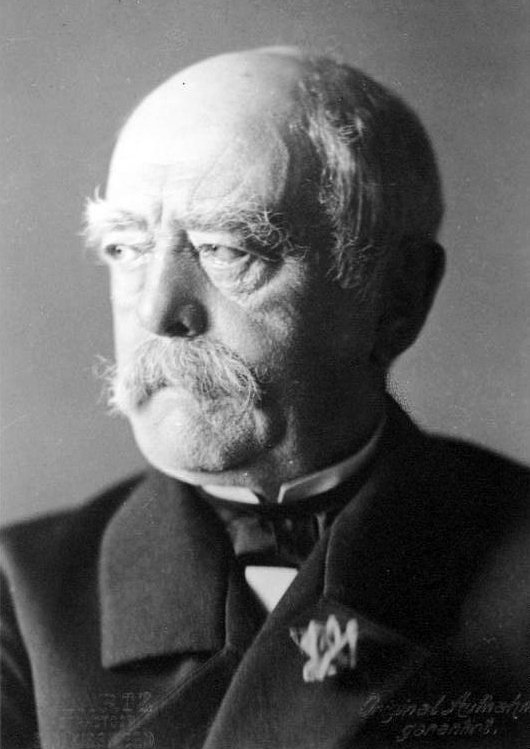
Photo: F. Holland Day, 1896, Metropolitan Museum of Art (33.43.151) · Wikimedia Commons, 'Kahlil Gibran with Book MET DP114605.jpg' -- platinum print photograph 'Kahlil Gibran with Book' by F. Holland Day (American, 1864-1933), dated 1896, Metropolitan Museum of Art, New York (accession 33.43.151, Alfred Stieglitz Collection, 1933; Met object 267551), uploaded to Commons from the Metropolitan Museum's image set with a CC0 tag. Original 2847 x 3898 pixels (SHA-1 84b8eee2... verified against the downloaded file); downscaled once to 876 x 1200 pixels, never upscaled. The sitter is a boy of about thirteen; the identification rests on the Metropolitan Museum's title. Rights basis: the named photographer died in 1933, so the photograph is out of copyright by term in the United States and the European Union. Caveat: the Metropolitan Museum's own collection record currently does not mark the object as open access and shows no image, and carries no rights statement either way; no conflicting copyright notice was found. · Public domain (photographer F. Holland Day died 1933; CC0 tag on Commons)
작가 · 20세기
칼릴 지브란
1883–1931
주요 업적 분야
아직 성격 매칭에 포함되지 않았습니다 — 기록된 근거가 성격 모델 전체를 다루기에는 충분하지 않습니다. 이 페이지의 다른 모든 내용은 자유롭게 확인하실 수 있습니다.
핵심 특성
주요 업적
1923년 크노프 출판사에서 나온 그의 『예언자』는 첫해 약 1,200부가 팔렸고 뉴욕타임스 서평도 받지 못했지만, 미국시인아카데미에 따르면 이후 1천만 부 넘게 팔렸다.
1920년 설립된 뉴욕 펜 리그의 대표적 회원으로, 쉬운 언어와 자유시 같은 새로운 형식으로 아랍 문학을 진흥했다. 아랍어로 아홉 권, 영어로 여덟 권의 책을 냈다.
700점이 넘는 회화와 소묘도 남겼다. 1904년 보스턴에서 첫 소묘 전시를 열었고 1908년 파리에서 공부했으며, 뉴욕 드로잉 센터는 2023년 그의 소묘전을 열었다.
삶의 장면들
미국시인아카데미에 따르면 그는 1904년 아랍어 신문에 글을 발표하기 시작했고 같은 해 첫 소묘 전시도 열었으며, 이후 평생 아랍어와 영어로 글을 쓰고 그림을 그렸다.
이는 두 언어와 두 예술 분야를 동시에 오가며 작업하는 습관과 부합한다. 분야 횡단성
1920년 결성된 펜 리그의 대표적 회원으로서, 전통적 제약 대신 쉬운 아랍어와 자유시, 상징적 형식을 쓰는 글쓰기에 참여했다.
이는 뜻을 같이하는 작가들과 함께 아랍어 글쓰기의 새로운 형식을 시도하려는 의지와 부합한다. 실험 성향
전환점
1911년 뉴욕으로 옮겨 그곳에서 앨프리드 크노프를 만났고, 이후 그와 함께 『광인』(1918)과 『예언자』(1923)를 출간했다.
이는 그의 대표 영어 작품으로 이어진 출판 관계를 마련한 이주와 부합한다. 창의적 독창성
비슷한 인물
전체적인 프로필이 이 사람과 닮은 사람들이에요.


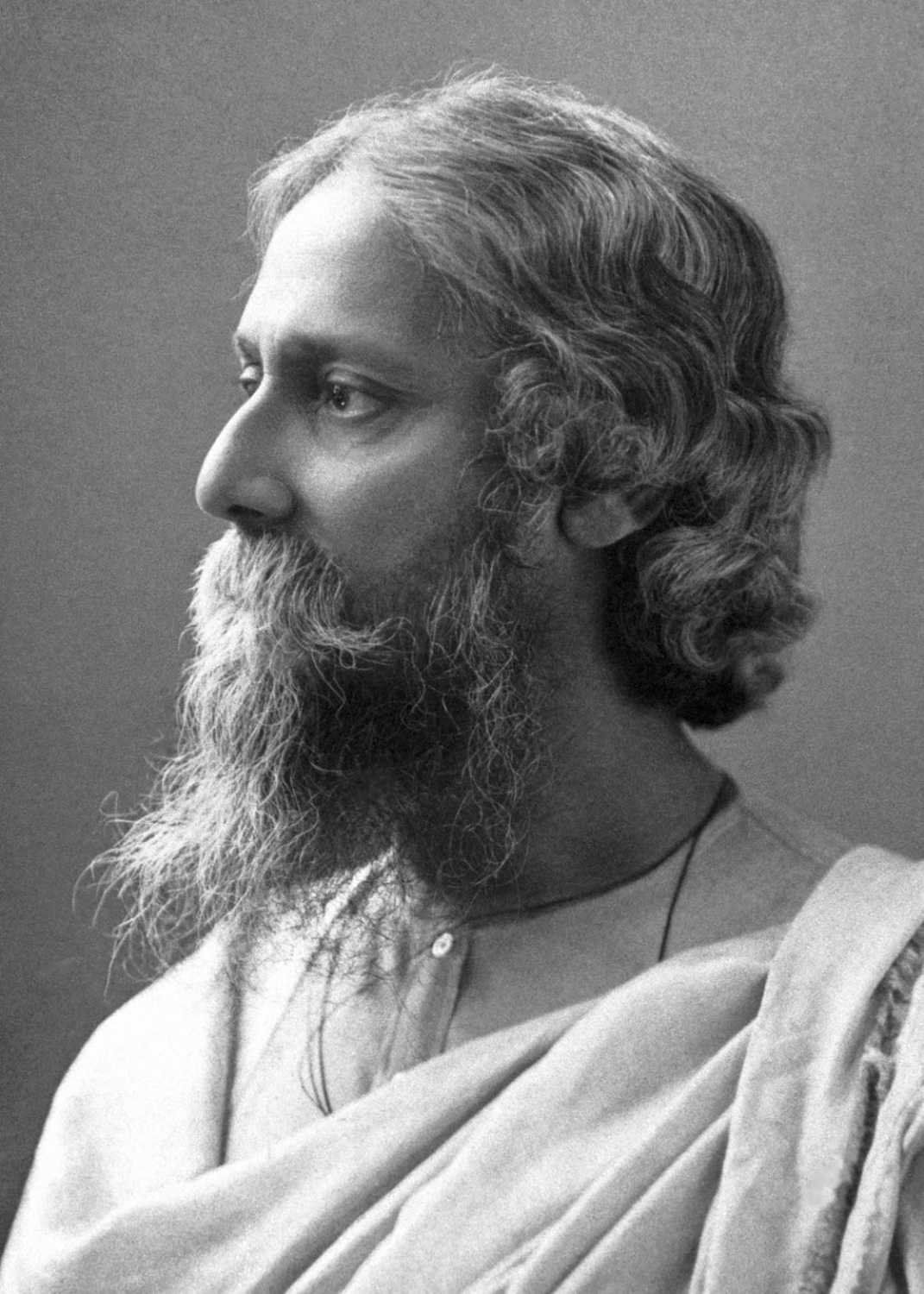
라빈드라나트 타고르

에이다 러브레이스

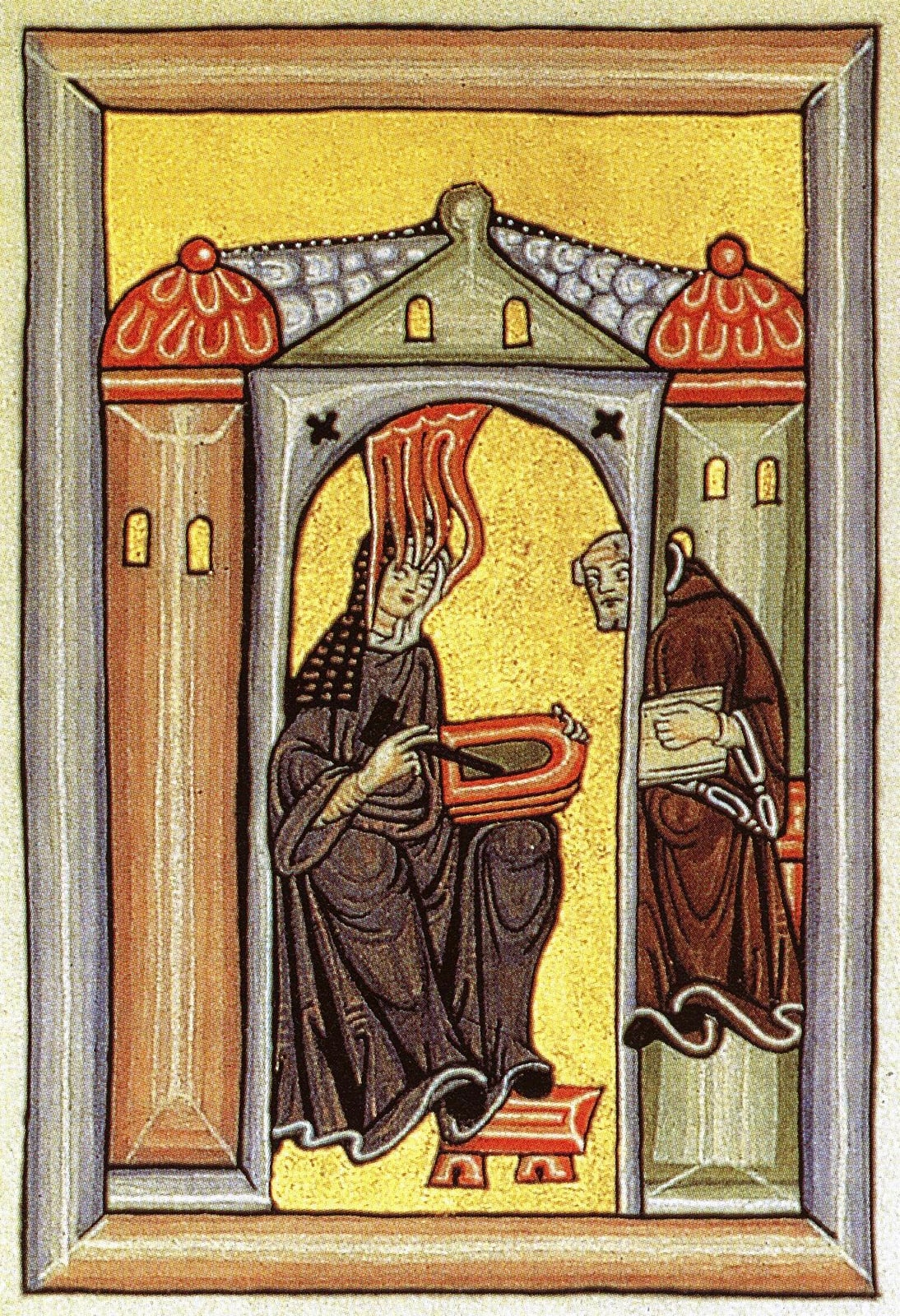
힐데가르트 폰 빙엔

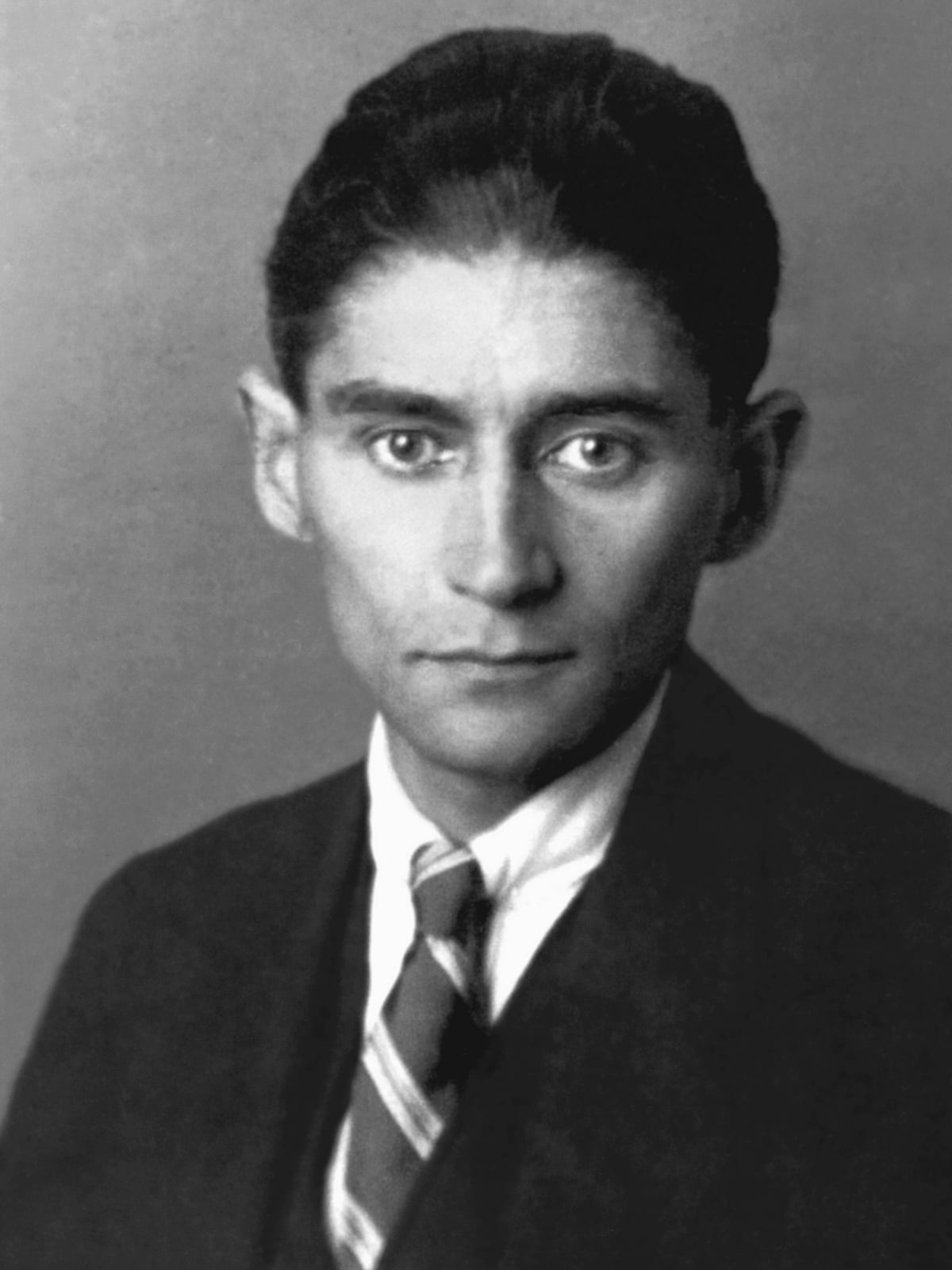
프란츠 카프카

벤저민 프랭클린
출처
- Kahlil Gibran (Q47737) -- verified live via the Wikidata API (2026-10-24): English label 'Kahlil Gibran', description 'Lebanese-American writer, poet, and painter (1883-1931)', Korean label '칼릴 지브란', born 6 January 1883, died 10 April 1931, image 'Kahlil Gibran 1913.jpg'. Orientation only; not used as support for any row.
- Academy of American Poets (poets.org), 'Kahlil Gibran' biography page, read in full: born in Bsharri in Ottoman Syria (now Lebanon); art classes in Boston and a first public exhibit of drawings in 1904 championed by the photographer Fred Holland Day; study at the Academie Julian in Paris in 1908 with Mary Haskell as patron; move to New York in 1911; publisher Alfred Knopf; The Madman (1918) and The Prophet (1923), which was never reviewed by the New York Times and sold about twelve hundred copies in its first year but has sold more than ten million, making him among the best-selling poets in the world; Juan Cole's remark on its appeal in the 1960s; membership of the Arabic-language Pen League; nine books in Arabic and eight in English; Sand and Foam (1926). CANONICAL SIGNIFICANCE SOURCE (with the Mahjar guide). Institutional, admiring, with some detail (the 1885 emigration date and the 'reportedly' Rodin remark) not relied on; family-loss, patron-relationship and health passages were not used.
- Academy of American Poets, 'A Brief Guide to the Mahjar' (poets.org, staff, 30 March 2022), read in full: the Mahjar movement of Syrian and Lebanese writers in the Americas as a facet of Arabic Romanticism (nonconformity, love and spirituality, influence of Whitman); the New York Pen League (al-Rabitah al-Qalamiyyah) began to meet in 1916 and was officially founded in April 1920, with Gibran and Ameen Rihani as members and Nasib Arida a founder of the journal al-Funun in which many members published; the Pen League was the most significant Mahjar circle and New York the publishing centre; the page also notes that Gibran spoke out about the wartime famine in Mount Lebanon (political; not used). Institutional overview of a literary movement.
- Hadia H. Elkhalifa, 'Arab-American Literature: Poets of Al-Mahjar, the Pen League and the Andalusian League', Qatar National Library blog, 28 November 2021, read in full: the diaspora poets combined Arab culture and life in the diaspora and moved against traditional restrictions; the New York Pen League, formed in 1920 with Gibran, Elia Abu Madi, Mikhail Naimy and Abd al-Masih Haddad as prominent members, aimed to promote the Arabic language and its literature and edited and published diaspora periodicals including the literary magazine al-Funun; its output used simple Arabic, new forms such as free poetry and symbolic writing; the society dissolved with Gibran's death. A national-library editorial seen from an Arab institutional perspective, partly summary.
- Gus Mitchell, 'Meet the 3rd bestselling poet in world history', Big Think, 18 October 2023, read in full: The Prophet (Knopf, September 1923) sold its first printing of about twelve hundred copies within a month with little promotion, sales grew year on year, and it is described as the third-bestselling poet's book behind Shakespeare and Lao Tzu; Knopf's remark that he had not met five people who read Gibran; in Arabic he is held to be a crucial modern innovator and a bridge between classical and romantic sensibility, while Western academic and literary opinion treats his concerns and style as anti-modern, overwritten, sentimental (counter-voice); he trained at the Academie Julian in 1908, produced over 700 visual works, saw himself in the poet-artist line of William Blake, and drew on Christian, Islamic and Sufi, Buddhist and Hindu traditions, Blake, Nietzsche, Whitman and the Transcendentalists. Popular-intellectual magazine essay by one writer; its remarks on his drinking and his father were not used.
- D. H. Melhem, 'Gibran's The Prophet Outside the Canon of American Literature', Al Jadid (Arab-American arts and culture magazine), read in full (first ~9,000 characters of 14,000): The Prophet has sold over nine million copies and was in its 136th printing in August 2001, yet Gibran continues to be rejected by mainstream American critics and is absent from the Norton and Heath anthologies, with Grape Leaves (1988) the first major American anthology to feature him; his English books The Madman and Jesus, The Son of Man were better received critically; the writer compares his illustrated, parable-and-prose-poem form to William Blake and finds the book experimental, set against the Eliot-Pound modernist aesthetic. Essay by an Arab-American poet and scholar; sympathetic to Gibran but critical of his exclusion; rest of the article not opened.
- 'A Greater Beauty: The Drawings of Kahlil Gibran', Fine Art Connoisseur (exhibition notice for The Drawing Center, New York, through 3 September 2023), read in full: Gibran, best known as the author of The Prophet, viewed himself equally as an artist, producing paintings, watercolours, sketches, illustrations and book covers as a complement to his writing; the notice says he broke with the rigid conventions of traditional Arabic poetry and prose and that his non-sectarian approach combining Christianity, Islam, Buddhism and Jungian psychology was a revelation to Arabic-speaking and immigrant communities, and that his visual art was an idiosyncratic fusion of symbolist pantheism and spiritual mysticism; exhibition curated by Claire Gilman with Anneka Lenssen; works lent by the Telfair Museum and the Gibran Museum. Exhibition press notice, promotional.
- Wikimedia Commons file page 'Kahlil Gibran with Book MET DP114605.jpg' and the Metropolitan Museum of Art collection record for object 267551 (accession 33.43.151, F. Holland Day, 'Kahlil Gibran with Book', 1896, platinum print, Alfred Stieglitz Collection, 1933) -- checked for the portrait: Commons records artist F. Holland Day (American, 1864-1933), institution the Metropolitan Museum of Art, licence tag CC0 from a Metropolitan Museum upload, original 2847 x 3898 pixels, SHA-1 verified against the downloaded file; the Met's own API record lists the object as not flagged public domain, with no image and no rights statement. Also checked: 'Kahlil Gibran 1913.jpg' (unknown author, published in al-Funun in April 1913, 274 x 379 pixels).