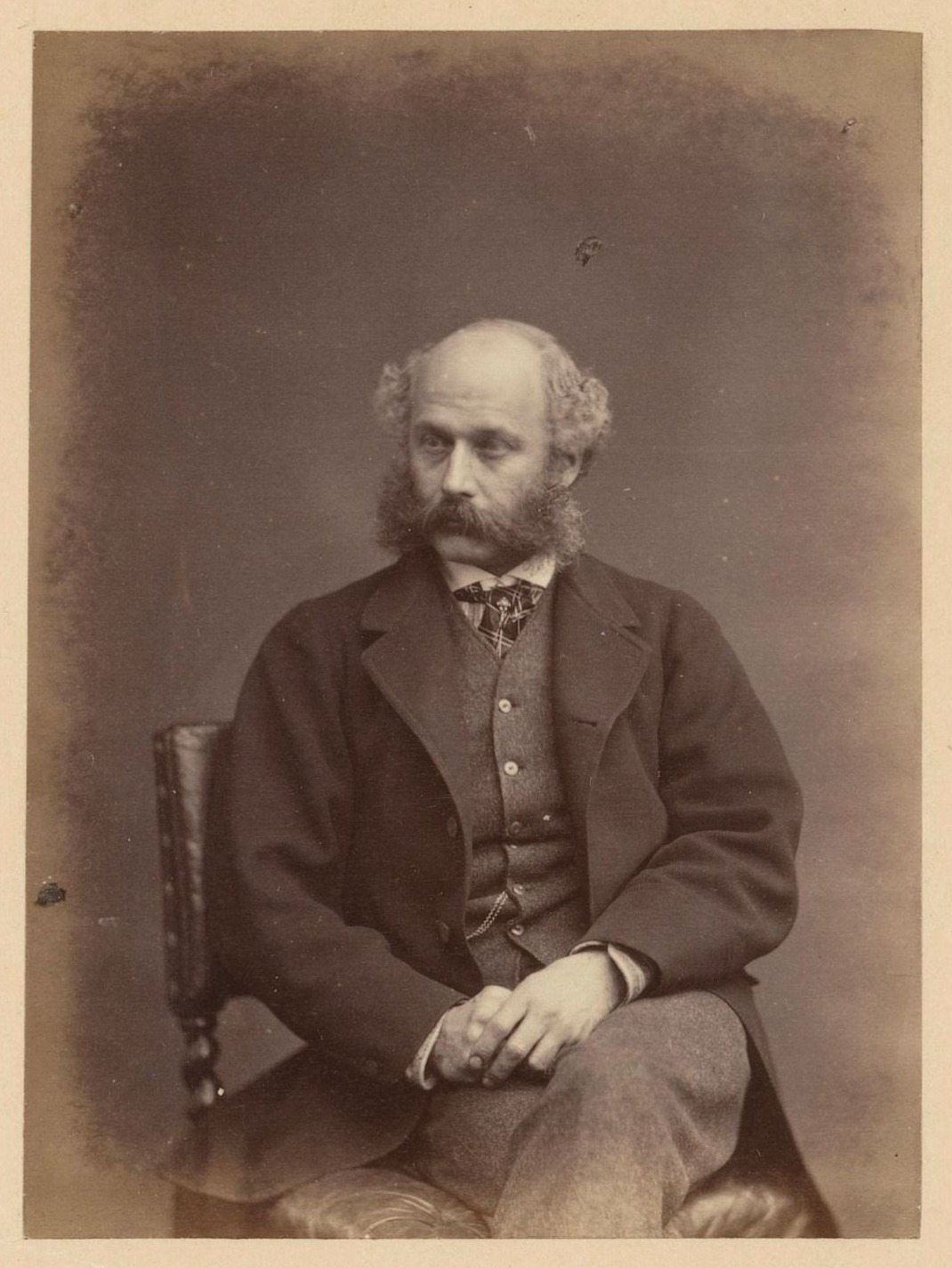

Photo: Ernest Edwards, c. 1864; Rijksmuseum, Amsterdam (RP-F-2001-7-349-80), public domain; cropped from the museum scan · Wikimedia Commons, 'Portret van Joseph Bazalgette, RP-F-2001-7-349-80.jpg' -- Rijksmuseum scan of an albumen print by Ernest Edwards (named on the object), c. 1853 - in or before 1867, a plate from a volume of portraits with a facing biography headed 'Joseph William Bazalgette, Esq., C.E.'. Cropped from the 5822 x 3686 book-spread scan to the print alone (1070 x 1425 pixels, original resolution, not resized). The Rijksmuseum record states Copyright: Public domain. The NPG Lock & Whitfield portrait was not used because the NPG's own rights page could not be opened. · Public domain (Rijksmuseum Public Domain Mark; pre-1867 photograph)
공학자 · 19세기
조지프 배절제트
1819–1891
주요 업적 분야
아직 성격 매칭에 포함되지 않았습니다 — 기록된 근거가 성격 모델 전체를 다루기에는 충분하지 않습니다. 이 페이지의 다른 모든 내용은 자유롭게 확인하실 수 있습니다.
핵심 특성
주요 업적
1858년 '대악취' 이후 그는 런던의 주요 하수 시스템을 설계했습니다. 약 82마일의 차단 하수관이 1,100마일이 넘는 가로 배수관에서 오수를 받아 중력과 양수장으로 동쪽으로 보냈고, 이 시스템은 1865년에 개통되어 1875년에 완공되었습니다.
그는 템스강변에 빅토리아, 앨버트, 첼시 제방을 쌓았습니다. 이 제방은 런던 중심부의 차단 하수관을 품었고, 빅토리아 제방 덕분에 북안 하수관이 스트랜드와 플리트 스트리트 아래로 지나지 않아도 되었다고 빅토리안 웹은 설명합니다.
그는 당시 필요를 훨씬 넘는 규모로, 템스 워터에 따르면 약 400만 명을 기준으로 시스템을 설계했고, 그 덕분에 상당 부분이 지금도 쓰입니다. 역사학자 존 데이비스는 런던 브리지 하류 약 12마일 지점에 둔 방류구가 1884년 왕립위원회 이후 처리 시설이 생길 때까지 문제를 남겼다고 덧붙입니다.
삶의 장면들
런던 박물관은 그가 모든 설계도를 검토하고 배수 도면에 직접 서명했으며 모든 합류 지점의 누수를 점검했고, 튼튼하고 방수성이 좋은 포틀랜드 시멘트를 고집했다고 설명합니다.
공사를 면밀히 확인한 관리자의 모습과 부합하지만, 근거는 박물관 글 하나에 있습니다. 디테일 지향
그는 인구가 가장 조밀하고 오수 배출이 가장 많은 경우를 기준으로 관 크기를 정한 뒤 "예기치 못한 일은 늘 있다"는 이유로 지름을 두 배로 늘렸다고 전해지며, 과학박물관은 그가 좁은 관 대신 넓은 달걀형 터널을 택했다고 설명합니다.
성장과 예측 불가능한 상황에 대비해 여유를 둔 사람의 면모와 부합합니다. 계획 지향
전환점
재정 문제와 자문가들 사이의 갈등으로 하수 계획은 '대악취' 이듬해인 1859년까지 지연되었습니다. 그는 1856년부터 수도건설위원회의 기사장이었고, 이후 1859년부터 1875년까지 망이 건설되었습니다.
지연 속에서도 오랜 사업을 붙들고 있다가 실행에 옮긴 사람의 면모와 부합하지만, 출처는 지연에 대한 그 자신의 대응을 설명하지 않습니다. 끈기
비슷한 인물
전체적인 프로필이 이 사람과 닮은 사람들이에요.


엘리자베스 1세

워런 버핏

마야 안젤루

루스 베이더 긴즈버그

토마스 아퀴나스
출처
- Joseph Bazalgette (Q981915) -- verified live via the Wikidata API (2026-10-22): English label 'Joseph Bazalgette', description 'British civil engineer (1819-1891)', born 28 March 1819, died 15 March 1891, instance of human, citizenship United Kingdom. Orientation only; not used as support for any row.
- Encyclopaedia Britannica, 'Sir Joseph William Bazalgette' -- short reference biography: chief engineer of the Metropolitan Board of Works, designer of London's main drainage system (83 miles of intercepting sewers, opened 1865, completed 1875), the Victoria, Albert and Chelsea embankments, Northumberland Avenue and the Putney and Battersea bridges; notes financial problems and consultant conflicts that delayed the work until 1859. CANONICAL SIGNIFICANCE SOURCE. Read in full.
- Alwyn Collinson, 'How Bazalgette built London's first super-sewer', London Museum -- museum article on the 1858 Great Stink, the scale of the network (about 1,100 miles of drains, 82 miles of sewers, 318 million bricks), his insistence on Portland cement, oversized tunnels, hands-on plan review, and the 1878 Princess Alice disaster beside the outfalls. Read in full via a web-fetch summary (the fetch tool summarises rather than reproduces).
- Institution of Civil Engineers, 'Sir Joseph Bazalgette: Pioneer of Modern Sewage Systems' (profile dated 19 August 2025) -- professional-body profile: appointments from 1849, engineer to the Metropolitan Board of Works from 1856 until 1889, the sewer, pumping-station and embankment works, the 1888 report that led to the purchase of toll bridges, new streets, and his 1884 ICE presidency. A health episode and family details in the profile were not used. Read in full.
- Thames Water, 'History of London's sewer system' -- utility's account of the 1859-1875 network, the intentional oversizing for about four million people, the gravity-and-pumping design, later extensions and the modern Tideway tunnel. A retrospective corporate account by the operator of the surviving system. Read in full.
- Jacqueline Banerjee, 'Sir Joseph Bazalgette (1819-1891)', The Victorian Web (last modified 2011) -- scholarly web biography quoting the 1861 Observer and Roger Ellis's Who's Who in Victorian Britain; covers the 1856 appointment, the Embankment housing the sewers and the thoroughfares he designed. Family details not used. Read in full.
- Grace's Guide to British Industrial History, 'Joseph William Bazalgette' -- biography compiled largely from The Engineer of 15 February 1889 (the page's 1891 obituary section is empty): his sizing of the sewers with a doubled diameter against 'the unforeseen', the pumping stations, and the editor's criticisms of untreated discharge and of the cost of the embankment. Read in full via a web-fetch summary; the page's own commentary is unattributed and not used for scoring.
- John Davis (Emeritus Fellow in History, The Queen's College, Oxford), 'Why Thames Water is top of Sue Gray's risk register', History & Policy -- historian's policy paper that calls Bazalgette's work heroic but argues his outfall siting (about twelve miles below London Bridge, chosen for speed and cost) and the rejection of separate rainwater drainage left lasting problems, citing the 1884 Royal Commission on Metropolitan Sewage Discharge. Independent and critical. Read in full via a web-fetch summary.
- Science Museum Group Collection, 'Joseph William Bazalgette (1819-1891)' -- museum biography: chief engineer of the Metropolitan Board of Works, his choice of wide egg-shaped brick tunnels over the narrow pipes favoured by Edwin Chadwick, and the limit that the system still discharged raw sewage near where the Princess Alice sank in 1878. Read in full via a web-fetch summary.
- Rijksmuseum, object record RP-F-2001-7-349-80 'Portret van Joseph Bazalgette' by Ernest Edwards (named on the object), albumen print, c. 1853 - in or before 1867, a page from a volume of portraits with a facing biographical text -- collection record whose own Copyright field reads 'Public domain'. Used only for portrait provenance, not as trait evidence. Read.