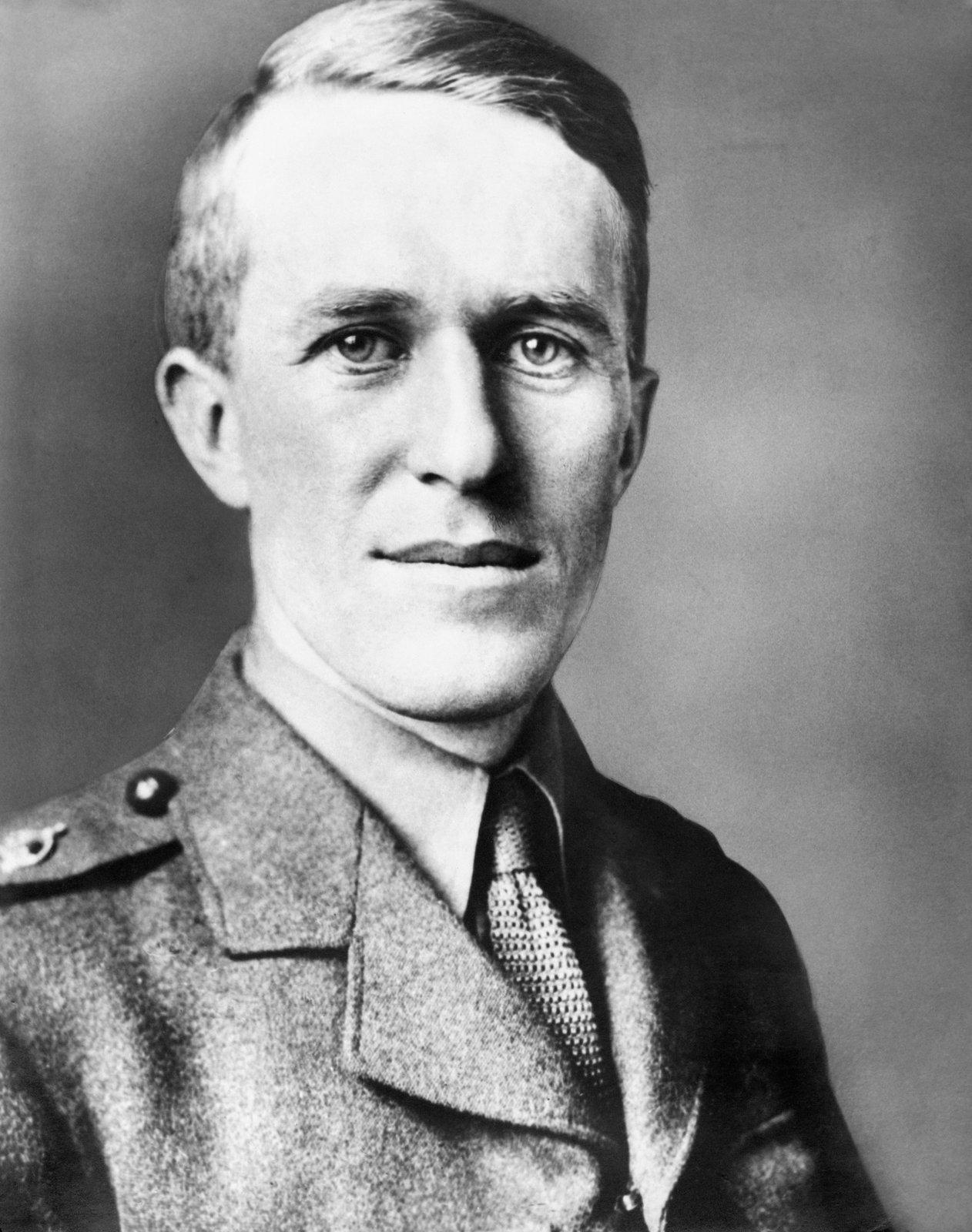
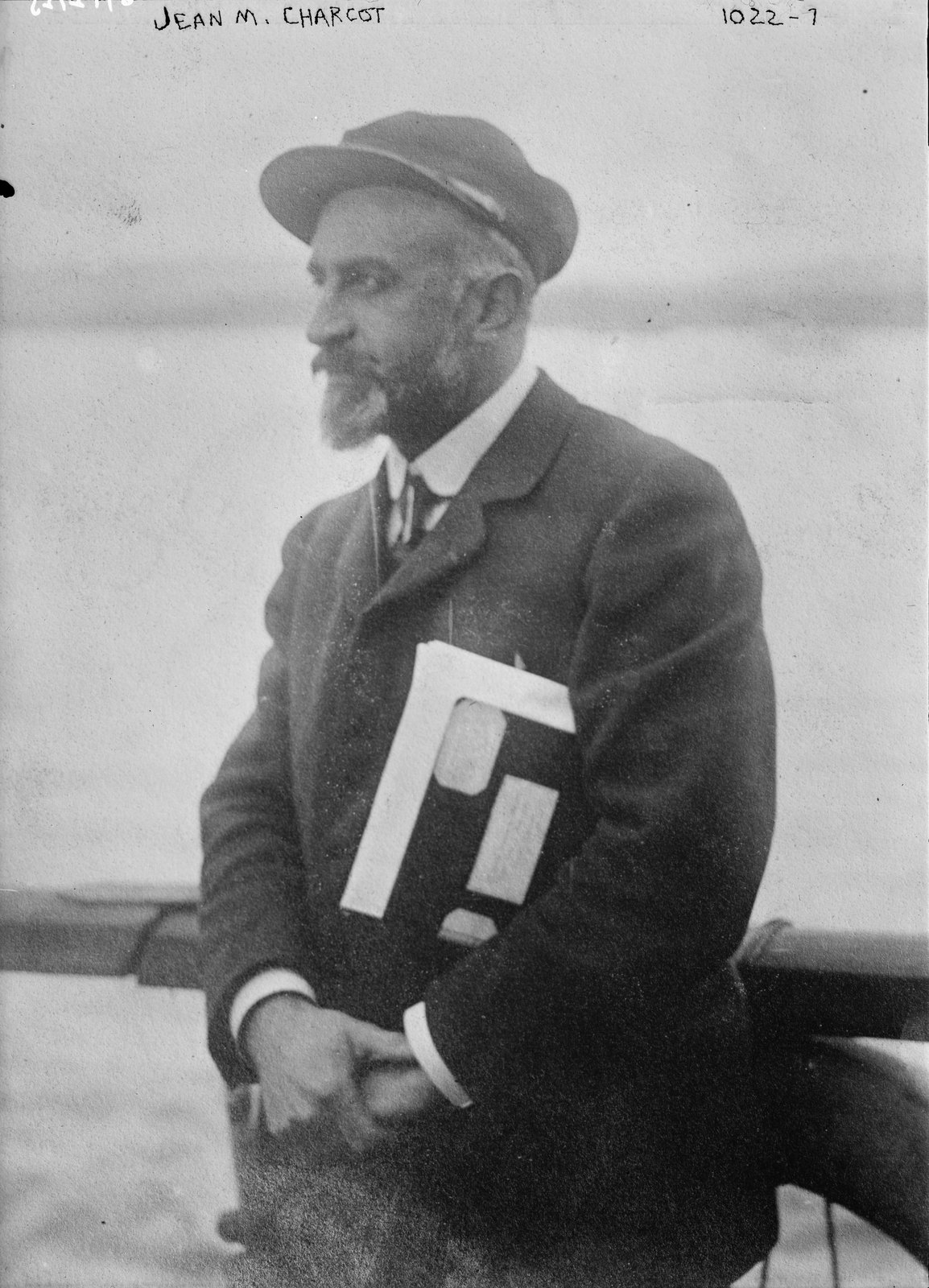

Bain News Service photograph of Jean-Baptiste Charcot, 12 June 1925, Library of Congress, George Grantham Bain Collection; resized from the original scan, not altered otherwise · Library of Congress, Prints and Photographs Division, George Grantham Bain Collection (Bain News Service, 12 June 1925), digital ID ggbain.04801, via Wikimedia Commons; the Bain caption reads 'Jean M. Charcot' · Public domain (Bain News Service photograph, 1925; the Library of Congress reports no known copyright restrictions on its Bain collection)
탐험가 · 20세기
장바티스트 샤르코
1867–1936
주요 업적 분야
아직 성격 매칭에 포함되지 않았습니다 — 기록된 근거가 성격 모델 전체를 다루기에는 충분하지 않습니다. 이 페이지의 다른 모든 내용은 자유롭게 확인하실 수 있습니다.
핵심 특성
주요 업적
샤르코는 1903~1905년 프랑스 남극 탐험대를 이끌고, 생말로에서 이 탐험을 위해 지은 돛대 셋짜리 배 프랑세호로 항해했다. 린다 홀 도서관은 이를 프랑스 최초의 남극 탐험이라고 소개한다. 탐험대는 완델섬에서 월동하며 남극 반도 서쪽의 미지의 해안과 섬 약 1,000킬로미터를 측량했고, 파리 국립자연사박물관에 보낼 표본·기록·관측 자료 75상자를 가져왔다. 프랑스 해군 잡지에 따르면 그는 모든 분야를 아우르는 전문가 열 명을 태웠다.
샤르코는 푸르쿠아파호(1908~1910)를 타고 페테르만섬에서 월동한 뒤 반도를 따라 남서쪽으로 나아가며 약 2,000킬로미터의 해안을 측량했다. 그는 마그리트만에 이름을 붙였고, 남위 70도 부근에서 새 땅을 발견해 아버지의 이름을 따 샤르코 랜드라 불렀다(지금은 섬으로 알려져 있다). 1910년 1월에는 1821년 벨링스하우젠 이후 아무도 보지 못한 표트르 1세 섬을 시야에 넣었다. 성과는 여러 권의 학술 보고서로 간행되었다. 1912년 로알 아문센은 샤르코가 '미지의 대륙의 넓은 부분'을 열었고 과학적 성과가 대단히 풍부했다고 썼다.
제1차 세계대전이 끝난 뒤 샤르코는 푸르쿠아파호를 북쪽 바다를 위한 연구선으로 삼았다. 페리에 장군은 1920~1936년에 매년 이어진 북극 항해를 17차례로 꼽으며, 1924년 이후에는 대개 그린란드 동부로 갔다고 말한다. 덴마크 지질조사소의 탐험사는 스코르스비순 일대를 일곱 차례 방문했다고 기록한다. 1931~33년에는 제2차 국제 극지의 해를 위한 프랑스 관측소를 스코르스비순에 세우는 일을 도왔고 나중에 관측대를 데려왔다. 항해마다 샤르코가 보고서를 썼고, 함께 탄 과학자들의 연구도 따로 발표되었다.
삶의 장면들
1909년 말 디셉션섬에서 잠수부가 샤르코에게 푸르쿠아파호의 선수와 용골 일부가 떨어져 나갔으며 가벼운 충격에도 침몰할 수 있다고 알렸다. 그의 일지를 바탕으로 한 마르트 울리에의 서술에 따르면, 그는 잠수부와 고래잡이 회사 책임자에게 비밀을 지켜 달라고 부탁하고 여름 탐사를 계속하기로 했다. 배는 남쪽으로 가 새 땅을 발견했고 1910년 1월 22일 북쪽으로 뱃머리를 돌렸다. 당시 장교와 선원에게 얼마나 알렸는지는 자료마다 다르다.
심하게 손상된 배임을 알면서도 국가적 목표라 여긴 일을 위해 항해를 계속한 것은 신체적 위험을 크게 감수하는 성향과 부합한다. 같은 자료들이 탐험 초반의 아찔한 위기도 기록하고 있어, 이런 태도는 양면적이었다. 위험 감수
1921년 6월 29일 푸르쿠아파호는 대서양의 외딴 바위섬 록올에 닿았다. 알프레드 라크루아에 따르면 이 섬에 사람이 오른 것은 1840년과 1863년 두 번뿐이었다. 샤르코는 직접 보트를 몰고 대기하며 도울 태세를 갖추었고, 선원 두 명이 해초로 덮인 바위에 뛰어올라 한 시간 동안 표본을 깼다. 7월 1일에는 두 번째 조가 상륙했다. 라크루아가 샤르코에게 구해 달라고 부탁했던 이 표본을 분석한 결과, 이 바위는 예전에 이 섬의 이름을 따 붙인 암석이 아니라 주로 화강암으로 이루어졌음이 드러났다.
앞선 시도들이 실패한 위험하고 화려하지 않은 대상을 골라 직접 보트 작업을 지휘한 것은 과학적 물음에 대한 호기심과 부합한다. 다만 이 서술은 항해를 권했던 친구 라크루아의 것이어서 우호적이다. 호기심
전환점
1903년 4월 생말로에서 북극 항해용 배가 건조되던 중, 샤르코는 동행자 폴 플레노에게 편지를 보내 대신 남쪽으로 가겠다고 했다. 북쪽에서 성과를 내려면 훨씬 더 깊이 들어가야 하지만 남쪽은 탐사가 거의 이루어지지 않았다는 이유였다. 린다 홀 도서관과 프랑스 해군 잡지는 이 변경을 오토 노르덴셸드의 스웨덴 탐험대가 소식이 끊겼다는 소식과 연결 짓는데, 노르덴셸드는 그해 말 구조되었다. 비용은 신문 모금과 국가 보조금으로 충당했고, 프랑세호는 1903년 8월 출항했다.
거의 완성된 배와 계획을 스스로 판단해 다른 방향으로 돌리고 대중 모금으로 비용을 마련한 일은 주도적 행동성과 부합한다. 선제적 행동력
비슷한 인물
전체적인 프로필이 이 사람과 닮은 사람들이에요.
출처
- Jean-Baptiste Charcot (Q463531) -- verified live via the Wikidata API (2026-10-08): English label 'Jean-Baptiste Charcot', English description 'French scientist (1867-1936)', French description 'medecin, explorateur polaire et sportif francais', born 15 July 1867, died 16 September 1936, citizenship France, instance of human; this is the polar explorer, not his father the neurologist Jean-Martin Charcot. Orientation only; not used as support for any row.
- Marthe Oulie, 'Charcot of the Antarctic' (John Murray, London, 1938; preface by Admiral Sir William Goodenough), Internet Archive scan of the English edition -- FRIENDLY, quotation-heavy biography by a woman of Charcot's circle, built largely on his own letters, journals and books and openly admiring (it ends in tribute); used for dated episodes with his own words. Read the chapters on the 1903 departure and the switch from north to south, the first Antarctic summer, wintering and return (chapters VIII-XII), the second expedition's fitting-out, the Deception Island decision and Charcot Land (about chapters XIII-XVI), the 1925 diversion toward Greenland, the Polar Year subsidy and the closing 'Charcot the man' pages; the childhood and father chapters and the wartime chapters were skimmed only.
- Jean Charcot, 'The Voyage of the Why Not? in the Antarctic: the Journal of the Second French South Polar Expedition, 1908-1910' (Hodder and Stoughton, London and New York, 1911; English version by Philip Walsh), Internet Archive full text -- FIRSTHAND journal of the second expedition, never used alone for a row. Read by searching the full text and reading around the passages on the introduction (relations with other explorers), Deception Island and the whalers, the 4 January 1909 boat trip to Cape Tuxen, the grounding on the rock, and the preserved-food illness; the rest of the 300-page journal was not read.
- J.-B. Charcot, 'Rapport preliminaire sur la campagne du Pourquoi-Pas? en 1927' (Annales hydrographiques, Imprimerie nationale, Paris, 1928), Internet Archive scan -- FIRSTHAND official cruise report. Read only the opening pages (organisation of the cruise, who commanded the ship, the named scientific staff, the Navy's instructions); the technical sections on soundings and dredging were not read.
- Roald Amundsen, 'The South Pole: an account of the Norwegian Antarctic Expedition in the Fram, 1910-1912' (John Murray, London, 1912), Internet Archive full text of the English edition -- RIVAL polar explorer's contemporary assessment, in the book's short 'History of the South Pole' chapter. Read the paragraph on Charcot's two expeditions and the surrounding paragraphs on the other early-1900s expeditions.
- Academie des sciences, 'Ceremonie commemorative en hommage a Jean-Baptiste Charcot', Sorbonne, 2 October 1937 (Notices et discours, vol. II), speeches by Charles Maurain, General G. Perrier and Alfred Lacroix, PDF from academie-sciences.fr -- COLLEAGUE eulogies by Academy members, some of whom sailed with him or served beside him; commemorative and admiring in tone, but dated, specific and by several different speakers. Read in full (the speech by Louis Gain on the Antarctic voyages is not in the PDF).
- A. K. Higgins, 'Exploration history of northern East Greenland' (Geological Survey of Denmark and Greenland, GEUS Bulletin 21, 2010), section on the 1925-36 voyages of the Pourquoi-Pas? -- INDEPENDENT scholarly regional history by a Danish-Greenland survey geologist, neutral in tone. Read the Charcot entry (voyages to the Scoresby Sund region, the 1931-33 French Polar Year station, the guests carried, the loss of the ship) and searched the rest of the volume for his name; the remaining expedition summaries were not read.
- Antarctic Guide (antarcticguide.com), 'Jean-Baptiste-Etienne-Auguste Charcot: French Antarctic Expeditions (1908-10)', Heroic Age history page -- modern popular compilation (no named author), neutral and sourced in the way of a general history; read in full. It names the 4 January 1909 boat trip as a mistake that could have cost lives and records Amundsen's praise.
- Cool Antarctica, 'Jean-Baptiste Charcot - Second French Antarctic Expedition 1908-1910 - Pourquoi-Pas?' (coolantarctica.com), long narrative history page -- modern popular compilation that follows Charcot's journal closely and adds its own judgements (for example calling a decision 'uncharacteristic recklessness'); not independent of the journal on the facts. Read in full.
- William B. Ashworth Jr., 'Jean-Baptiste Charcot', Scientist of the Day, Linda Hall Library (Kansas City), 15 July 2024 -- INDEPENDENT library history note by a historian of science, built on the Library's own sets of the two expeditions' published volumes; read in full.
- 'L'epopee du Francais et du Pourquoi Pas? Jean-Baptiste Charcot, le Polar Gentleman', Cols Bleus magazine, French Ministry of the Armed Forces (defense.gouv.fr), history section -- institutional popular history from the French Navy's own magazine, admiring in tone but specific; read in full.
- Helio A. G. Teive, Francisco M. B. Germiniani and Renato P. Munhoz, 'Jean-Baptiste Charcot, the French Antarctic expedition and scurvy', Arquivos de Neuro-Psiquiatria 72(7), July 2014 (SciELO) -- scholarly historical note by neurologists, a close re-reading of Charcot's own journal; read in full. Used only for how he reported and handled the winter 1909 illness; never as support for any trait from the illness itself.
- 'Searching for Amundsen: Louise Arner Boyd aboard the Hobby', Sea History 177 (National Maritime Historical Society), PDF -- popular maritime-history article on a different ship's private search; read for its account of the French, Soviet and Norwegian ships gathered at Kings Bay in July 1928, including the Pourquoi-Pas? under Charcot. Read the relevant page only.
- Scott Polar Research Institute (Cambridge), Picture Library catalogue entry 'Cambridge East Greenland Expedition, 1933' -- institutional description of the three-man Cambridge party carried to Scoresby Sound in the Pourquoi-Pas? as Charcot's guests; read the introductory description.
- 'Jean-Baptiste CHARCOT (1867-1936)', medarus.org (Medecins et Explorateurs, French medical-history site) -- French biographical summary by a history-of-medicine site; read in full. Used for the chronology of the Arctic cruises and for his work on dredging methods.