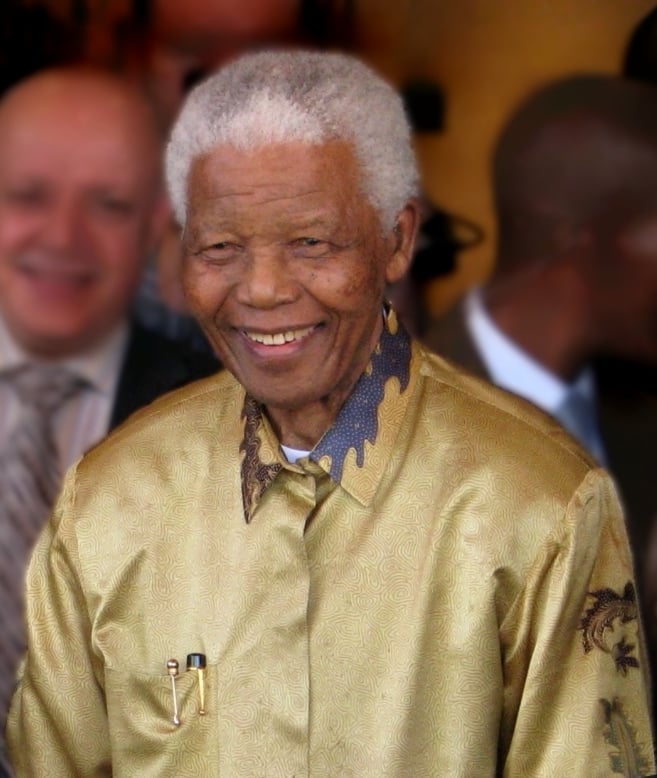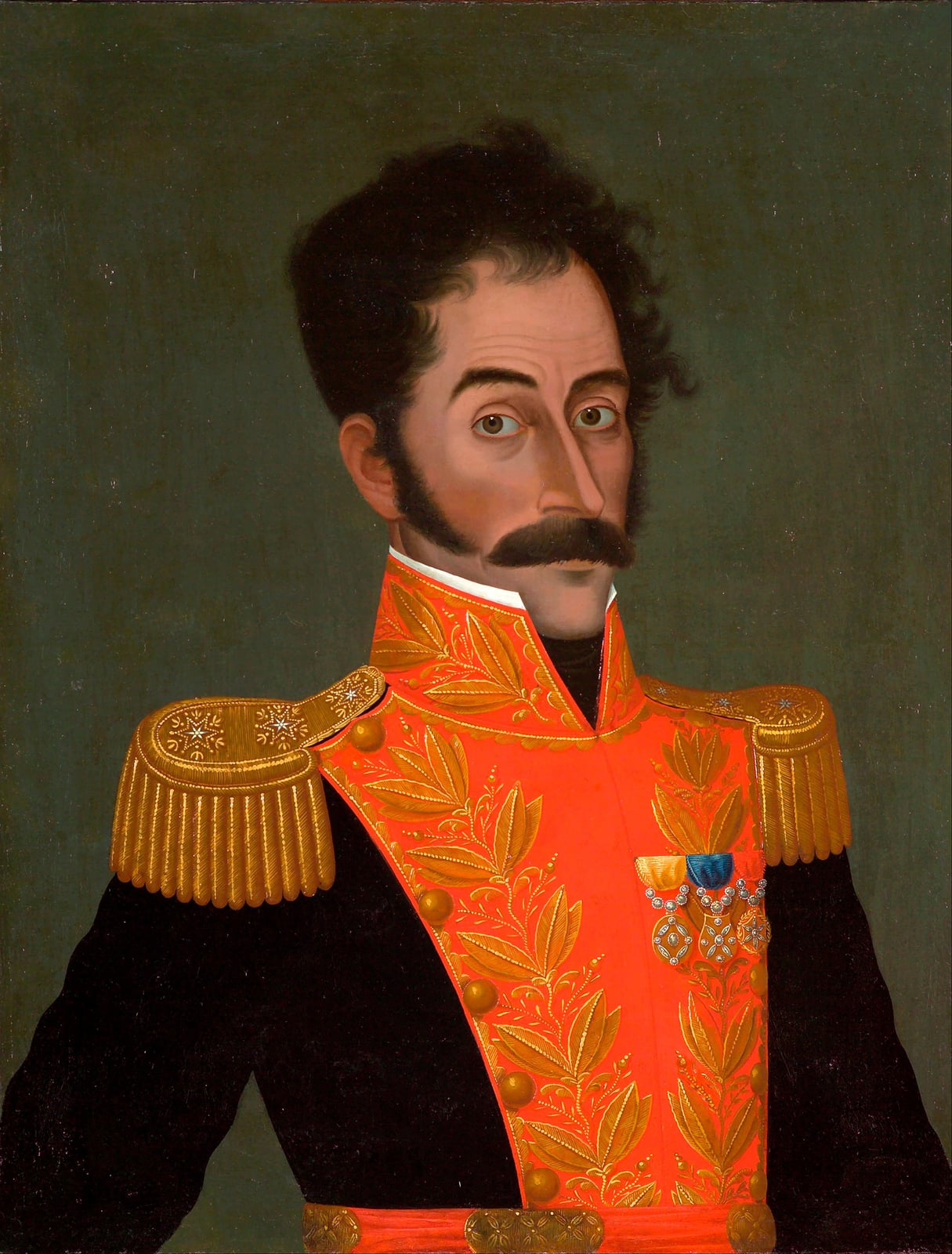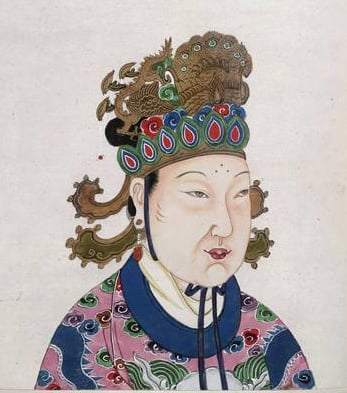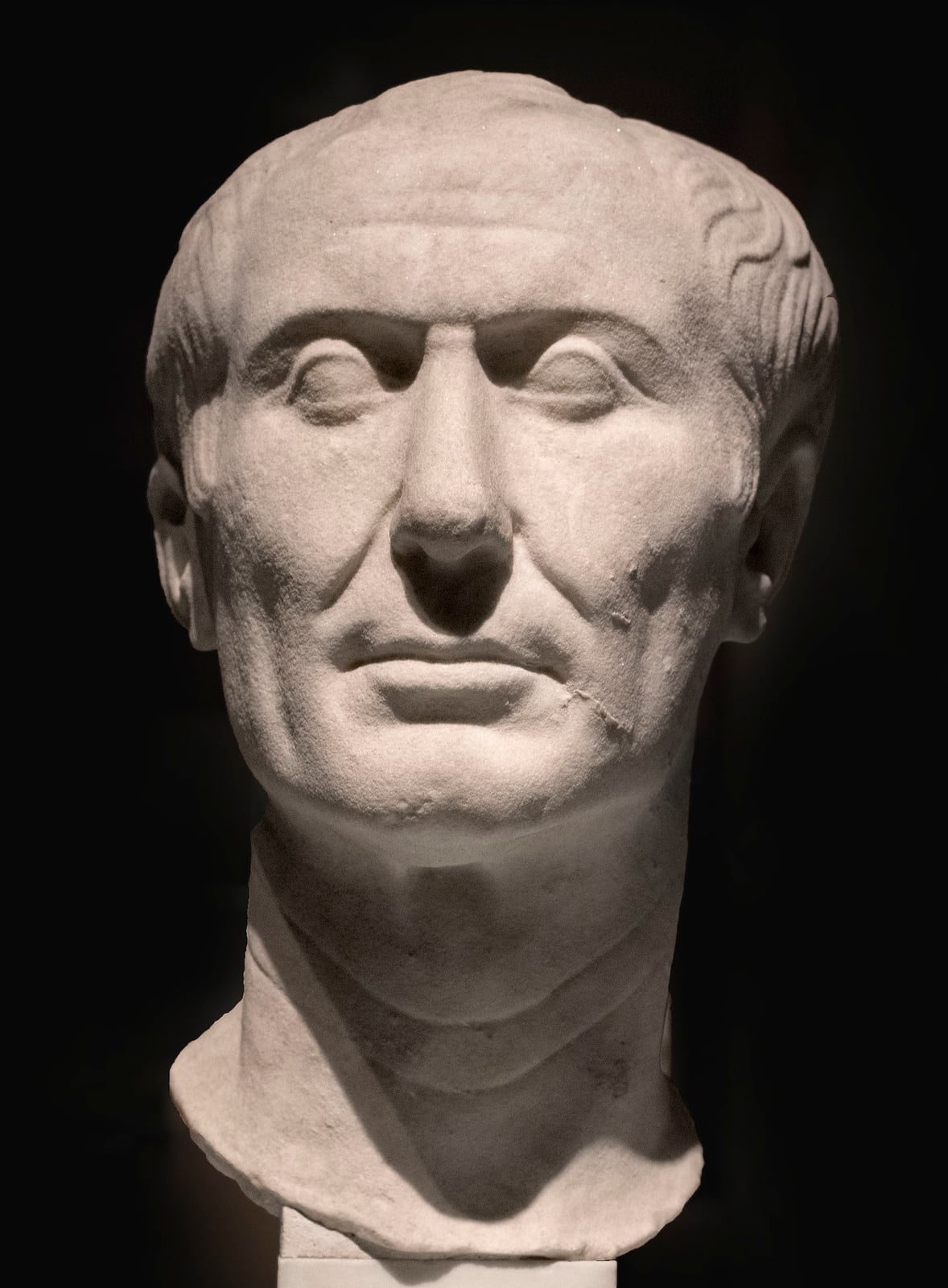
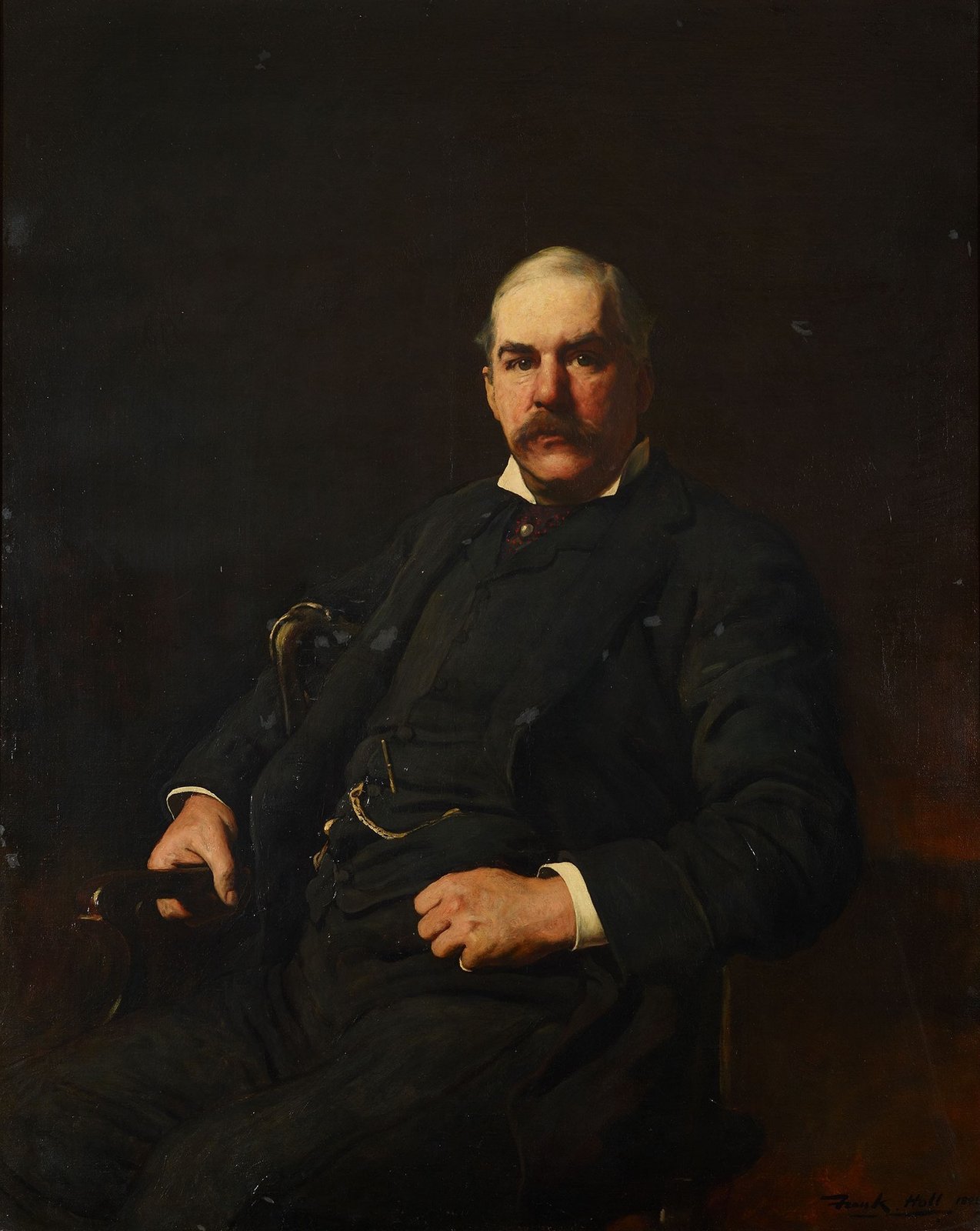

Frank Holl (1845-1888), Portrait of Pierpont Morgan, 1888, oil on canvas, The Morgan Library & Museum, via Wikimedia Commons; public domain; downscaled · The Morgan Library & Museum, New York (Frank Holl, 'Portrait of Pierpont Morgan', oil on canvas, 1888, commissioned by Morgan), via Wikimedia Commons · Public domain (author d. 1888)
핵심 특성
주요 업적
1895년 2월 J. P. 모건 상회와 오거스트 벨몬트 상회는 4퍼센트 채권을 대가로 미국 재무부에 금 350만 온스를 넘기기로 계약했으며, 그중 최소 절반은 유럽에서 조달하기로 했다. 그로버 클리블랜드 대통령은 1904년에 쓴 기록에서, 이 계약이 두 회사에 금 인출을 막기 위해 금융상의 영향력을 행사할 의무도 지웠고 계약이 이행되는 동안 수출을 위해 재무부를 떠난 금은 없었다고 말한다.
1901년 3월 2일 J. P. 모건 상회는 유나이티드 스테이츠 스틸 사의 설립을 알리는 회람문을 냈고, 여기에는 조직과 경영의 전체 계획을 이 회사가 정한다는 내용이 담겨 있었다. 아이다 타벨은 엘버트 게리의 회고를 바탕으로, 모건이 스물네 명으로 이루어진 첫 이사회를 직접 골랐고 게리를 집행위원회 의장으로 뽑았다고 쓴다.
1907년 10월 공황 때 모건은 뉴욕 증권거래소의 붕괴를 막기 위해 주요 은행과 금융인들이 출자한 2,500만 달러 규모의 자금 풀을 만들었고, 이튿날에도 비슷한 풀이 조성되었다고 O. M. W. 스프라그는 1910년 국가통화위원회 보고서에서 적었다.
삶의 장면들
1912년 12월 19일 푸조 위원회에서 새뮤얼 언터마이어 위원회 자문위원의 질문을 받은 모건은 신용이 무엇보다 돈이나 재산에 기초한다는 주장을 부인하며 이렇게 답했다. "가장 먼저 필요한 것은 인격입니다... 돈이나 다른 무엇보다 앞섭니다. 돈으로는 그것을 살 수 없습니다." 그는 "내가 믿지 않는 사람은 세상의 모든 채권을 담보로 내놓아도 내게서 돈을 빌릴 수 없다"고 덧붙였고, 증권거래소에서 돈을 빌려 간 사람이 마음에 들지 않으면 자신이 "즉시 직접" 대출을 회수했다고 말했다.
의결권 신탁, 지배, 대출을 둘러싼 이틀간의 적대적 신문에서도 신용에 대한 이 설명을 굽히지 않았다는 점은 이 프로필의 갈등 감내 점수와 부합한다. 다만 속기록은 그의 답변을 기록할 뿐, 그 답변이 어떻게 받아들여졌는지는 알려 주지 않는다. 갈등 감내
1907년 10월 21일 니커보커 신탁회사를 도와 달라는 요청을 받은 모건은 벤저민 스트롱에게 회사 장부를 조사하게 했으나, 스트롱은 주어진 시간 안에 지급 능력을 확인하지 못했고 모건은 지원을 거절했다(모엔과 탤먼). 칼 호비의 1911년 전기는 그가 니커보커의 새 사장에게 "어딘가에서는 멈춰야 합니다"라고 말했다고 전한다. 니커보커가 10월 22일 영업을 중단하고 예금 인출 사태가 트러스트 컴퍼니 오브 아메리카로 번지자, 모엔과 탤먼에 따르면 모건은 "마음을 바꿔" 자금을 풀었다.
인출 사태가 번진 뒤 방침을 바꾼 것은 이 프로필의 신념 갱신 점수와 부합하지만, 무엇이 그의 마음을 바꾸었는지는 자료에 나와 있지 않으며 거절 시점은 연준 글과 호비의 전기가 조금 다르게 전한다. 입장 수정 성향
전환점
아이다 타벨은 엘버트 게리의 회고를 바탕으로, 1900년 내내 모건이 앤드루 카네기의 제철회사를 사자는 게리의 권유를 물리쳤다고 쓴다("그건 생각도 하지 않겠소... 그 돈을 마련할 수 있을 것 같지 않소"). 1900년 12월 찰스 슈워브가 연설한 만찬이 끝난 뒤 모건은 슈워브와 이야기를 나누었고, 며칠 뒤 카네기 소유 자산에 대한 매수 선택권을 얻을 수 있는지 물었다. 카네기는 문서로 된 선택권은 거절했지만 연필로 적은 가격을 보내 왔다. 만찬 약 3주 뒤 모건은 동업자 로버트 베이컨을 보내 카네기를 사들이는 일이 현실적인지 게리에게 물었다.
슈워브의 연설 뒤 며칠 만에 거듭된 거절에서 구체적인 문의로 옮겨 간 것은 이 프로필의 결단력 점수와 부합한다. 모건이 왜 마음을 바꾸었는지는 그가 밝힌 이유가 아니라 타벨의 해석이다. 결단력
비슷한 인물
전체적인 프로필이 이 사람과 닮은 사람들이에요.
출처
- J. P. Morgan -- English Wikipedia, introduction fetched via the MediaWiki API; orientation only (identity, dates, occupation). Not used as support for any scored row.
- J. P. Morgan (Q54168) -- identity verified live via the Wikidata API (wbgetentities): label 'J. P. Morgan', description 'American financier, banker, and art collector (1837-1913)', born 1837-04-17, died 1913-03-31, citizenship United States, kowiki sitelink 'J. P. 모건'. Orientation only.
- J. P. 모건 -- Korean Wikipedia introduction fetched via the MediaWiki API; used only to confirm the conventional Korean rendering of the name (article title 'J. P. 모건'). Orientation only.
- Grover Cleveland, 'Presidential Problems' (New York: Century, 1904), chapter 'The Bond Issues' (Project Gutenberg text, archive.org copy) -- the President's own account, written nine years later and openly defending his administration, of the 7 February 1895 White House interview with Morgan and the gold-purchase contract (Section 3700 proposal, $100,000,000 urged vs. $60,000,000 fixed, 3,500,000 ounces, half from Europe, duty to protect the reserve, the ten-day window for three per cent bonds), plus the January-February 1896 public sale. FIRSTHAND non-self (Morgan's counterparty); a recollection, not a contemporaneous record. Read in full for this chapter.
- U.S. House Subcommittee on Banking and Currency, 'Money Trust Investigation' (Pujo Committee), Part 15, testimony of J. Pierpont Morgan, 19 December 1912 (GPO 1913, FRASER PDF text) -- primary transcript. Morgan's own answers are SELF testimony (one self perspective); counsel Samuel Untermyer's questions are the adversarial frame. Read: the voting-trust and fiscal-agent exchanges (pp. 1017-1020), the control and competition exchange (pp. 1050-1051) and the credit-and-character exchange (pp. 1083-1085); the remaining pages were skimmed by keyword.
- U.S. House Subcommittee on Banking and Currency, 'Money Trust Investigation', Part 14, first day of Morgan's testimony, 18 December 1912 (GPO 1913, FRASER PDF text, pp. 1003-1008) -- primary transcript, SELF testimony (same perspective as Part 15): partners, deposits of interstate corporations, his refusal to name depositors, fiscal-agent contracts. Read in full for the Morgan pages.
- Ida M. Tarbell, 'The Life of Elbert H. Gary: The Story of Steel' (New York: Appleton, 1925; archive.org scan) -- journalist's biography built on Gary's recollections, corporation records and 1913 government-suit testimony (Reed, Schwab, Bacon). Independent non-self, secondary, with second-hand recollections recorded in 1925. Read: the 1897-1901 Gary-Morgan episodes, the 1900 Carnegie discussions and the Simmons dinner, the March 1901 circular, the wire-company negotiation and the 1902 conversation (roughly pp. 80-127 and 146-149); the rest of the book was searched by keyword only.
- John Moody, 'The Masters of Capital: A Chronicle of Wall Street' (Yale University Press, 1919, Chronicles of America; archive.org scan) -- financial-analyst's narrative history. Independent non-self, secondary. Read: chapters I-II (Morgan's rise, the 1879 New York Central placing, the 1885 Vanderbilt/West Shore/South Pennsylvania settlement, the 1887 Baltimore and Ohio defeat and the voting-trust device, the Southern Railway and other reorganizations, pp. 1-34) and the opening of chapter V. Its ethnic characterisations of financiers were not used.
- Carl Hovey, 'The Life Story of J. Pierpont Morgan' (New York: Sturgis & Walton, 1911; archive.org scan) -- contemporary, admiring journalistic biography written while Morgan was alive. Independent non-self but heavily interpretive; its 1895 narrative appears to draw on Morgan's own recollection, so it is used only as corroboration there. Read: chapters VIII-IX (1895), X (U.S. Steel), XIV (the panic of 1907, pp. 293-310) and the start of XV.
- O. M. W. Sprague, 'History of Crises under the National Banking System' (National Monetary Commission, 1910; archive.org scan) -- contemporary scholarly report by a Harvard economist. Independent non-self, secondary. Read: the October 1907 account and assessment, pp. 252-256 (the trust-company runs, Morgan's influence, the stock-exchange money pool); the rest of the volume was searched for 'Morgan' only.
- Jon R. Moen and Ellis W. Tallman, 'The Panic of 1907', Federal Reserve History (federalreservehistory.org essay) -- scholarly institutional essay. Independent non-self, secondary. Downloaded and read locally (the panic narrative in full): the 21-22 October 1907 sequence in which Morgan had Benjamin Strong examine Knickerbocker Trust's books, refused aid, then 'changed his mind' for the Trust Company of America, and the cash he solicited for the stock-exchange loan post.
- H. W. Brands, 'Upside-Down Bailout' (HistoryNet, American History magazine, 2010) -- historian's popular article on the 1895 Treasury rescue with a paragraph on 1907 and the Pujo hearing. Independent non-self, secondary and popular; several scene details (timing of the meeting, the solitaire evening) differ from Cleveland's own account and are not used. Read in full; corroboration only.
- New-York Tribune, 4 November 1907, pages 1-2 (Library of Congress digitised OCR text via loc.gov) -- contemporaneous newspaper coverage of the Saturday 2 and Sunday 3 November conferences at Morgan's library on 36th Street: who attended, the trust-company directors' late-night meetings and the public statements of Morgan and Perkins. Independent non-self, primary press; the reports describe attendance and public statements, not what was decided. Pages 1-2 were read; pages 3-5 were searched for 'Morgan' with no hits.