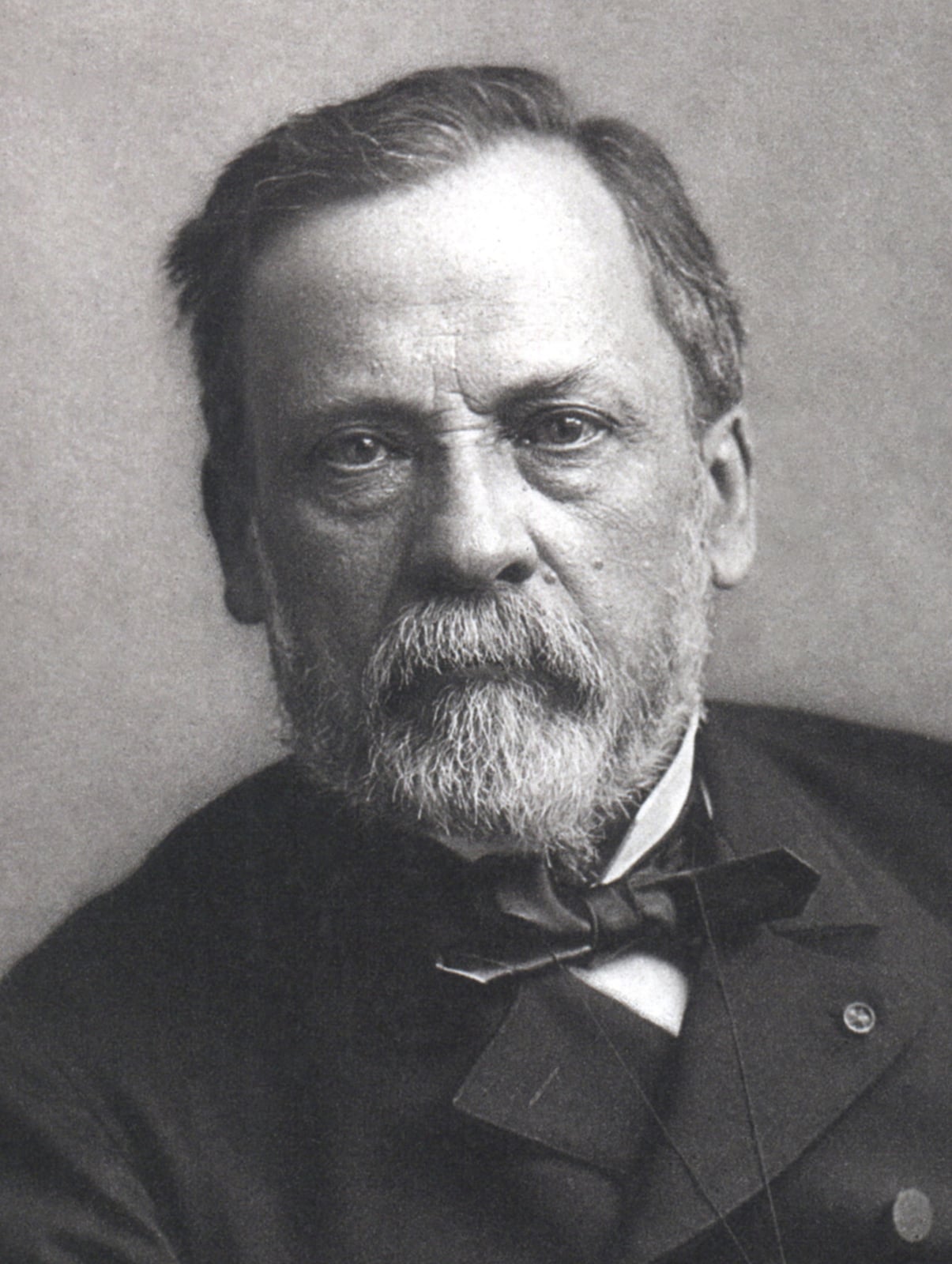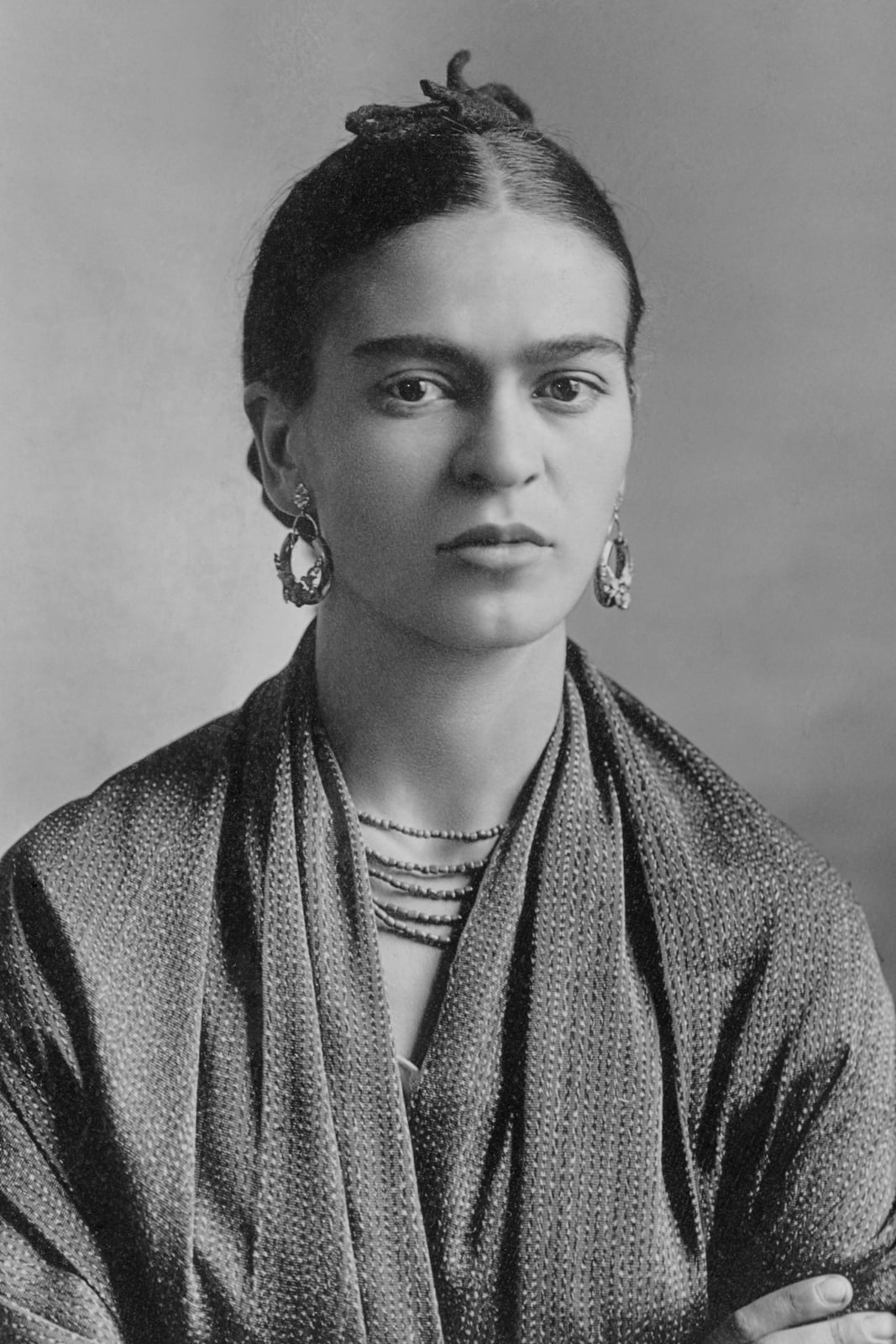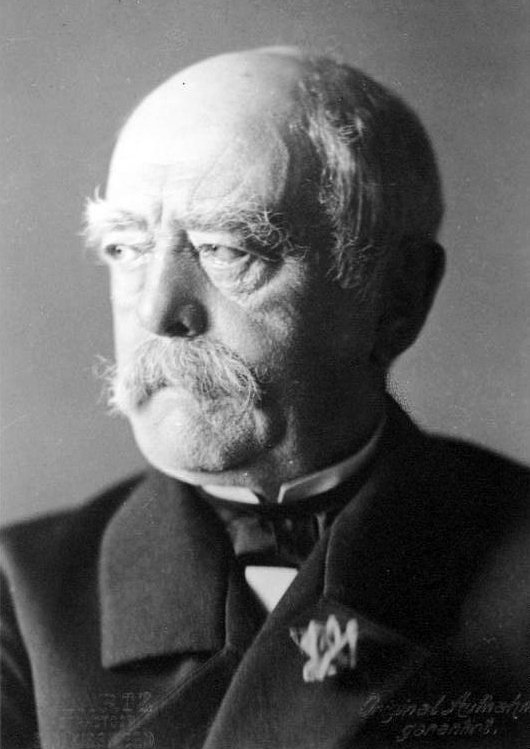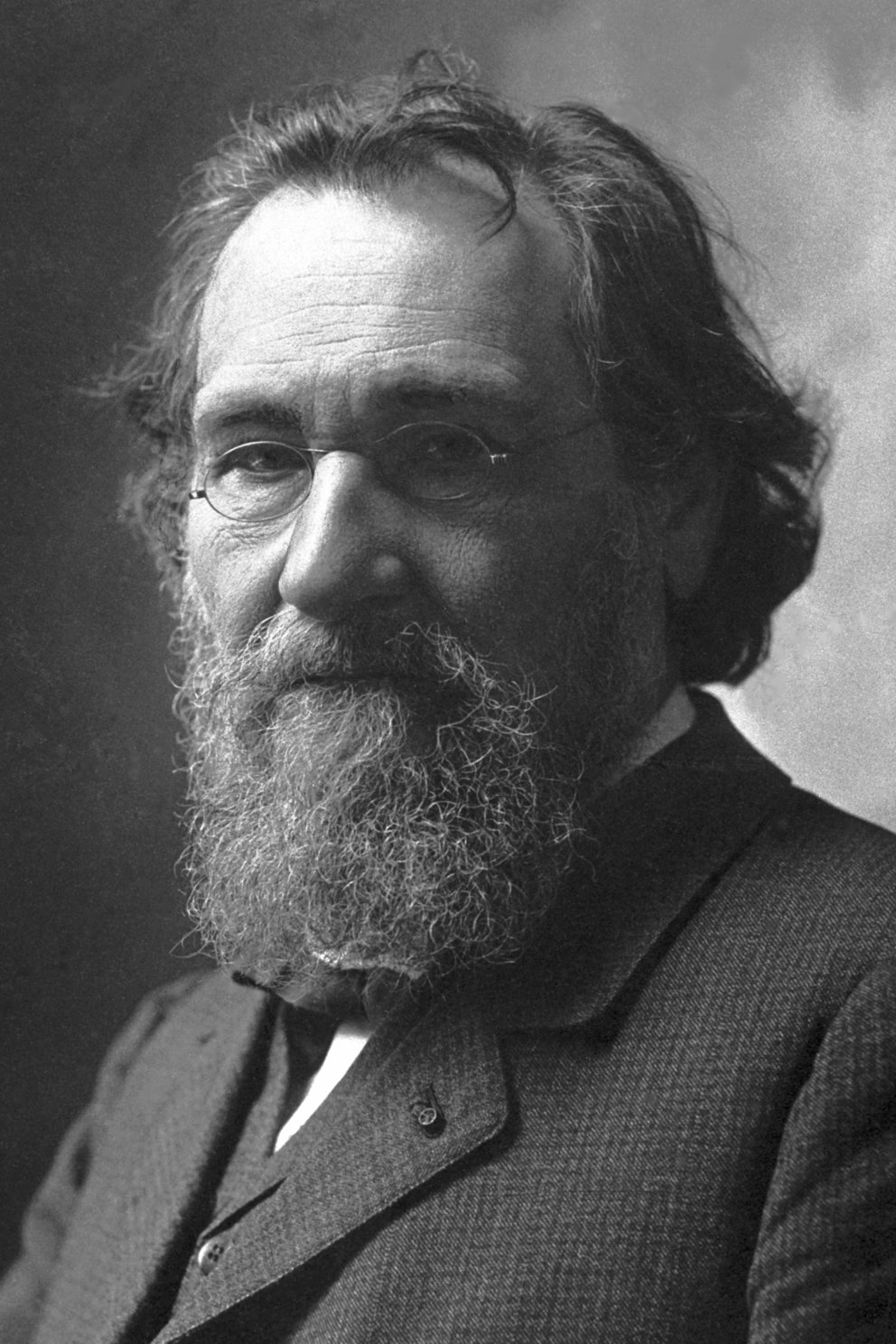

Nadar, Ilya Mechnikov, photograph, circa 1908; published in Les Prix Nobel 1908 (Stockholm, 1909); NobelPrize.org notes the Nobel Foundation's copyright has expired. Public domain by age. · Studio portrait credited to Nadar (Paris), circa 1908, reproduced in Les Prix Nobel 1908 (Stockholm, 1909) and on NobelPrize.org ('Photo: Nadar. Nobel Foundation archive'); Wikimedia Commons file 'Ilya Mechnikov nobel.jpg', original 992 x 1488, saved unchanged with no resizing or upscaling. · Public domain
생물학자 · 19세기
일리야 메치니코프
1845–1916
주요 업적 분야
아직 성격 매칭에 포함되지 않았습니다 — 기록된 근거가 성격 모델 전체를 다루기에는 충분하지 않습니다. 이 페이지의 다른 모든 내용은 자유롭게 확인하실 수 있습니다.
핵심 특성
주요 업적
1883년 메시나에서 불가사리 유생의 이동성 세포를 관찰한 그는 이런 세포가 침입자를 삼켜 몸을 지킨다고 제안하고 이를 식세포 작용이라 불러 세포성 면역 이론의 토대를 놓았다.
1888년부터 파리 파스퇴르 연구소에서 일하며 베링과 에를리히의 체액성 면역 학파에 맞서 세포성 이론을 옹호했고, 에밀 루와 함께 매독이 원숭이에게 전염됨을 보였으며, 1908년 에를리히와 함께 노벨 생리의학상을 받았다.
만년에는 장내 세균총을 연구하며 발효유가 노화를 늦출 수 있다고 제안했는데, 그 효과는 입증되지 않았지만 후대 연구자들은 이를 프로바이오틱스와 마이크로바이옴 연구의 선구로 본다.
삶의 장면들
이동성 세포가 몸을 방어한다는 생각을 시험하려고 그는 귤나무 가시를 투명한 불가사리 유생에 찔러 넣었고, 이튿날 아침 가시가 세포들에 둘러싸인 것을 확인했다.
이는 생각을 곧바로 단순하고 직접적인 실험으로 옮기는 습관과 부합한다. 실험 성향
메시나에서 그의 표본을 본 피르호는 당시 받아들여지던 염증 이론이 그와 정반대라고 경고했지만, 그는 식세포 이론을 계속 발전시켰고 코흐와 베링 등에 맞서 약 25년간 옹호했다.
이는 지배적인 통설에 맞서 증거에 근거한 견해를 지켜 가는 태도와 부합한다. 독립적 사고
전환점
1882년 오데사 대학에 사직서를 낸 뒤 그는 메시나의 사설 실험실에서 연구했고, 그곳에서의 관찰이 그를 동물학과 발생학에서 병리학과 면역 연구로 옮겨 놓았다.
이는 발견이 새 길을 열었을 때 경력의 방향을 바꾸는 능력과 부합한다. 분야 횡단성
비슷한 인물
전체적인 프로필이 이 사람과 닮은 사람들이에요.
출처
- Elie Metchnikoff (Q172254) -- verified live via the Wikidata API (2026-10-26): English label 'Elie Metchnikoff', description 'Russian-French immunologist, embryologist, biologist (1845-1916)', Korean label '엘리 메치니코프', born 1845-05-03 (Julian; 15/16 May Gregorian variants listed), died 1916-07-02 (Julian) in Paris, citizenship Russia and France, P18 image 'Ilya Mechnikov nobel.jpg'. Orientation only; not used as support for any row.
- NobelPrize.org, 'Ilya Mechnikov - Biographical' (from Nobel Lectures, Physiology or Medicine 1901-1921, Elsevier, 1967), read in full. CANONICAL SIGNIFICANCE SOURCE: describes the discovery of phagocytosis at Messina (thorns in starfish larvae), the term 'phagocyte' suggested by Claus, the 1883 first paper, the hostility the cellular theory met, his move to the Pasteur Institute in 1888, work with Roux on syphilis in monkeys, the intestinal flora and fermented-milk diet, and the 1908 Nobel Prize shared with Paul Ehrlich. An award-body biography written for the Nobel Foundation: authoritative on the chronology but admiring, and partly based on Mechnikov's own submitted biography; its passages on bereavement, suicide attempts and health were read but excluded from scoring.
- Olga Metchnikoff, 'Life of Elie Metchnikoff, 1845-1916' (Boston and New York: Houghton Mifflin, 1921), Project Gutenberg text, chapters XVIII (Messina and the origin of the phagocyte theory), XXI (Vienna, Paris and Pasteur, Koch's cool reception, decision to leave Russia), XXIII (opposition to the phagocyte theory, the 1891 London Congress, Behring and antitoxins), XXIV (cholera experiments) and XXXI (1911 Kalmuk expedition) read in full; other chapters read only by heading. INSIDER AND PARTISAN: written by his widow, with long passages quoted from his own recollections and a letter from Emile Roux; the opponents' positions (Koch, Behring, Emmerich, Baumgarten) reach us only through her account. Weak independence; used for specific documented episodes, not for the family or private-life chapters.
- Siamon Gordon, Annabell Roberti and Stefan H. E. Kaufmann, 'Mononuclear Phagocytes, Cellular Immunity, and Nobel Prizes: A Historic Perspective' (Cells, 19 August 2024), read in the sections on Metchnikoff, Ehrlich and the 1908 award: Metchnikoff as grandfather of macrophage research, the Messina starfish observations, the cellular versus humoral schools (Pasteur Institute colleagues versus Behring and Ehrlich), the observation that he overlooked the lymphocyte, his yoghurt and microbiome ideas and his coining of 'gerontology', and the lasting admiration of Rene Dubos. Peer-reviewed historical review by specialist immunologists; admiring of Metchnikoff but historically balanced on the cellular-humoral dispute.
- Stefan H. E. Kaufmann, 'Immunology's Coming of Age' (Frontiers in Immunology, 3 April 2019), read in the sections on Metchnikoff, Behring, Ehrlich and the 1908 prize: Pasteur and Koch largely overlooked host defence, Metchnikoff identified the role of phagocytosis and intracellular killing from 1888 at the Pasteur Institute, turned from zoology to pathology, analysed phagocytes in anthrax, sepsis and tuberculosis, and shared the 1908 Nobel Prize with Ehrlich. Independent specialist historical review; no personal acquaintance.
- Philip A. Mackowiak, 'Recycling Metchnikoff: Probiotics, the Intestinal Microbiome and the Quest for Long Life' (Frontiers in Public Health, 13 November 2013), read in full. COUNTER-VOICE: reviews the autointoxication theory of senility, the fermented-milk regimen, and states that the efficacy of his treatment in retarding senility was never validated scientifically and that the idea drifted to the fringe of medicine before returning in the 1990s; also credits him with anticipating bacterial translocation and links between inflammation and ageing disorders. Critical-but-fair modern medical review.
- James F. Stark, '"Replace them by Salads and Vegetables": Dietary Innovation, Youthfulness, and Authority, 1900-1939' (Global Food History, 2018), read in the passages on Metchnikoff: his role in the early twentieth-century longevity movement, his proposal that yogurt-derived bacteria counter intestinal toxins, and how his advice was folded into existing narratives of simple diet and later reinterpreted in the vitamin era, placed beside the rejuvenation work of Steinach and Voronoff. Independent cultural-history article; reception evidence, not behavioural evidence on Mechnikov himself.
- Siamon Gordon, 'Remembering Metchnikoff in the time of COVID-19' (Journal of Leukocyte Biology, 25 February 2021), read in full: Metchnikoff's move from embryology to comparative pathology, the 1908 prize as an attempt to resolve the cellular-humoral dispute, his move to the newly founded Pasteur Institute by personal invitation, and his legacy through Rene Dubos and the Rockefeller macrophage laboratories. Admiring tribute essay by a specialist; used only as corroboration of reception and legacy.
- Wikimedia Commons file page 'Ilya Mechnikov nobel.jpg' (creator credited as Nadar, circa 1908, published 1909 in Les Prix Nobel 1908; tagged public domain by age), the NobelPrize.org facts page for the 1908 prize (photo credit 'Nadar. Nobel Foundation archive') and the Internet Archive scan of Les Prix Nobel 1908 (Stockholm, 1909), checked for the portrait only.