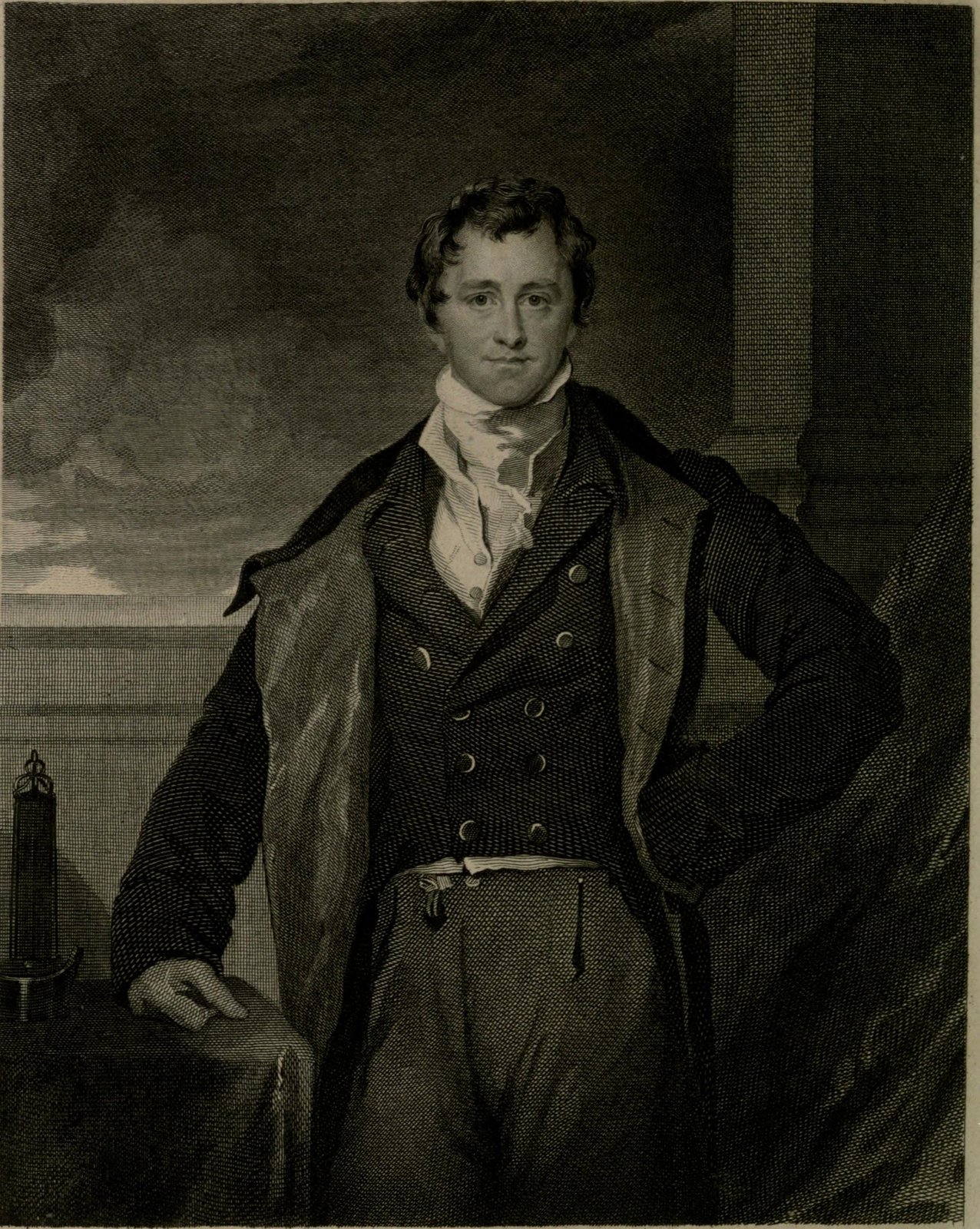
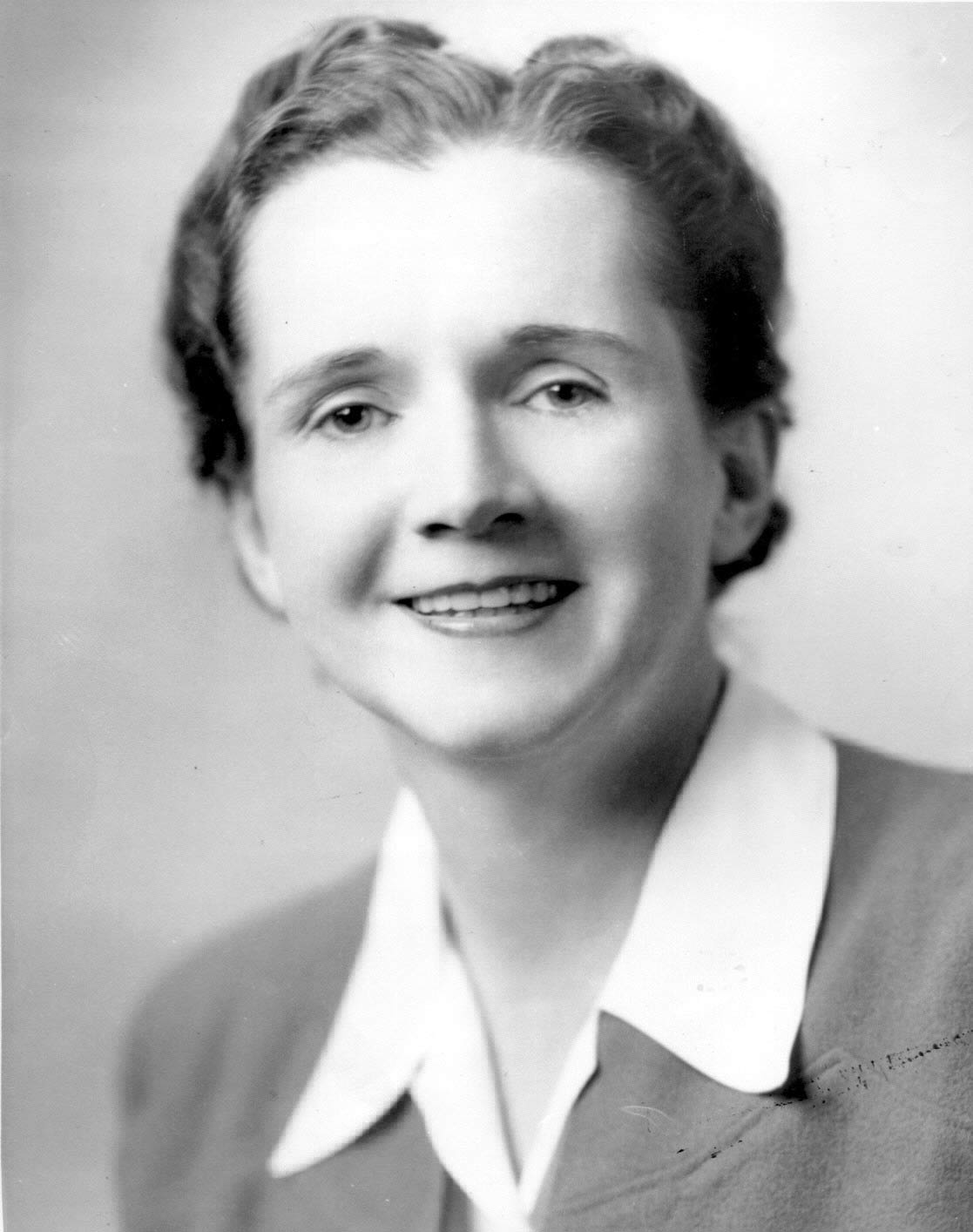
Engraving by W. H. Worthington after Sir Thomas Lawrence, marked 'Engraved by permission of the Council of the Royal Society from the original painting', London, 1831; Internet Archive metadata for this scan: NOT_IN_COPYRIGHT · Frontispiece engraving in John Ayrton Paris, The Life of Sir Humphry Davy, vol. 1 (London: Henry Colburn and Richard Bentley, 1831), via Internet Archive (University of California Libraries copy), page image leaf n5 cropped to the plate and downsized to 1600 px · Public domain (published in London in 1831; engraver W. H. Worthington and painter Sir Thomas Lawrence both died before 1850)
화학자 · 19세기
험프리 데이비
1778–1829
주요 업적 분야
아직 성격 매칭에 포함되지 않았습니다 — 기록된 근거가 성격 모델 전체를 다루기에는 충분하지 않습니다. 이 페이지의 다른 모든 내용은 자유롭게 확인하실 수 있습니다.
핵심 특성
주요 업적
1807년 10월 데이비는 대형 볼타 전지로 포타시(탄산칼륨)를 분해하는 데 처음으로 결정적인 결과를 얻었고, 같은 해 11월 19일 왕립학회에서 베이커 강연(Bakerian lecture)으로 고정 알칼리의 분해와 그 기저가 되는 새로운 금속성 물질, 곧 칼륨(포타슘)과 나트륨(소듐)을 발표했다. 이어 알칼리토류도 분해했으며, 과학사연구소(Science History Institute)는 칼슘과 마그네슘을 그가 분리한 원소로 꼽고, 파리스(Paris)는 붕산에서 붕소를 얻었다고 덧붙인다.
데이비는 1810년 베이커 강연과 1811년 2월 낭독한 논문에서, 당시 '산화염소산(oxymuriatic acid)'이라 불리던 기체에는 산소가 없고 하나의 단체(單體)이며 수소와 결합하여 염산(muriatic acid)이 된다고 주장했다. 파리스는 이 견해가 거의 30년 동안 유럽 화학자들의 믿음에 맞서는 것이었으며 치열한 논쟁을 불러일으켰다고 전하고, 데이비드 나이트(David Knight)는 데이비가 염소가 원소임을 확립하고 염산에 산소가 들어 있지 않음을 보임으로써 모든 산에 산소가 있다는 라부아지에의 생각을 흔들었다고 평가한다.
비숍웨어머스의 교구목사 그레이 박사(Dr Gray)가 노섬벌랜드와 더럼 탄광의 폭발 사고를 살펴봐 달라고 요청하자, 데이비는 1815년 8월 탄광을 찾아 갱내 가스(fire-damp) 시료를 채취했고, 1815년 10월 30일 그레이에게 안전한 등불을 찾았다고 편지로 알렸다. 금속망(와이어 거즈) 안전등은 1816년 탄광에서 시험되어 실제로 작동하는 것으로 확인되었고, 과학사연구소는 이후 몇 년 동안 석탄 1톤당 사망자 수를 크게 줄였다고 설명한다.
1798년 데이비는 토머스 베도스(Thomas Beddoes)가 브리스틀에 세운 의학 기체 연구소(Medical Pneumatic Institution)의 책임자가 되어 아산화질소('웃음 가스')의 작용을 연구했다. 1801년에는 런던의 왕립연구소(Royal Institution)에 임용되었으며, 과학사연구소의 표현으로는 1800년대 런던에서 가장 인기 있는 과학 강연자가 되었다. 그는 농업위원회(Board of Agriculture)에서도 화학 강의를 맡았다.
삶의 장면들
코틀(Cottle)의 기록에 따르면 브리스틀에서 데이비는 치명적이라는 일산화질소(nitrous gas)를 직접 들이마셔 보았다. 폐 속의 산소와 결합해 질산이 생기는 것을 막으려고 먼저 다른 주머니의 아산화질소로 폐를 비운 뒤 일산화질소를 한 번 들이마셨다. 그러자 목이 타고 경련이 일어 곧바로 중단했고, 그는 '이처럼 무모한 실험을 다시 되풀이할 생각은 없다'고 적었다. 코틀은 자신이 데이비에게 이런 기체 실험의 위험을 경고했다고 말한다.
검증되지 않은 기체를 직접 들이마시되 스스로 고안한 예방책을 쓴 것은 실험실에서의 높은 위험 감수와 부합한다. 곧바로 멈추고 되풀이하지 않겠다고 기록한 점은 위험을 무시한 것이 아니라 저울질했음을 보여 준다. 이 서술은 친구 코틀을 통해 전해지며, 코틀은 자신의 경고도 함께 기록했다. 위험 감수
1815년 가을 데이비가 탄광 관리자 존 버들(John Buddle)과 함께 갱내에서 안전등을 시험한 뒤, 버들은 특허를 냈다면 연 5천~1만 파운드를 벌 수 있었을 것이라고 말했다. 파리스와 소프(Thorpe)에 따르면 데이비는 그런 생각은 해 본 적이 없으며 자신의 목적은 인류를 위하는 것이었다고 답했다. 탄광주들은 나중에 약 2,500파운드 상당의 은식기를 선물했고, 데이비는 이를 식기 세트로 만들어 달라고 청했다.
특허를 마다한 것은 발명이 널리 쓰이기를 바라는 동기와 부합한다. 다만 이 이야기는 버들의 편지와 데이비 본인의 말을 호의적인 두 전기 작가가 되풀이한 것이며 그가 탄광주들의 은식기 선물은 받았으므로, 동기는 순전히 사심 없는 것이 아니라 복합적이었던 것으로 보는 것이 적절하다. 영향 창출 동기
전환점
1808년 데이비는 염산(muriatic acid)에 상당량의 물이 들어 있고 산화염소산(oxymuriatic acid)에는 산소가 있다고 보았다. 파리스에 따르면, 수소와 수분을 제거한 숯을 볼타 전지로 백열 상태까지 가열해도 두 기체에서 아무 변화가 일어나지 않자 그는 자신의 앞선 결론을 의심하기 시작했다. 그는 자신이 걸어온 길을 되짚어 1810년 베이커 강연에서 산화염소산이 하나의 단체라고 주장했고, 이는 당시 화학계에서 가장 치열한 논쟁의 하나로 이어졌다.
실험이 기대한 결과를 내지 못하자 자신이 발표한 입장을 스스로 뒤집은 일은 증거에 따라 믿음을 수정하는 태도와 부합한다. 다만 이 서술은 그의 논문에 대한 2차 기록에 의존한다. 입장 수정 성향
비슷한 인물
전체적인 프로필이 이 사람과 닮은 사람들이에요.
출처
- Humphry Davy (Q131761) -- verified live via Special:EntityData (2026-10-08): en label 'Humphry Davy', description 'British chemist', born 17 Dec 1778, died 29/30 May 1829, ko label '험프리 데이비', instance of human. Orientation only; not used as support for any row.
- John Ayrton Paris (physician), 'The Life of Sir Humphry Davy' (London: Colburn and Bentley, 1831), both volumes, Project Gutenberg texts 45394 and 45395 -- FIRST biography, written within two years of Davy's death with help from his family and friends; admiring of the science but openly critical of his conduct in places (the Royal Society presidency, the Faraday and iodine disputes are treated frankly) and described by later historians as deeply critical. Read: preface and contents; the passages on his lecturing and laboratory manner and the Purkis and Poole letters (vol. 1); the chloric-acid, muriatic-acid and chlorine chapters; the iodine episode in Paris, the safety-lamp chapter with the Buddle letters and the Stephenson resolutions, the 1823 chlorine liquefaction, and the Royal Society presidency passage (vol. 2). The remainder (early life, galvanism history, agricultural chemistry, Salmonia and Consolations summaries, the final illness) was not read.
- John Davy (Davy's brother, a physician), 'Memoirs of the Life of Sir Humphry Davy' (London: Longman et al., 1836), two volumes, Internet Archive scans b33286437_0001 and b33286437_0002 (OCR text) -- FAMILY-PARTISAN biography, written partly to rebut Paris. Read for the Royal Society election, the 1823 chlorine liquefaction account and his rebuttal of Paris, and the closing character summary with Thomas Poole's letter; the rest was not read.
- T. E. Thorpe (chemist and historian of chemistry), 'Humphry Davy, Poet and Philosopher' (Century Science Series, London: Cassell, 1896), Project Gutenberg text 54862 -- late-Victorian scholarly biography using the Royal Institution minutes and Davy's letters; admiring of his science, frank about his later relations with Faraday and his temper. Read: the Faraday engagement and 1813-15 tour with Faraday's letters, the 1807 alkali discovery, the safety lamp and Stephenson controversy, the Royal Society years and Faraday, and the copper-sheathing episode; the early-life and later literary chapters were not read.
- Joseph Cottle (Bristol bookseller and publisher, Davy's friend), 'Reminiscences of Samuel Taylor Coleridge and Robert Southey' (London, 1847), Project Gutenberg text 8580 -- FRIEND and FIRSTHAND witness of Davy at the Bristol Pneumatic Institution (1798-1801), with Davy's letters to him and Coleridge's remark on him; written decades later, and with its own health speculations that are NOT used here. Read the Davy chapters and the Coleridge passages.
- Science History Institute, 'Humphry Davy' (Scientific Biographies, updated by historian Frank A. J. L. James, 3 August 2026), sciencehistory.org -- modern independent historian's biography based on recent manuscript research; critical of Davy's treatment of Stephenson and of his Royal Society presidency. Read in full.
- David Knight (historian of science and author of a Davy biography), 'Left Behind', Distillations magazine, Science History Institute, 7 February 2017 -- essay-review of Jan Golinski's 'The Experimental Self: Humphry Davy and the Making of a Man of Science' (Chicago, 2016), giving an independent scholarly summary of Davy's career, rivalry with Gay-Lussac and later priority disputes. Read in full. Knight's own book and Golinski's book were not accessible as full text and were not read.
- Wikimedia Commons file page 'Sir Humphry Davy, Bt by Thomas Phillips.jpg' (National Portrait Gallery, London, NPG 2546) -- inspected for the portrait chain only; NOT used as the portrait because its Commons page carries the NPG copyright-claims notice and the NPG item page is bot-walled and could not be read. Not used for any row.