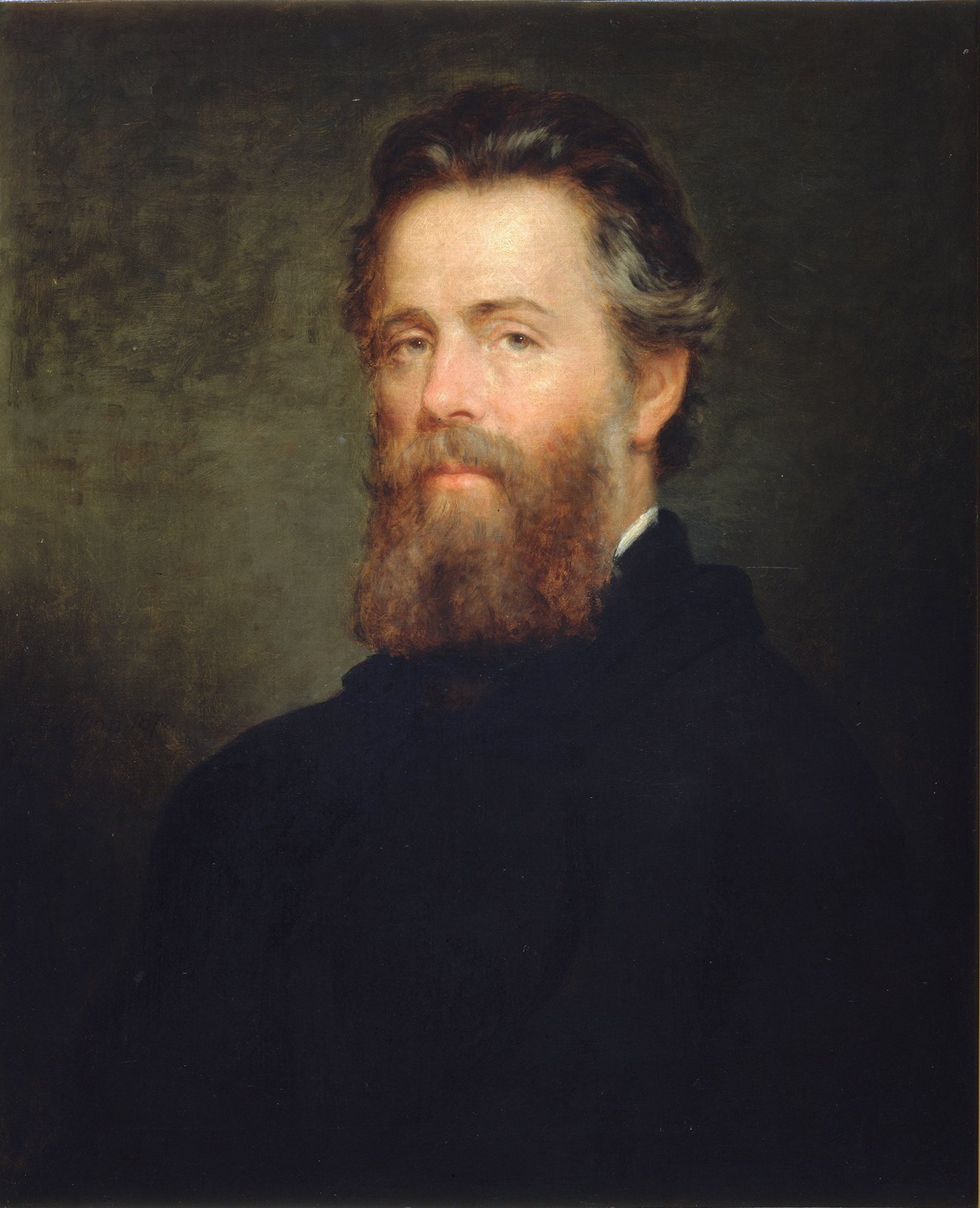

Joseph Oriel Eaton, 'Herman Melville', 1870, oil on canvas, commissioned by Melville's brother-in-law John Hoadley and presented to the family; now at the Houghton Library, Harvard University (accession 61Z-4). Rights chain verified from the Commons file page wikitext and upstream credit; Harvard's catalogue page was not retrievable by script so the Houghton holding rests on the Commons record. · Joseph Oriel Eaton, portrait of Herman Melville, oil on canvas, May 1870 (accession 61Z-4, Houghton Library, Harvard University), via Wikimedia Commons file 'Herman Melville by Joseph O Eaton.jpg' (original 1461x1801; downsized to 1298x1600, no upscaling) · Public domain (artist Joseph Oriel Eaton died 1875; PD-Art / PD-old-auto-expired on Commons)
작가 · 19세기
허먼 멜빌
1819–1891
주요 업적 분야
아직 성격 매칭에 포함되지 않았습니다 — 기록된 근거가 성격 모델 전체를 다루기에는 충분하지 않습니다. 이 페이지의 다른 모든 내용은 자유롭게 확인하실 수 있습니다.
핵심 특성
주요 업적
멜빌의 『모비 딕, 또는 고래』는 포경선 피쿼드호와 에이해브 선장이 흰 고래를 쫓는 이야기를 담은 장편소설로, 1851년 10월 런던에서, 같은 해 11월 뉴욕에서 출간되었다. 이 작품에는 그가 직접 바다에서 보낸 경험이 담겨 있다. 미국 국립기록보관소가 소장한 아쿠슈네트(Acushnet)호 선원 명부에는 그가 1840년 12월 풋내기 선원으로 승선했고 1842년 7월 누쿠히바섬에서 배를 떠났다고 기록되어 있다. 당시 미국 서평은 대체로 호의적이었으며, 이 책이 그의 대표작으로 자리 잡은 것은 1920년대 재평가 이후였다.
멜빌의 첫 두 책 『타이피』(1846)와 『오무』(1847)는 태평양에서 보낸 시절을 쓴 이야기였다. 런던의 출판인 존 머리는 『타이피』의 영국 판권을 100파운드에 사들였고, 뉴욕의 와일리 앤드 퍼트넘이 이 책을 동시에 출간했다. 1849년 초까지 와일리 앤드 퍼트넘은 미국에서 6,392부를 팔았고, 대서양 양쪽의 서평가들이 두 책에 주목했다.
1853년 이후 멜빌은 짧은 산문과 시로 방향을 틀었다. 「필경사 바틀비」는 1853년 말 잡지에 실렸고, 잡지에 발표한 단편을 묶은 『피아자 이야기』는 1856년에 나왔다. 첫 시집 『전쟁 시편과 전쟁의 면모』는 1866년 하퍼 앤드 브라더스에서 출간되었고, 성지 여행(1856–57)을 바탕으로 쓴 약 2만 행의 장시 『클라렐』이 1876년에 뒤를 이었다.
멜빌은 1891년 사망하기 다섯 달 전에 『빌리 버드, 앞돛대 수병』을 완성했으나, 이 작품은 1924년 레이먼드 위버가 『빌리 버드와 기타 산문』을 펴낼 때까지 출간되지 않았다. 위버는 멜빌의 손녀의 도움으로 원고를 찾아냈으며, 이 책은 멜빌 전집의 일부였다.
삶의 장면들
1850~1851년 『모비 딕』을 쓰는 동안 멜빌은 피츠필드에서 농장도 꾸렸다. 위버와 멜빌 전기들이 인용한 아내의 일기에는 그가 하루 종일 책상에 앉아 있고, 어두워진 뒤 마을로 말을 타고 나갔으며, 아침 식사 전에 일찍 일어나 산책했다고 적혀 있다. 1851년 6월 그는 호손에게 책이 인쇄되는 동안 뉴욕에서 '일하고 매달리려' 한다고 편지에 썼다.
아내가 기록한 대로 농장 일과 긴 집필 일과를 함께 이어간 것은 자기 규율과 부합한다. 다만 증거가 주로 가족과 본인의 기록이어서 해석은 조심스럽게 유지한다. 자기 규율
1853년 이후 책 판매가 줄자 멜빌은 다른 수입원을 찾았다. 1853년 태평양 지역 영사직 청탁에는 다나, 동생 앨런 멜빌, 호손이 모두 힘을 보탰으나 성사되지 않았다. 1857년부터 1860년까지는 순회강연에 나서 서른 번이 채 안 되는 강연을 약 50달러의 사례로 소화했고, 1858년에는 '래브라도든 파타고니아 앞의 절망의 섬이든' 강연하러 가겠다고 썼다. 1866년 12월 5일에는 뉴욕 세관 검사관 자리를 얻어 약 20년 동안 근무했다.
수입이 줄자 집필에서 강연으로, 이어서 안정적인 공직으로 옮겨 간 것은 적응력과 부합한다. 다만 사료는 변화 자체만 서술할 뿐 그의 이유는 밝히지 않는다. 적응력
전환점
『타이피』와 『오무』의 성공 뒤 멜빌은 1849년 4월 폴리네시아를 배경으로 한 알레고리 소설 『마디』를 냈다. 서문에서 그는 앞선 두 여행기가 사실로 믿어지지 않았던 터라, 이번에는 지어낸 이야기가 사실로 받아들여지는지 시험해 보려는 생각에서 시작한 책이라고 밝혔다. 서평은 처음에는 호의적이었으나 1849년 내내 점점 적대적으로 바뀌었고, 멜빌은 런던 《애서니엄》이 작품을 난도질했고 《보스턴 포스트》가 불태웠다고 쓰면서 그런 공격은 '으레 있는 일'이라고 덧붙였다. 이어진 『레드번』과 『화이트 재킷』은 다시 바다 경험으로 돌아갔으나, 그 뒤에 『모비 딕』과 『피에르』가 나왔다.
인기를 끈 여행기 두 권 뒤에 독자와 서평가들에게 호응을 얻지 못한 알레고리를 낸 것은 독립적 사고와 부합하며, 그 선택은 독자층 일부를 잃는 대가를 치르게 했다. 독립적 사고
비슷한 인물
전체적인 프로필이 이 사람과 닮은 사람들이에요.


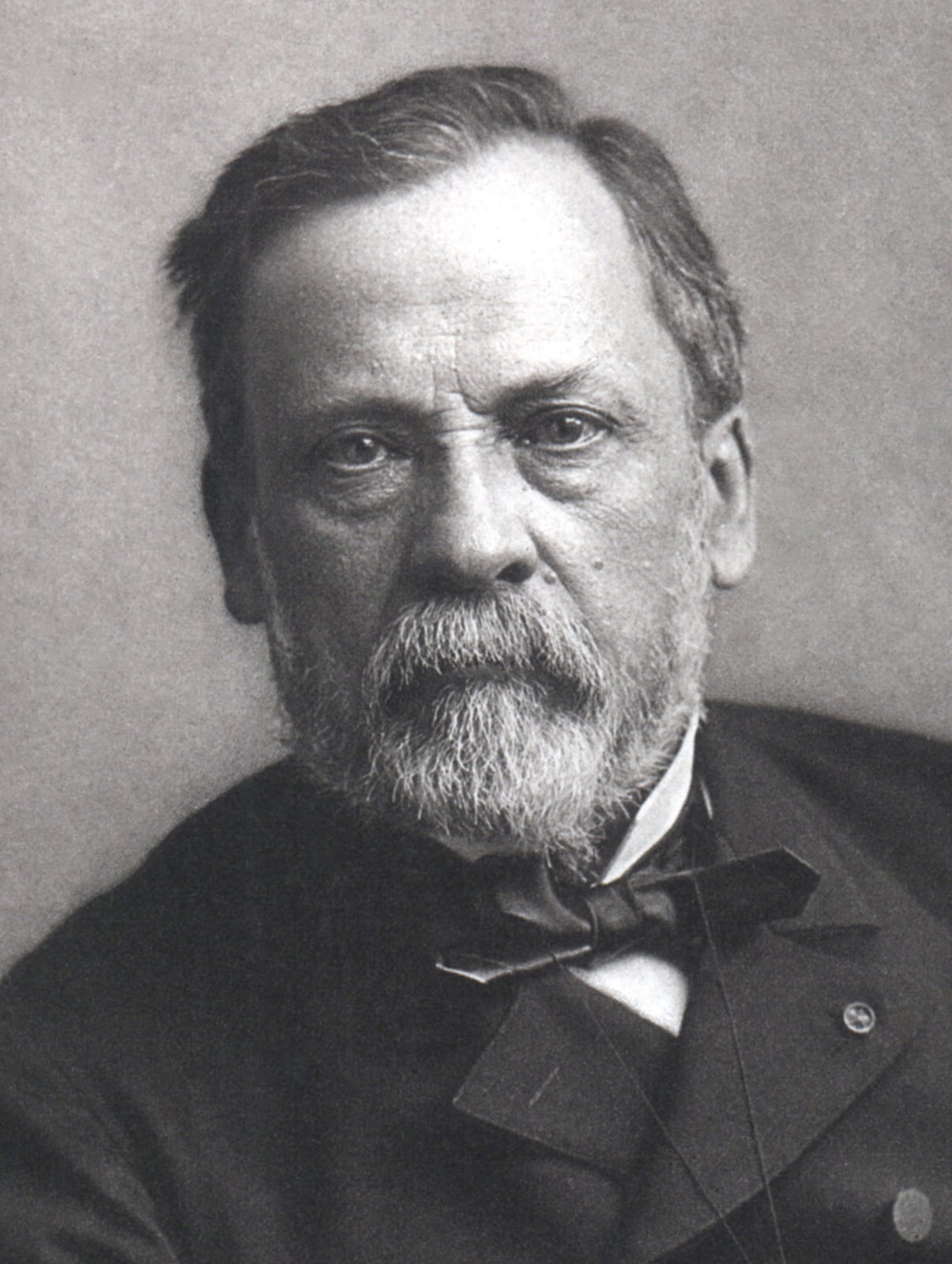
루이 파스퇴르

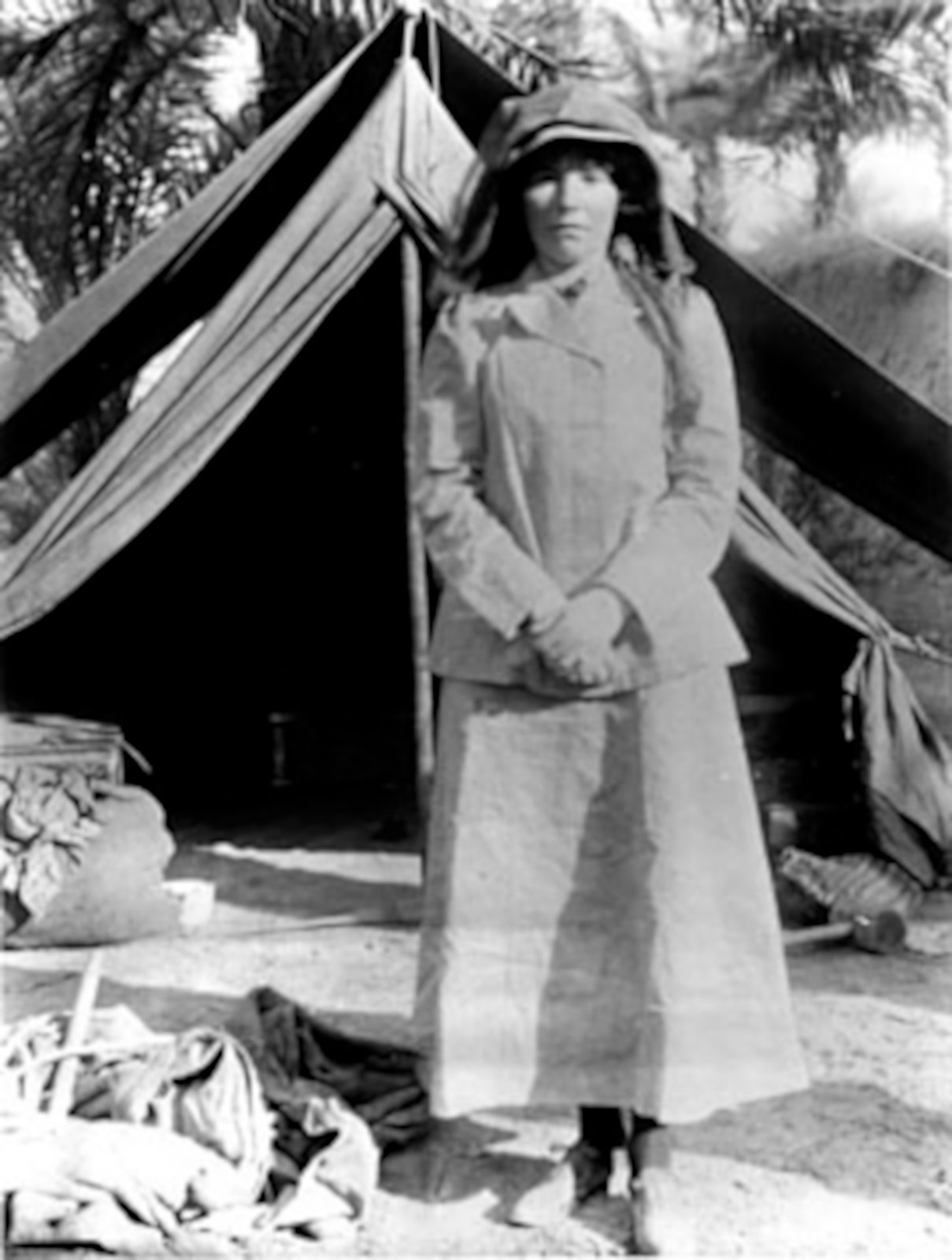
거트루드 벨

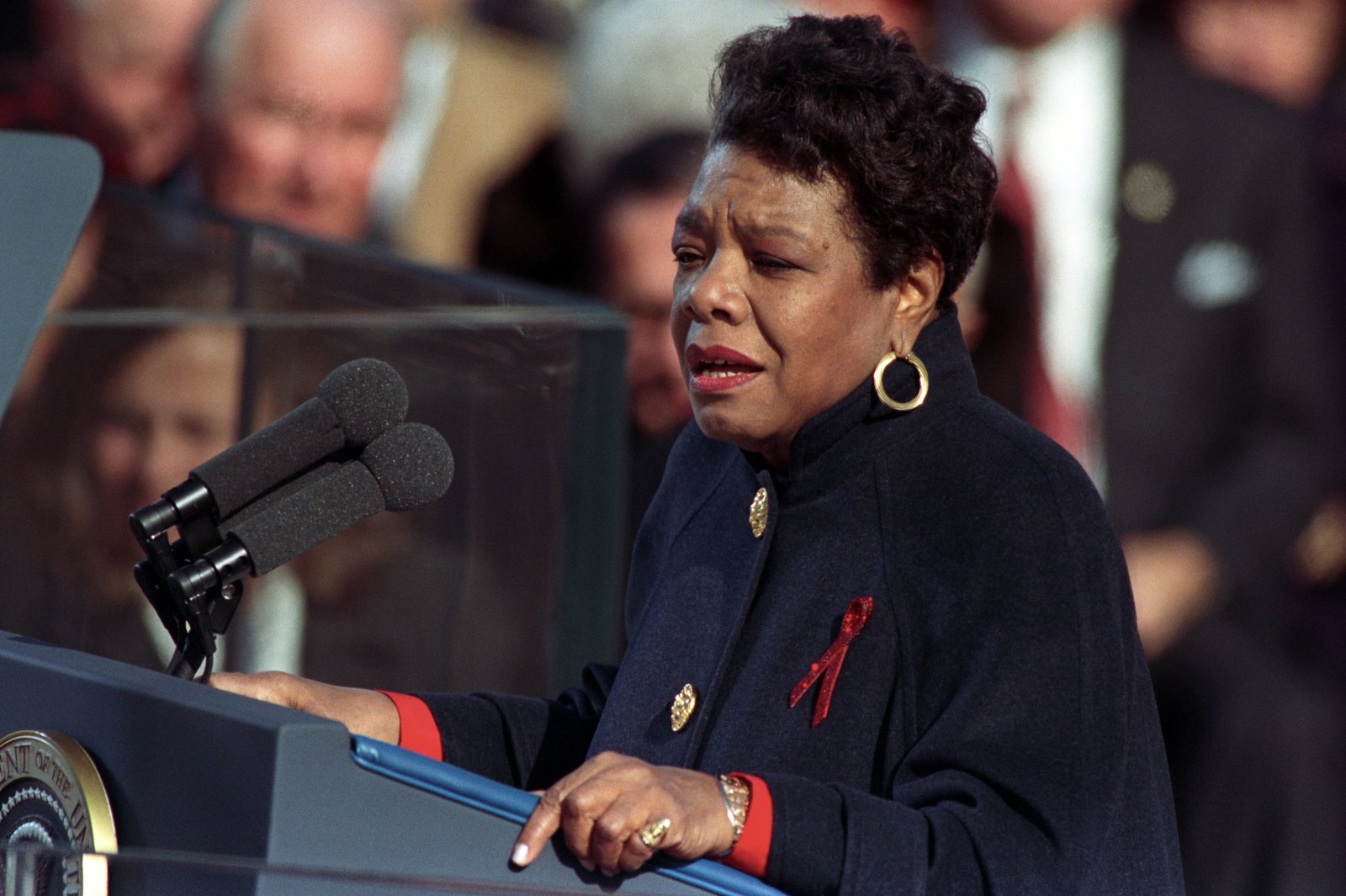
마야 안젤루

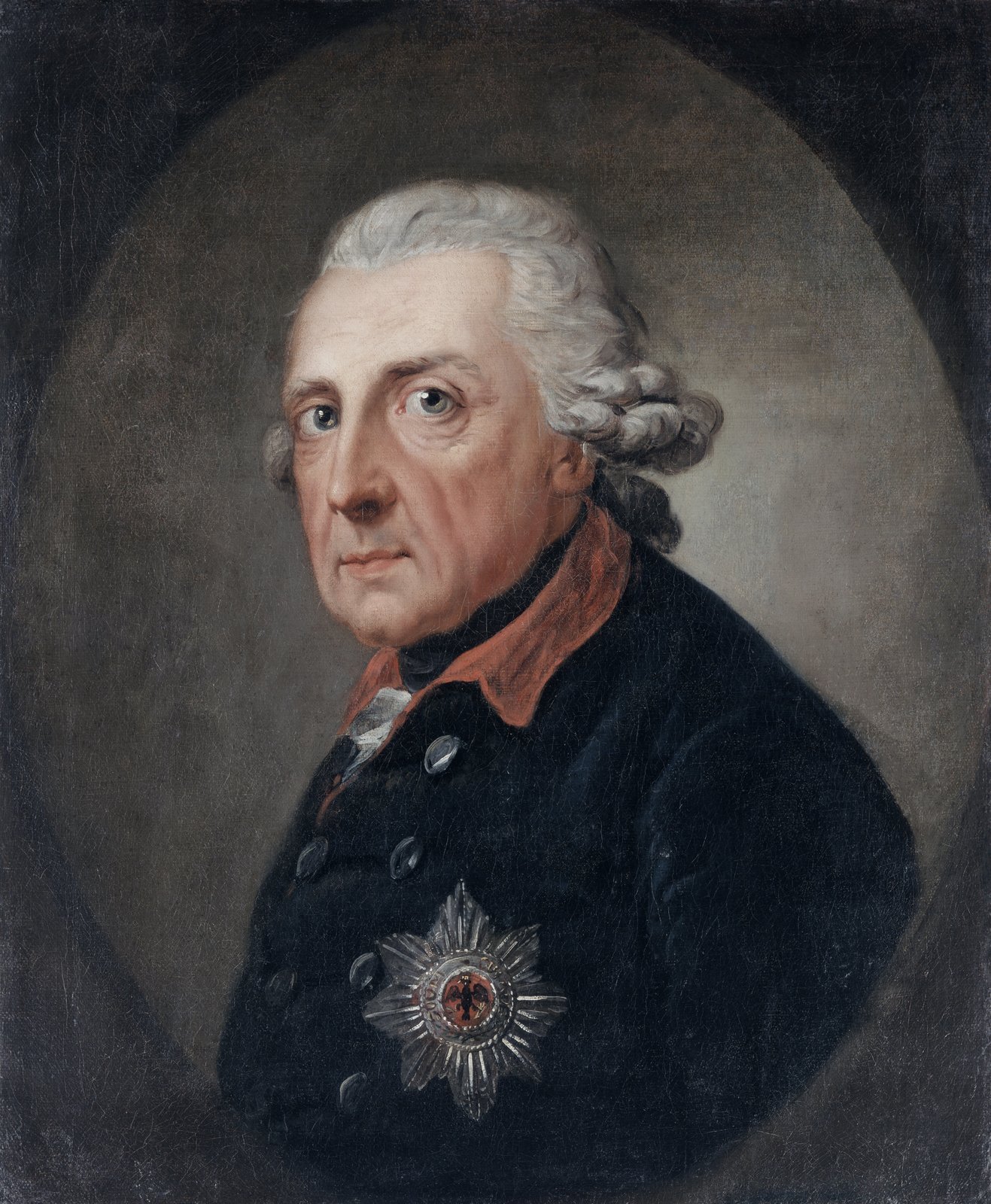
프리드리히 대왕

소르 후아나 이네스 데 라 크루스
출처
- Herman Melville (Q4985) -- verified live via wbgetentities (2026-10-07): en label 'Herman Melville', description 'American writer and poet (1819-1891)', born 1 Aug 1819, died 28 Sep 1891, citizenship United States, ko label '허먼 멜빌', image 'Herman Melville by Joseph O Eaton.jpg'. Orientation only; not used as support for any row.
- Raymond M. Weaver (Columbia University scholar), 'Herman Melville: Mariner and Mystic' (New York: George H. Doran, 1921), full text from the Internet Archive -- the first full biography and the work that began the Melville revival; heavily INTERPRETIVE (psychological readings of the novels), so used here only for documents it reprints or reports: publication and sales records for Typee, Omoo, Mardi and Redburn, royalty accounts after the 1853 Harper fire, Melville's 1851 letters to Hawthorne, letters of Dana, Allan Melville and Chief Justice Shaw about a consulship (1853), R. H. Stoddard's recollection of Melville as customs inspector, Melville's own 1880s letter, and the bibliography. Read the publication, Hawthorne-years, post-Pierre and last-years chapters in full; the early-family and psychological chapters were skimmed and not used.
- Lewis Mumford, 'Herman Melville' (New York: Harcourt, Brace, 1929), full text via Project Gutenberg -- second biography, written in the revival and openly an advocate's critical study; contains a speculative psychological reading that is NOT used. Used for the 1857-1860 lecture tours (fees, number, Melville's letter offering to lecture anywhere), the 1853 Harper fire and consulship attempts, the 1866 custom-house appointment, the composition of Clarel (about 20,000 lines, published 1876 with money from an uncle), and Mumford's acknowledgement that Weaver found the unpublished manuscripts through Melville's granddaughter. Read the chapters on 1850-1857 and the late life in full; early chapters skimmed.
- Raymond W. Weaver (ed.), 'Billy Budd, Foretopman, and Other Prose Pieces', Standard Edition of The Works of Herman Melville vol. 13 (London: Constable, 1924), Project Gutenberg -- first publication of Billy Budd from the manuscript; editor's introductory note reports the novel was 'finished by Melville five months before his death in 1891, and never before published', that the sketches date from after his retirement as customs inspector, and reproduces the letter of 12 May 1854 from Charles F. Briggs, editor of Putnam's Monthly, rejecting 'The Two Temples' for fear of offending religious readers and mentioning James Russell Lowell's praise of 'The Encantadas'. Read the editor's note, the Briggs letter and the contents list; the fiction itself was skimmed only.
- Nathaniel Hawthorne, Passages from the English Notebooks (ed. Sophia Hawthorne, 1870), entry of 30 November 1856 (and the passage on the Chester visit), Project Gutenberg -- NON-SELF, firsthand account by the friend and fellow author: Melville visits Hawthorne at the Liverpool consulate on his way to Constantinople and Palestine, stays at Southport, talks 'of Providence and futurity'; Hawthorne calls him a man of 'very high and noble nature'. The 1870 text is Sophia Hawthorne's abridgment with ellipses and omits the notebook's remarks on Melville's state of mind, so it is used only for the visit and the journey. Read the entries in full.
- U.S. National Archives, Prologue magazine (Fall 2009), 'A Voyage into History' -- Pieces of History note on the crew list of the whaleship Acushnet (signed by Captain Valentine Pease 31 December 1841; National Archives-Northeast Region): Melville, aged 21, signed on in December 1840 as a greenhand, and he and another crew member deserted at Nuku Hiva in July 1842; 11 of the original 26 deserted at various times. Institutional, non-self record of the whaling voyage. Read in full (short).
- David Potter, 'Reviews of Moby-Dick', Journal of the Rutgers University Library (c. 1940), PDF -- scholarly survey of American magazine reviews of Typee, Omoo, Mardi, Redburn, White-Jacket and Moby-Dick found in Rutgers' periodical files: concludes that most American reviewers were favourable to Moby-Dick, that Mardi's reception turned hostile through 1849, and that the sales/reputation collapse came later (corrects the popular belief that the book was universally panned). Read in full (about 3 pages).
- 'The Original 1851 Reviews of Moby Dick', Bunk History, reprinting Literary Hub's compilation of excerpts from the London Morning Advertiser (24 Oct 1851), Henry F. Chorley in the London Athenaeum (25 Oct 1851) and the London John Bull (25 Oct 1851) -- contemporary reviews of the book, ranging from calling it 'trash belonging to the worst school of Bedlam literature' to 'a whole philosophy of life'. Excerpts only; the full reviews were not read. Used as ADVERSARIAL and favourable contemporary perspectives, not for any behavioural row.
- Herman Melville's own letters to Nathaniel Hawthorne, June-November 1851, as printed in Weaver 1921 (Pittsfield, 29 June 1851 and November 1851) -- SELF source: describes working on the whale book while farming, 'work and slave on my Whale', 'Dollars damn me', and 'What's the use of elaborating what, in its very essence, is so short-lived as a modern book?'; also his 1849 letter noting that Mardi had been 'cut into' by the Athenaeum and 'burnt by the common hangman by the Boston Post'. Used as self-report alongside non-self sources, never alone.
- Herman Melville, 'Battle-Pieces and Aspects of the War' (New York: Harper & Brothers, 1866), Project Gutenberg -- the first published collection of his verse; used only to confirm the book's existence, date, dedication and its prefatory note on how the pieces were composed. Read the front matter; poems skimmed.