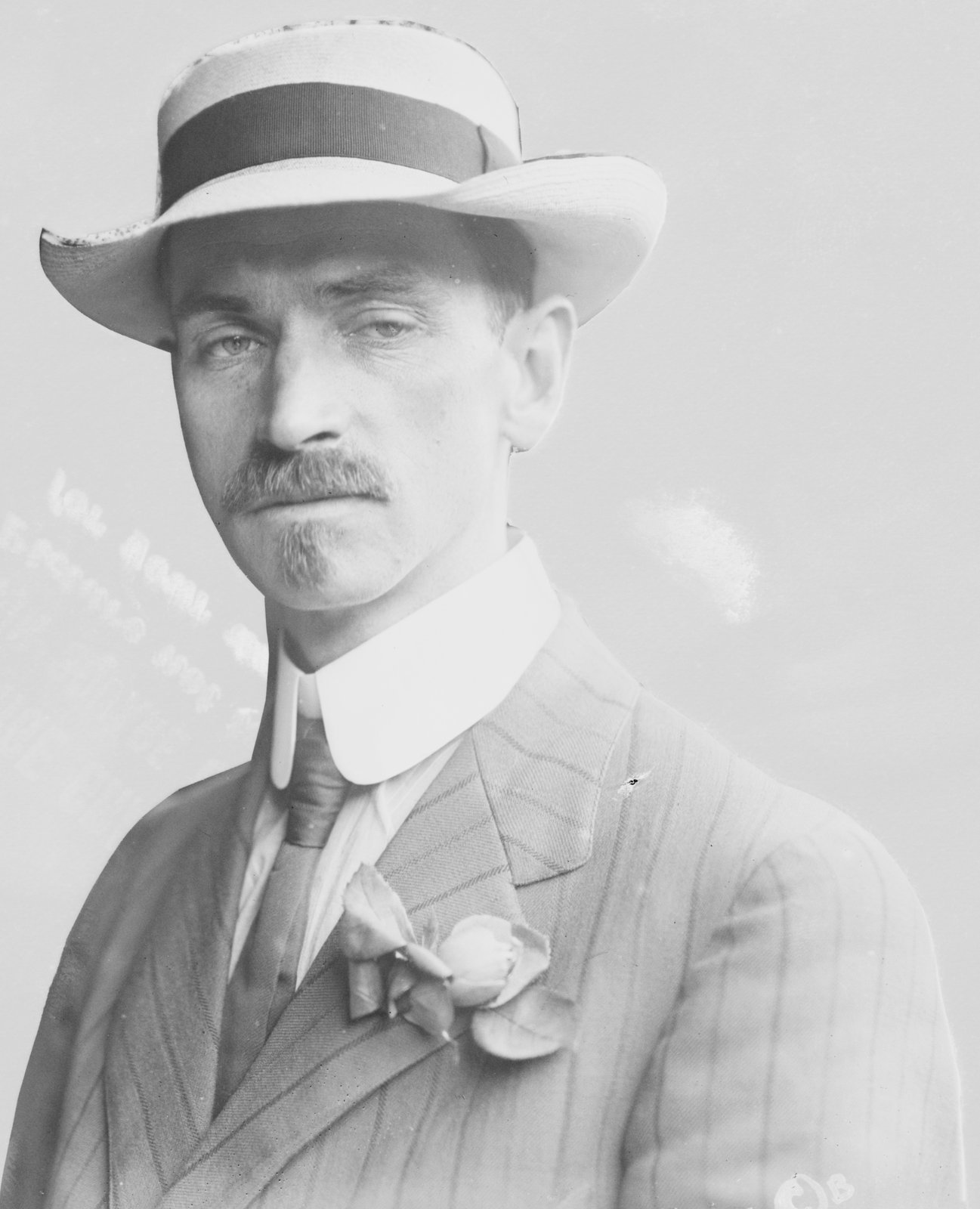

Bain News Service (George Grantham Bain), 1909 (date created or published later by Bain); Library of Congress Prints and Photographs Division, LC-DIG-ggbain-04102; record rights field: 'No known restrictions on publication' · Library of Congress Prints and Photographs Division, George Grantham Bain Collection, 'Glenn Curtis' (title misspelled in the source; LC-B2- 852-5 [P&P], LC-DIG-ggbain-04102, control number 2014684096; hdl.loc.gov/loc.pnp/ggbain.04102), glass negative; also on Wikimedia Commons as 'Glenn Curtiss - 1909 (cropped).jpg' · Public domain
핵심 특성
주요 업적
1908년 7월 4일 커티스는 뉴욕주 햄먼즈포트에서 에어리얼 익스페리먼트 어소시에이션(Aerial Experiment Association)의 '준 버그(June Bug)'를 몰고 약 1마일을 날아, 미국 항공기로는 처음으로 1킬로미터 공개 비행을 해내며 사이언티픽 아메리칸 트로피를 받았다. 1909년 8월 랭스 대회에서는 20킬로미터를 15분 50.6초에 주파해 고든 베넷 컵(속도 부문)을 차지했는데, 루이 블레리오보다 약 6초 빨랐다. 1910년 5월 29일에는 올버니에서 뉴욕시까지 두 번 착륙하며 약 150마일을 날아 뉴욕 월드(New York World)가 내건 상금 1만 달러를 받았다.
커티스는 1911년 1월 샌디에이고 노스 아일랜드에 비행학교 겸 시험장을 열어 육군과 해군 장교들을 가르쳤고, 1월 하순에는 부력 장치(float)를 단 그의 복엽기가 샌디에이고 만의 수면에서 이륙해 다시 수면에 내려앉았다. 이후 해군은 육지와 물 어디서든 뜨고 내릴 수 있는 수상 비행기를 요청했고, 엘리슨(Ellyson) 중위는 그것이 기한에 맞게 인도되었다고 기록한다. 또 유진 일리(Eugene Ely)가 몬 커티스 비행기는 군함에서의 첫 이륙(1910년 11월 14일)과 군함 위 첫 착륙(1911년 1월 18일)을 해냈으며, 브리태니커는 커티스를 미국 비행정 개척자로 꼽는다.
제1차 세계대전 무렵 커티스의 회사는 미국을 대표하는 항공기 제작사였다. 브리태니커는 이 회사를 미국과 연합국 정부에 비행정을 공급한 주요 업체이자 OX-5를 비롯한 항공기 엔진의 대표적 제작사로 기록한다. 이 회사의 JN-4 '제니(Jenny)'는 미군의 표준 훈련·다목적 항공기가 되었고, 다발 엔진 커티스 비행정 NC-4는 1919년 최초로 대서양을 횡단 비행했다.
커티스는 1900년경부터 오토바이 엔진을 직접 만들었다. 1907년 1월 플로리다주 오먼드 비치에서 8기통 엔진을 단 오토바이로 1마일을 시속 약 136마일로 달렸고, 브리태니커는 그날 그를 지상에서 가장 빠른 사람이라 부른다. 다만 그 자신의 설명에 따르면 오토바이용으로는 엔진이 너무 커서 공식 기록으로는 인정받지 못했다. 1904년 비행선 제작자 토머스 볼드윈(Thomas Baldwin)이 비행선 '캘리포니아 애로(California Arrow)'에 쓸 커티스 엔진을 구입했는데, 브리태니커는 이것이 커티스가 항공 분야에 들어선 계기였다고 설명한다.
삶의 장면들
1910년 5월 올버니-뉴욕 비행에 앞서 커티스는 허드슨 강을 직접 답사해 급유할 포킵시의 들판과 만일을 대비한 맨해튼 북단 인우드의 풀밭을 정했고, 강에 내려앉을 경우에 대비해 부력통(pontoon)을 달았다. 그는 사흘간 새벽에 일어났다가 바람 때문에 중단했다고 말하며, 플라이트(Flight)지는 그가 며칠째 날씨를 기다리고 있었다고 보도한다. 비행 중 그는 연료를 넣으려고 포킵시 부근에 내렸고, 기름이 모자라자 총독섬(Governor's Island)에 닿기 전 할렘 강변에 다시 내렸다.
착륙 지점과 급유 지점을 미리 살피고 알맞은 날씨를 며칠 기다린 일은 계획 지향성과 부합한다. 준비 과정은 주로 커티스 본인의 서술에 의존하지만, 기다림과 중간 착륙, 스파이텐 다이빌 부근 착륙은 플라이트지가 따로 확인해 준다. 계획 지향
1909년 8월 라이트 형제는 뉴욕 항공협회(Aeronautic Society of New York)를 상대로 커티스 기체를 문제 삼는 소송을 냈고, 1910년 1월 3일 헤이즐(Hazel) 판사는 커티스와 헤링-커티스 회사에 대해 가처분을 인용했다. 항소법원(제2순회)은 증거 진술이 엇갈린다는 이유로 1910년 6월 14일 이를 뒤집었지만, 최종 심리 뒤 지방법원이 1913년 2월 21일 라이트 사의 손을 들어주었고 항소법원도 1914년 1월 13일 이를 확정했다. 커티스는 자신의 보조익(aileron)이 '다른 어떤 요소도 쓰지 않고' 가로 균형을 잡는다고 증언했으나, 법원은 그의 기체가 라이트 특허를 침해한다고 판단했다.
전환점
1910년 가을 커티스는 본인의 설명에 따르면 공개 경기 비행을 접고 수면 비행 연구에 매달렸다. 1910년 11월 29일 그는 육군장관과 해군장관에게 캘리포니아의 자기 시험장에서 장교들을 무료로 가르치겠다는 편지를 보냈고, 엘리슨 중위는 해군이 즉시 수락했으며 이것이 해군이 항공에 실질적 관심을 갖게 된 시작이었다고 말한다. 훈련 캠프는 1911년 1월 17일 노스 아일랜드에서 문을 열었고, 몇 주 안에 부력 장치를 단 커티스 복엽기가 샌디에이고 만에서 수면을 박차고 올랐다.
경기 비행에서 새로운 분야로 옮겨 가고, 육군과 해군이 요청하기도 전에 이를 제안한 일은 기회 포착과 부합한다. 해군의 수락은 엘리슨이 커티스와 별개로 확인해 주지만, 엘리슨은 호의적인 당사자라는 점을 감안해야 한다. 기회 감지
비슷한 인물
전체적인 프로필이 이 사람과 닮은 사람들이에요.


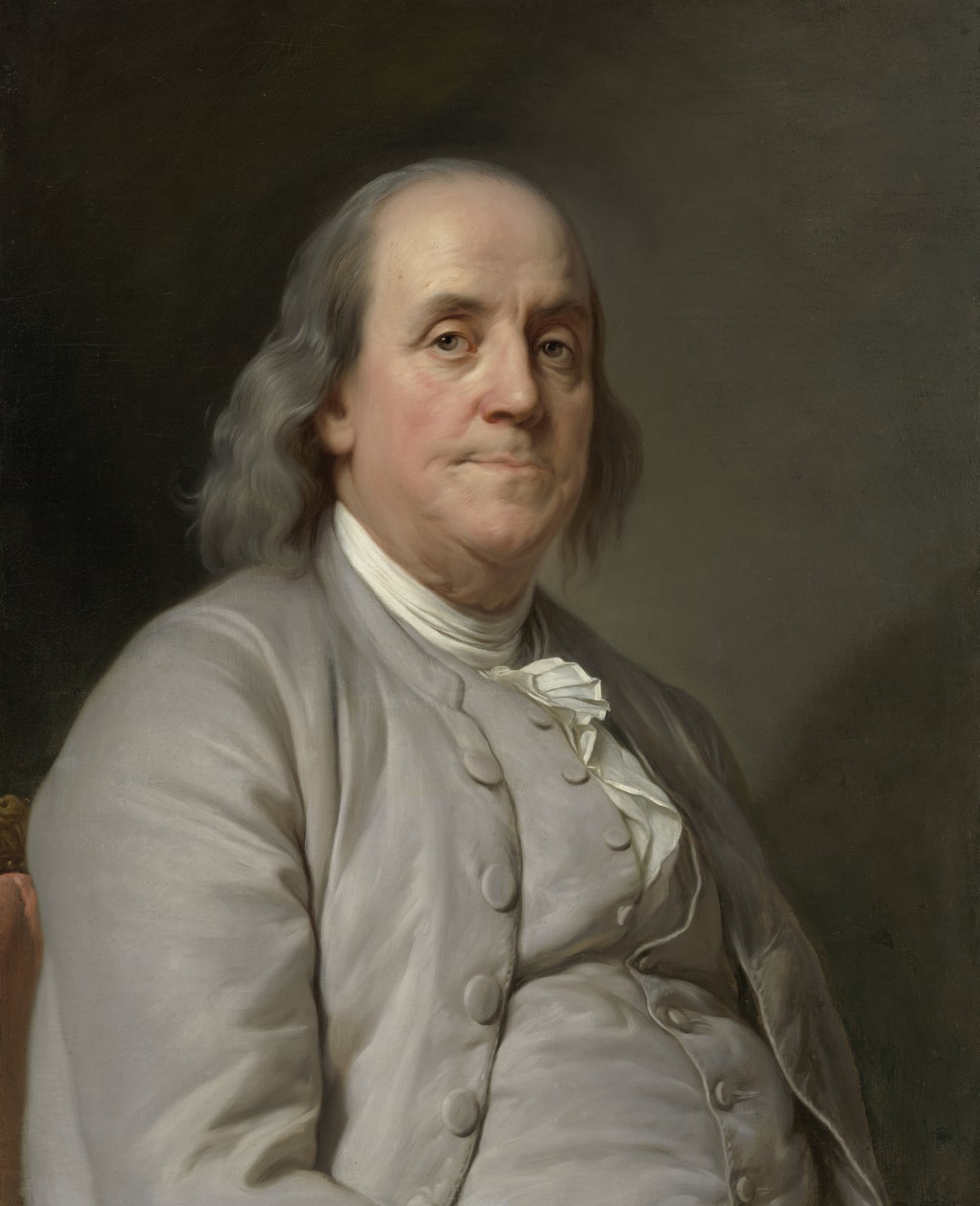
벤저민 프랭클린

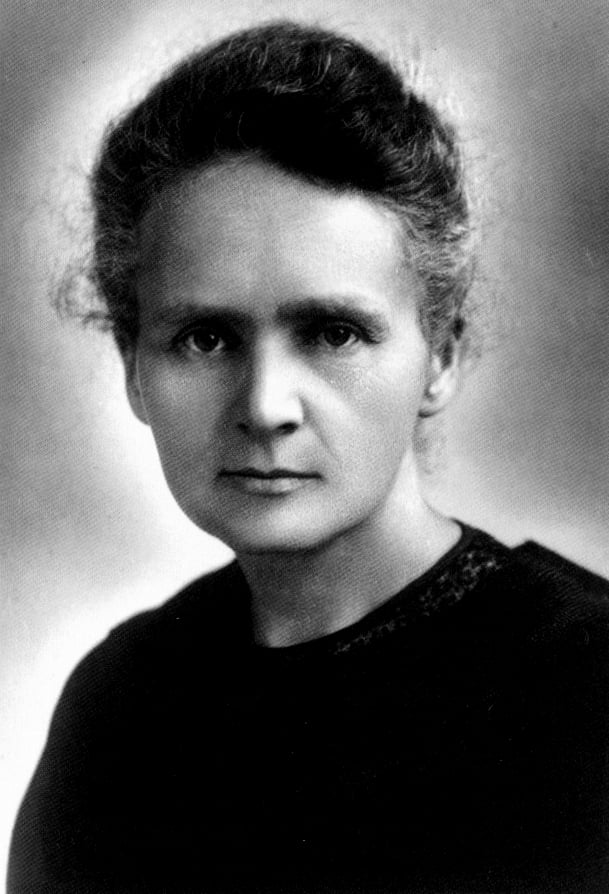
마리 퀴리

루스 베이더 긴즈버그

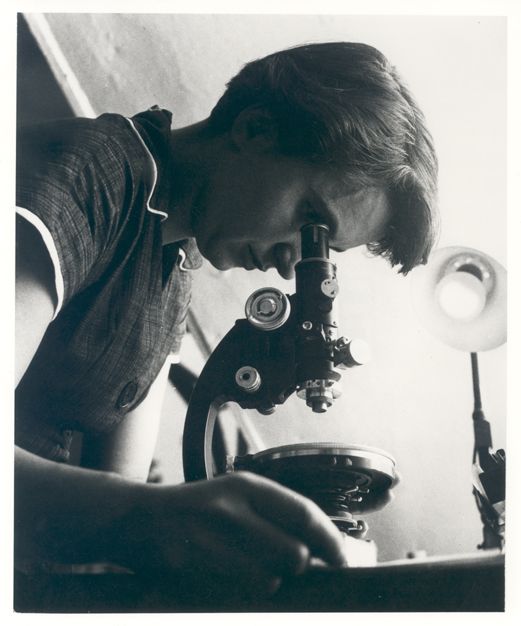
로절린드 프랭클린

공자
출처
- Glenn Curtiss (Q454544) -- verified live via wbgetentities (2026-10-05): en label 'Glenn Curtiss', description 'American aviator and industrialist (1878-1930)', ko label '글렌 커티스', P569 21 May 1878, P570 23 July 1930, citizenship United States (Q30), instance of human, P18 'Glenn Curtiss - 1909 (cropped).jpg'. Orientation only; not used as support for any row.
- Glenn Curtiss -- English Wikipedia article (raw wikitext), read as orientation only; not used as support for any scored row. Its Smithsonian/Langley and Wright patent-settlement passages were not verified against primary sources here and are not used.
- Glenn H. Curtiss and Augustus Post, The Curtiss Aviation Book (New York: Frederick A. Stokes, 1912), Internet Archive full text (curtissaviationb00curtrich) -- SELF / CO-AUTHORED, promotional in tone (Post was an Aero Club of America official and friend; the book is dedicated to Mabel Bell). Read locally: Part I (boyhood, motorcycles, Baldwin dirigible work), Part II (Aerial Experiment Association, Red Wing, White Wing, June Bug, Loon, Mineola), Part III chapters on Reims, the Albany-New York flight and the beginning of the hydroaeroplane (to the January 1911 San Diego flights). It omits the Wright patent suit entirely. Used for sequence of events and for Curtiss's own account of his preparations; never as the sole perspective for a scored row.
- Lt. Theodore G. Ellyson, U.S. Navy, 'The Aeroplane for the Navy (with an account of the training camp at San Diego)', chapter in The Curtiss Aviation Book (1912), Internet Archive full text -- first-person account by the first naval officer detailed to learn to fly under Curtiss; a participant-observer inside a Curtiss-co-authored volume, so partly independent of Curtiss's own voice but sympathetic. Read in full: the November 1910 offer of instruction, the North Island camp from 17 January 1911, the fifty design changes, the Navy's 1911 delivery specification.
- Scientific American, 11 July 1908 (notice of the Aerial Experiment Association's three aeroplanes and the trophy trial) and 18 July 1908 ('The Winning Flight of the June Bug', report by the journal's aeronautical editor, who was present at Hammondsport on 4 July 1908), Internet Archive OCR text -- contemporary independent press and the trophy's own sponsor; the 18 July OCR is partly garbled in column order and was read for the dated facts used (a first attempt that settled in grass short of the finish, the tail-angle fault found, the second flight at 7 p.m. of about a mile in 1 min 42 2/5 s).
- Flight (London weekly aeronautical journal), issues of 28 August, 4 September and 11 September 1909, Internet Archive OCR text -- contemporary independent trade press on the Reims meeting (the Gordon Bennett Cup result, Curtiss's 5 per cent penalty, the Speed Prize) and on the Wright Brothers' suit against the Aeronautic Society over the Curtiss machine; the OCR is partly garbled and was read for the figures and statements used.
- Flight, 4 June 1910 (editorial on the Albany-New York flight and the news report 'Glenn Curtiss' Albany, New York Flight', plus the flight table dating the flight 29 May), Internet Archive OCR text -- contemporary independent trade press; the editorial praises the flight while questioning how much it advanced the science.
- Flight, issues of 28 January, 4 and 11 February 1911 (Ely's landing on the cruiser Pennsylvania; Curtiss rising from the water at San Diego), 3 February to 16 March 1912 (Curtiss hydroaeroplanes flown at Nice) and 31 July 1914 (the Curtiss flying boat America), Internet Archive OCR text -- contemporary independent trade press, read for the dated reports of these events.
- Charles C. Turner, The Romance of Aeronautics (London: Seeley, 1912), Internet Archive full text (romanceofaeronau00turn), passages on Curtiss (the Gordon Bennett win, his motorcycle work, the Baldwin and Bell associations, the Aerial Experiment Association) and the ship-deck demonstrations -- independent popular historian writing at the time; the account of Curtiss's early life is brief and secondary.
- Wright Co. v. Herring-Curtiss Co. and Glenn H. Curtiss, as printed in the Federal Reporter: 177 F. 257 (W.D.N.Y., 3 January 1910, preliminary injunction); 180 F. 110 and 112 (2d Cir., 14 June 1910, injunction reversed on conflicting affidavits); 204 F. 597 (W.D.N.Y., 21 February 1913, final hearing, decree for the Wright Company); 211 F. 654 (2d Cir., 13 January 1914, affirmed). Internet Archive scans of the Federal Reporter volumes 177, 180, 204 and 211 read locally -- neutral/adversarial court record that quotes Curtiss's own testimony. Used only for the dated course of the case and for what Curtiss said under oath; the courts' verdicts are not used as evidence of any trait.
- Encyclopaedia Britannica, 'Glenn Hammond Curtiss' (written by Tom D. Crouch, National Air and Space Museum), read in full -- institutional overview: the January 1907 motorcycle speed run, the Baldwin engine link, the Aerial Experiment Association and Scientific American Trophy, the Wright suit, flying boats, the November 1910 and January 1911 ship-deck flights, the OX-5 engine, the JN-4, the NC-4 and the 1917-1920 loss of corporate control.