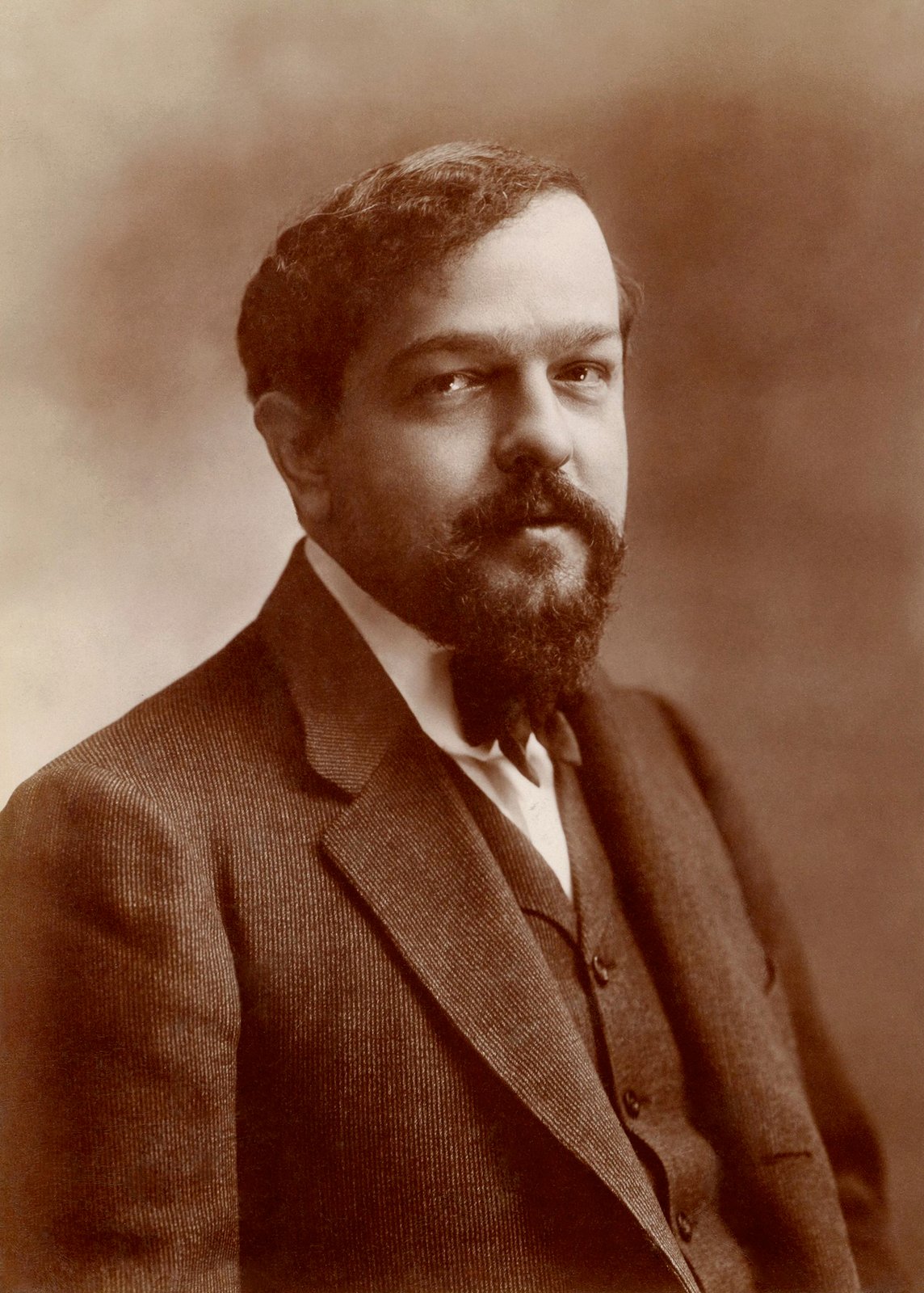

Atelier Nadar, c. 1890-1910, Bibliotheque nationale de France (Gallica); restoration by Adam Cuerden · Atelier Nadar, 'Claude Debussy. Compositeur' (studio demonstration print, albumen print from a gelatin silver bromide glass negative, 22.3 x 16.2 cm, Album de reference de l'Atelier Nadar vol. 13, Atelier Nadar commercial no. 2075), Bibliotheque nationale de France, Estampes et photographie, FT 4-NA-237 (6), digital copy on Gallica btv1b53118843k; digitally restored image by Adam Cuerden hosted on Wikimedia Commons · Public domain (Atelier Nadar photograph, dated 1890-1910 by the BnF; Gallica metadata states 'domaine public'; Commons tag PD-Old-auto-1923 for the restored file)
작곡가 · 20세기
클로드 드뷔시
1862–1918
주요 업적 분야
아직 성격 매칭에 포함되지 않았습니다 — 기록된 근거가 성격 모델 전체를 다루기에는 충분하지 않습니다. 이 페이지의 다른 모든 내용은 자유롭게 확인하실 수 있습니다.
핵심 특성
주요 업적
드뷔시의 관현악곡 〈목신의 오후 전주곡〉은 스테판 말라르메의 시에서 영감을 얻은 작품으로, 1894년 12월 22일 파리 국민음악협회(Société Nationale) 연주회에서 귀스타브 도레(Gustave Doret)의 지휘로 처음 연주되었고 앙코르를 받았다. 드뷔시가 훗날 전한 바에 따르면, 연주 전에 이 곡을 들은 말라르메는 자신의 시가 주는 감흥을 이어 가며 그 배경을 색채보다 더 열정적으로 그려 낸다고 말했다. 몇 년 안에 파리의 다른 지휘자들도 이 곡을 연주 목록에 올렸다.
드뷔시는 모리스 메테를링크의 희곡 『펠레아스와 멜리장드』를 끊김 없이 이어지는 오페라로 작곡했다. 1892~93년에 시작해 1902년 초에야 관현악 편곡을 마쳤고, 이 작품은 1902년 4월 30일 파리 오페라 코미크에서 앙드레 메사제(André Messager)의 지휘, 메리 가든(Mary Garden)의 멜리장드 역으로 초연되었다. 성악 선율은 프랑스어 말의 리듬을 따르고 관현악은 의도적으로 절제되어 있다. 로맹 롤랑은 이 초연일을 프랑스 오페라 무대의 주요한 날 가운데 하나로 꼽았고, 레옹 발라스(Léon Vallas)는 1926년 6월에 175번째 공연이 있었다고 기록한다.
세 곡의 관현악 〈야상곡〉(구름, 축제, 사이렌)은 1900년 12월 9일 라무뢰 연주회에서 처음 연주되었고, 1903년에 착수해 1905년 3월에 스케치를 마친 세 개의 교향적 스케치 〈바다(La Mer)〉는 1905년 10월 15일에 초연되었다. 두 작품은 악기군을 뭉쳐서 쓰는 대신 나누고 약음기를 쓰고 독주 음색을 살리는, 색채의 팔레트처럼 관현악을 다루었다. 〈바다〉에 대한 평가는 엇갈렸다. 한 존경받는 평론가는 〈펠레아스〉만큼 바다가 깊이 느껴지지 않는다고 보았고, 루이 라루아(Louis Laloy)는 더 단단해진 새로운 양식이라고 옹호했다.
드뷔시는 관현악곡과 함께 실내악과 피아노곡을 다수 남겼다. 〈현악 사중주〉는 1893년 12월 29일 국민음악협회에서 이자이(Ysaÿe) 사중주단이 처음 연주했고, 〈에스탕프(Estampes)〉는 1904년 1월 9일 리카르도 비녜스(Ricardo Viñes)가 초연했다. 〈영상(Images)〉은 1905년과 1907년에 두 권이, 열두 곡씩 묶인 〈전주곡집(Préludes)〉은 1910년과 1913년에 두 권이 나왔으며, 암시적인 제목은 각 곡의 맨 앞이 아니라 끝에 적었다. 그의 음악을 옹호한 평론가 에밀 뷔예르모(Emile Vuillermoz)는 드뷔시가 리스트와 쇼팽 이후 피아노 어법을 새롭게 했다고 평가했다.
삶의 장면들
1884년 로마 대상을 받은 드뷔시는 로마 유학 중 제출한 작품들을 연주하는 음악회를 열 자격이 있었다. 그는 관현악 모음곡 〈봄(Printemps)〉도 넣고 싶어 했지만, 프랑스 학사원의 미술 아카데미(Académie des Beaux-Arts)는 1887년 이 곡을 '막연한 인상주의'라며 비판했고 특이한 조성과 가사 없는 합창을 문제 삼았으며 연주 목록에 올리는 것을 허락하지 않았다. 드뷔시는 이 배제를 받아들이지 않고 1890년 음악회 자체를 포기했다. 이후 〈선택받은 처녀(La Damoiselle élue)〉는 1893년에야 공개 연주되었고, 〈봄〉은 1904년에야 출판되었다.
자기 프로그램에서 곡이 빠지는 것을 받아들이느니 음악회를 포기한 선택은 자율성에 대한 강한 욕구와 맞닿아 있으며, 로마 시절 작품이 오랫동안 연주되지 못한 것은 그 선택의 대가를 보여 준다. 자율성 욕구
1893년 여름 에르네스트 쇼송에게 보낸 편지에서 드뷔시는 이미 끝냈다고 생각했던 『펠레아스』 4막의 샘 장면이 자신이 원하던 것이 '전혀 아니다'라고 말했다. 다른 작곡가의 이중창을 닮았고, 선율이 전환되는 곳마다 바그너, 곧 '늙은 클링조르'의 유령이 나타났기 때문이다. 그는 그 장면을 찢어 버리고 더 개성적인 악구를 찾아 처음부터 다시 썼으며, 침묵 자체가 표현의 수단이 될 수 있음을 알게 되었다고 덧붙였다. 이 편지는 발라스가 인용한 대목으로 전해지며, 4막의 이중창이 가장 먼저 쓴 부분이었다는 점은 라루아도 확인해 준다.
이미 끝냈다고 여긴 장면이 바그너를 떠올리게 한다는 이유로 버린 일은 독창성에 적용된 완벽주의적 기준과 맞닿아 있으며, 약 십 년에 걸쳐 고쳐 쓴 이 악보 전체에서 한 장면일 뿐이다. 완벽주의
전환점
1892년 여름 드뷔시는 메테를링크의 희곡 『펠레아스와 멜리장드』를 사서 그날 저녁 읽기 시작했고, 라루아에 따르면 이튿날 이 작품에 곡을 붙이기로 결심했다. 계획을 가장 먼저 털어놓았고 이후 이 희곡을 읽은 피에르 루이스(Pierre Louÿs)는 놀라움을 감추지 않았다. 두 사람은 겐트로 가서 메테를링크를 만났고, 메테를링크는 드뷔시에게 대본을 줄이고 작품을 원하는 방식으로 무대에 올릴 모든 재량을 주었다(발라스는 이 결정과 방문을 1893년으로 본다). 이 선택으로 『시드』 이야기에 바탕한 이전 오페라 〈시멘(Chimène)〉은 접혔고, 드뷔시는 약 십 년이 걸린 작업에 매이게 되었다.
가까운 친구가 놀랐는데도 이례적인 소재를 밀고 나간 일은 독립적 사고와 맞닿아 있으며, 이 결정은 이후 십 년의 상당 부분을 묶어 놓았다. 독립적 사고
비슷한 인물
전체적인 프로필이 이 사람과 닮은 사람들이에요.


레오나르도 다빈치

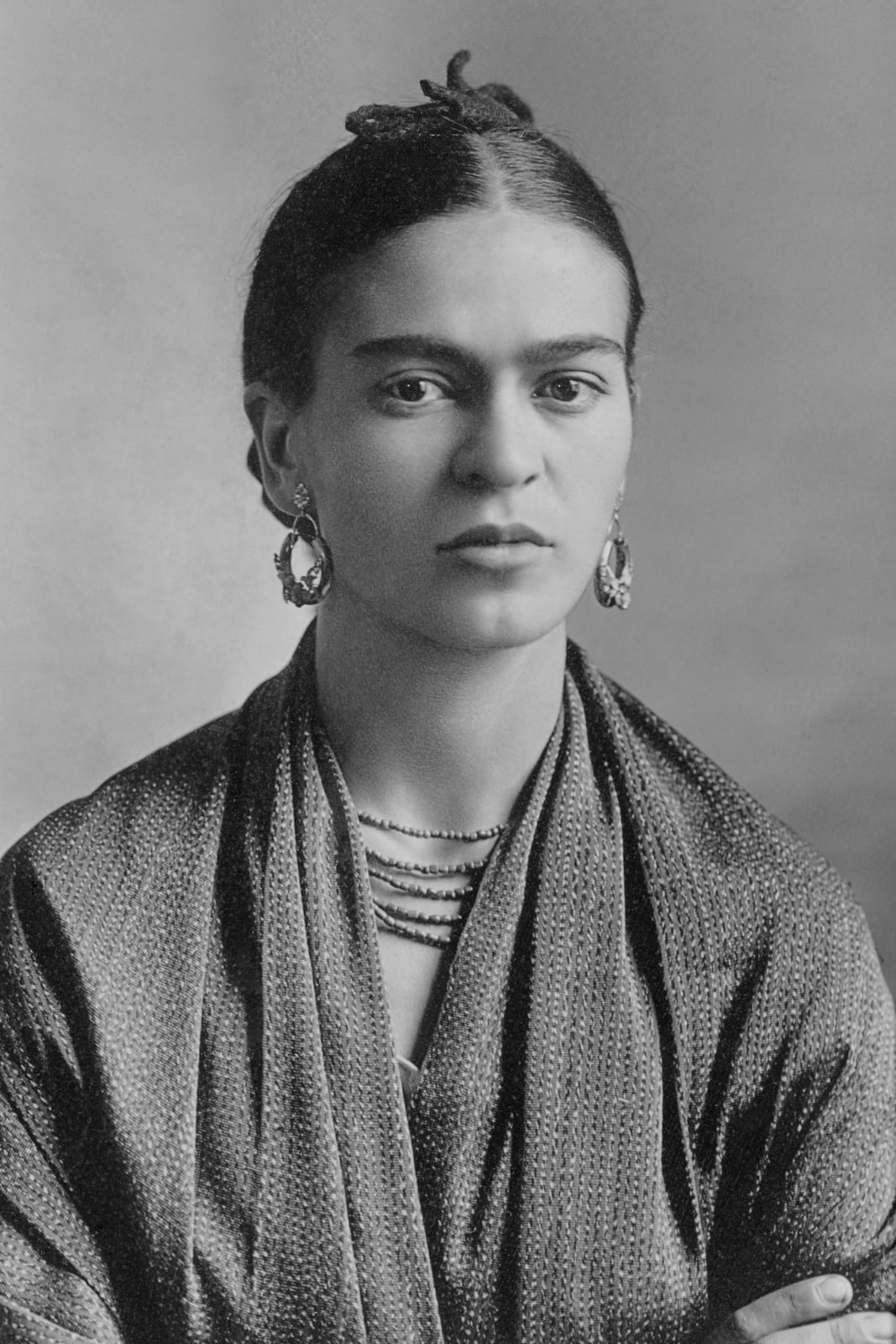
프리다 칼로

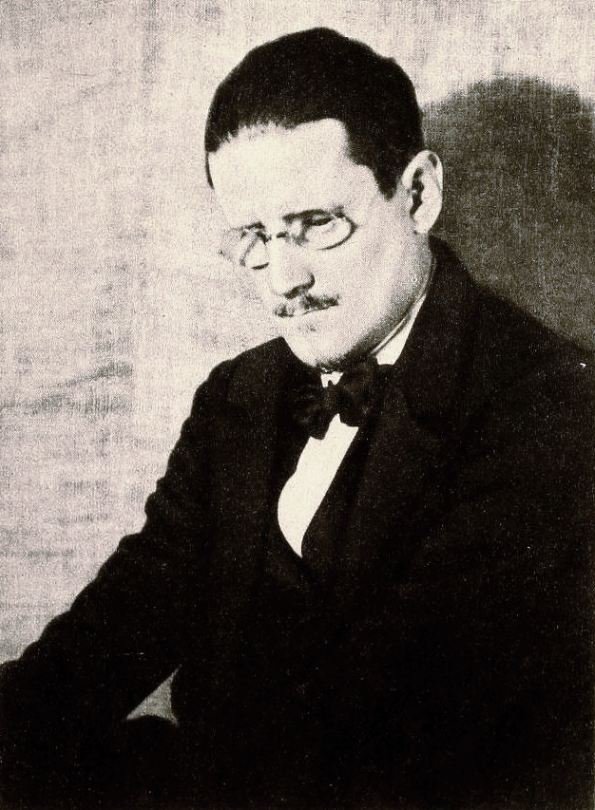
제임스 조이스

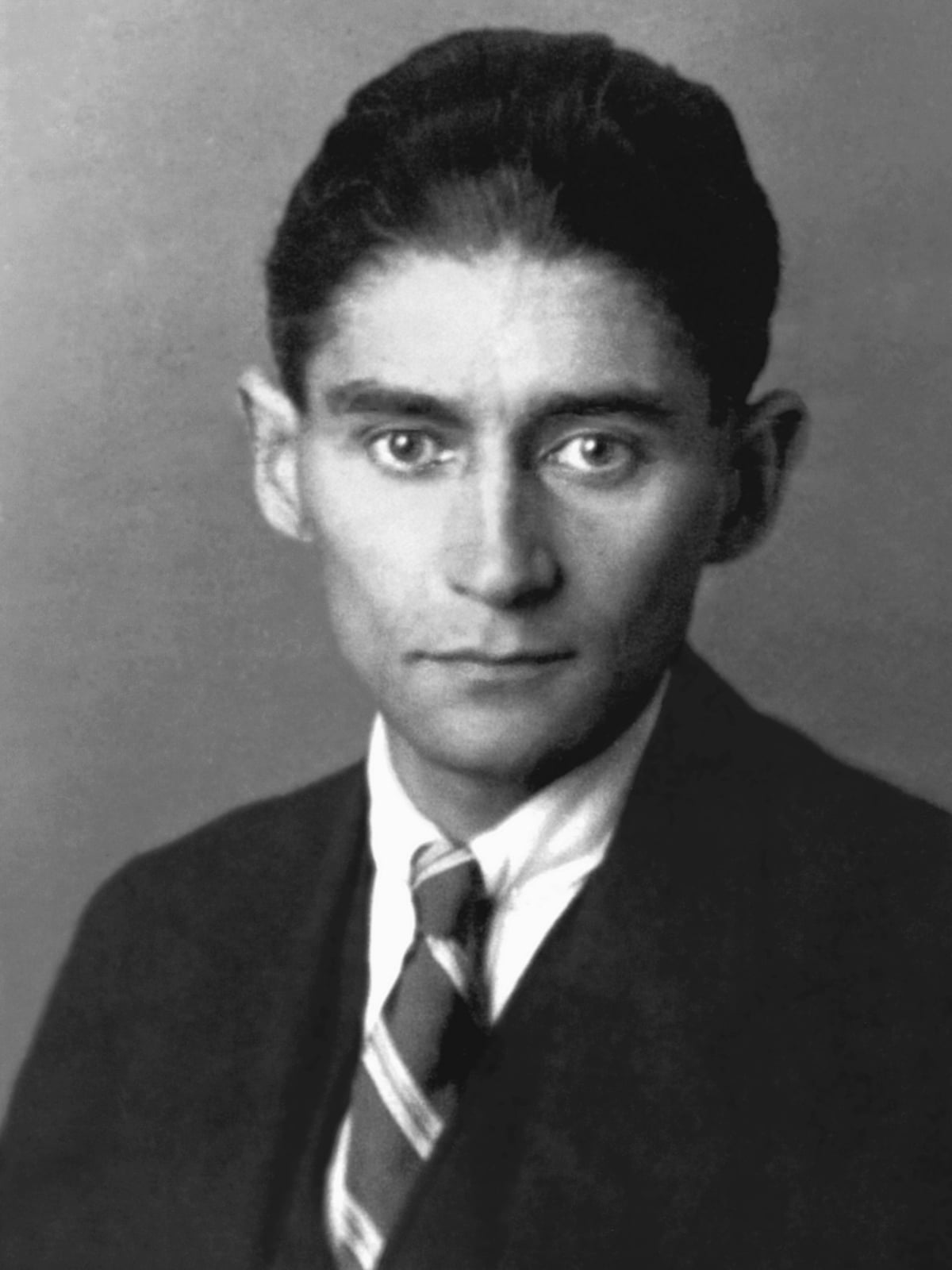
프란츠 카프카

루트비히 비트겐슈타인
출처
- Claude Debussy (Q4700) -- verified live via wbgetentities (2026-10-07): en label 'Claude Debussy', description 'French classical composer (1862-1918)', born 22 Aug 1862, died 25 Mar 1918, citizenship France, instance of human, ko label present, image 'Claude Debussy by Atelier Nadar.jpg'. Orientation only; not used as support for any row.
- Leon Vallas (French musicologist and critic who knew Debussy's circle), Debussy (Paris: Plon, late 1920s; Internet Archive scan 'debussy0000leon' -- the text refers to events up to mid-1926) -- INDEPENDENT-LEANING scholarly biography built on Debussy's published letters (to the Vasnier family, Ernest Chausson, Andre Messager, Robert Godet), his own newspaper articles and interviews, and printed memories by Maurice Emmanuel, Gabriel Pierne, Paul Vidal, Xavier Leroux, Camille Bellaigue, Henri de Regnier, Jacques-Emile Blanche and Emile Vuillermoz; it also quotes the Academie des Beaux-Arts reports in the Journal officiel and hostile reviews (Maurice Kufferath, Pierre Lalo, Willy). Admiring in tone but openly records Debussy's hesitations, hasty commissions and borrowings. Read in large part (childhood through the war years, about 4,000 of 5,000 OCR lines; the work-by-work analyses and the catalogue were skimmed). Many letters are therefore seen second-hand through Vallas.
- Louis Laloy (critic and Debussy's close friend), Claude Debussy (Paris: Les Bibliophiles fantaisistes / Dorbon aine, 1909), Internet Archive scan -- FRIEND's contemporary study, written from what Debussy told Laloy about his youth; partisan and openly polemical (against Wagner, Franck, Saint-Saens) but a first-hand witness to the 1902 Pelleas rehearsals and to the Revue blanche columns. Read the biographical chapters in full (to about line 1500 of the OCR text: youth, Conservatoire, Rome, Mallarme circle, Pelleas, Nocturnes, 1902 premiere); the later technical analysis of the scores was not read.
- Emile Vuillermoz (music critic, acquaintance and champion; later a rehearsal coach for Le Martyre de Saint Sebastien), Claude Debussy, lecture given 15 April 1920 at the Concerts historiques Pasdeloup (Paris: Heugel, 1920), Internet Archive scan -- ADMIRING CRITIC's posthumous portrait with first-hand observations of Debussy's working habits and public reticence and a hostile-press history of Pelleas. Read in full.
- Louise Liebich, Claude-Achille Debussy (London: John Lane, 1908), Internet Archive scan -- contemporary English biographer, admiring and largely built on Debussy's own articles and on reports of his letters to Laloy; useful for what was known of his character in 1908 (reticence, refusal of photographs, slow completion). Read chapters I and the start of II (about 700 of 2,875 OCR lines); the technical chapters were not read.
- Romain Rolland, 'Claude Debussy: Pelleas et Melisande', in Musicians of To-day (translated by Mary Blaiklock; London: Kegan Paul, 1915; Project Gutenberg ebook 16467) -- INDEPENDENT contemporary assessment by a historian-critic who states he is 'not a Debussyite' and prefers a different art; credits the reform of French recitative and the restrained orchestra but judges Debussy's historical importance greater than his artistic value. Read the Debussy chapter in full (about 300 lines).
- Daniel Gregory Mason (American composer and critic), 'Claude Debussy', in Contemporary Composers (New York: Macmillan, 1918; Project Gutenberg ebook 56593) -- ADVERSARIAL/conservative critique of Debussy's aims (sensuous, 'mental vacuity') that nevertheless concedes the originality of his harmonic style and orchestration and credits him with reducing orchestral excess. Read the Debussy chapter in full (about 550 lines).
- Claude Debussy, Monsieur Croche antidilettante (Paris: Dorbon aine / Nouvelle Revue francaise, 1921; Internet Archive scan 'monsieurcrochean00debu') -- SELF source: his critical articles (Revue blanche 1901, Gil Blas 1903, Revue S.I.M. 1912-14) collected posthumously, including the first 'Monsieur Croche' conversation, the essay on the Prix de Rome and the passage on Saint-Saens. Read the first three pieces (about 330 lines); the rest was skimmed. Used only as Debussy's own statements, never as the sole perspective on a row.