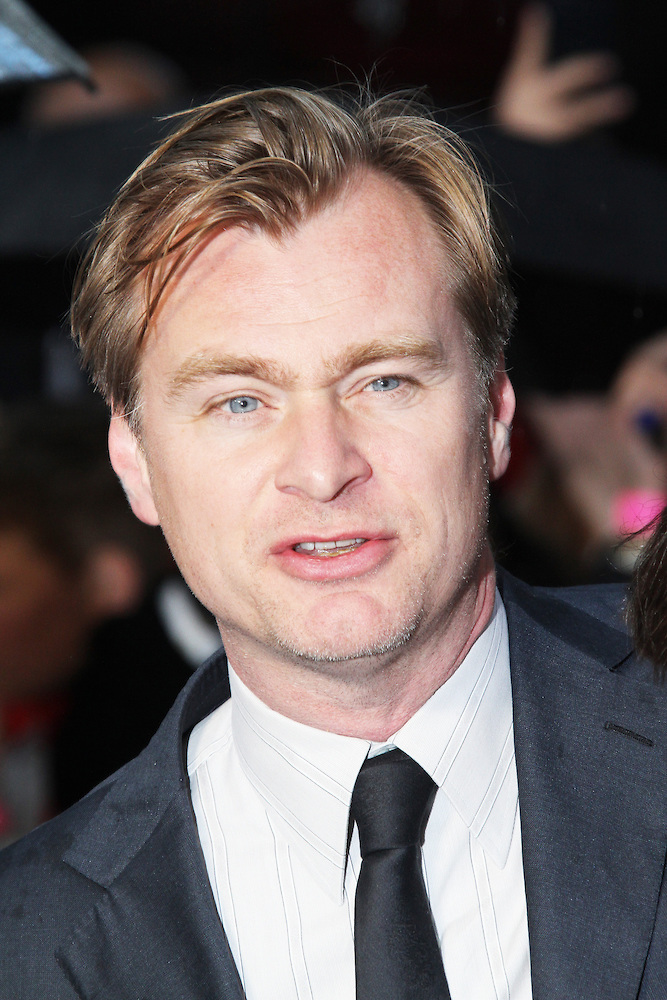

Photo: Richard Goldschmidt (piqtured.com), 2013, CC BY 3.0 · Wikimedia Commons, 'Christopher Nolan, London, 2013.jpg' -- photograph by Richard Goldschmidt (piqtured.com), described on the file page as Christopher Nolan at the European premiere of Man of Steel in Leicester Square, London (uploaded 13 June 2013; the file page records 16 May 2013, a timestamp that precedes the film's 10 June 2013 world premiere and is therefore treated as unreliable, so only the year 2013 is used); the author publishes it under CC BY 3.0 (licence template naming Richard Goldschmidt) and his permission is recorded under a Wikimedia volunteer-response (VRTS) ticket, with the file in the 'Items with VRTS permission confirmed' category; no restriction template beyond the generic personality-rights notice. Original 667 x 1000 pixels, saved byte for byte unmodified (no crop, no resize, never upscaled). · CC BY 3.0
영화감독 · 현대
크리스토퍼 놀란
b. 1970
주요 업적 분야
아직 성격 매칭에 포함되지 않았습니다 — 기록된 근거가 성격 모델 전체를 다루기에는 충분하지 않습니다. 이 페이지의 다른 모든 내용은 자유롭게 확인하실 수 있습니다.
핵심 특성
주요 업적
그는 이야기를 거꾸로 풀어 가는 스릴러 『메멘토』(2000)로 이름을 알렸고, 이 작품으로 아카데미 각본상 후보에 올랐다. 이어 배트맨 3부작(2005~2012)을 연출했다. 브리태니커는 『배트맨 비긴즈』를 슈퍼히어로 영화가 사실성 쪽으로 옮겨 가는 흐름의 선구로 평하고, 『다크 나이트』는 역대 최고 흥행작 중 하나가 되었다고 쓴다.
그는 규모가 크고 개념적으로 야심 찬 영화 『인셉션』(2010), 『인터스텔라』(2014), 『덩케르크』(2017), 『테넷』(2020)을 쓰고 연출했다. 브리태니커는 그를 디지털 방식보다 아날로그 필름 기술을 앞장서 옹호하는 인물로 소개하며, 『오디세이』(2026)가 아이맥스 필름으로만 촬영한 최초의 장편이라고 쓴다.
J. 로버트 오펜하이머가 원자폭탄 개발에서 맡은 역할을 다룬 『오펜하이머』(2023)는 2024년 아카데미상 7개 부문을 받았다. 작품상은 제작자 에마 토머스, 찰스 로벤, 놀란에게, 감독상은 놀란에게 돌아갔다. 브리태니커는 이를 후보 여덟 번 끝에 얻은 그의 오스카 두 개로 센다.
삶의 장면들
프로덕션 디자이너 루스 드 종은 팟캐스트 '팀 디킨스'에서 놀란이 『오펜하이머』의 촬영 일정을 계획했던 85일에서 55일로 줄였고, 아낀 돈으로 로스앨러모스를 시각효과에 기대지 않고 실제 세트로 지을 수 있었다고 말했다. TheWrap이 2023년 이를 전했다. 마을을 짓는 데 처음 잡은 예산은 2천만 달러였으나 크게 줄여야 했다고 한다.
영화를 어떻게 만들어야 하는지에 대한 확고한 구상에 맞춰 일정과 예산을 짜는 태도와 일치한다. 계획 지향
여러 도시의 관객이 『인터스텔라』의 대사가 음악과 효과음에 묻힌다고 불평하자, 놀란은 『할리우드 리포터』에 이 믹스가 숙고한 선택이라고 밝혔고, 슬래시필름이 2014년 이를 전했다. 그는 명료함이 대사로만 얻어진다고 생각하지 않으며, 몇몇 대목에서는 대사를 효과음처럼 다뤘고, 보통 여섯 곳이나 일곱 곳의 극장을 찾아 관객이 듣는 그대로 영화를 확인한다고 말했다.
관객의 불만 앞에서도 숙고한 창작상의 결정을 지켜 내려는 태도와 일치한다. 독립적 사고
전환점
2003년 『메멘토』와 『인썸니아』 이후 워너브라더스는 놀란에게 새 배트맨 영화를 맡겼다. 혹평을 받은 『배트맨 앤 로빈』(1997) 이후 처음 나오는 배트맨 영화였다. 브리태니커에 따르면 2005년 『배트맨 비긴즈』는 주인공의 기원을 이전 배트맨 영화보다 어둡고 현실적인 배경과 분위기로 그렸고, 슈퍼히어로 영화가 사실성 쪽으로 옮겨 가는 흐름의 선구가 되었다.
이미 자리 잡은 장르의 관습을 다시 짜는 일을 마다하지 않는 태도와 일치한다. 실험 성향
비슷한 인물
전체적인 프로필이 이 사람과 닮은 사람들이에요.


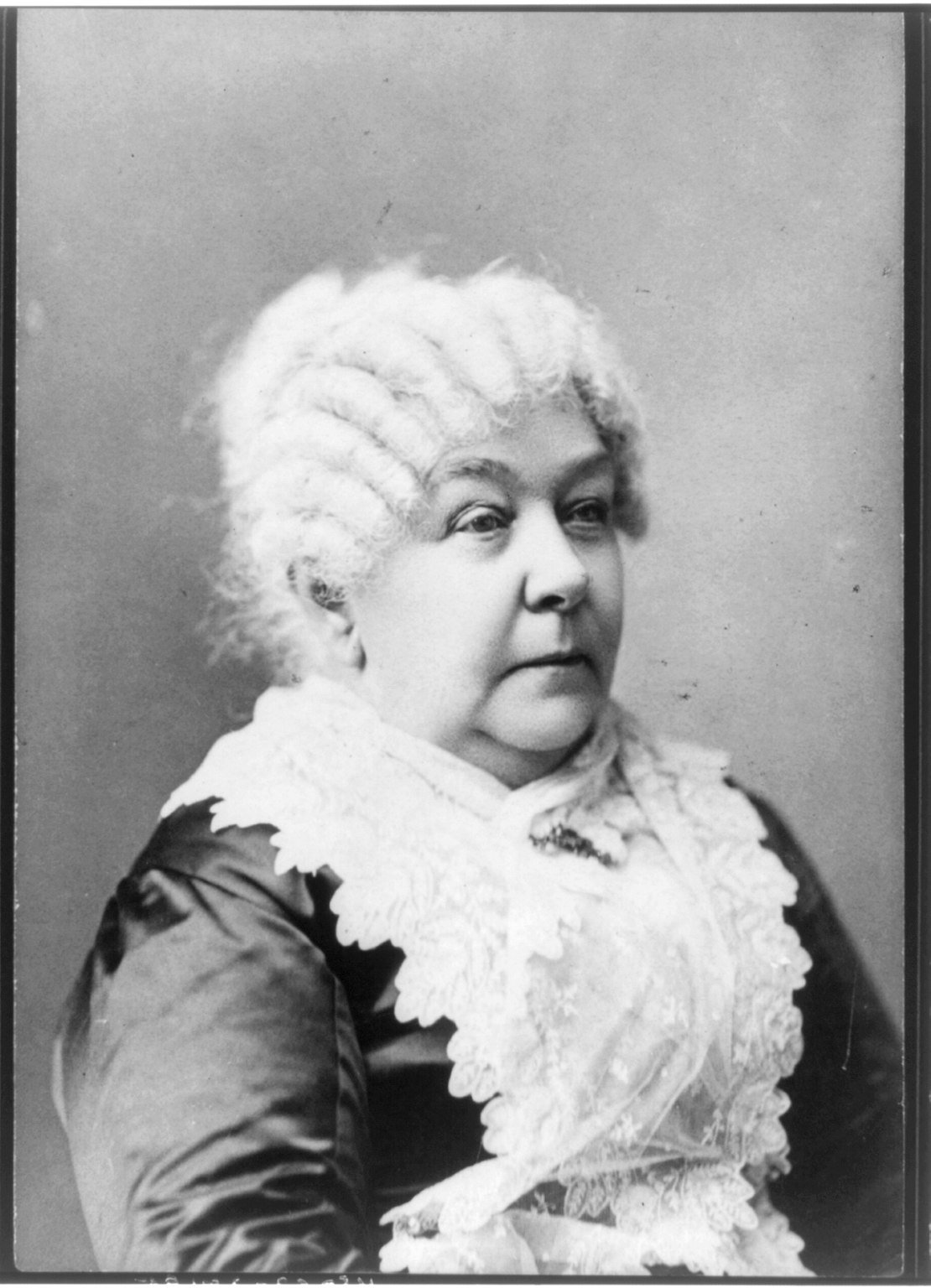
엘리자베스 케이디 스탠턴

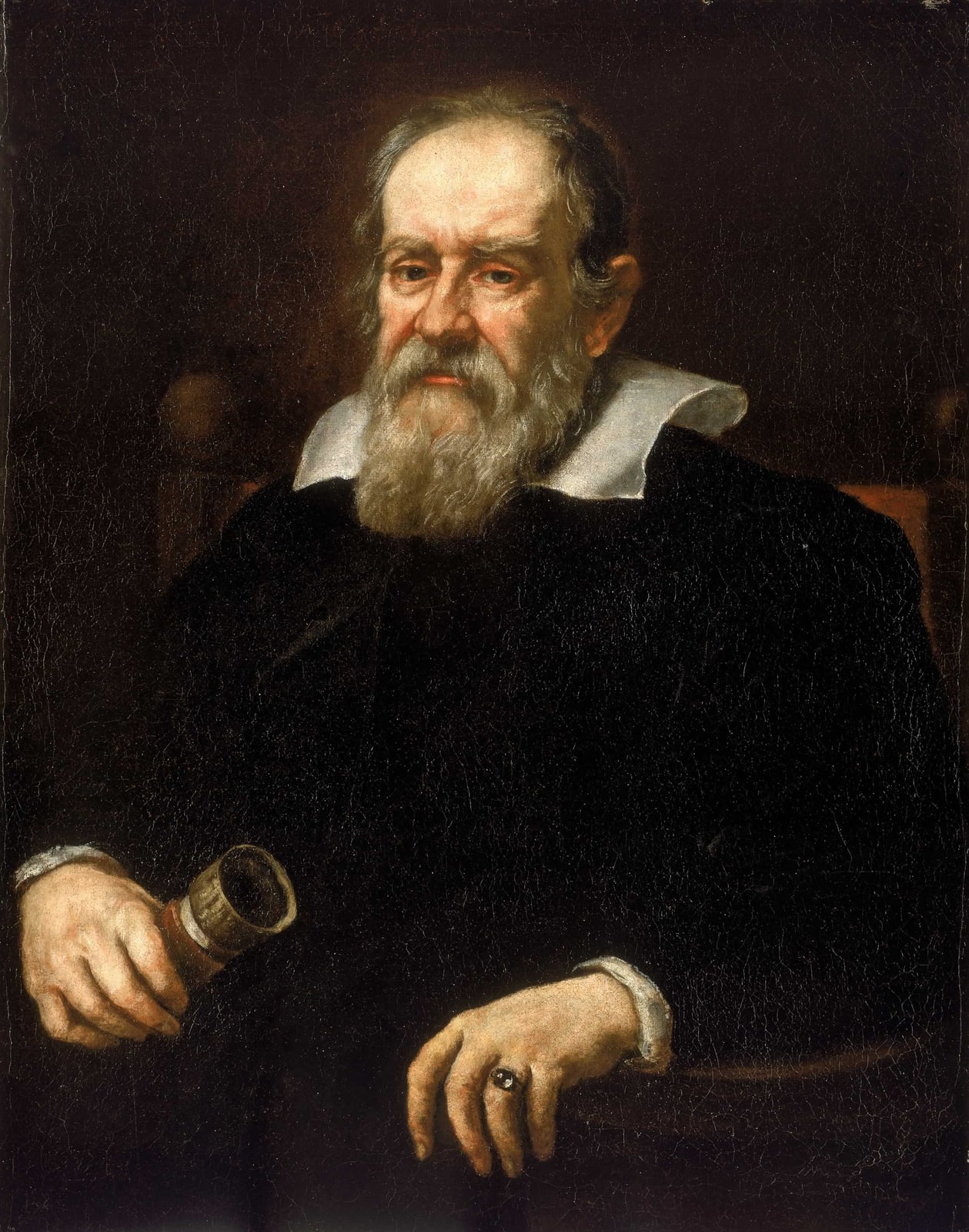
갈릴레오 갈릴레이

소르 후아나 이네스 데 라 크루스

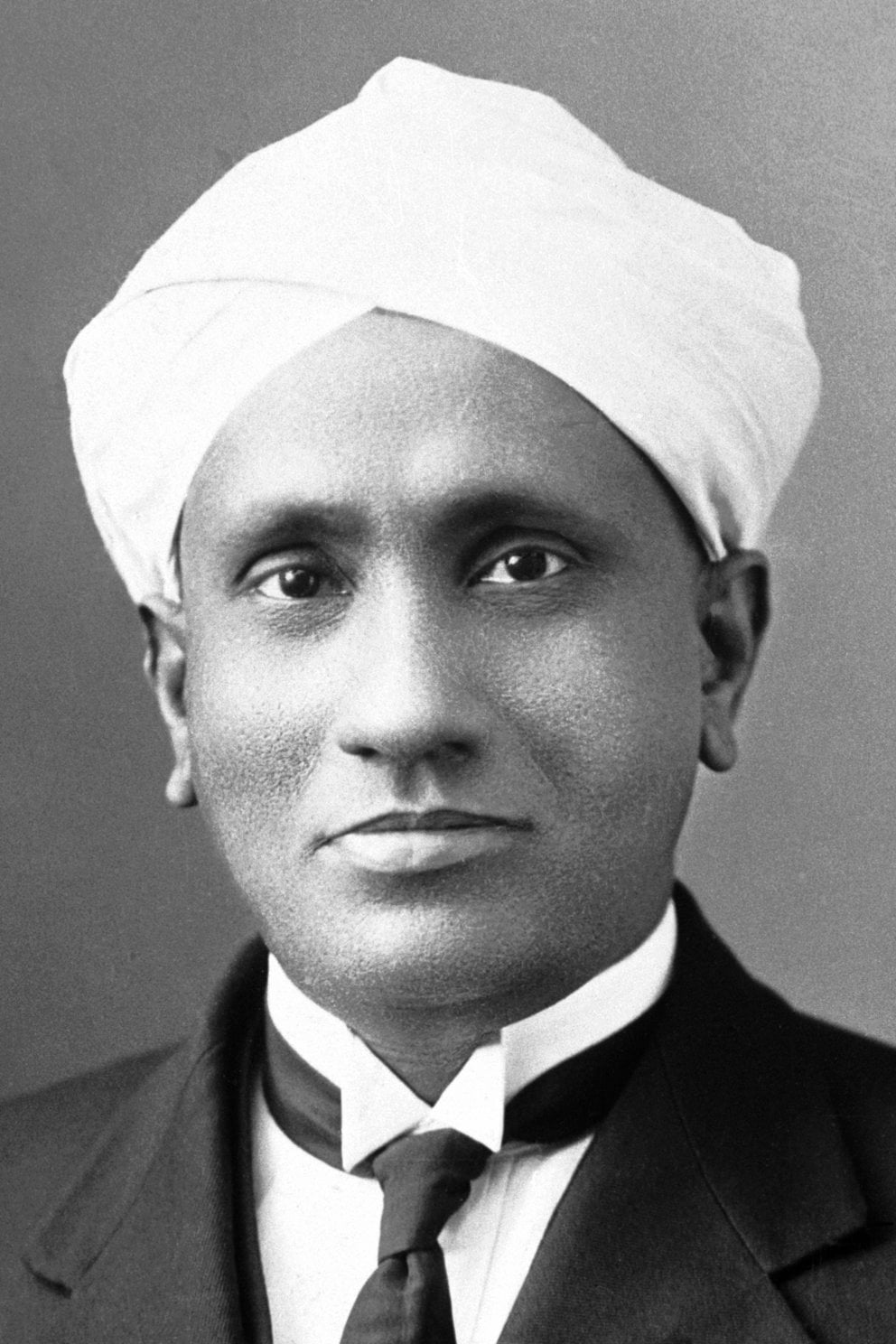
C. V. 라만

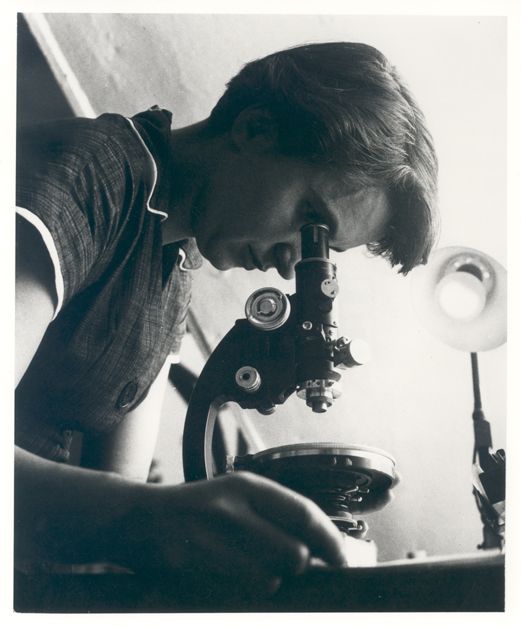
로절린드 프랭클린
출처
- Christopher Nolan (Q25191) -- verified live via the Wikidata API (2026-10-16): English label 'Christopher Nolan', description 'English and American filmmaker (born 1970)', born 30 July 1970, no date of death, citizenship United Kingdom and United States, Korean label present. Orientation only; not used as support for any row.
- Encyclopaedia Britannica, 'Christopher Nolan' (article by Melissa Albert, fact-checked by Britannica's editors; page last updated 22 September 2026) -- encyclopaedia biography read in full, all sections: a British film director and writer known for a noirish visual aesthetic and unconventional, often highly conceptual narratives; Memento (2000) as his breakthrough (a reverse-order storyline adapted from his brother Jonathan's short story, nominated for the original-screenplay Oscar); Batman Begins (2005) as a grimmer, more realistic film that became a forerunner of a move toward realism in superhero films; The Dark Knight (2008) as one of the highest-grossing movies of all time; Inception, Interstellar, Dunkirk and Tenet; Oppenheimer (2023) winning Best Picture and Best Director, his two Academy Awards from eight nominations; and the statement that he is a noted advocate of analog film technologies rather than digital formats, with The Odyssey (2026) the first feature shot entirely on IMAX film. CANONICAL SIGNIFICANCE SOURCE (encyclopaedic assessment of his primary contribution; honouring but factual in tone, used for the achievement cards and orientation and never alone for a behavioural row). Passages on his family and schooling were not used.
- Academy of Motion Picture Arts and Sciences, '96th Academy Awards | 2024' ceremony page (oscars.org) -- the Academy's own winners record: Oppenheimer won seven awards on 10 March 2024 at the Dolby Theatre (Best Picture, Directing, Actor in a Leading Role, Actor in a Supporting Role, Cinematography, Film Editing and Music (Original Score)), with Best Picture credited to producers Emma Thomas, Charles Roven and Christopher Nolan and Directing to Christopher Nolan. Institutional record of the result only; the page contains no statements by Nolan and supports no trait row. NOTE: read through the harness's web-extraction tool, which returns summaries and short excerpts; the facts used (the seven categories, the credited names, the date) are stated plainly and match Britannica.
- Iain Marcks, 'Christopher Nolan on Oppenheimer', American Cinematographer (October 2023 issue; web page posted 4 October 2023) -- trade-magazine Q&A with Nolan (self): his stated rule of choosing the best tools for image quality and for drawing the audience in, which for him means photochemical film and especially 65mm IMAX; keeping his main team (cinematographer Hoyte van Hoytema, visual-effects supervisor Andrew Jackson, special-effects supervisor Scott Fisher and production designer Ruth De Jong) in constant contact and seeing his role as keeping their conversation going; the camera-placement idea of 'following the ball'; the first run of 65mm black-and-white Double-X stock developed with Kodak, FotoKem and van Hoytema's team; and his recollection that The Dark Knight was the first Hollywood feature shot in IMAX (a recollection that is not used in any card). Self material, used only as supporting evidence beside independent sources. NOTE: read through the harness's web-extraction tool, which returns summaries and short excerpts, so only paraphrases are used; passages on the Trinity-test effects and lighting were not used.
- Eileen AJ Connelly, 'Christopher Nolan Cut 30 Days From Oppenheimer Filming to Boost Budget for Los Alamos Set', TheWrap, 29 August 2023 -- trade-press report of production designer Ruth De Jong's account on the Team Deakins podcast: Nolan shortened the shoot from a planned 85 days to 55 so that the savings could pay for rebuilding Los Alamos without relying on visual effects; the first budget for building the town was $20 million and was scaled back significantly; she made every building in 360 degrees so the cameras could shoot from many angles; she watched the dailies every night and checked with Nolan and van Hoytema that no changes were needed; and she says Nolan knows exactly what he wants and how he wants to do it, and that she respects that. A collaborator's account relayed by a trade outlet, admiring but specific; the passages on the White House rooms and the presidential-library arrangement were not used and one quotation comparing Nolan with other directors was not used because its published wording is ambiguous. Read in full.
- Steve Hullfish, 'Art of the Cut with Lee Smith, ACE, on Dunkirk', ProVideo Coalition, 4 August 2017 -- editor-to-editor interview with Nolan's editor (whose introduction lists Batman Begins, The Prestige, The Dark Knight, Inception, The Dark Knight Rises and Interstellar among their films together): the Dunkirk score built on Nolan's idea of using his ticking stopwatch, with Zimmer's original material and a modified Elgar piece as the only temp music; a silent first assembly because the IMAX cameras' noise made sync sound useless; the Stuka siren and the underwater torpedo scene reworked many times; the plan to exhaust practical methods before computer-generated help (about 96 percent real photography, no green screen for the planes); a script that was a strong blueprint with some modifiable areas, no reshoots 'as usual with Chris', Nolan's saying that there are a thousand ways to cut a scene but only one right way; the modified Elgar idea; and the editorial team's own music editors working with composer Hans Zimmer. First-hand collaborator's account, admiring but specific and including the strain of the process; passages on Smith's own editing habits and on other films were skimmed and not used. Read the passages on Nolan in full.
- David Heuring, 'Dream Thieves: Wally Pfister, ASC and Christopher Nolan on Inception', American Cinematographer (July 2010 issue; web page dated 13 July 2025) -- trade-magazine feature on the film's photography: Nolan's and Pfister's aim of photographic realism for the dream worlds; 35mm anamorphic chosen as the main format for its controllability, light cameras and the crew's experience, with the extensive handheld work Nolan wanted ruling out IMAX (Pfister operated handheld himself), 65mm for large set pieces and VistaVision for aerials; formats considered and set aside (Pfister found Super Dimension 70 had an almost hyper-HD quality they could not get around); the Cardington hangar used as a base for preparation and a stable crew; the hotel hallway built twice (a rotating version and a vertical one) and other in-camera builds; Nolan's reasons for choosing film and for rarely using high-speed photography; and the physical difficulties for actors and the safety measures. Collaborator's account alongside Nolan's own statements (self); the article contains no explicit criticism of the production. NOTE: read through the harness's web-extraction tool, which returns summaries and short excerpts, so only paraphrases are used and only as supporting evidence; passages on lenses, exposure and individual stunts were not used.
- Germain Lussier, 'Christopher Nolan Finally Responds To Interstellar Sound Controversy', /Film (Slashfilm), 16 November 2014 -- trade-press report that audiences in several cities complained that dialogue in Interstellar was blown out by effects and music, that no one would comment at first, and then Nolan's response to The Hollywood Reporter (quoted): he has always loved impressionistic sound, does not agree that clarity comes only through dialogue, treated dialogue as a sound effect in places, usually visits six or seven theaters to hear his film where audiences will, and expects an unconventional mix to catch some people off guard; the mix took months. A report that sets audience complaints beside Nolan's own statements (self); the original Hollywood Reporter interview was not opened. Read in full.
- Matt Zoller Seitz, review of 'Dunkirk', RogerEbert.com, 21 July 2017 -- independent critic's review: calls the film lean, ambitious and unsentimental and says it shows both the best and the worst of Nolan's tendencies; notes scenes that play for minutes without audible dialogue, a rarity in Nolan's own films, which tend to clarify narrative through exposition; describes the 70mm IMAX presentation, longer-held shots, the cross-cutting of a week, a day and an hour by editor Lee Smith (who, he says, has edited Nolan's films since Batman Begins) and the ticking-clock backbone of Hans Zimmer's score; and criticises the characters' anonymity, the overuse of the score and an over-intellectualised treatment of a simple story. Independent critic's assessment of the work rather than of private behaviour; the passages on individual actors were not used. Read the review's main text in full.
- Russ Fischer, 'J.J. Abrams, Christopher Nolan And Quentin Tarantino Help Keep Film Stock In Production', /Film (Slashfilm), 30 July 2014 -- trade-press summary of a Wall Street Journal report: Kodak was close to closing its Rochester plant as film sales collapsed, studios agreed to buy set quantities of film each year, and Tarantino, Nolan, Abrams and Judd Apatow lobbied studio executives to make the deal. A secondary retelling of the Wall Street Journal report, which was not opened; Nolan's role is stated in a single sentence and the article's quotations (whose speaker is ambiguous in the text) were not used. Read in full.
- Wikimedia Commons file page 'Christopher Nolan, London, 2013.jpg' -- checked for the portrait's licence: photograph by Richard Goldschmidt (piqtured.com), described as Nolan at the European premiere of Man of Steel in Leicester Square, London; published under CC BY 3.0 with the licence template naming the author; the author's permission is recorded under a Wikimedia volunteer-response (VRTS) ticket, and the file sits in the 'Items with VRTS permission confirmed' category; no restriction template beyond the generic personality-rights notice; the recorded date (16 May 2013) is inconsistent with the film's premieres, so only the year is used. Not used for any scoring.