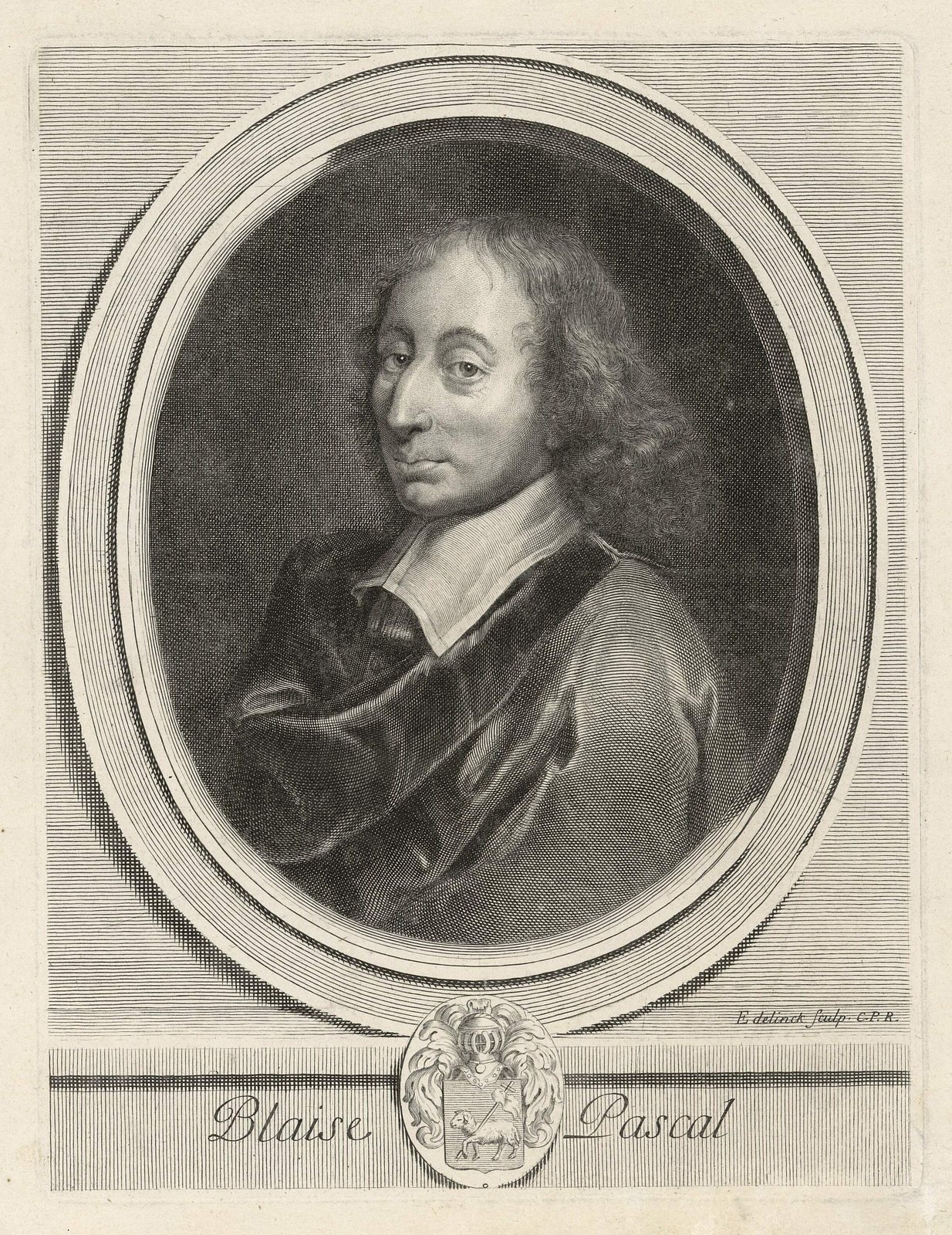

Gérard Edelinck, portrait of Blaise Pascal after François II Quesnel, engraving, c.1691; Clermont Auvergne Métropole, Bibliothèque du patrimoine (GRA 6025); reproduction CC BY-SA 4.0; cropped and downscaled · Gérard Edelinck, copper engraving after François II Quesnel, c.1689-1692 (probably 1691), Bibliothèque du Patrimoine de Clermont Auvergne Métropole (GRA 6025), via Wikimedia Commons (cropped scan) · Public domain (17th-century engraving); library reproduction released under CC BY-SA 4.0
핵심 특성
주요 업적
1654년 여름 파스칼은 피에르 드 페르마와 편지를 주고받으며, 도박이 끝나기 전에 중단되었을 때 판돈을 어떻게 나눌지 하는 문제를 서로 다른 방법으로 풀었다. 수학자들은 확률론의 출발점을 이 서신 교환에서 찾는다. 같은 해 파스칼은 이항계수 표를 체계적으로 다룬 《산술 삼각형론》을 썼는데, 이 글은 수학적 귀납법에 해당하는 증명 방식을 사용했고 그의 사후에야 출간되었다. 이 삼각형 자체는 이전 여러 전통에서 이미 알려져 있었으므로 파스칼이 발명한 것은 아니다.
파스칼은 1646~47년에 토리첼리의 수은 기압계 실험을 이어받아 《진공에 관한 새 실험》을 펴냈다. 1647년 11월 그는 매제 플로랭 페리에에게 퓌드돔 산에서, 자연이 진공을 싫어해서 생기는 것으로 여겨지던 현상이 실은 공기의 무게 때문인지 시험해 달라고 부탁했고, 1648년 9월 19일 페리에는 정상의 수은주가 산기슭보다 약 3인치 낮다는 것을 확인했다. 1650년대 초에 쓰여 그의 사후에 출간된 《액체의 평형론》은 지금 파스칼의 법칙이라 불리는 유체 압력의 원리를 정리했고, 압력의 SI 단위도 그의 이름을 땄다. 데카르트 등은 측정값은 받아들였지만 수은 위의 공간이 진짜 진공이라는 해석에는 이의를 제기했다.
1642년부터 파스칼은 오늘날 '파스칼린'이라 불리는 계산 기계를 연구했다. 놋쇠와 흑단으로 만든, 자리올림이 자동으로 되는 덧셈·뺄셈 기계였다. 그 자신의 편지와 1649년의 왕실 특허장에 따르면 그는 한 가지 모델을 정하기까지 50가지가 넘는 모델을 만들었고, 원형 기계 약 여덟 대가 지금도 남아 있다. 이것이 최초의 계산 기계는 아니어서, 빌헬름 시카르트가 1624년에 이미 하나를 만들었고, 파스칼의 기계는 잘 팔리지 않아 1652년경 생산이 끝났다.
1656년 1월부터 1657년 3월까지 파스칼은 《시골 친구에게 보낸 편지》(프로뱅시알) 18편을 익명으로 발표했다. 신학자 앙투안 아르노를 소르본의 견책에서 변호하고 이어 예수회의 도덕 교리를 공격한 글로, 학자들의 라틴어가 아니라 일반 독자를 위한 생생한 프랑스어로 쓰였다. 이 편지들은 널리 퍼졌고 1657년 로마에서 단죄를 받았으나, 그의 방법을 비판한 평자조차 프랑스 산문의 걸작이라 불렀다. 기독교를 변호하려고 남긴 미완의 메모 《팡세》는 1670년 그의 사후에 출간되었으며 '파스칼의 내기'로 알려진 논증을 담고 있다.
삶의 장면들
1645년 파스칼은 자신의 계산기를 세귀에 대법관에게 헌정하는 글에서, 장인들이 자신이 설계한 것을 만들어 내지 못했고 루앙의 한 시계공이 쓸모없는 모조품을 만들자 직공들을 모두 내보내고 이 일을 포기하기로 마음먹었다고 적었다. 대법관의 권유로 그는 이 기계의 작업을 다시 시작했다.
이 일화는 이 프로필의 끈기를 보여 주는 한 사례이다. 몇 해에 걸쳐 거의 포기했다가 다시 시작한 일이 기록으로 남아 있지만, 그 내용은 대부분 파스칼 자신의 편지에 기대고 있다. 끈기
1656년 1월, 아르노가 직접 쓴 변론문이 포르루아얄의 친구들을 움직이지 못하자 아르노는 파스칼에게 젊은 당신이 뭔가 해 보라고 말했고, 이튿날 파스칼이 첫 번째 편지를 가져오자 아르노는 곧바로 인쇄하게 했다. 연작의 교정을 도운 니콜은 파스칼이 편지 한 통에 스무 날이나 매달리기도 했고 어떤 편지는 일고여덟 번 다시 썼다고 말했다고 전해지며, 열여섯 번째 편지는 '더 짧게 쓸 여유가 없었다'며 길이에 대해 사과한다.
이 일화는 이 프로필의 설득력과 맞아떨어진다. 첫 편지는 아르노의 전문적인 글이 닿지 못한 독자를 겨냥해 쓰였고, 니콜이 전하는 거듭된 퇴고는 각 편지가 어떻게 읽힐지에 쏟은 공을 짐작하게 한다. 설득력
전환점
1654년 말 파스칼의 작업은 방향을 틀었다. 1654년 11월 23일 밤의 종교적 체험을 겪은 뒤, 그는 이 체험을 적은 쪽지를 죽을 때까지 옷 속에 꿰매어 지녔고, 페르마와의 수학 서신 교환을 끝냈으며 인쇄 직전이던 진공에 관한 작은 책의 출간도 접었다. 1656년부터는 《시골 친구에게 보낸 편지》에 이어 기독교를 변호하기 위한 메모 등 신학적인 글을 썼고, 수학으로는 1658~59년에 사이클로이드 문제로 잠깐 돌아왔을 뿐이다.
이 전환은 이 프로필이 보여 주는 여러 분야에 걸친 폭과 나란히 놓인다. 1654년 이후 그의 작업은 그전 몇 해의 수학·물리학과 다른 분야에 속했지만, 자료들은 이 변화의 원인을 종교적인 말로 설명하고 있어 여기서는 더 해석하지 않는다. 분야 횡단성
비슷한 인물
전체적인 프로필이 이 사람과 닮은 사람들이에요.


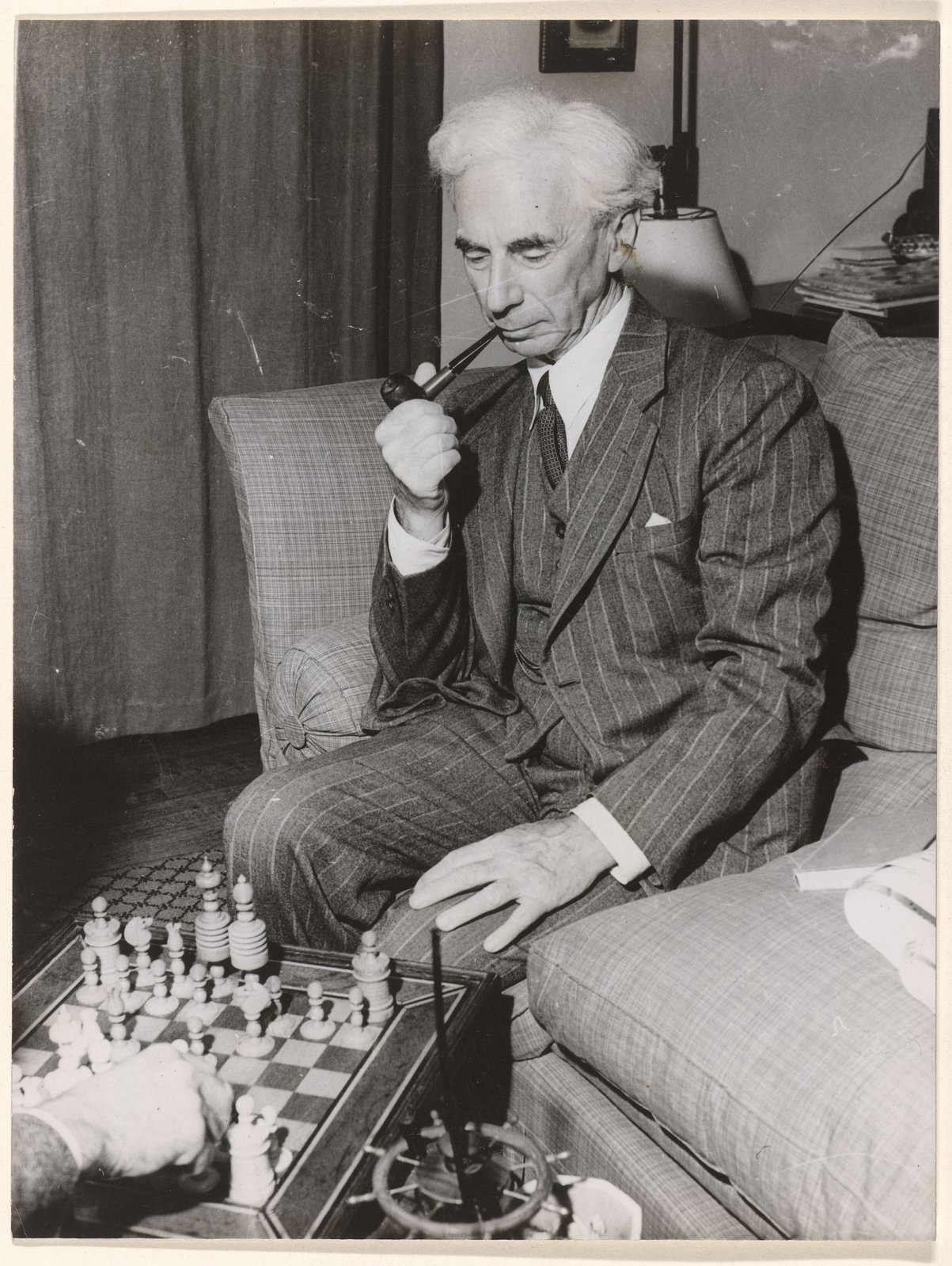
버트런드 러셀

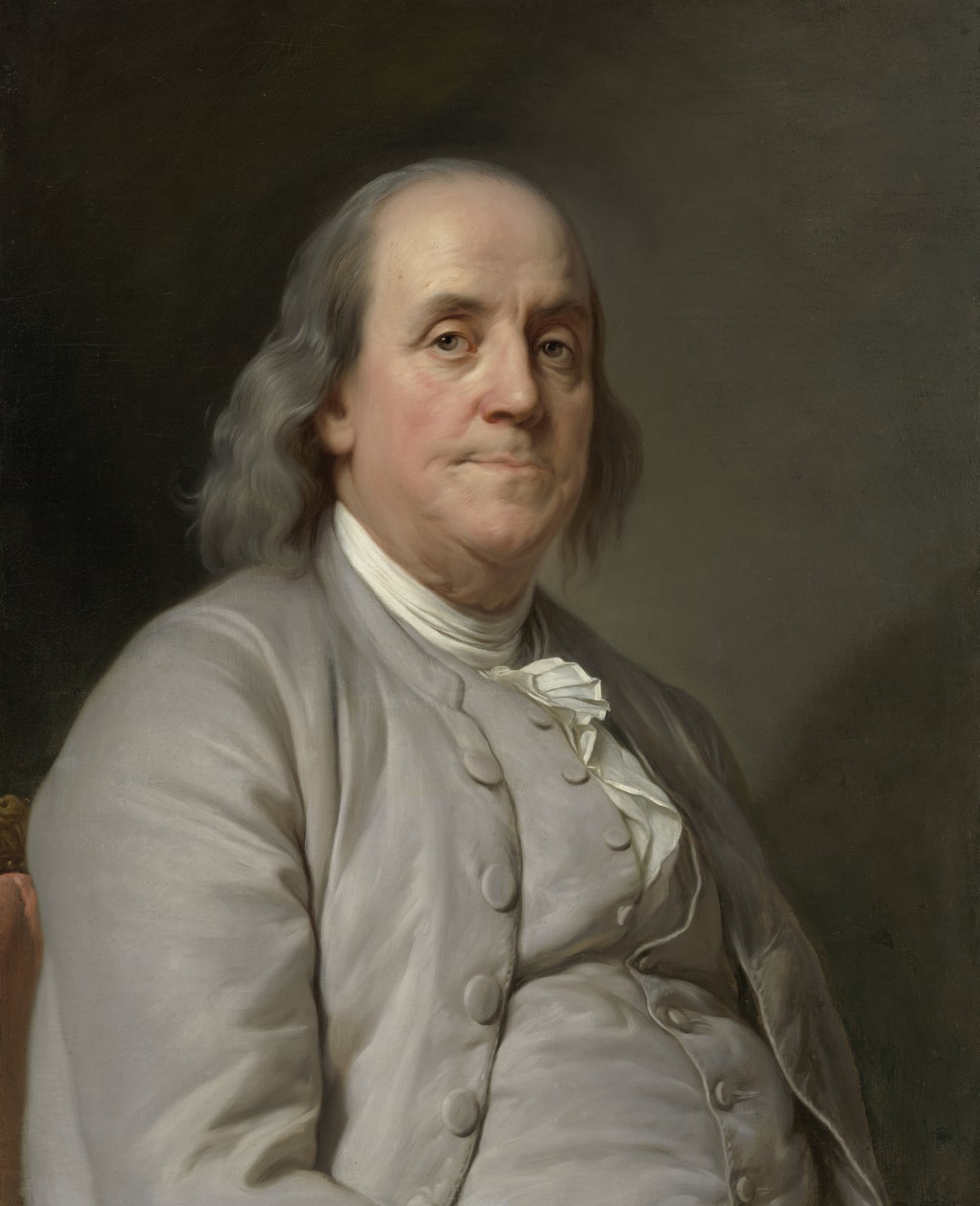
벤저민 프랭클린

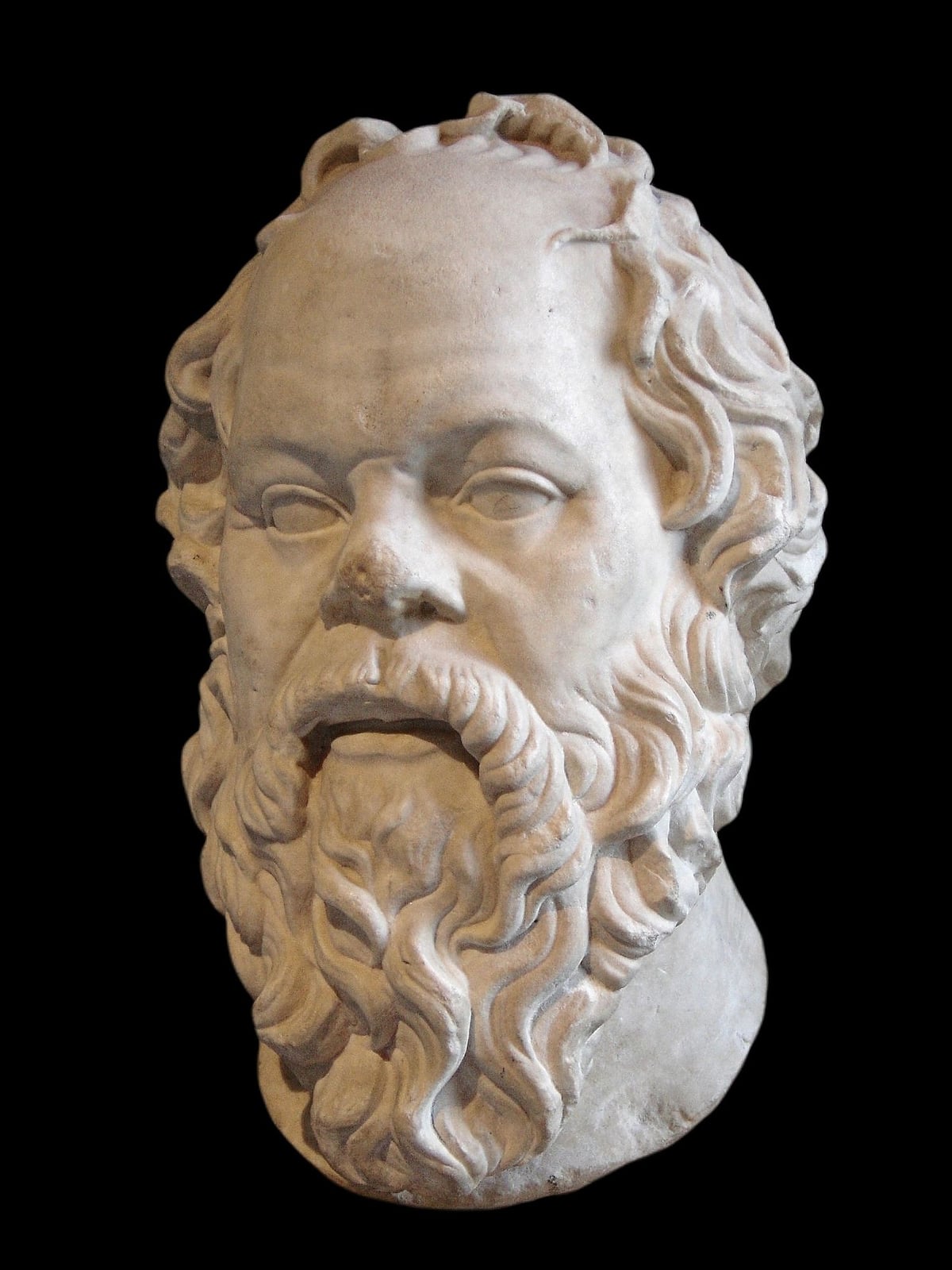
소크라테스

표도르 도스토옙스키

레오나르도 다빈치
출처
- Blaise Pascal (Q1290) -- verified live via wbgetentities (2026-10-04): en label 'Blaise Pascal', description 'French mathematician, physicist, inventor, writer, and Christian philosopher (1623-1662)', P569 19 Jun 1623, P570 19 Aug 1662, citizenship Kingdom of France (Q70972), instance of human, ko label '블레즈 파스칼' with a kowiki sitelink, P18 two images (Edelinck engraving, Versailles painting). Orientation only; not used as support for any row.
- Blaise Pascal, English Wikipedia (opening summary read 2026-10-04) -- orientation only; used to check the outline of his career and the standard list of contributions; not used as support for any scored row.
- J. J. O'Connor and E. F. Robertson, 'Blaise Pascal', MacTutor History of Mathematics Archive, University of St Andrews (last updated 1996) -- scholarly biographical summary (non-self) drawing on Adamson, Taton and the Dictionary of Scientific Biography; read in full. Used for the dated outline of his mathematics and physics (conics 1639-40, calculator from 1642, vacuum experiments 1646-48, hydrostatics 1653, the 1654 correspondence with Fermat, the 1658 cycloid contest). Its date of 'June 1647' for Descartes's letter to Carcavi disagrees with Tulloch (1649) and is not used.
- Desmond M. Clarke, 'Blaise Pascal', Stanford Encyclopedia of Philosophy (first published 2007, substantive revision 2015) -- scholarly encyclopedia article (non-self), critical in places of Pascal's reasoning about experiment and hypothesis and of the family's hagiographic life. Read Section 1 (Life and Works) and Section 4 (Theory of Knowledge, including the vacuum dispute with Descartes and the puy-de-Dôme experiment) in full and skimmed Sections 2-3; Sections 5-6 not read. Its health and psychological passages (including the citation of Cole) are not used.
- John Tulloch, Pascal (Edinburgh and London: Blackwood, 1878; ed. Mrs Oliphant), Project Gutenberg eBook #26726 -- Victorian Protestant scholar's biography (non-self), sympathetic but openly critical of Pascal's zeal in the 1646 Rouen affair of the Capuchin Jacques Forton and of the later austerities; draws on Gilberte Périer, Jacqueline Pascal's letters, Cousin and Faugère. Read Chapters I and II in full (family, youth, the machine, the vacuum, Descartes, Noël, the cycloid, the carrosses), Chapter III to Jacqueline's entry into Port-Royal, Chapter IV from the 1654 conversion to Pascal's death (including the 1661 Formulary dispute) and the passages of Chapter V on the origin and reception of the Provincial Letters. Its medical and psychological commentary (Lélut, Voltaire on the 1654 'abyss') is not used.
- 'Blaise Pascal: l'homme, l'oeuvre', Bibliothèque du Patrimoine de Clermont Auvergne Métropole, with the Muséum Henri-Lecoq and the mathematics laboratory of Université Clermont Auvergne; texts prepared under the scientific supervision of Pascal specialist Dominique Descotes -- institutional heritage website (non-self; local and celebratory in tone). Read the pages on his life, the calculating machine and its eight surviving originals, the puy-de-Dôme experiment (with the dates of his letter and Périer's report), the arithmetical triangle and the origin of probability, the cycloid contest, the Provincial Letters, the Poitou drainage company and the carrosses à cinq sols.
- Pascal-Fermat correspondence on the problem of points, 1654, with the exchange of 1660: English translation of the texts in Tannery and Henry, Oeuvres de Fermat vol. II (York University history-of-statistics collection, 17 pp.), checked against the French of Pascal's letters of 29 July, 24 August and 27 October 1654 and Fermat's letters of 9 August and 25 September 1654 in the Brunschvicg-Boutroux edition (Hachette, 1923; Wikisource) -- PRIMARY correspondence from both men, including Fermat's letter to Carcavi about Pascal; Fermat is an independent peer perspective. Read those letters in French and the 1660 exchange in English; the long technical sections were skimmed. The York translation's 'I can no longer doubt that I was wrong' (29 July) renders 'je ne doute plus que je ne sois dans la verite' and is not used.
- Gilberte Périer, La Vie de M. Pascal (written 1662-63), as copied in Clermont manuscript MS 2810 (1680), Wikisource transcription -- FAMILY perspective (his elder sister; admiring, hagiographic and partisan in aim). Read the passages on his education, the calculating machine, the vacuum experiments, the Provincial Letters and the cycloid. Her accounts of his asceticism, illness and religious experience are not used.
- Blaise Pascal, dedicatory letter to Chancellor Séguier and 'Avis' to readers on the arithmetical machine (1645), with the royal privilege of 22 May 1649 (Wikisource transcription of the printed booklet) -- SELF account plus a royal chancery grant that recites his own petition. Read in full.
- Leon Brunschvicg, editorial introductions to the Pascal-Noël correspondence and to Pascal's letter to Florin Périer of 15 November 1647, in Oeuvres de Blaise Pascal, ed. Brunschvicg and Boutroux, vol. II (Paris: Hachette, 1923), Wikisource transcription -- SCHOLAR-editor (non-self) weighing Pascal, Noël, Mersenne, Roberval and Descartes against each other on the vacuum controversy and the origin of the puy-de-Dôme experiment. Read both introductions in full.
- Blaise Pascal, letter to Florin Périer of 15 November 1647 (as printed by Pascal in 1648) and reply to Father Étienne Noël (autumn 1647), in the Brunschvicg-Boutroux edition (1923), Wikisource transcription -- SELF. Read the Périer letter in full and the opening, methodological section of the reply to Noël.
- Father Étienne Noël, S.J., second letter to Pascal (late 1647), in the Brunschvicg-Boutroux edition (1923), Wikisource transcription -- ADVERSARY (Jesuit rector who defended the plenum against Pascal). Read the opening section.
- Thomas M'Crie (trans.), The Provincial Letters of Blaise Pascal, with historical introduction and notes (1847), Project Gutenberg eBook #73959 -- nineteenth-century Scottish Presbyterian translator's introduction (non-self; strongly sympathetic to Pascal and hostile to the Jesuits); reports Nicole's testimony on how Pascal drafted the Letters, their circulation and condemnation, the Jesuit replies of Father Daniel and the 1661 Formulary dispute. Read the introduction's account of their composition, reception and the Jesuit replies and the closing lines of Letter 16; the Letters themselves were not read through.
- Joseph Lataste, 'Blaise Pascal', Catholic Encyclopedia vol. 11 (New York, 1913), Wikisource transcription -- CRITICAL Catholic perspective (non-self): accepts Pascal's good faith and the substantial accuracy of his quotations but faults his method and his exclusive attack on the Jesuits. Read the biographical and Provincial Letters sections.