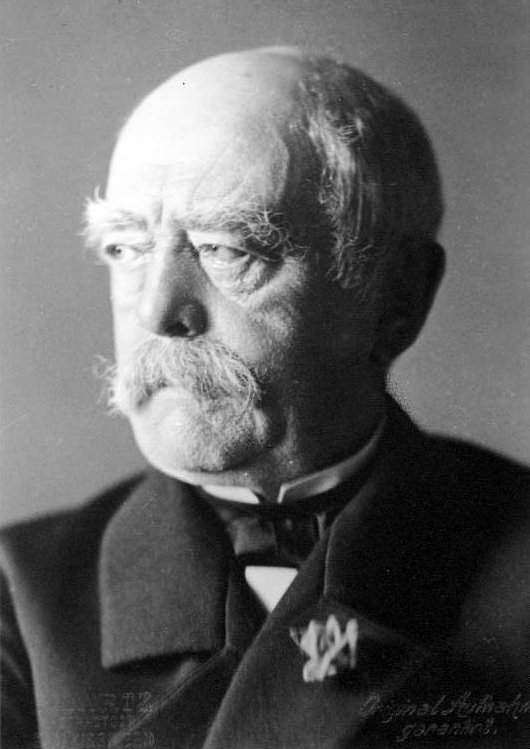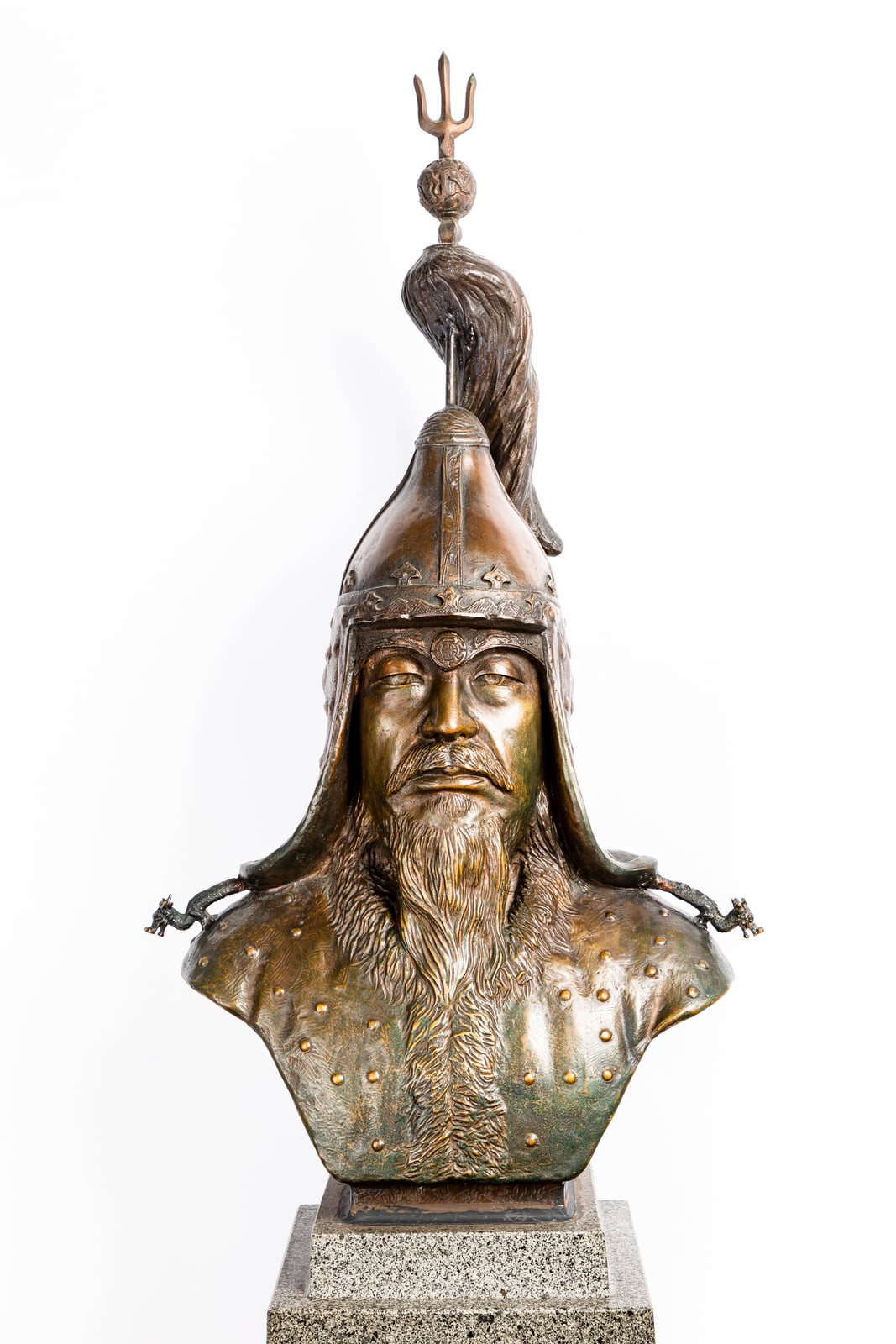
Yi Sun-sin
93% Profile Match
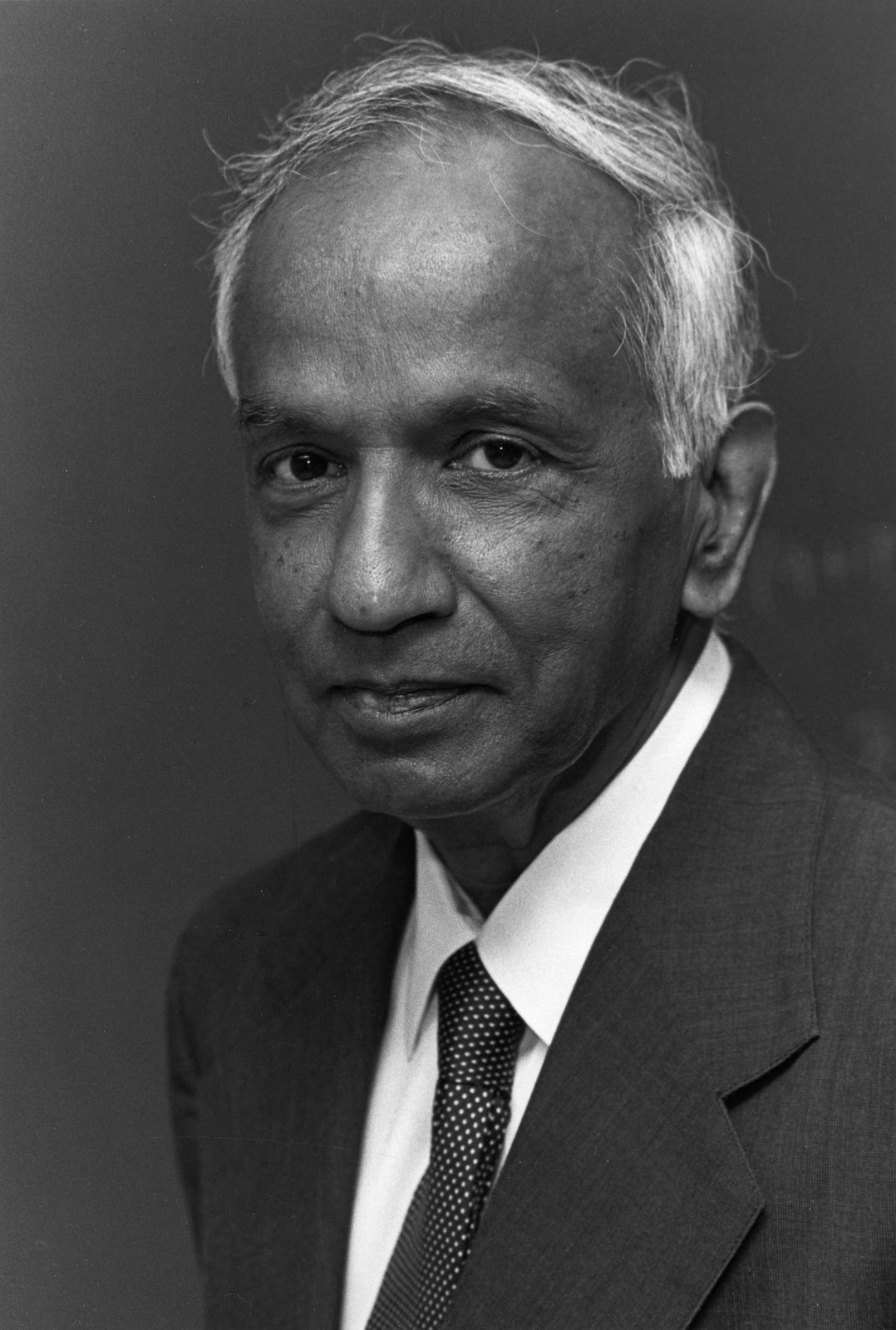
AIP Emilio Segrè Visual Archives, Gift of Kameshwar Wali · Wikimedia Commons · Free use with attribution, granted by the copyright holder (American Institute of Physics)
On the ship to England in 1930, before his graduate study had even begun, Chandrasekhar worked out the relativistic degenerate-electron-gas calculation showing that a sufficiently massive white dwarf cannot support itself against collapse — the reasoning that, decades later, underpins the modern theory of black holes.
In 1983 Chandrasekhar was awarded the Nobel Prize in Physics for that same 1930s work, fifty years after he first completed it.
At the January 1935 Royal Astronomical Society meeting, Arthur Eddington publicly declared Chandrasekhar's correct calculation must be wrong; no senior physicist present, including Fowler and Russell, spoke up in his defense, evidently intimidated by Eddington's preeminence.
A real, multi-year professional humiliation that he did not retract or publicly fight, choosing instead to leave the field, is the documented basis for the profile's conflict_tolerance score being scored dual-edged. Conflict Tolerance
From 1952 to 1971 Chandrasekhar personally managed the Astrophysical Journal — production, refereeing, and community politics — while maintaining his research and teaching output undiminished, a burden a colleague later described as continuing well beyond what he had ever intended.
In 1946 Chandrasekhar declined Princeton's offer of Henry Norris Russell's former position, at roughly double his Chicago salary, choosing to remain where his actual research conditions were no worse.
After the Eddington affair closed doors to him in England, Chandrasekhar rebuilt his career by shifting to a new research field roughly once a decade for the next fifty years — stellar dynamics, radiative transfer, hydrodynamic stability, and general relativity — rather than continuing to contest the same ground.
This sustained, multi-decade pattern of redirection rather than repeated confrontation is the documented instance behind the profile's persistence and adaptability scores. Persistence
People whose overall profiles resemble theirs.


Not a rival — a different profile shape worth a look.