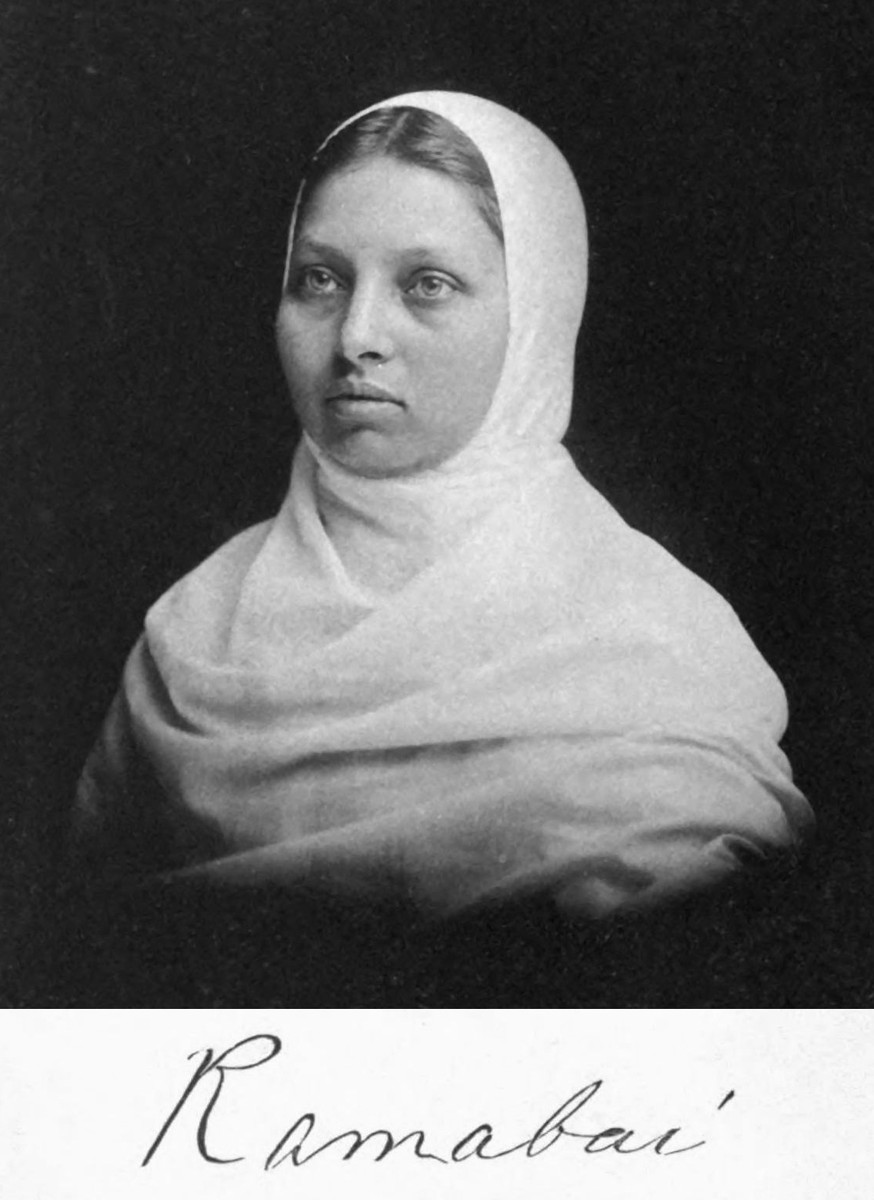
F. Gutekunst, phototype, in The High-Caste Hindu Woman (Philadelphia, 1887) · Frontispiece portrait with her signature in the first printing of 'The High-Caste Hindu Woman' (Philadelphia: Jas. B. Rodgers Printing Co., 1887), credited on the plate to F. Gutekunst, phototype. Published in the United States in 1887, so public domain on age grounds. Taken from the Internet Archive scan (University of California Libraries) and the Wikimedia Commons file, whose own date (1922) is wrong. Original 1125 x 1545 pixels, downscaled to 874 x 1200; no upscaling. The photograph's own date is not stated. · Public domain (published in the United States in 1887)
scholar · 19th Century
Pandita Ramabai
1858–1922
Known For
Not yet included in personality matching — the documented evidence doesn't yet cover enough of the personality model. Everything else on this page is fully available.
Trait Constellation
Key Achievements
In 1889 she opened the Sharada Sadan in Bombay, a residential school offering regular schooling and vocational training to Brahmin widows and girls, funded through the American Ramabai Association she had formed in 1887.
In 1882 she testified to the Hunter Education Commission on women's education and in 1887 published The High-Caste Hindu Woman in Philadelphia, which sold 10,000 copies within a year.
From 1896 she took famine victims into the Mukti Mission at Kedgaon, which grew to about 2,000 residents with trades training and a printing press, and she spent her last 18 years translating the Bible into Marathi; critics attacked her religious policy and the translation was judged not fluent.
Moments That Reveal Them
Faced with the Boston association's inquiry of around 1902 about religious freedom at the Sharada Sadan, she replied that all 123 students had chosen Christianity of their own accord, rather than softening the answer.
This is consistent with answering a challenge directly even when it risked her funding. Conflict Tolerance
To make the Sharada Sadan self-supporting before the ten-year American funding ended, she bought farmland near Kedgaon and built an orchard, dairy and printing press.
This is consistent with solving a funding problem by building the means to support the community herself. Resourcefulness
Turning Points
When famine struck central India in 1896 she visited the affected districts and began bringing children and women to Mukti at Kedgaon, shifting her work from a school for high-caste widows to a large mixed community.
This is consistent with expanding her work in response to an emergency rather than staying within the original project. Proactive Agency
Similar People
People whose overall profiles resemble theirs.


Nelson Mandela

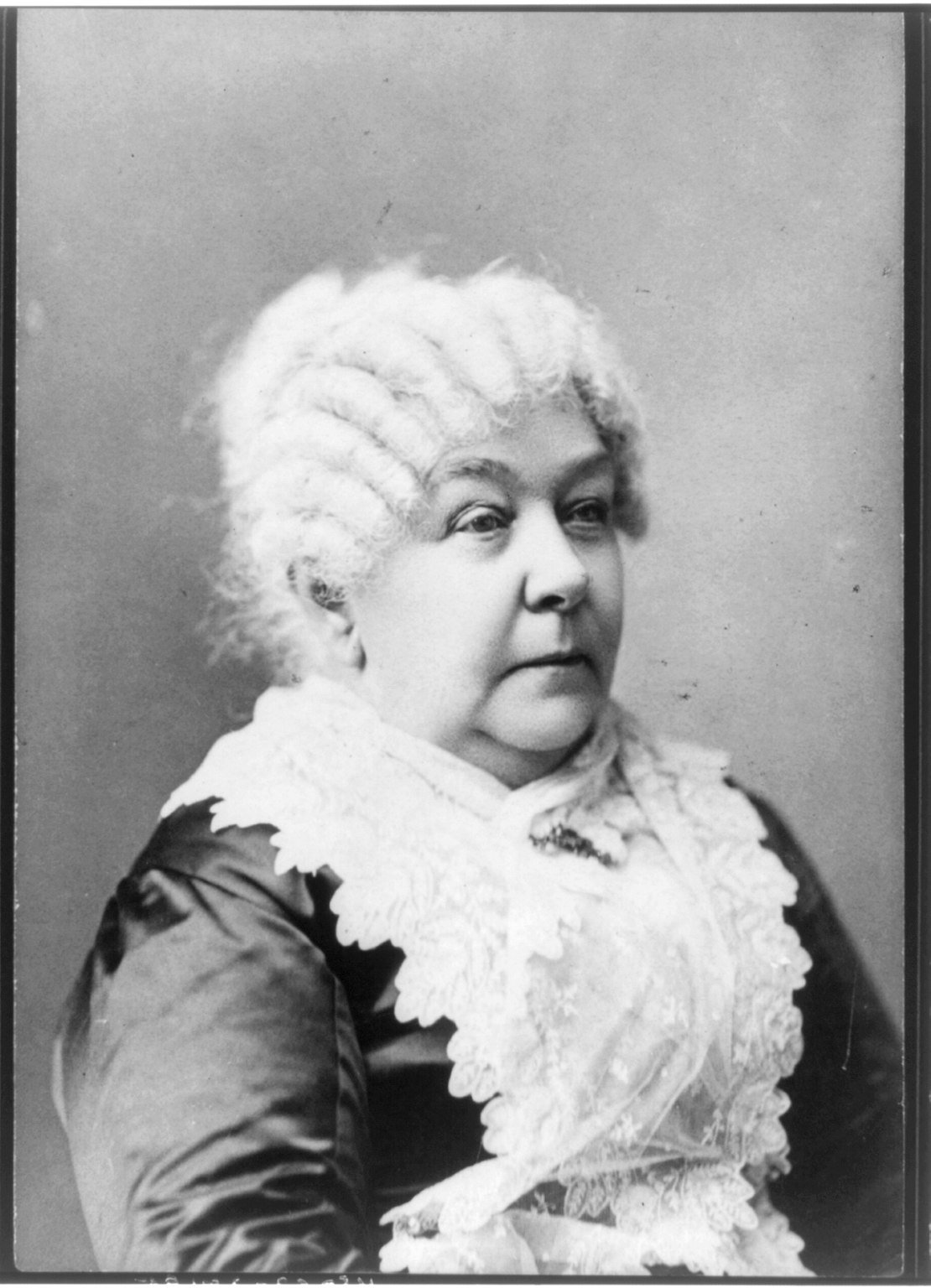
Elizabeth Cady Stanton

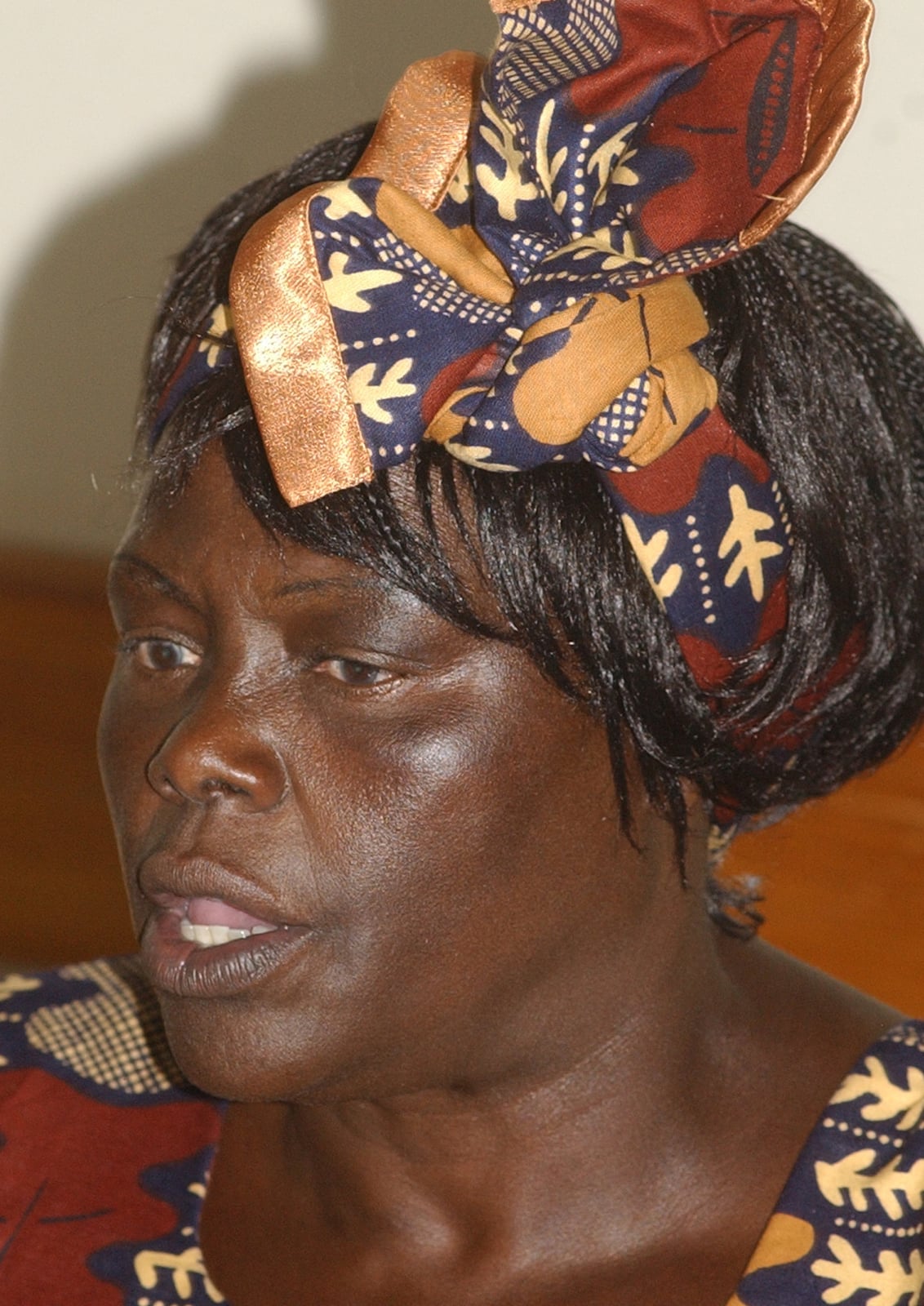
Wangari Maathai

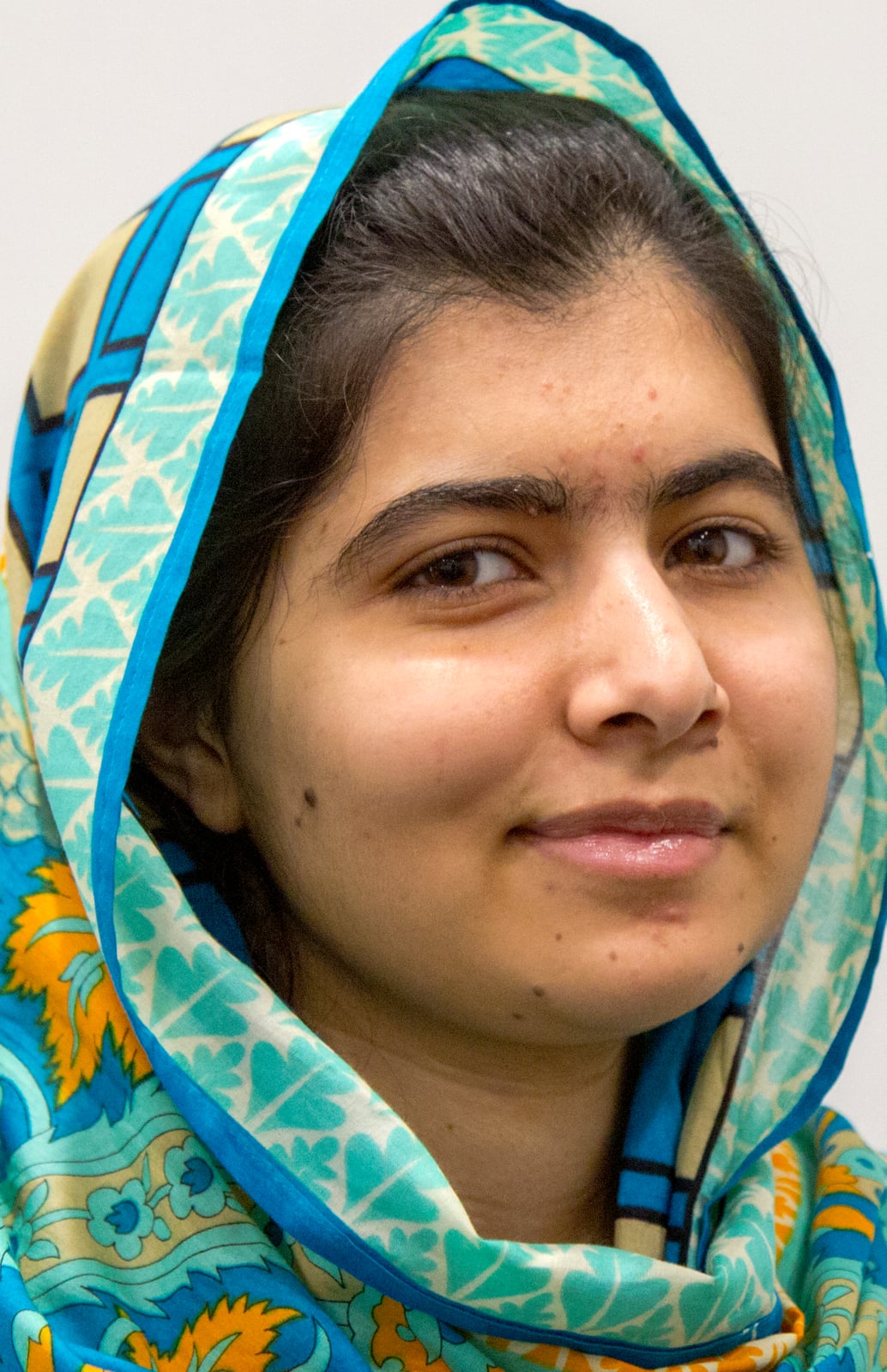
Malala Yousafzai

Miriam Makeba
Sources
- Pandita Ramabai (Q94889), verified live via the Wikidata API (2026-10-27): label 'Pandita Ramabai', description 'Indian feminist historian and social reformer (1858-1922)', born 1858-04-23, died 1922-04-05; Korean label present. Orientation only; not used as support for any row.
- Women's History Network (UK), 'Women's History Month: Pandita Ramabai' (11 March 2011), read in full. CANONICAL SIGNIFICANCE SOURCE: from a professional society for women's historians; says she opened the Sharada Sadan in 1889, was awarded the titles pandita and sarasvati, founded the Arya Mahila Samaj, published Morals for Women and testified to the Hunter Commission in 1882, turned to famine victims in the late 1890s, and left a translation of the whole Bible into Marathi. Admiring and brief; quotes A. B. Shah's superlative, which is not repeated here. Its passages on her health and bereavements were read but not used.
- Elisabetta Bernardi, 'Pandita Ramabai, the High-Caste Hindu woman who gave voice to Indian women's appeal' (master's thesis, Ca' Foscari University of Venice, 2019/20), downloaded and read in the chapters on her 1882 testimony, the Sharada Sadan, the 1890s controversy over alleged proselytising, the Mukti Mission and famine work, its curriculum and the Bible translation; the chapters on her early life, England and her conversion were skimmed. A student dissertation that relies heavily on Meera Kosambi's 2016 biography and on Geraldine Forbes; independent of the promotional sources and the main behavioural and critical source (Tilak and the Kesari, the Boston association's inquiry, Hamlin, the quality of the Marathi Bible). Secondhand for Kosambi, whose book was not opened.
- Nupur Preeti Alok, 'Life of Pandita Ramabai: Championing Women's Education and Social Reform', Feminism in India, 28 March 2017, read in full: a popular advocacy article summarising the Hunter Commission testimony, the American Ramabai Association (about 30,000 dollars raised by 1888), The High Caste Hindu Woman, Sharada Sadan, Mukti and its trades curriculum, and the backlash after her conversion. Sympathetic and sometimes loosely worded; used for corroboration only.
- Community of St Mary the Virgin, Wantage, 'Let the Earth hear her voice! The life and work of Pandita Ramabai' (2023), read in full: a convent's account promoting Keith J. White's book, covering her 1883 journey to Britain, the Sisters' influence on Mukti and the strained relationship with her spiritual guide Sister Geraldine. Partisan (her Anglican hosts) and promotional.
- Pandita Ramabai Mukti Mission, home page, read: the mission she founded states that it continues her work for women and children and credits her with Maharashtra's first kindergarten and a hospital and shelter. Self-promotional successor organisation; used only for the founding claim.
- Pandita Ramabai Sarasvati, 'The High-Caste Hindu Woman' (Philadelphia: Jas. B. Rodgers Printing Co., 1887), Internet Archive scan from University of California Libraries; title pages, dedication and introduction by Rachel Bodley read, and the frontispiece plate checked for the portrait. Her own book and so self material; used for publication facts and the portrait only.