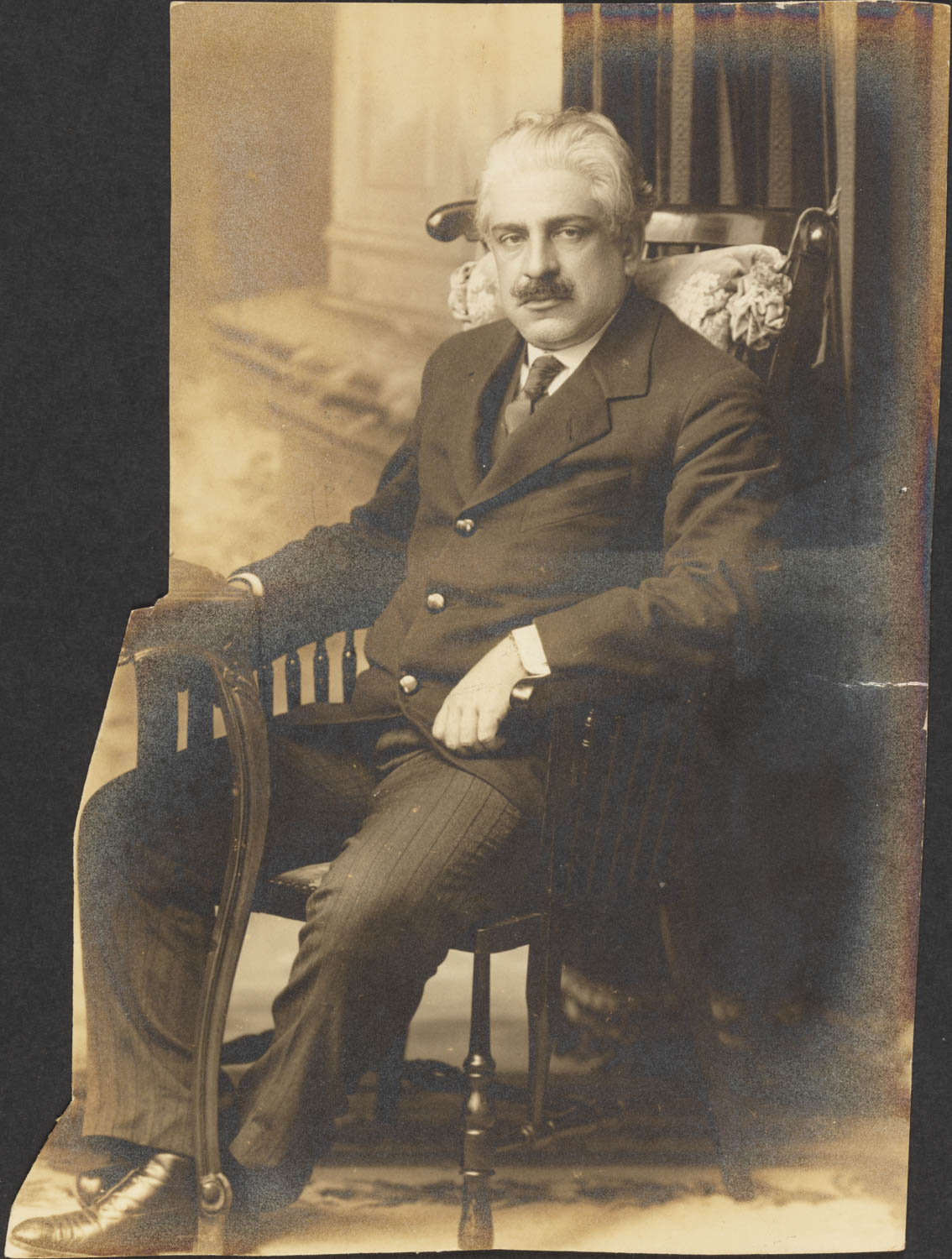
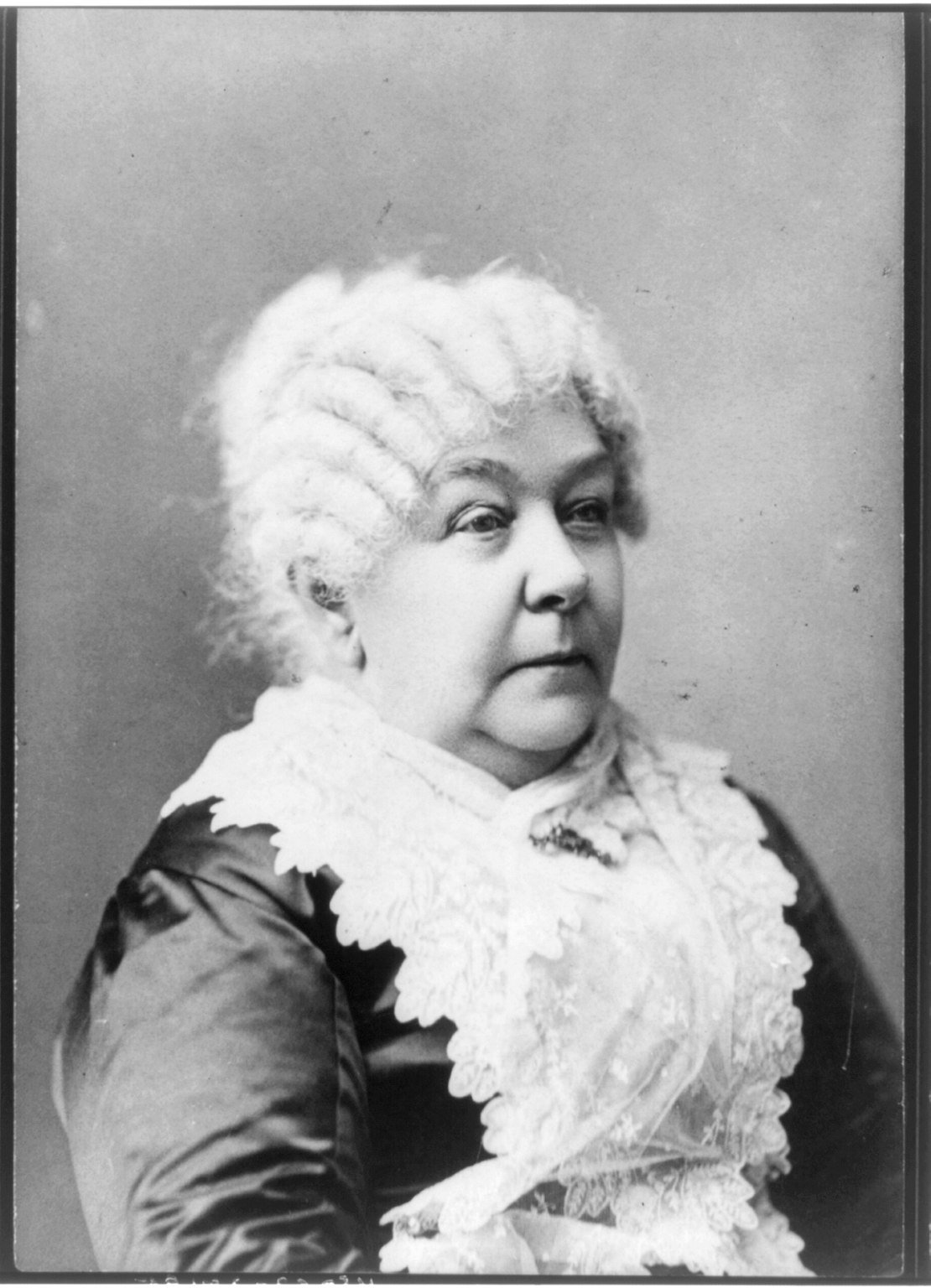
Photographer unknown, c. 1910-1919; Casa de Oswaldo Cruz / Fiocruz (public domain) · Wikimedia Commons file 'Retrato de Oswaldo Cruz sentado, Casa de Oswaldo Cruz (BR RJCOC FO-01-02-08).jpg', an archive photograph from the Casa de Oswaldo Cruz (Fiocruz) collection, photographer unknown, dated approximately 1910-1919 (the sitter died in 1917), seated portrait. The file carries the Casa de Oswaldo Cruz partnership licence tag stating the item is a faithful reproduction of public domain material, with a Wikimedia permission ticket recorded on the template; a pre-1923 photograph by an unknown author is in the public domain. Saved at the original Commons size of 1134 x 1500 pixels with no resizing or upscaling. The Fiocruz page itself was not found to carry a conflicting copyright notice. · Public domain
physician · 20th Century
Oswaldo Cruz
1872–1917
Known For
Not yet included in personality matching — the documented evidence doesn't yet cover enough of the personality model. Everything else on this page is fully available.
Trait Constellation
Key Achievements
As Director-General of Public Health, led Rio de Janeiro's campaigns against yellow fever, plague and smallpox, acting on the mosquito theory with brigades that removed breeding sites; recorded yellow fever cases fell from 39 in 1906 to none in 1908.
Directed the Manguinhos serum institute from 1902, turning it from a plague-serum producer into a centre for vaccine production, research and training that was later renamed for him and became Fiocruz.
Won the gold medal at the 1907 International Congress on Hygiene and Demography in Berlin for Rio's sanitation work, and later directed expeditions and sanitation campaigns in the Amazon and on the Madeira-Mamoré railway.
Moments That Reveal Them
At the height of the November 1904 unrest against compulsory smallpox vaccination, Cruz offered his resignation, but President Rodrigues Alves replied that the measures were wanted, and the sanitation work continued.
This is consistent with a professional who stayed with his public-health measures under intense hostility, with the government's backing playing a large part. Persistence
For the yellow-fever campaign Cruz divided Rio into ten districts, sent brigades to inspect building by building and record cases, and combined fines and demolition orders with explanatory leaflets, although his hoped-for 1,200 agents became only 85.
This is consistent with a methodical, structured approach to public health whose coercive style carried social costs. Planning Orientation
Turning Points
In 1909 Cruz left the Director-Generalship of Public Health to concentrate on the Manguinhos institute, which was renamed for him, and from there launched expeditions that documented health conditions in the country's interior.
This is consistent with a shift from managing city campaigns toward building research capacity and investigating national health problems. Impact Motivation
Similar People
People whose overall profiles resemble theirs.

Mahatma Gandhi

Wangari Maathai

Yi Sun-sin

Mustafa Kemal Atatürk

Elizabeth Cady Stanton
Opposite Profile
Not a rival — a different profile shape worth a look.
Wolfgang Amadeus Mozart
Sources
- Oswaldo Cruz (Q979554) -- verified live via the Wikidata API (2026-10-24): English label 'Oswaldo Cruz', description 'Brazilian physician and bacteriologist (1872-1917)', born 1872-08-05, died 1917-01-11 (Wikidata) while Brazilian sources give 11 February 1917, Korean label, P18 image 'Oswcruz.jpg' (not used). Orientation only; not used as support for any row.
- Fiocruz (Oswaldo Cruz Foundation), 'Oswaldo Cruz' biography page on the Fiocruz portal (fiocruz.br), read in full: son of a physician, entered medical school at fifteen and published two microbiology articles before graduating (1892); specialised in bacteriology at the Pasteur Institute from 1896; technical director of the Federal Seropathy Institute at Manguinhos from 1900 and director from 1902; Director-General of Public Health from 1903; believed the mosquito transmits yellow fever, so replaced disinfection with brigades eliminating breeding sites; the 1904 mass-vaccination attempt met a press campaign, a League against Obligatory Vaccination and the Vaccine Revolt, after which compulsory vaccination was suspended; yellow fever eradicated in Rio by 1907; gold medal at the 1907 Berlin hygiene congress; from 1909 devoted himself to the Manguinhos institute, which was renamed for him, launching expeditions and the Amazon and Madeira-Mamoré sanitation work; elected to the Brazilian Academy of Letters in 1913; died 1917 aged 44. CANONICAL SIGNIFICANCE SOURCE. Written by the institution that bears his name, so admiring and institutional.
- Journal Brasileiro de Patologia e Medicina Laboratorial (Brazilian Society of Clinical Pathology), 'Oswaldo Cruz' cover note (J. Bras. Patol. Med. Lab. 38(2), 2002), read in full: calls him founder of experimental medicine in Brazil; fascinated by Pasteur and Koch's microscopic world rather than clinical practice; Pasteur Institute training; assembled a young research team that made the institute a vaccine and experimental-medicine centre; named Director-General of Public Health in 1902 per this note; faced opposition from positivists, politicians and newspapers such as Correio da Manhã that caricatured him; held firm with the support of President Rodrigues Alves; yellow fever cases 39 in 1906, 4 in 1907, none in 1908. Professional-society note, partly overlapping with the Fiocruz account and differing on some dates (appointment year, death date).
- Cláudio Tadeu Daniel-Ribeiro and Ana Luce Girão Soares de Lima, 'Oswaldo Gonçalves Cruz: the character, the scientist, the academician', Revista da Sociedade Brasileira de Medicina Tropical 53 (suppl. 1), 2020 (open access, PubMed Central), read in full: Pasteur Institute microbiology course 1897-98; the Institute's template role; his Finlay-based mosquito strategy against the miasma view and the Academy of Medicine's scepticism; his offer to resign at the peak of the 1904 riot and the President's refusal; the authors' caveat that Carlos Chagas's claim that he created experimental medicine in Brazil is 'too generous' because Ribas, Lutz and others laid earlier foundations; the 'mosquito killer' corps limited to 85 men against an ideal 1,200; rat-bounty scheme that prompted people to breed rats; Carlos Chagas's testimony of tolerant but authoritative leadership at Manguinhos; Amazon and Madeira-Mamoré malaria missions in 1911. Authors are Fiocruz-affiliated (admiring) but include explicit qualifications.
- Asociación Española de Vacunología, 'Historias de la vacunología: La Revolta da Vacina en Río (1904)' (vacunas.org, 2006; pages 1-5 read), a Spanish vaccinology society history: describes Cruz's yellow-fever campaign as organised in a military-authoritarian style with ten districts, inspection house by house, fines and demolition orders alongside persuasive leaflets; the poor were evicted from demolished tenements; reports the 1904 vaccination law, the Liga Contra la Vacunação Obrigatória, the revolt and the failed military uprising; notes interpretations (official 'ignorant masses' view versus later social readings); describes Cruz's caricature as 'Nero of hygiene', the institute's research on malaria and other diseases, the Berlin gold medal, Chagas's discovery, and his transformation from controversial figure to national scientific symbol. Independent of Fiocruz; critical of the social side of the campaign. The political and military parts of the episode are context only and are not scored.
- Eduardo Henrique Barbosa de Vasconcelos, 'On the Writing of History of Science in Brazil in the Second Half of the 20th Century', Transversal: International Journal for the Historiography of Science 11 (2021) (open access PDF), the relevant passage read: reports that Nancy Leys Stepan's 1976 book argued that the creation of the Federal Serum Therapy Institute (now Fiocruz) marked the beginning of academic science in Brazil, and that Fiocruz itself arranged the Portuguese translation. Stepan's book was NOT opened; this is a secondary historiographic account used only for the significance of the institute and for noting Fiocruz's own role in promoting that reading.
- Wikimedia Commons file page 'Retrato de Oswaldo Cruz sentado, Casa de Oswaldo Cruz (BR RJCOC FO-01-02-08).jpg' (wikitext and API record) and the Commons licence template for the Casa de Oswaldo Cruz partnership, checked for the portrait's rights: Casa de Oswaldo Cruz (Fiocruz) archive photograph, author unknown, dated approximately 1910-1919, licence tag Public domain, original 1134 x 1500. Not used for any scoring.