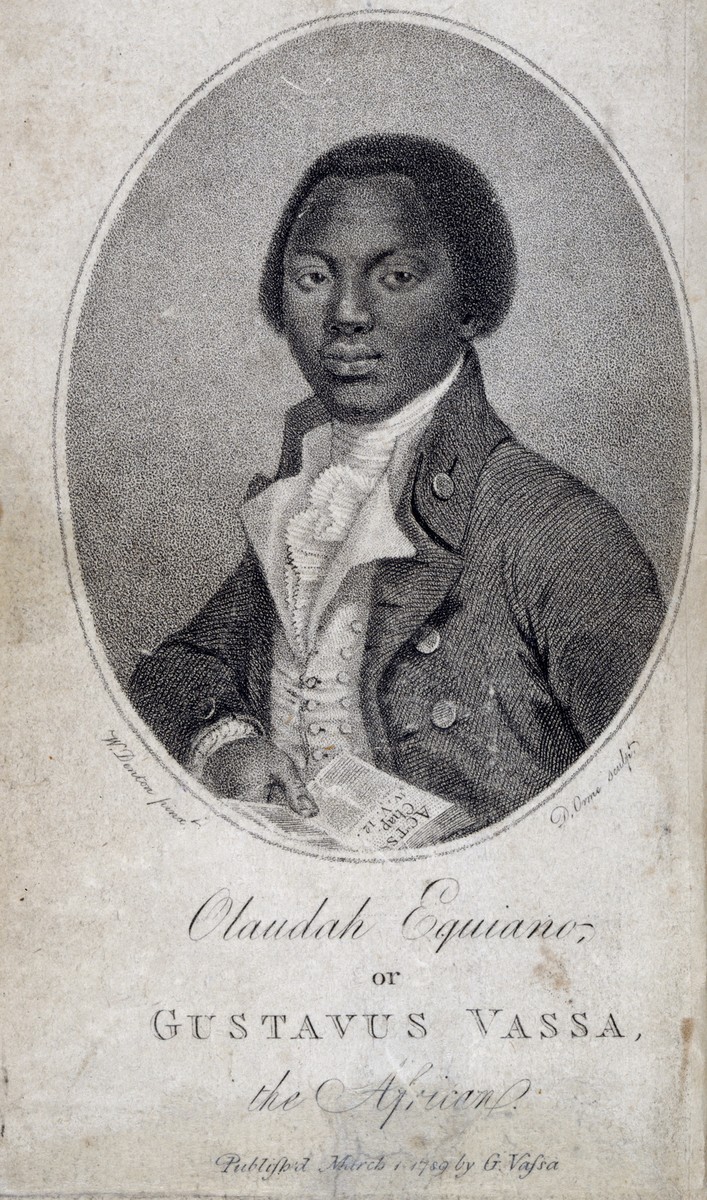
Daniel Orme after William Denton, 1789, frontispiece of The Interesting Narrative of the Life of Olaudah Equiano, British Library (1489.g.50) · Engraved frontispiece to The Interesting Narrative of the Life of Olaudah Equiano, engraved by Daniel Orme after a painting by William Denton and lettered 'Published March 1. 1789 by G. Vassa'; British Library, shelfmark 1489.g.50. The scan (1071 x 1785) was trimmed of its page margins and binding shadow and downscaled to 707 x 1200 with no upscaling. · Public domain: a lettered print published in London in 1789 by an engraver and painter who died long ago; the British Library's own image record carries a Public Domain Mark / no known copyright restrictions
writer · Early Modern
Olaudah Equiano
1745–1797
Known For
Not yet included in personality matching — the documented evidence doesn't yet cover enough of the personality model. Everything else on this page is fully available.
Trait Constellation
Key Achievements
In 1789 he published his autobiography, The Interesting Narrative of the Life of Olaudah Equiano, which ran to nine editions in his lifetime and is credited by scholars with helping to establish the slave narrative as a genre.
Enslaved from childhood, he bought his own freedom on Montserrat in 1766 after trading on his own account, then worked as a sailor and steward in the Mediterranean, the Atlantic and on the 1773 Phipps Arctic expedition.
He raised money for the book by selling subscriptions, issued it under his own name and toured to promote it; according to Carey it was a bestseller that made him wealthy.
Moments That Reveal Them
Appointed commissary of provisions for the Black Poor sailing to Sierra Leone in 1787, he complained to the Navy Commissioners that contracted supplies had not been delivered; Captain Thompson blamed both him and the agent Irwin for the quarrel, and the committee sided with Irwin and relieved him of the post.
This is consistent with being willing to press a complaint against a powerful agent even at the cost of his post. Conflict Tolerance
He funded the 1789 Narrative himself by selling subscriptions in advance and issued it under his own name, as the plate lettering 'Published March 1. 1789 by G. Vassa' shows, then toured to promote it.
This is consistent with taking the initiative to bring his own work to readers rather than waiting for a publisher. Proactive Agency
Turning Points
After years of trading on his own account around the Caribbean and Savannah River, he bought his freedom on Montserrat in 1766, which opened a career as a free sailor and, later, an author.
This is consistent with sustained, goal-directed effort toward a long-held aim. Persistence
Similar People
People whose overall profiles resemble theirs.


Nelson Mandela

Ernest Shackleton

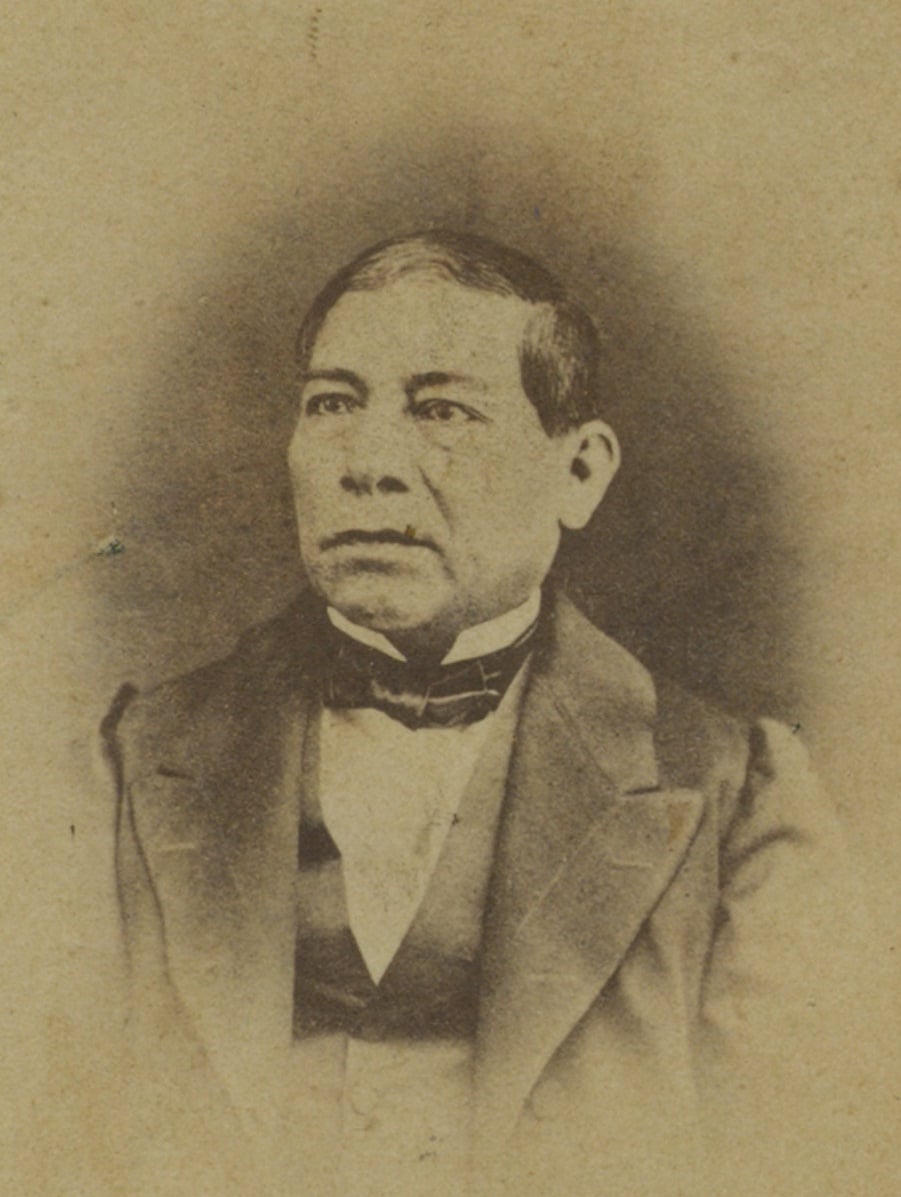
Benito Juarez

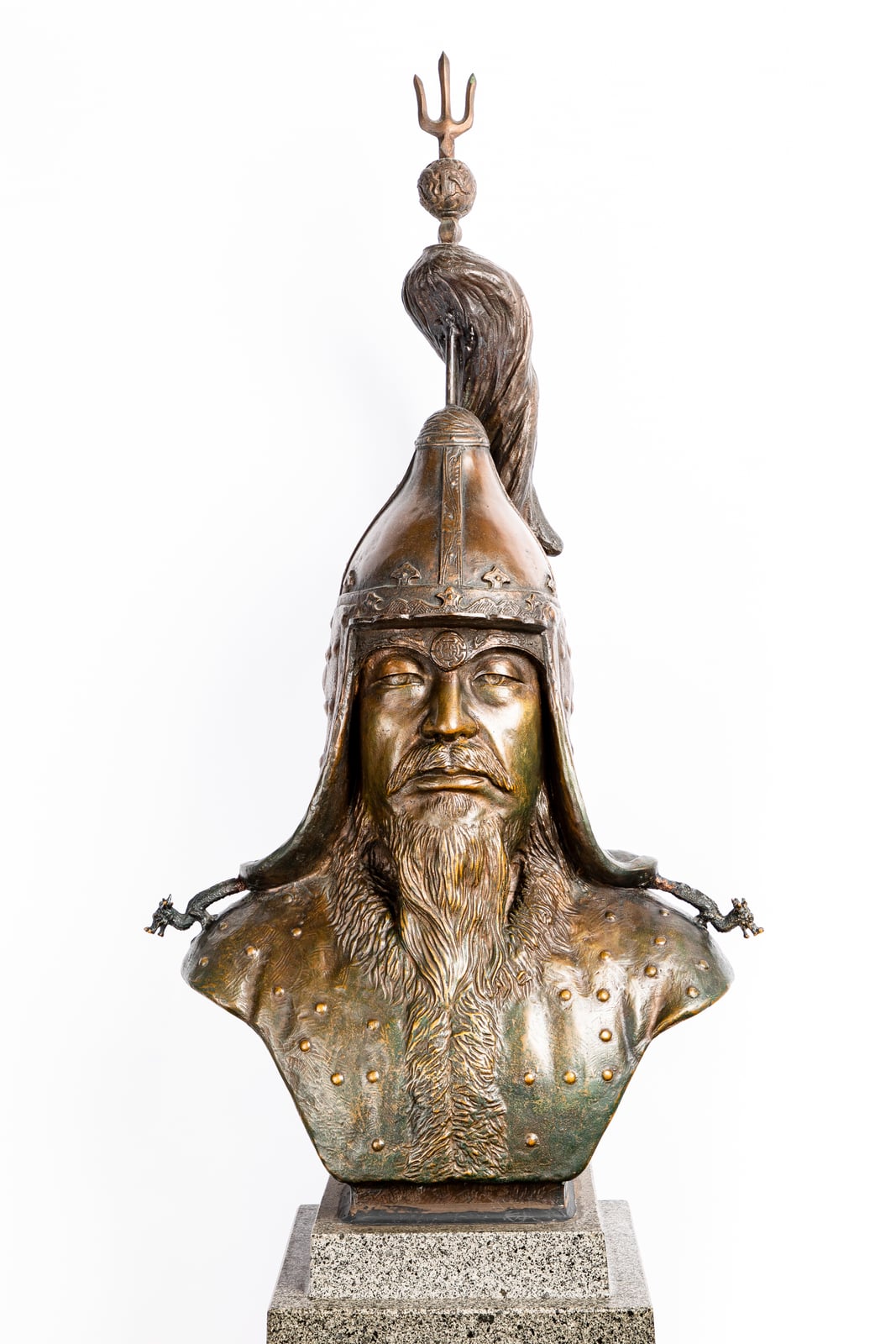
Yi Sun-sin

Miriam Makeba
Sources
- Olaudah Equiano (Q379887), verified live via the Wikidata API (2026-11-06): description 'Black British abolitionist and writer (c. 1745 - 1797)', born c. 1745 (year precision), died 31 March 1797, no Korean or English label (multilingual label 'Olaudah Equiano'). Orientation only; not used as support for any row.
- Brycchan Carey, Olaudah Equiano biography page (brycchancarey.com, a scholar's site on Equiano; read). CANONICAL SIGNIFICANCE SOURCE: describes him as an eighteenth-century African writer, mariner and Britain's first Black civil servant; says his 1789 autobiography appeared in nine editions between 1789 and 1794, was a bestseller, advanced the anti-slavery cause and made him wealthy, then went out of print until the 1960s. Single-author scholar's page, short, gives few dates.
- Brycchan Carey, 'Where Was Olaudah Equiano Born?' (brycchancarey.com; read). COUNTER-VOICE: sets out Vincent Carretta's evidence (a 1759 Westminster baptismal record and a 1773 Royal Navy muster listing a Carolina birthplace, misdated voyages, the name 'Equiano' not used before 1789, close resemblance of the African chapters to Anthony Benezet's writing) against the counter-arguments (accuracy elsewhere, other formerly enslaved people who kept European names, proposed African birthplaces) and concludes that nobody knows. Used to cap confidence in everything that rests on the Narrative's own account of events before about 1759.
- Equiano's World, 'Joseph Irwin' (equianosworld.org; an online scholarly reference site whose hosting body is not named on the page; read). Reports the Navy Office warrant of 16 January 1787 naming Vassa 'Commissary of Provisions and Stores' for the Black Poor sailing to Sierra Leone, his complaints about unsupplied provisions (750 provisioned for, 426 embarked), Irwin's counter-charge that Vassa was arrogant and stirring up the settlers, Captain Thompson's own letter blaming both men for disrupting the voyage, and the Committee siding with Irwin so that Vassa was relieved. Independent of Vassa's own account in that it reports Irwin's and Thompson's side.
- Equiano's World, 'Vassa and Sierra Leone' (equianosworld.org; read). Says he was appointed in late 1786, publicly objected to how the resettlement scheme was run including suspected embezzlement, and was removed; that his warnings proved accurate; and that a missionary application he made earlier was refused by the Bishop of London. The page cites no footnotes and hedges its inferences ('likely', 'probably'); used only for the broad outline.
- Slavery and Remembrance, 'Olaudah Equiano' (slaveryandremembrance.org; the page names no author; read). Summarises his life from the Narrative: bought by Lieutenant Pascal in 1754, sold to the Quaker Robert King in Montserrat who set him to marketing, allowed to buy his freedom in 1766, sailor in the Mediterranean and Atlantic, the 1789 autobiography; says scholars credit the book with establishing the slave narrative genre and flags recent scholarship that he may have been American-born. No sales figures.
- Pablo J. Davis, 'Olaudah Equiano in Georgia', New Georgia Encyclopedia (Georgia Humanities and University of Georgia Press; read). Says he traded on the Savannah River on his master's and his own account hoping to buy his freedom, did so on Montserrat in 1766, sailed as a mariner and joined Phipps's 1773 Arctic expedition, went to the Mosquito Coast and Mediterranean ports, was dismissed from the Sierra Leone scheme for exposing embezzlement, and sold subscriptions to fund the 1789 book and toured to promote it. Regional encyclopedia entry focused on Georgia; thin on later life.
- 'Equiano, Olaudah', Colonial America Reference Library (Gale, via Encyclopedia.com; read). Says the Interesting Narrative was printed in nine editions in his lifetime and brought him international fame, calls it one of the best precursors to later slave narratives such as Douglass's, and notes his 1772-73 Arctic expedition. Short reference entry with no named author.
- The Interesting Narrative of the Life of Olaudah Equiano, or Gustavus Vassa, the African (first published London, 1789; Project Gutenberg text 15399; the passages on his trading ventures and the purchase of his freedom, his savings of thirty-seven guineas on returning to London, and his appointment and work as commissary for the Black Poor read, the rest searched only). SELF-REPORT and partly contested: the account of his childhood and Middle Passage is disputed (see the nativity source), so only episodes that other sources also report (the 1766 freedom, the 1773 expedition, the 1787 commissary post) are used.
- British Library, frontispiece to The Interesting Narrative (shelfmark 1489.g.50; Flickr record in the Library's own British Library Flickr stream, id 12458803755, marked Public Domain Mark / No known copyright restrictions; read). Portrait source record for the image used; the lettering on the plate names the sitter, painter and engraver.