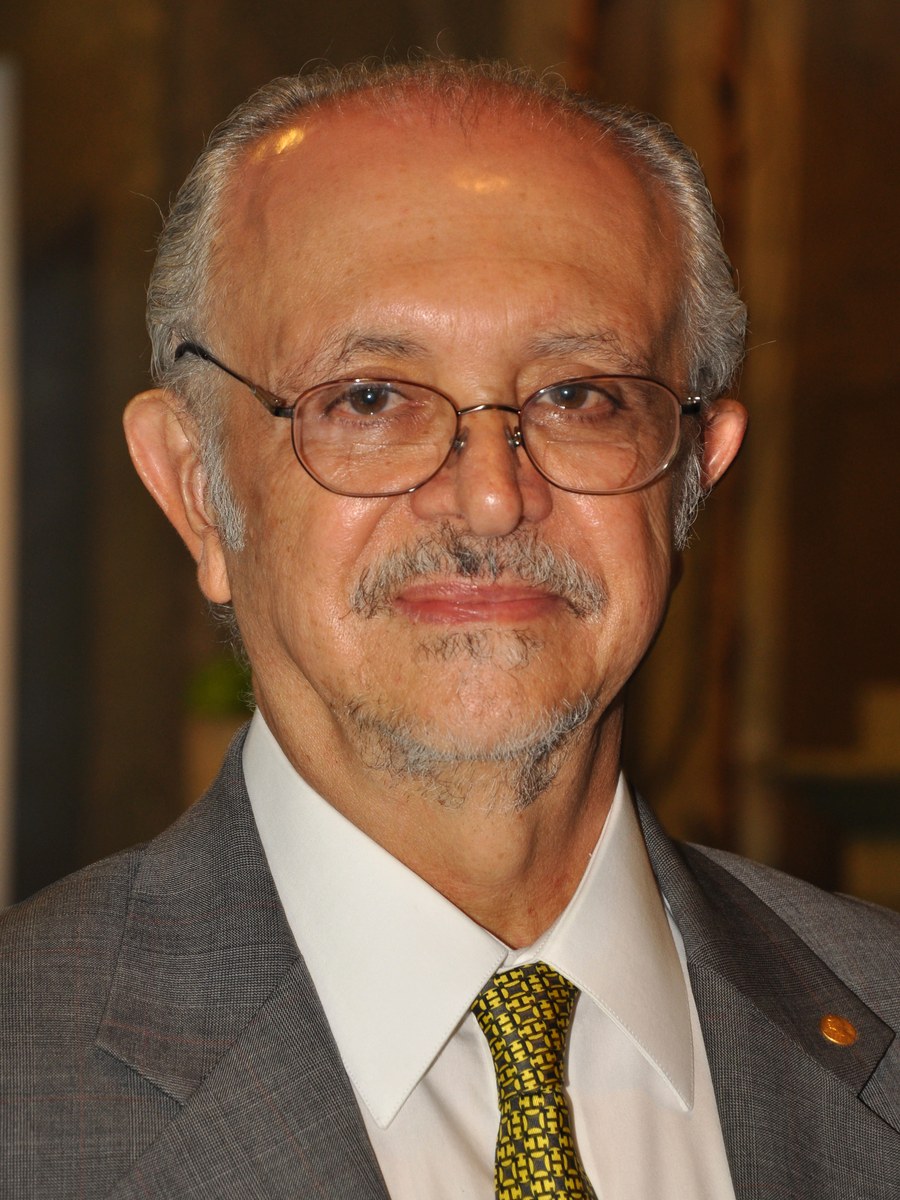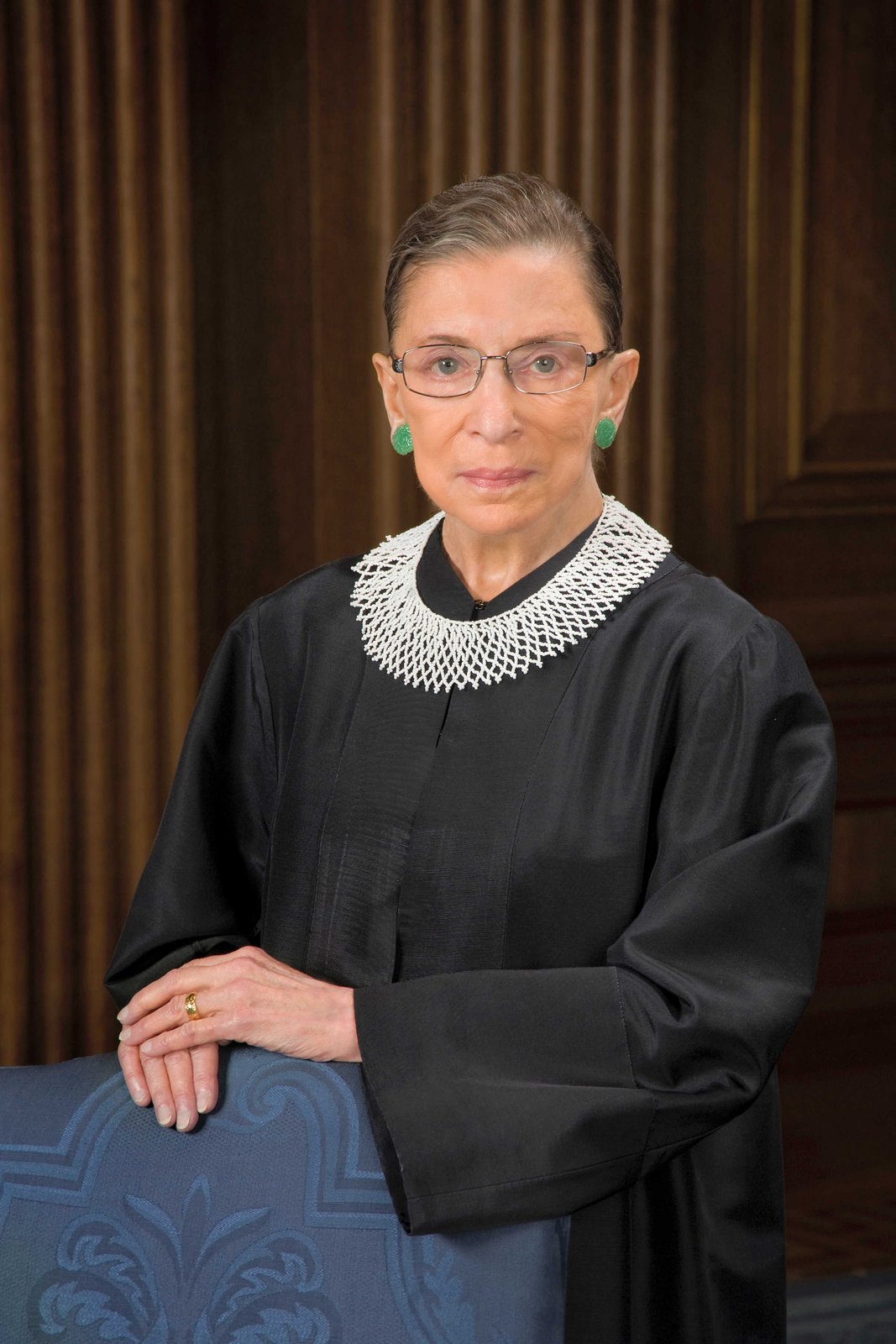

Janwikifoto, 2011, CC BY-SA 3.0 · Photograph of Mario Molina at the Nobel Laureate Global Symposium, Royal Swedish Academy of Sciences, Stockholm, 17 May 2011, by Janwikifoto, via Wikimedia Commons file 'Mario Molina 1c389 8387.jpg' (original 2683 x 3577, downscaled to 900 x 1200, not enlarged). Published by the photographer under multiple free licences. · CC BY-SA 3.0 (also GFDL and other Creative Commons versions)
chemist · Contemporary
Mario Molina
1943–2020
Known For
Not yet included in personality matching — the documented evidence doesn't yet cover enough of the personality model. Everything else on this page is fully available.
Trait Constellation
Key Achievements
With F. Sherwood Rowland he published a 1974 paper in Nature showing that chlorofluorocarbons reaching the stratosphere release chlorine atoms that destroy ozone.
He shared the 1995 Nobel Prize in Chemistry with Rowland and Paul Crutzen for work on the depletion of the ozone layer.
His work helped support the Montreal Protocol on ozone-depleting substances; he later studied polar stratospheric cloud chemistry and urban air pollution, founding a Mexico City energy and environment centre in 2004.
Moments That Reveal Them
In December 1973 Rowland and Molina, finding no process that would remove CFCs in the lower atmosphere, searched their calculations for flaws and found none, then submitted the paper and later took the finding to the press and policy makers.
This is consistent with checking a conclusion carefully before presenting it. Analytical Rigour
Turning Points
In autumn 1973 he left chemical-laser research at Berkeley to join Rowland's group at Irvine and take on the unexamined fate of CFCs, a field he knew little about.
This is consistent with a willingness to enter an unfamiliar field for a challenging problem. Adaptability
Similar People
People whose overall profiles resemble theirs.


Jane Goodall

Abraham Lincoln

Nelson Mandela

Wangari Maathai

Wilbur Wright
Sources
- Mario Molina (Q19045) -- verified live via the Wikidata API (2026-10-24): English label 'Mario Molina', description 'Mexican chemical engineer (1943-2020)', born 1943-03-19, died 2020-10-07, citizenship Mexico and United States, Korean label '마리오 J. 몰리나', P18 image 'Mario Molina 1c389 8387.jpg'. Orientation only; not used as support for any row.
- MIT News obituary, 'Institute Professor Emeritus Mario Molina, environmental leader and Nobel laureate, dies at 77' (9 October 2020), read in full. CANONICAL SIGNIFICANCE SOURCE: his computer modelling and laboratory work showed CFCs could destroy ozone in the stratosphere; the 1974 Nature paper with F. Sherwood Rowland and the joint call for a ban at an American Chemical Society meeting; initial dispute by industry, review by the National Academy of Sciences in 1976, the Antarctic ozone hole reported in 1985; the Montreal Protocol; the 1995 Nobel Prize in Chemistry shared with Rowland and Paul Crutzen; later work on air pollution in Mexico City, the Mario Molina Center, and fellowships funded from his prize money. Institutional, admiring; colleague tributes by Ronald Prinn and Susan Solomon.
- NobelPrize.org, 'Mario J. Molina - Biographical' (1995 Nobel Prize in Chemistry), read in full. Molina's own account written for the Nobel Foundation: his move into Rowland's group in 1973, how he and Rowland developed the CFC-ozone depletion theory, the search for loss processes in the lower atmosphere, publication in Nature on 28 June 1974, the decision to communicate to policy makers and the news media, his move to the Jet Propulsion Laboratory in 1982 and work on polar stratospheric cloud chemistry after 1985. Self-authored, used only where independent sources corroborate it, never as sole support.
- Renyi Zhang, 'Mario J. Molina' obituary (Physics Today, 1 February 2021, American Institute of Physics), read in full: his demonstration that CFCs release chlorine atoms in the stratosphere leading to catalytic ozone destruction, the 1974 paper with Rowland, research between 1974 and 1995 on stratospheric chemistry, later shift to urban air pollution, his reputation as a mentor, and a favourite quotation that solutions to environmental problems belong to society as a whole. Written by a former student and collaborator: admiring, with first-hand knowledge. COVID-19 advocacy and political remarks in the obituary were excluded.
- 'Clean-up Hitter' (The University of Chicago Magazine, August 1997), the feature on F. Sherwood Rowland, read in full: Rowland and Molina investigating the atmospheric fate of CFCs, ruling out rain and other removal routes, the shared realisation in December 1973 and their search for flaws, submission to Nature in January 1974 and eight months' delay, the September 1974 American Chemical Society meeting, confirmation by Paul Crutzen and others, and the industry response that ozone depletion was only a hypothesis, including a remark in an interview that the two might be KGB agents. A profile of Rowland, so Molina appears as the co-author; independent of Molina's own account and of the obituaries. Counter-voice material.
- Alasdair Cameron, 'The man who helped alert the world to a looming disaster' (Environmental Investigation Agency blog, 16 March 2012), read in full: after Rowland's death, an NGO campaigner recounts the 1975 DuPont full-page advertisement ('Before a valuable industry is hypothesized out of existence, more facts are needed'), a DuPont official's 'pure science fiction' remark, and an Aerosol Age article implying Rowland and Molina were KGB agents (via the New York Times). An advocacy organisation's blog: partisan, and the quotations are cited second-hand; used only to document the industry challenge.
- Wikimedia Commons file page 'Mario Molina 1c389 8387.jpg' (photograph by Janwikifoto at the Nobel Laureate Global Symposium, Royal Swedish Academy of Sciences, Stockholm, 17 May 2011; multi-licensed GFDL and Creative Commons Attribution-ShareAlike 3.0/2.5/2.0/1.0) and the uploader's Commons user page (identity verified through the Wikimedia volunteer response team), checked for the portrait only.