Mahatma Gandhi
94% Profile Match
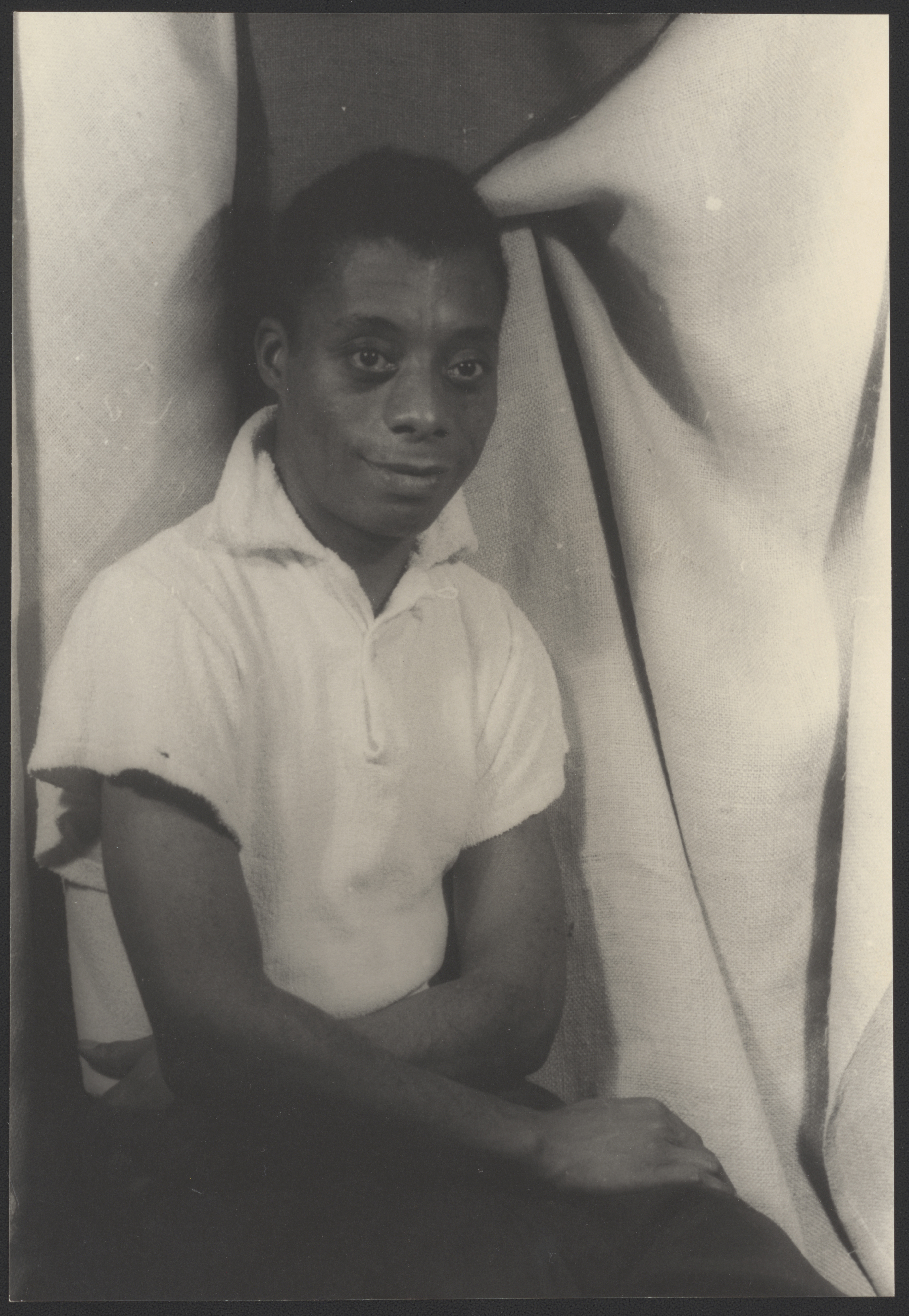
Carl Van Vechten, September 13, 1955 · Library of Congress, Carl Van Vechten Collection (Prints & Photographs Division, digital ID cph.3a42800), via Wikimedia Commons · Public Domain (no known restrictions per the Library of Congress)
Established himself as a major voice of 20th-century American literature with novels and essay collections including Go Tell It on the Mountain, Notes of a Native Son, and The Fire Next Time.
At 15, sought out painter Beauford Delaney at his Greenwich Village studio and sustained a 38-year mentorship, later crediting Delaney twice, decades apart, as formative to how he saw the world.
In 1949 he publicly criticized Richard Wright's Native Son in the essay 'Everybody's Protest Novel,' even though Wright had personally secured the fellowship that funded his first novel -- the two reportedly never spoke again.
Prioritizing his own critical judgment over loyalty to the person who had helped launch his career, at real relational cost, is part of the basis for the profile's autonomy_need score. Need for Autonomy
In 1968, when a grieving Maya Angelou repeatedly turned down an editor's offer to write a memoir, Baldwin specifically coached the editor to tell her she couldn't do it -- which worked, and led to I Know Why the Caged Bird Sings.
Deliberately using an understanding of someone else's psychology to change a decision is part of the basis for the profile's persuasiveness score. Persuasiveness
People whose overall profiles resemble theirs.