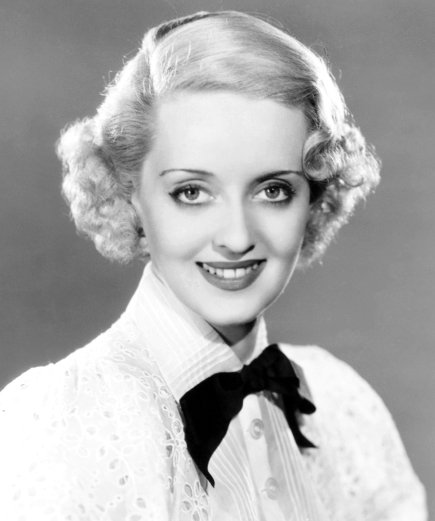
Bette Davis
88% Profile Match
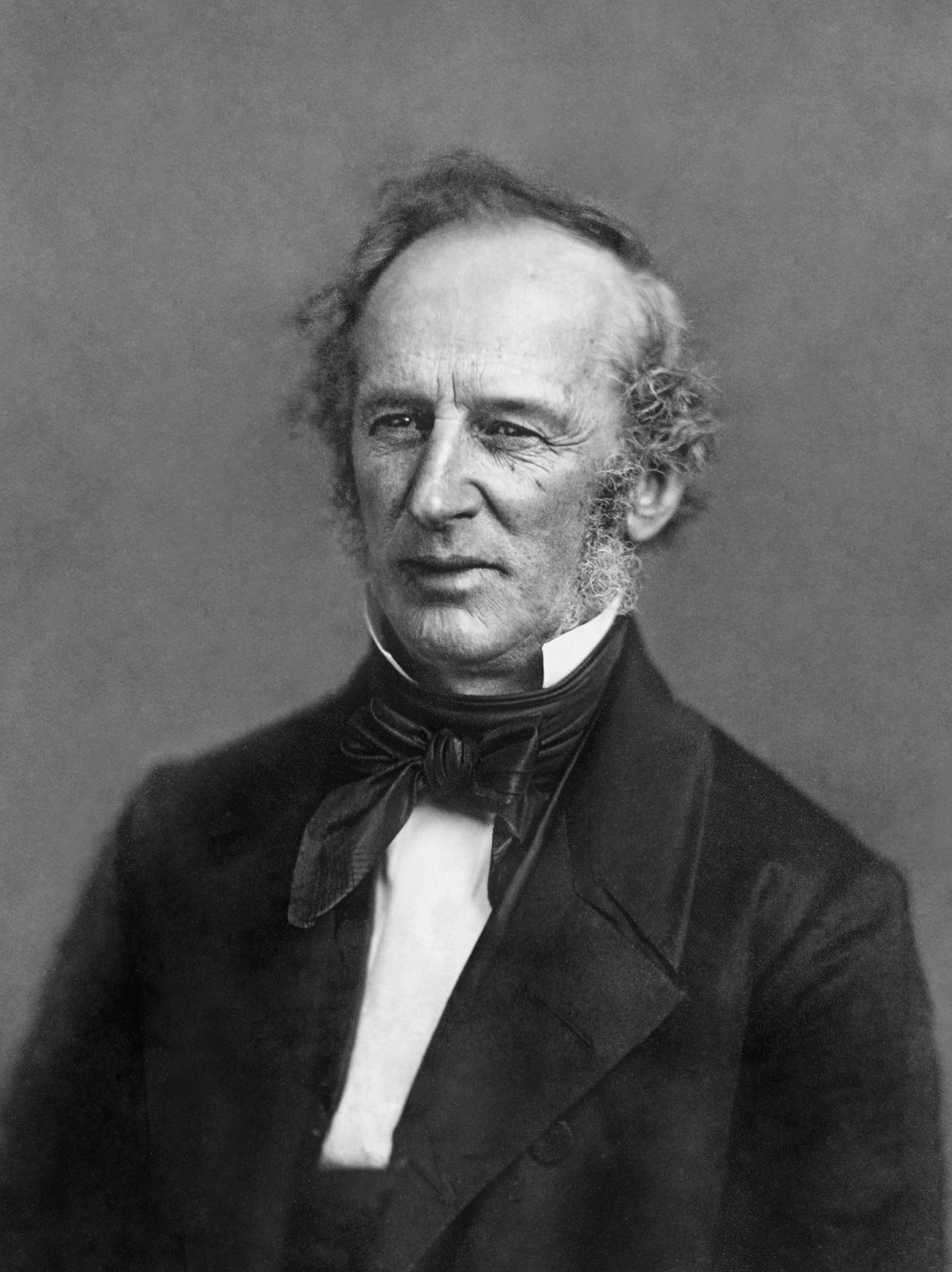
Mathew Brady studio, Cornelius Vanderbilt, head-and-shoulders portrait, half-plate daguerreotype, between 1844 and 1860, Library of Congress Daguerreotype collection (DAG no. 058); public domain, no known restrictions on publication; scratches removed and histogram adjusted by Michel Vuijlsteke on Commons; downscaled · Library of Congress, Prints and Photographs Division, Daguerreotype collection (DAG no. 058; LC-USZC4-4160, digital ID cph.3a11569), via Wikimedia Commons (restored scan) · Public domain
After more than a decade as a steamboat captain on the Gibbons line, Vanderbilt went into business for himself in 1829 and ran competing steamboat lines on the Hudson River and Long Island Sound, where his faster boats and lower fares pushed established companies into compromises. In 1851 he opened a steamship and transit route to California through Nicaragua, in competition with the Panama route of the Pacific Mail Steamship Company.
From 1863 Vanderbilt took control of the Harlem and Hudson River railroads and, from 1867, the New York Central, which he merged with the Hudson River road in 1869. He later took over the Lake Shore line as well, giving his group of roads a through route from New York to Chicago. His roads were double-tracked and laid with steel rails, but contemporaries such as Charles Francis Adams Jr. also criticised the heavy increases in their share capital.
On 15 March 1862, after the Confederate ironclad Merrimack had attacked Union ships at Hampton Roads, the War Department telegraphed Vanderbilt to ask what he would charge to destroy or contain her. He came to Washington instead of naming a price, and within five days the government had accepted his largest steamship, the Vanderbilt, as a gift and put her under his direction, ready to sail. The telegrams and orders survive in the Navy's official records.
Answering a request for a price with an offer of his own ship is consistent with the profile's proactive-agency score; the historian T. J. Stiles notes that the navy had turned down an earlier offer of the same ship. Proactive Agency
To open the Nicaragua route around 1850-51, Vanderbilt took a small steamboat up the San Juan River himself. According to the New-York Tribune's 1877 obituary, the boat was hauled over the Castillo rapids on cables fastened to trees upstream. His biographer T. J. Stiles also describes him piloting the boat through the rapids; more colourful later retellings are less reliable.
Taking the boat through the rapids himself sits alongside the profile's risk-tolerance score, though the risk was part of a well-funded commercial venture rather than a gamble with everything he had. Risk Tolerance
In 1818 Vanderbilt, then running his own sailing vessels in New York harbour, took command of a small steamboat for Thomas Gibbons on the New York-New Brunswick route for a modest salary. His own later account presents this as a deliberate break with sail, but Stiles found that he was first hired as a stopgap when Gibbons's captain suddenly left and kept his sailing ventures running for years. The Gibbons years gave him his training in steam navigation.
Moving early into steam offers one example behind the profile's opportunity-sensing score, but the timing owed something to chance as well as foresight. Opportunity Sensing
People whose overall profiles resemble theirs.