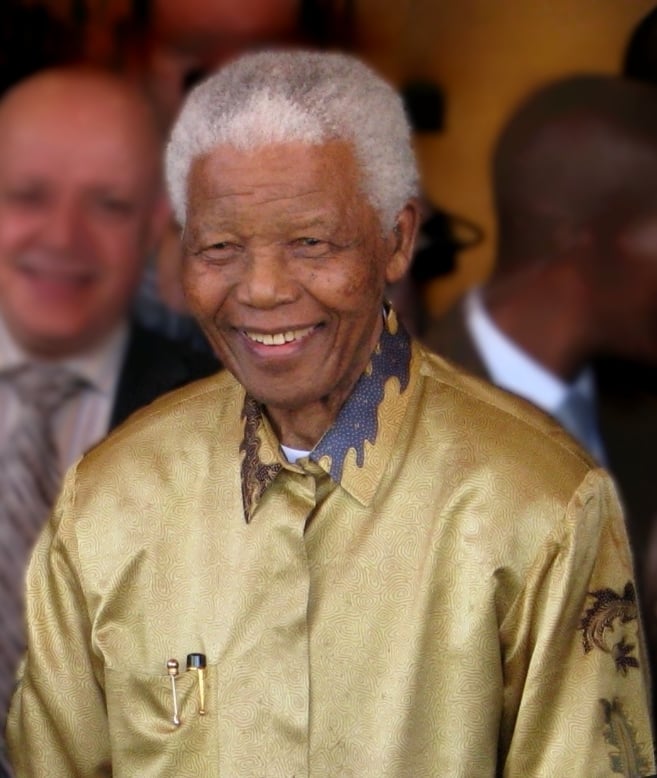
Nelson Mandela
92% Profile Match
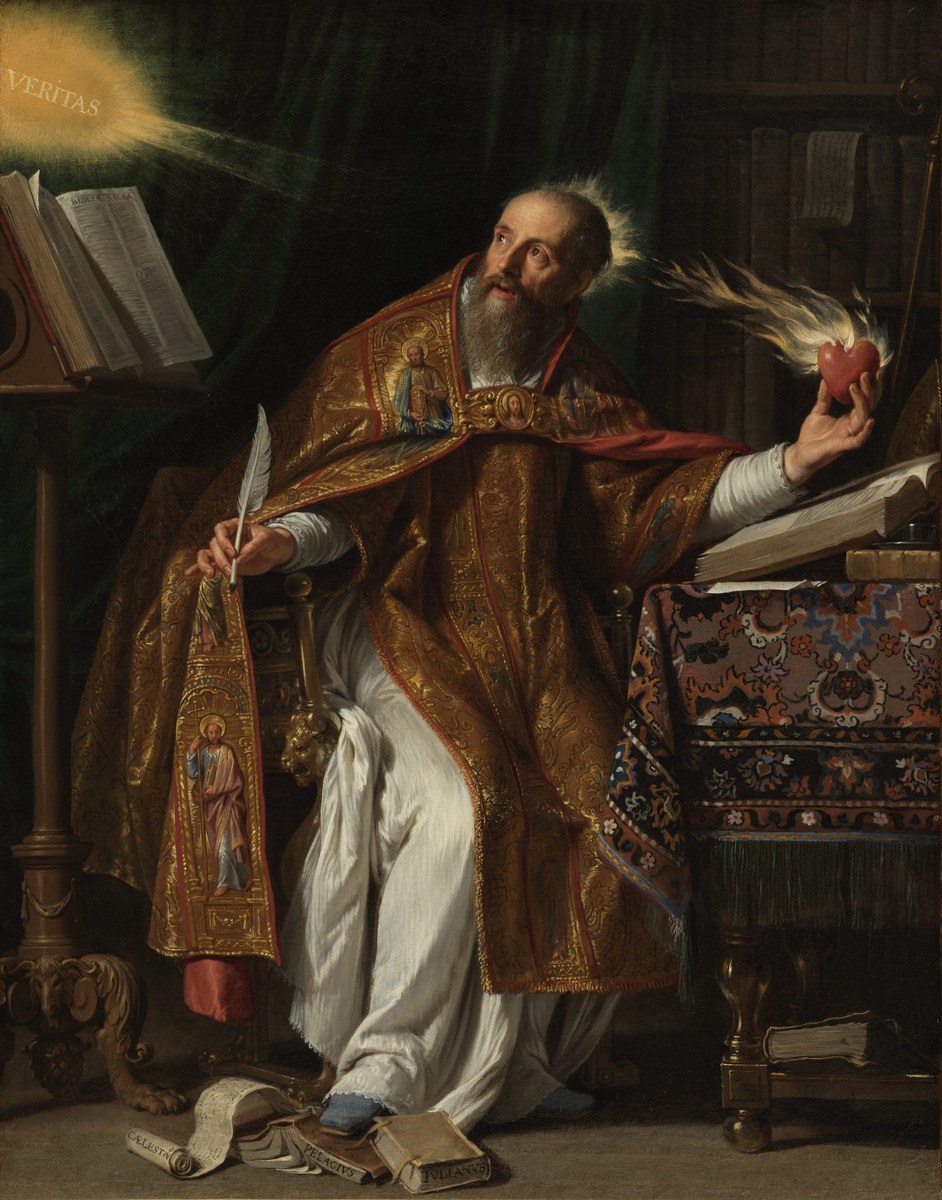
Philippe de Champaigne, Saint Augustine, circa 1645, Los Angeles County Museum of Art, M.88.177, Gift of The Ahmanson Foundation · Saint Augustine, oil on canvas by Philippe de Champaigne, circa 1645, Los Angeles County Museum of Art, accession M.88.177 (Gift of The Ahmanson Foundation). The painter died in 1674, so the painting is public domain by age, and the museum's collection record flags the image as public domain and offers it for download under its terms for public-domain images. A posthumous imagined image made more than a thousand years after the sitter's death, so shown as a later depiction and not as a likeness. Original museum image 3216 x 4096 pixels, downscaled to 942 x 1200 with no cropping and no upscaling. · Public domain (artwork by age; museum public-domain image)
theologian · Ancient
354–430
Roman Empire
Not yet included in personality matching — the documented evidence doesn't yet cover enough of the personality model. Everything else on this page is fully available.
As bishop of Hippo in Roman Africa (c. 396-430) he wrote the Confessions and the City of God, works that made him one of the most influential writers in Western Christian thought.
His surviving output is about 100 books, 300 letters and 600 sermons, and near the end of his life he reviewed his own writings in the Retractiones.
He was a leading voice in the church's disputes with Manicheans, Donatists and Pelagians, and with his fellow African bishops helped secure the condemnation of Pelagianism in 418.
In his anti-Donatist campaign he wrote a 297-line song so that uneducated churchgoers could remember what he saw as the schism's errors, and he later defended state force against the Donatists, a position later critics have condemned.
This is consistent with a willingness to engage in sustained, audience-tailored public dispute, with contested consequences. Conflict Tolerance
Late in his career he wrote the Retractiones, a critical review of his writings in chronological order, and in a newly found letter warned readers not to treat his own works as Scripture.
This is consistent with a habit of publicly revisiting and revising his own positions. Belief Updating
In 391 he was ordained a priest at Hippo, reportedly against his will, and about 396 he succeeded the local bishop, moving from teacher of rhetoric and philosophical retirement to leading a congregation and its disputes.
This is consistent with a shift from a scholarly life to public pastoral and controversial work. Persuasiveness
People whose overall profiles resemble theirs.



Not a rival — a different profile shape worth a look.
